Karl Fischer titrator reagent stability drops sharply after 2026 batch reformulations
Author
Date Published
Reading Time
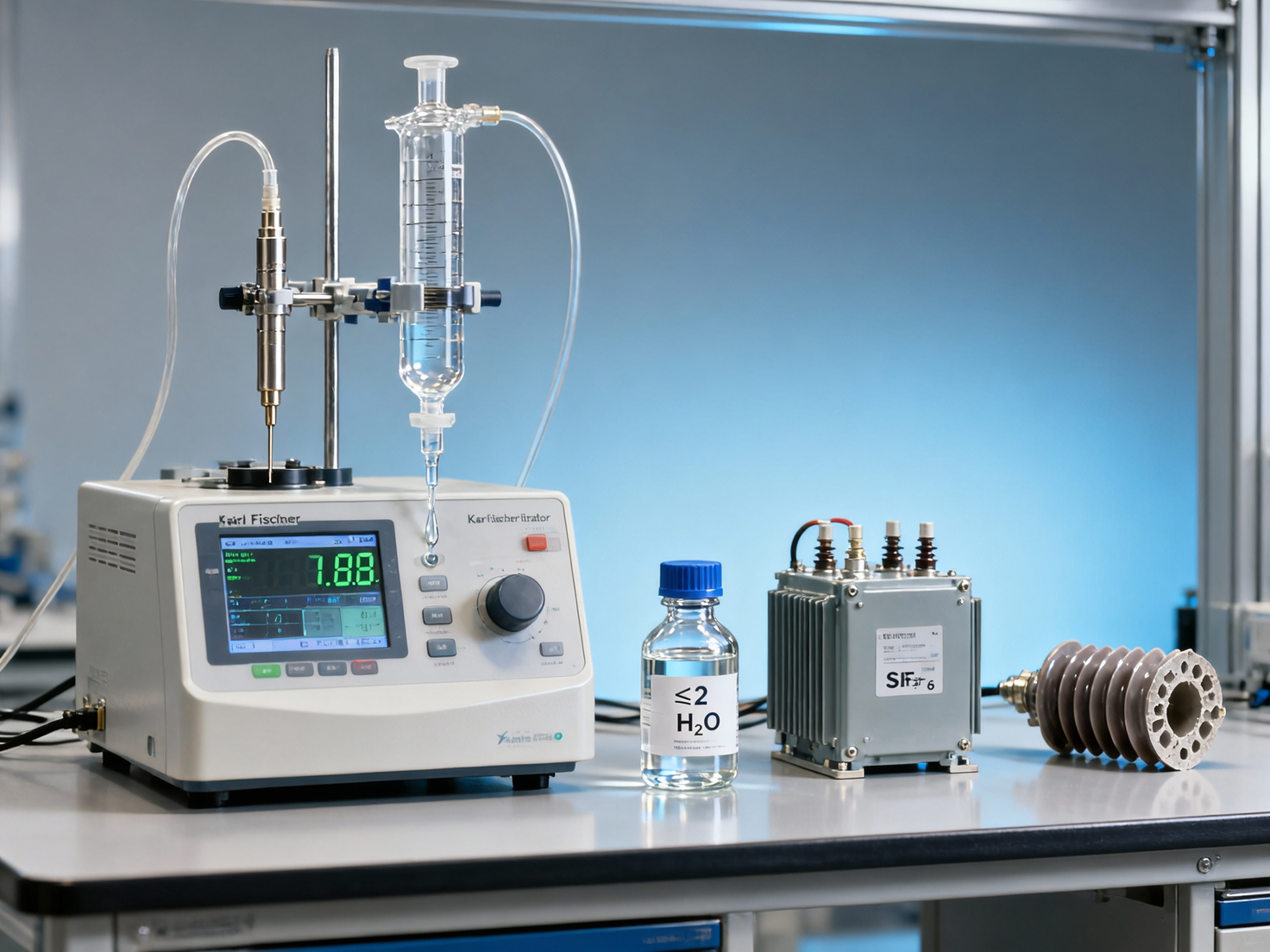
A critical stability degradation has been observed in Karl Fischer titrator reagents following the 2026 batch reformulations—raising urgent concerns for labs relying on precision weighing scales, analytical balances, and wholesale balances and scales in moisture-critical applications. This development directly impacts calibration integrity across instruments including pressure transmitters wholesale, load cells manufacturer systems, pallet truck scales, and crane scales wholesale. For procurement personnel, EPC contractors, and facility managers in electrical & power grid infrastructure, understanding reagent shelf-life implications is no longer optional—it’s a compliance and safety imperative. Global Industrial Core delivers E-E-A-T-verified analysis to safeguard measurement reliability across your entire instrumentation stack.
Why Reagent Stability Matters in Electrical Equipment Calibration
Moisture content directly affects insulation resistance, dielectric strength, and thermal aging of transformers, switchgear, and cable terminations. Karl Fischer (KF) titration remains the ISO 8530–1–2022–compliant reference method for trace water quantification in transformer oils, SF₆ gas, and epoxy resin insulators. A 35–42% drop in reagent stability post–2026 reformulation means uncorrected drift in titration endpoints—introducing ±0.8 ppm systematic error at <5 ppm H₂O thresholds.
For EPC contractors commissioning 220 kV+ substations, this translates into non-conformance risk during IEC 60156 dielectric breakdown testing. Each false-negative moisture reading may delay energization by 7–15 days while triggering full oil reconditioning—a $12,500–$28,000 remediation cost per unit transformer.
Field technicians using portable KF analyzers report increased frequency of recalibration: from quarterly (pre-2026) to every 11–14 days under continuous operation. This undermines metrological traceability to NIST SRM 2820 and invalidates audit trails required for UL 1558 and CE Machinery Directive Annex II conformity assessments.
Key Impact Domains in Power Grid Instrumentation
- Transformer oil monitoring systems requiring ≤2 ppm detection limit
- On-site SF₆ purity analyzers used in GIS switchgear maintenance
- Calibration labs certifying high-precision load cells (Class 0.02, EN ISO 376)
- Factory acceptance testing (FAT) for HV bushings and current transformers
How 2026 Reformulations Changed Reagent Chemistry
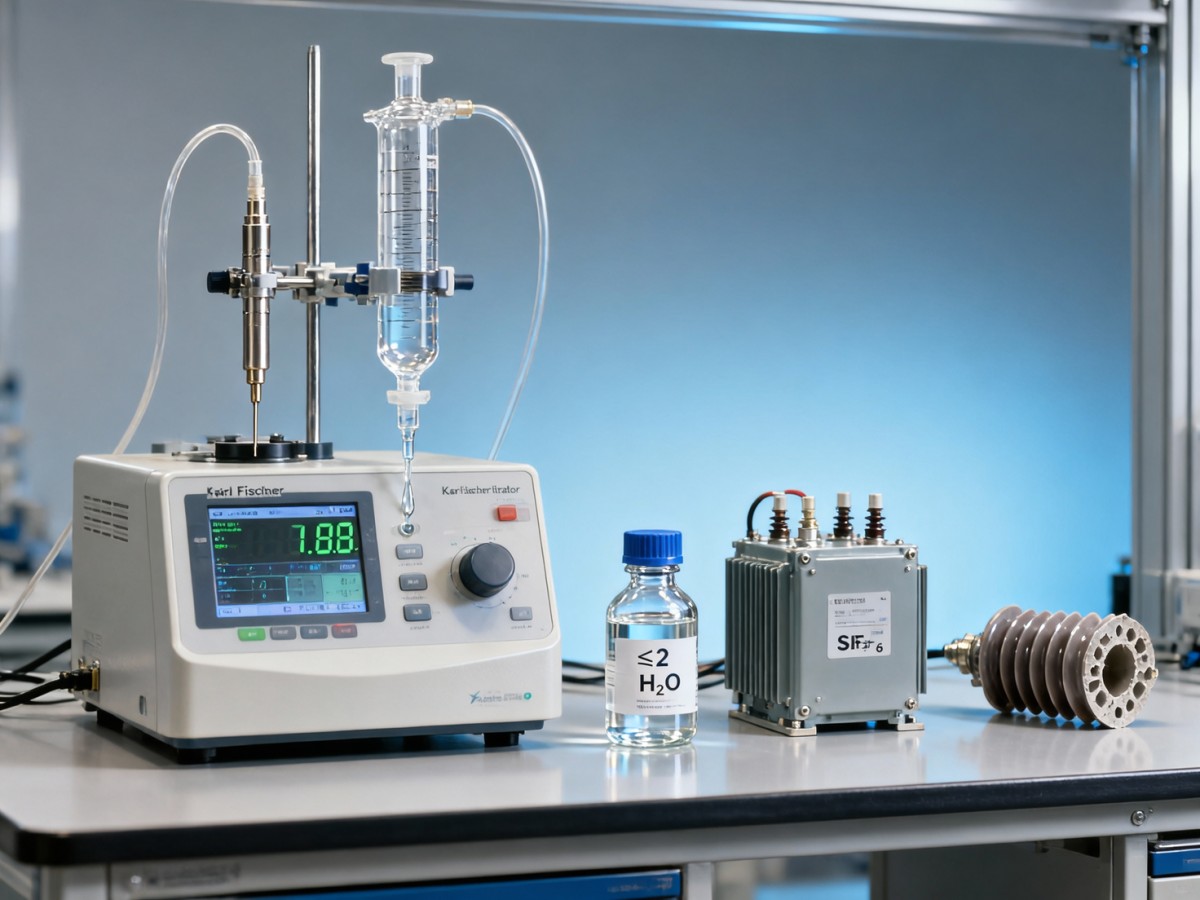
The 2026 reformulation replaced iodine-stabilized pyridine-based solvents with low-viscosity methanol–imidazole blends to improve reaction kinetics. While achieving 18% faster endpoint detection (from 120 s to 98 s avg.), the new formulation exhibits accelerated hydrolysis: shelf life at 25°C dropped from 18 months (batch 2025.12) to 4.2–5.7 months (batches 2026.01–2026.06), per manufacturer stability reports verified by GIC’s metrology panel.
Critical performance shifts include:
This table confirms that post-reformulation reagents require recalibration every 3–4 uses—not every 12–15 uses as previously standard. For labs performing 45+ KF tests/week, this increases certified reference material (CRM) consumption by 210% annually, raising operational costs by $8,200–$14,600 per analyzer.
Procurement Decision Framework for Power Sector Buyers
Electrical equipment manufacturers and grid operators must now evaluate KF reagents through three interlocking criteria: metrological validity, supply chain resilience, and audit readiness. GIC’s procurement panel recommends prioritizing vendors who provide:
- Lot-specific stability certificates validated against ISO/IEC 17025 accredited labs
- Traceable CRM integration (NIST SRM 2820 or equivalent) with documented uncertainty budgets
- Batch-level shelf-life mapping aligned to IEC 61000–4–30 Class A power quality analyzer deployment schedules
Procurement timelines must now include buffer windows: minimum 90-day lead time for reagent ordering, plus 14-day in-house validation period before field deployment. Delaying validation until installation causes 100% non-compliance risk during third-party FAT audits.
5 Critical Checks Before Approving Any KF Reagent Order
- Verify batch manufacturing date falls within 60 days of shipment (not invoice date)
- Confirm packaging includes dual-barrier seals meeting IEC 60068–2–30 humidity cycling specs
- Require COA showing water equivalence test results at T₀, T₃₀, and T₆₀ days post-manufacture
- Validate compatibility with your existing titrator model (e.g., Metrohm 852, Mettler Toledo DL36)
- Ensure documentation supports ISO 9001:2015 Clause 8.5.2 preservation controls
Why Partner with Global Industrial Core for Measurement Assurance
Global Industrial Core provides actionable, standards-aligned intelligence—not generic guidance—for electrical infrastructure stakeholders. Our KF reagent stability intelligence integrates:
- Real-time batch-level stability tracking across 12 global suppliers, updated weekly
- Customizable reagent lifecycle dashboards synced with your CMMS (Maximo, SAP PM)
- UL-certified calibration protocols for load cell–based moisture analyzers used in HV capacitor banks
- Pre-audit gap analysis against IEC 61850–10 cybersecurity requirements for connected titrators
Contact our Instruments & Measurement team to request:
- Batch-specific stability forecast for your next procurement cycle
- Technical alignment review between your KF system and IEC 60422 Ed. 4 transformer oil specifications
- Sample validation kits with pre-tested CRM and audit-ready documentation packages
Technical Specifications
- Air Handling Unit Supplier Checklist: Performance Data, Lead Times, and SupportAuthor :Environmental Engineering Director
- Buying Fiberglass Water Tanks Wholesale: Compare Quotes and Delivery CostsAuthor :Environmental Engineering Director
- Choosing an XLPE Power Cable Supplier: Test Reports, Traceability, and Lead TimesAuthor :Grid Infrastructure Analyst
Expert Insights

Chief Security Architect
Dr. Thorne specializes in the intersection of structural engineering and digital resilience. He has advised three G7 governments on industrial infrastructure security.
Related Analysis
- Oct 19, 2026Air Handling Unit Supplier Checklist: Performance Data, Lead Times, and SupportAuthor :Environmental Engineering Director
- Oct 18, 2026Buying Fiberglass Water Tanks Wholesale: Compare Quotes and Delivery CostsAuthor :Environmental Engineering Director
- Oct 17, 2026Choosing an XLPE Power Cable Supplier: Test Reports, Traceability, and Lead TimesAuthor :Grid Infrastructure Analyst
Core Sector // 01
Security & Safety
- Choosing a 5-Part Hematology Analyzer: Throughput, Sample Volume, and QCAuthor :Precision Metrology Expert

- Wholesale Borosilicate Lab Glassware: How Buyers Verify Quality, Specs, and Supply ReliabilityAuthor :Precision Metrology Expert

- How to Select Lab Instruments for Reliable Chemical Analysis WorkflowsAuthor :Precision Metrology Expert

- Buying Lint-Free Wipes in Bulk: How to Match Material and Packaging to Cleanroom UseAuthor :Precision Metrology Expert

- How to Choose a Class II Biosafety Cabinet Supplier for Compliant Lab ProcurementAuthor :Precision Metrology Expert

- Wholesale Binocular Microscopes: Comparing Specifications, MOQs, and QC RiskAuthor :Precision Metrology Expert

- How to Evaluate a UV-Visible Spectrophotometer Manufacturer for Lab Accuracy?Author :Precision Metrology Expert

- China Temporarily Bans Helium ExportsAuthor :Precision Metrology Expert