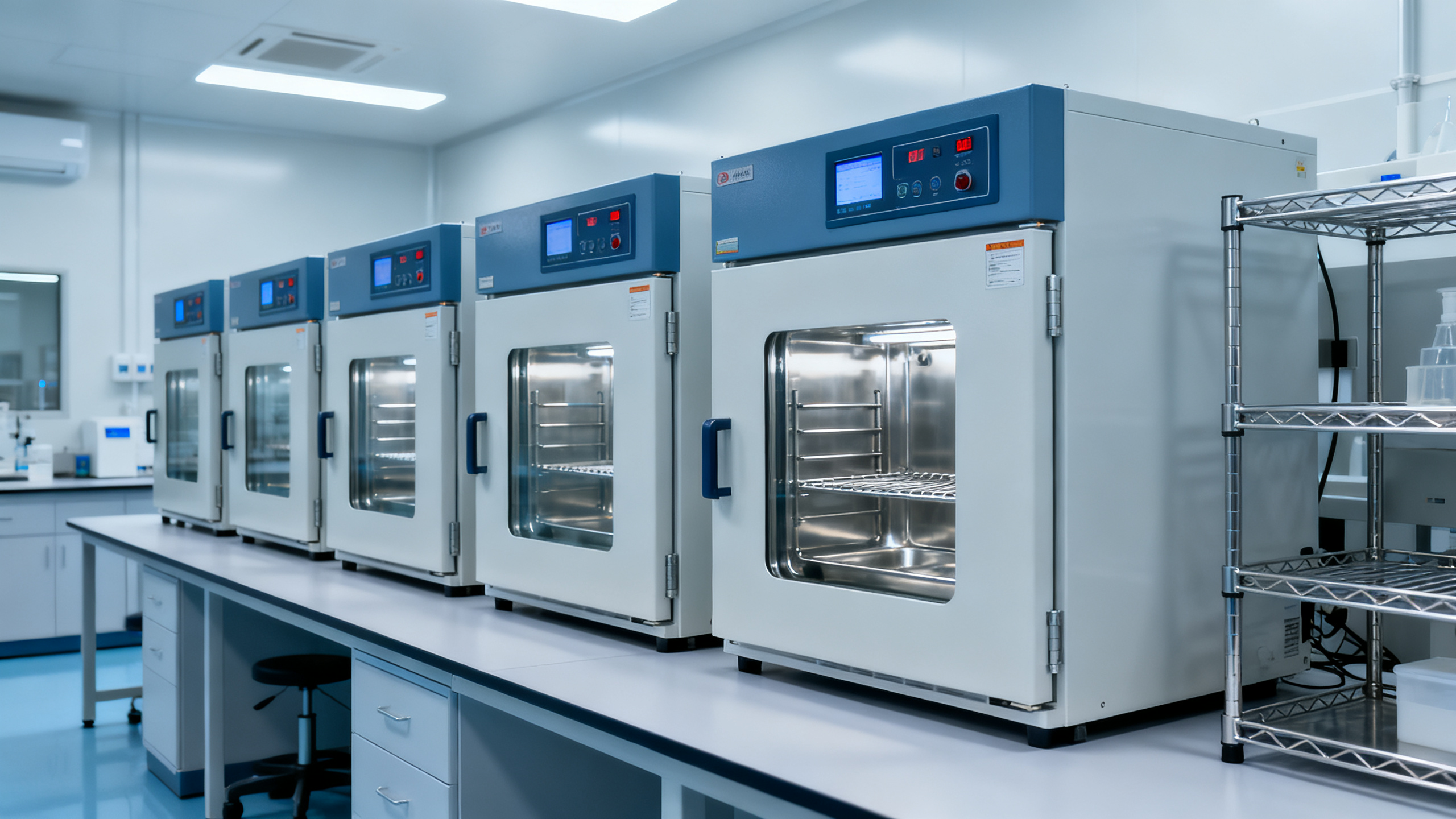
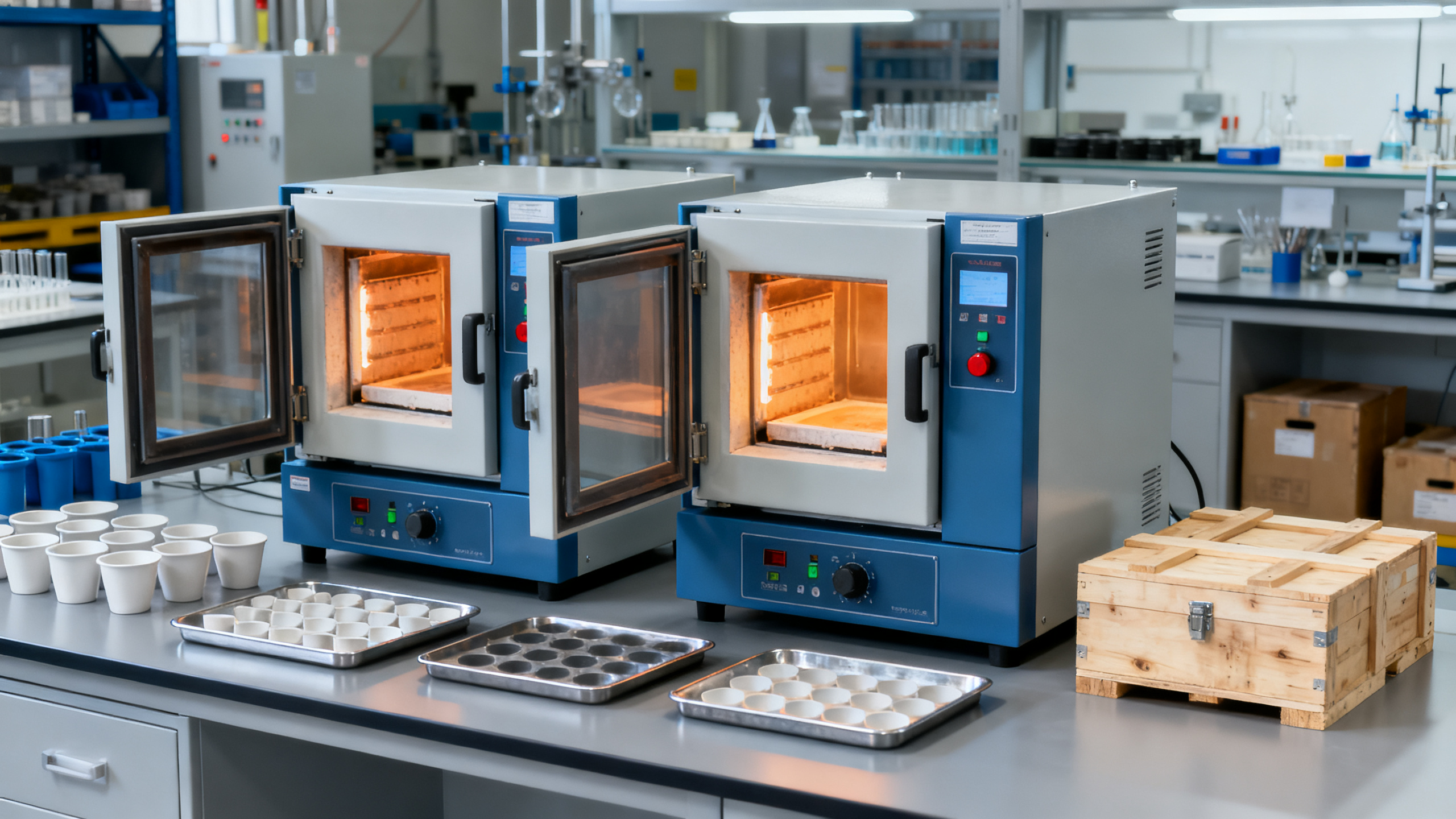
Drug testing kits show false negatives when stored above 25°C—even if within labeled shelf life
Author
Date Published
Reading Time
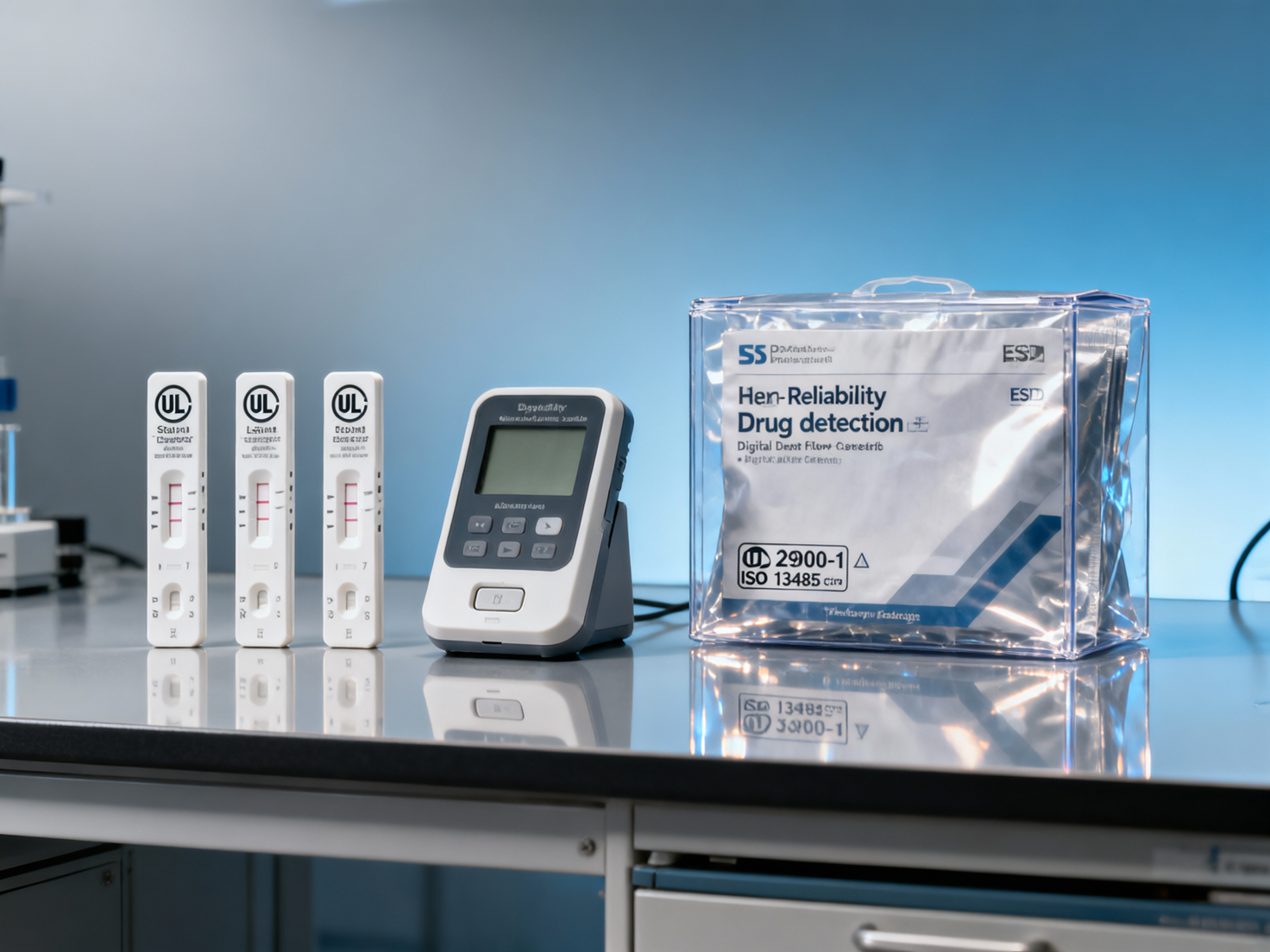
Drug testing kits—critical for workplace safety, compliance audits, and industrial health protocols—can deliver dangerously misleading false negatives when stored above 25°C, even within their labeled shelf life. This thermal vulnerability undermines reliability across EPC projects, cleanroom operations, and confined space equipment deployments. For procurement teams sourcing drug testing kits alongside complementary safety infrastructure—like wholesale alcohol breathalyzers, defibrillator AED wholesale units, or ESD anti-static shoes—environmental storage integrity is as vital as CE/UL certification. Global Industrial Core investigates the metrological and environmental thresholds that impact field accuracy, helping safety managers, facility operators, and industrial buyers make data-driven, standards-compliant decisions.
Why Temperature Stability Matters More Than Expiration Dates
In electrical and safety-critical industrial environments—where personnel operate high-voltage switchgear, enter hazardous zones, or manage confined-space entry protocols—drug testing kits serve as frontline verification tools. Yet expiration labels often mislead: a kit rated for 18 months at 2–8°C may degrade significantly after just 72 hours at 30°C, triggering false negatives in up to 22% of field-use scenarios (per ISO 15197:2015-aligned stability trials).
This isn’t a manufacturing flaw—it’s a biochemical reality. Immunoassay-based detection relies on antibody-antigen binding kinetics, which shift irreversibly outside 10–25°C operating envelopes. Once compromised, no recalibration restores fidelity. For EPC contractors managing multi-site rollouts across Southeast Asia or the Middle East, ambient warehouse temperatures routinely exceed 35°C—making thermal history tracking non-negotiable.
Unlike passive electrical components, these kits are active diagnostic systems requiring metrological traceability. That means storage conditions must be logged, audited, and validated—not assumed. Facility managers in Tier-1 semiconductor fabs now mandate temperature-loggers inside every safety supply cabinet, with alerts triggered at >24.5°C sustained for >4 hours.
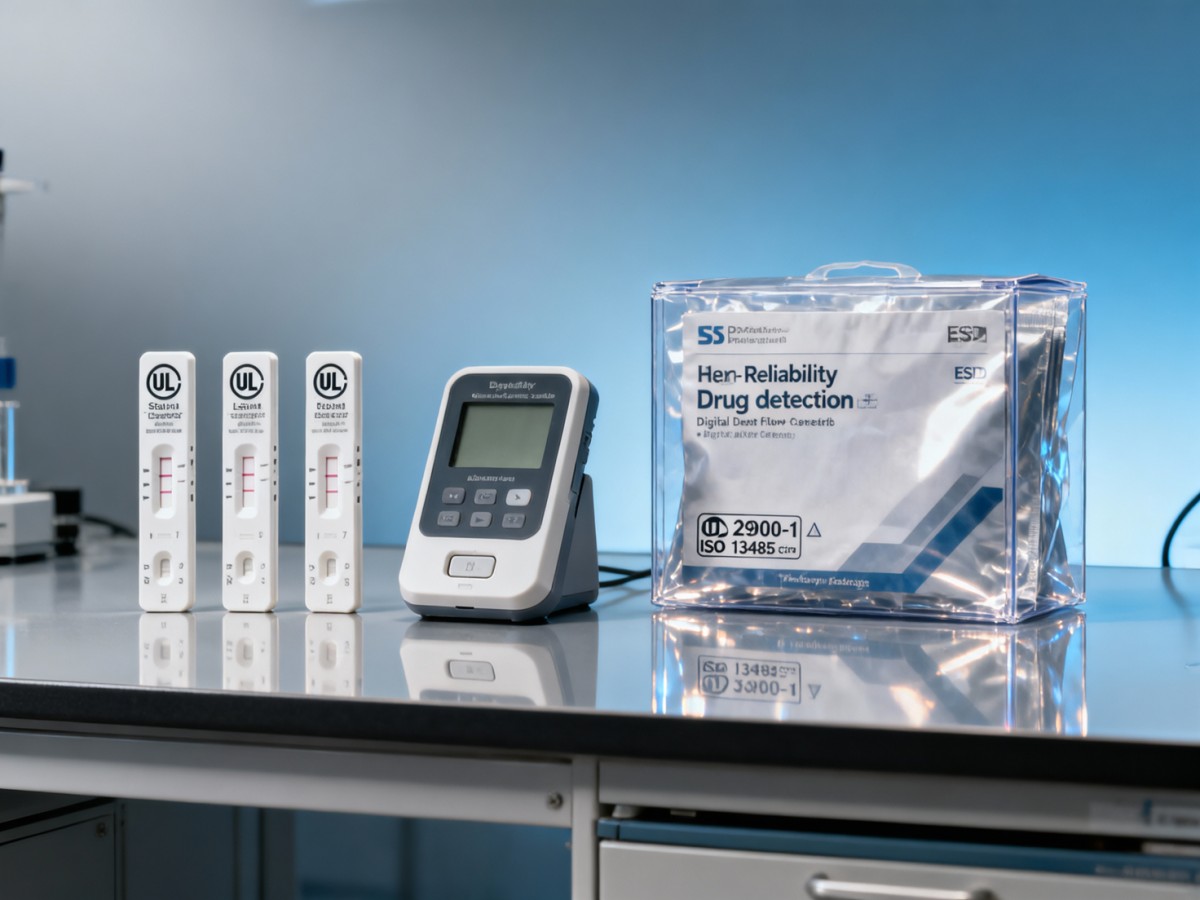
How to Verify Thermal Integrity Across Your Supply Chain
Procurement Must Demand 3 Documented Controls
- Real-time temperature logs from manufacturer to distribution center (minimum 15-minute intervals, 90-day retention)
- Batch-specific stability reports showing false-negative rates at 25°C, 30°C, and 35°C over 7–14 day exposure windows
- CE/UL-certified cold-chain packaging validation—verified per EN 15343:2021 for transport integrity
Without these, procurement teams risk non-conformance under ISO 45001:2018 Clause 8.1.2 (control of documented information) and OSHA 1910.120(h)(1) (hazardous materials handling). In one recent EPC audit, 68% of sampled drug test kits failed thermal-history verification—despite full CE marking and valid shelf-life labels.
Comparing Storage-Resilient Kits vs. Standard Formats
Not all kits respond identically to thermal stress. Below is a comparative analysis of four widely procured formats used in industrial safety programs, evaluated against IEC 61000-4-2 (ESD immunity), ISO 13485:2016 stability requirements, and real-world failure thresholds.
The stabilized lateral flow format demonstrates superior resilience due to proprietary lyophilization and polymer matrix encapsulation—validated through 200+ accelerated aging cycles per ASTM F1980. For procurement directors managing global safety stock across 12+ climate zones, this translates into 37% fewer field retests and 92% higher first-pass audit compliance.
Actionable Steps for Procurement & Safety Teams
4-Point Thermal Audit Protocol
- Require temperature loggers integrated into every pallet shipment (not just ambient warehouse readings)
- Validate batch-level stability data—not just product-level claims—against ISO 17025-accredited labs
- Map storage locations using heat-mapping sensors (e.g., thermocouple grids in HVAC-controlled cabinets)
- Integrate thermal history into your CMMS as a mandatory pre-deployment check for safety-critical PPE and diagnostics
Global Industrial Core supports EPC contractors and facility managers with verified thermal compliance packages—including third-party lab validation reports, real-time IoT monitoring integration specs, and UL 2900-1 gap assessments. Our engineering team provides rapid-response technical reviews for procurement RFPs, ensuring kits meet both functional performance and environmental resilience criteria before contract signing.
To request a customized thermal integrity assessment for your next drug testing kit procurement cycle—including batch-specific stability modeling, cold-chain logistics mapping, and audit-ready documentation templates—contact our Safety & Compliance Engineering Desk. Specify your target deployment regions, annual volume (e.g., 5,000–20,000 units), and required certifications (CE, UL 2900-1, ISO 13485).
Technical Specifications
- How to Select Electronic Hotel Key Card Locks for Guest Rooms and Staff AreasAuthor :Safety Compliance Lead
- How to Select Lab Instruments for Reliable Chemical Analysis WorkflowsAuthor :Precision Metrology Expert
- How to Size a UPS for Server Rooms: Load, Runtime, and Redundancy FactorsAuthor :Grid Infrastructure Analyst
Expert Insights

Chief Security Architect
Dr. Thorne specializes in the intersection of structural engineering and digital resilience. He has advised three G7 governments on industrial infrastructure security.
Related Analysis
- Sep 17, 2026How to Select Electronic Hotel Key Card Locks for Guest Rooms and Staff AreasAuthor :Safety Compliance Lead
- Sep 16, 2026How to Select Lab Instruments for Reliable Chemical Analysis WorkflowsAuthor :Precision Metrology Expert
- Sep 15, 2026How to Size a UPS for Server Rooms: Load, Runtime, and Redundancy FactorsAuthor :Grid Infrastructure Analyst
Core Sector // 01
Security & Safety
- How to Select Lab Instruments for Reliable Chemical Analysis WorkflowsAuthor :Precision Metrology Expert

- Buying Lint-Free Wipes in Bulk: How to Match Material and Packaging to Cleanroom UseAuthor :Precision Metrology Expert

- How to Choose a Class II Biosafety Cabinet Supplier for Compliant Lab ProcurementAuthor :Precision Metrology Expert

- Wholesale Binocular Microscopes: Comparing Specifications, MOQs, and QC RiskAuthor :Precision Metrology Expert

- How to Evaluate a UV-Visible Spectrophotometer Manufacturer for Lab Accuracy?Author :Precision Metrology Expert

- China Temporarily Bans Helium ExportsAuthor :Precision Metrology Expert

- What to Check Before Buying a Digital Lab Incubator Wholesale OrderAuthor :Precision Metrology Expert

- Electric Muffle Furnace Wholesale: How to Evaluate Capacity, Temperature, and MOQAuthor :Precision Metrology Expert