2026 DIA Drug Info Conference Closes in Shanghai
Author
Date Published
Reading Time
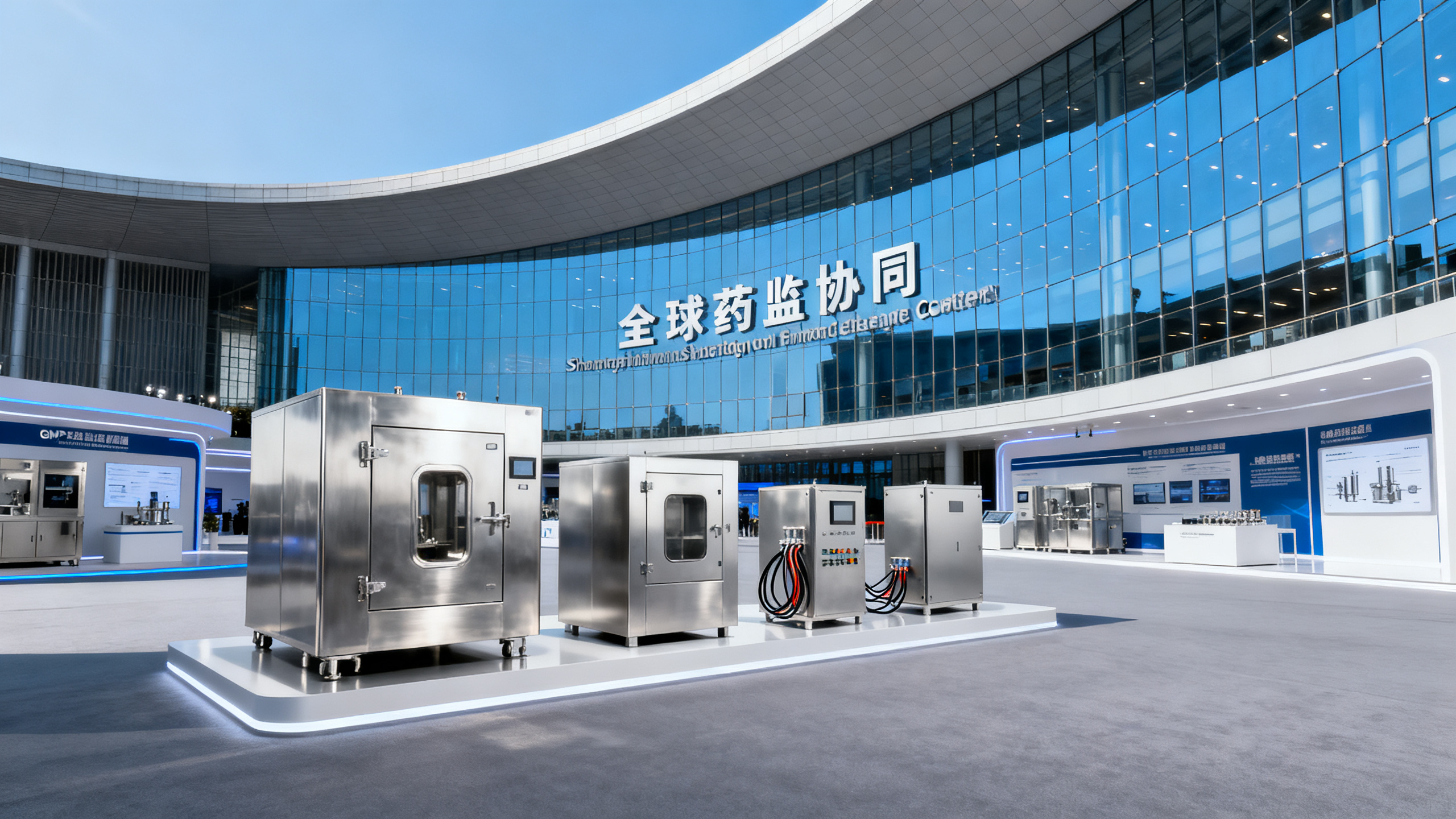
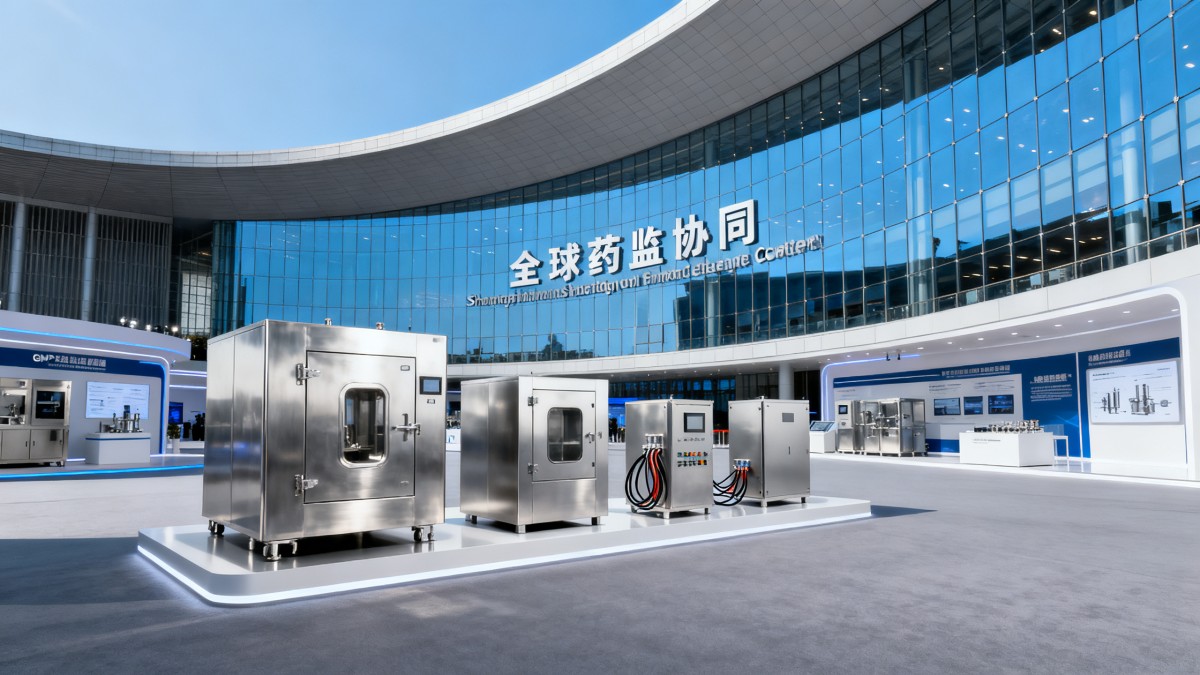
The 2026 DIA Drug Information Conference concluded in Shanghai on May 16, 2026, with regulatory representatives from 12 national drug authorities participating. The event marked a significant step toward harmonizing international standards for innovative drug development and commercialization — particularly accelerating alignment between China’s regulatory framework and major global markets. This convergence is expected to reshape operational requirements and market access pathways across multiple segments of the pharmaceutical industrial equipment supply chain.
Event Overview
The 2026 DIA Drug Information Conference ended in Shanghai, with active participation from regulatory agencies of 12 countries. Discussions centered on clinical trial protocol mutual recognition, quality dossier submission formats, and acceptance criteria for real-world evidence. No formal agreements or binding timelines were announced; all outcomes reflect ongoing multilateral dialogue and technical coordination.
Industries Affected
Direct Trade Enterprises: Export-oriented manufacturers of GMP-compliant analytical instruments, stability testing chambers, and cleanroom power distribution systems face reduced regulatory friction when entering key markets. Harmonized expectations on documentation, validation protocols, and audit readiness may shorten time-to-market — though actual certification timelines remain dependent on individual agency implementation speed.
Raw Material Procurement Enterprises: Suppliers of critical components — such as temperature-controlled chamber sensors, electromagnetic shielding cables, or certified-grade wiring insulation — may see increased demand for traceability documentation aligned with ICH and PIC/S-aligned quality management systems. However, no new material specifications were introduced at the conference; current procurement standards remain unchanged pending follow-up guidance.
Contract Manufacturing & Equipment Integration Firms: Companies assembling turnkey GMP-compliant lab systems or cleanroom infrastructure must now anticipate more consistent — but not yet identical — regulatory expectations across jurisdictions. This could simplify design-for-compliance workflows, especially where modular subsystems (e.g., environmental monitoring modules) are reused across geographies. Yet integration firms still bear responsibility for local validation and site-specific commissioning.
Supply Chain Service Providers: Regulatory consulting, certification support, and technical translation services focused on pharmaceutical equipment are likely to experience higher inquiry volume around cross-border dossier preparation and audit readiness. Demand may shift toward professionals fluent in both ICH Q5/Q7 and China’s NMPA Technical Guidance on GMP Equipment Qualification — though no new service mandates emerged from the event itself.
Key Focus Areas and Recommended Actions
Monitor National Implementation Timelines
While multilateral alignment was emphasized, each participating regulator retains authority over adoption pace and scope. Companies should track official updates from the U.S. FDA, EMA, Japan’s PMDA, and China’s NMPA — particularly any draft guidance issued post-conference on real-world data use in device qualification or stability protocol equivalence.
Review Existing Validation Documentation Against Emerging Common Benchmarks
Early indicators suggest convergence around ICH E8(R2) principles for clinical relevance and ISO 14644-1/2 for cleanroom system performance. Firms should assess whether current IQ/OQ/PQ reports include sufficient traceability to these references — not as a compliance requirement yet, but as a strategic readiness measure.
Engage Early with Local Regulatory Liaisons
Several participating agencies signaled openness to pre-submission consultations on equipment-related dossiers. Direct engagement — especially for novel or digitally enabled systems (e.g., AI-augmented stability chambers) — may help clarify interpretation gaps before formal submission.
Editorial Perspective / Industry Observation
Observably, this conference signals less a sudden policy shift than a maturing of collaborative infrastructure among regulators — one that prioritizes pragmatic interoperability over full standardization. Analysis shows that the emphasis on ‘clinical protocol mutual recognition’ and ‘real-world data acceptance’ reflects growing confidence in shared methodological foundations, rather than top-down harmonization. From an industry standpoint, the most tangible near-term impact lies not in rule changes, but in reduced ambiguity during cross-border technical dialogue — particularly for equipment vendors navigating dual or triple regulatory pathways.
Conclusion
The 2026 DIA Conference does not introduce new binding rules, but it consolidates momentum toward predictable, interoperable regulatory expectations for pharmaceutical industrial equipment. For global suppliers, this represents a structural opportunity — not an immediate mandate — to streamline compliance investments and prioritize scalable validation approaches. A rational interpretation is that regulatory alignment is accelerating at the operational level, while statutory frameworks remain nationally sovereign.
Source Attribution
Official statements from the Drug Information Association (DIA), May 2026; public session summaries published by the China National Medical Products Administration (NMPA) on May 16, 2026; verified delegate remarks reported by Regulatory Affairs Professionals Society (RAPS) Daily Briefing, May 17, 2026. Note: Draft technical annexes on stability testing chamber qualification criteria and cleanroom cable fire-safety equivalency are under internal review at multiple agencies — status remains pending further notice.
Technical Specifications
- How to Select Electronic Hotel Key Card Locks for Guest Rooms and Staff AreasAuthor :Safety Compliance Lead
- How to Select Lab Instruments for Reliable Chemical Analysis WorkflowsAuthor :Precision Metrology Expert
- How to Size a UPS for Server Rooms: Load, Runtime, and Redundancy FactorsAuthor :Grid Infrastructure Analyst
Expert Insights

Chief Security Architect
Dr. Thorne specializes in the intersection of structural engineering and digital resilience. He has advised three G7 governments on industrial infrastructure security.
Related Analysis
- Sep 17, 2026How to Select Electronic Hotel Key Card Locks for Guest Rooms and Staff AreasAuthor :Safety Compliance Lead
- Sep 16, 2026How to Select Lab Instruments for Reliable Chemical Analysis WorkflowsAuthor :Precision Metrology Expert
- Sep 15, 2026How to Size a UPS for Server Rooms: Load, Runtime, and Redundancy FactorsAuthor :Grid Infrastructure Analyst
Core Sector // 01
Security & Safety
- How to Select Lab Instruments for Reliable Chemical Analysis WorkflowsAuthor :Precision Metrology Expert

- Buying Lint-Free Wipes in Bulk: How to Match Material and Packaging to Cleanroom UseAuthor :Precision Metrology Expert

- How to Choose a Class II Biosafety Cabinet Supplier for Compliant Lab ProcurementAuthor :Precision Metrology Expert

- Wholesale Binocular Microscopes: Comparing Specifications, MOQs, and QC RiskAuthor :Precision Metrology Expert

- How to Evaluate a UV-Visible Spectrophotometer Manufacturer for Lab Accuracy?Author :Precision Metrology Expert

- China Temporarily Bans Helium ExportsAuthor :Precision Metrology Expert

- What to Check Before Buying a Digital Lab Incubator Wholesale OrderAuthor :Precision Metrology Expert

- Electric Muffle Furnace Wholesale: How to Evaluate Capacity, Temperature, and MOQAuthor :Precision Metrology Expert