Why environment & ecology exporters face stricter checks
Author
Date Published
Reading Time
For any Environment & Ecology exporter, today’s cross-border market is defined by tighter compliance, deeper due diligence, and rising scrutiny from buyers and regulators alike. For business evaluators, understanding why these stricter checks are happening is essential to assessing supplier credibility, export readiness, and long-term risk in a sector where safety, sustainability, and certification directly shape commercial viability.
Why is every Environment & Ecology exporter facing more scrutiny now?
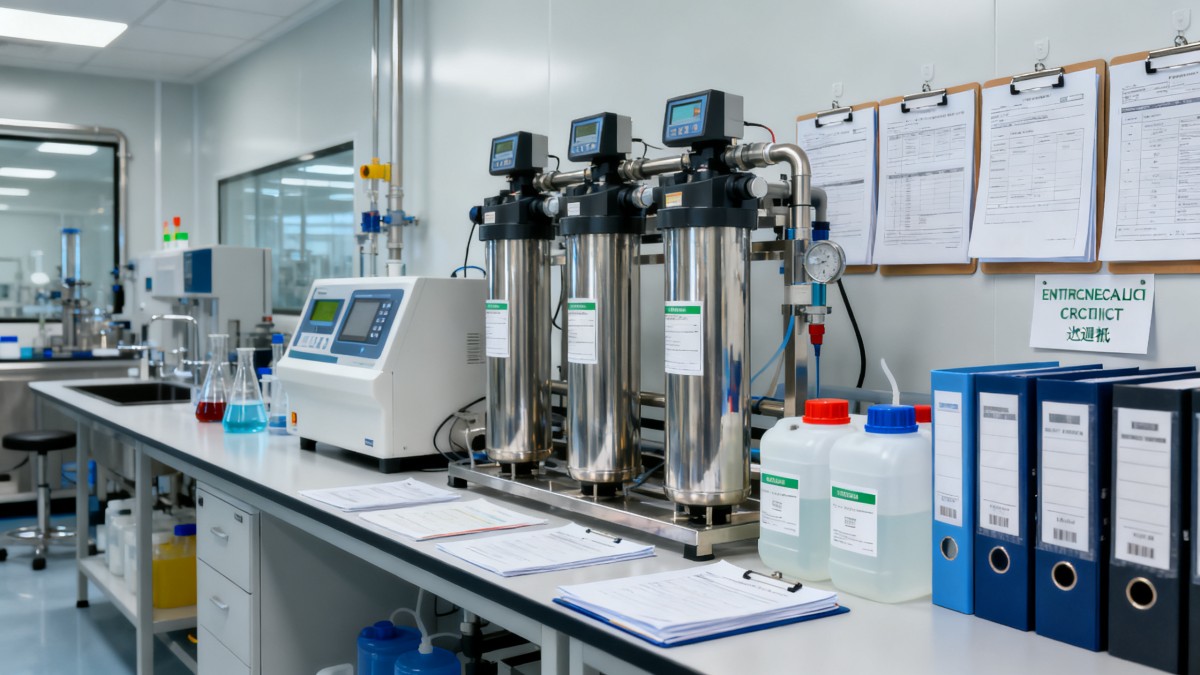
The short answer is risk concentration. Environmental products now sit at the intersection of safety, public policy, trade control, and ESG accountability.
An Environment & Ecology exporter may ship filtration systems, monitoring instruments, waste handling solutions, treatment chemicals, or ecological protection components.
These items influence air quality, water discharge, hazardous exposure, and operational compliance. A single defect can trigger regulatory penalties, shutdowns, or reputational damage.
Governments have also tightened import screening after supply chain disruptions, greenwashing concerns, and rising geopolitical sensitivity around industrial technology.
As a result, buyers no longer evaluate only price and lead time. They verify technical files, factory systems, traceability, and conformity to destination-market rules.
For an Environment & Ecology exporter, stricter checks are not random barriers. They reflect a broader shift toward measurable proof, lifecycle accountability, and documented performance.
- More product safety regulation across regions
- Expanded carbon and sustainability disclosure expectations
- Higher liability for false claims or weak certifications
- Greater demand for stable, auditable supply chains
What exactly are regulators and buyers checking?
Checks usually extend far beyond customs paperwork. A serious review covers compliance status, production capability, product consistency, and supporting evidence.
1. Product conformity and technical scope
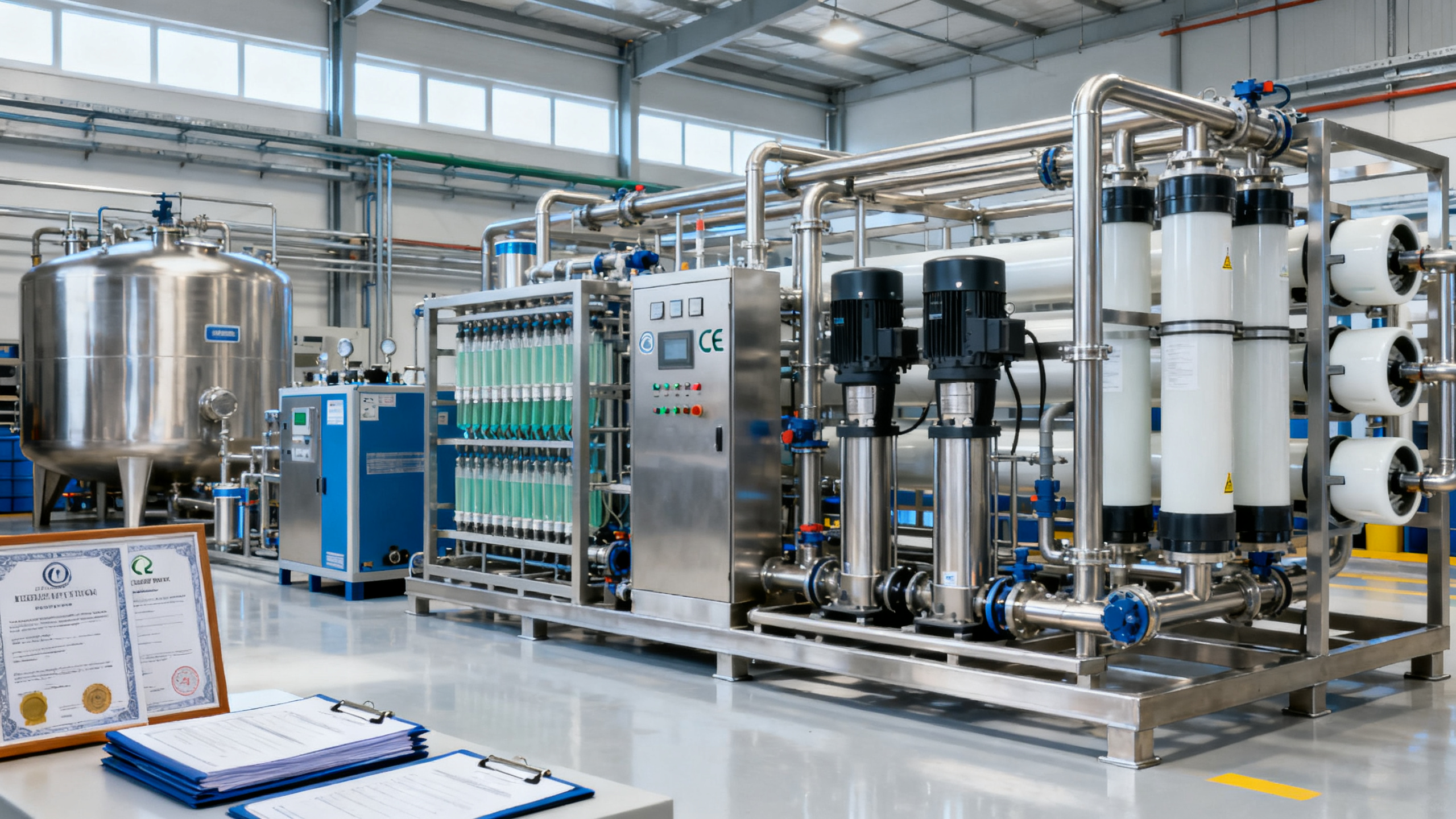
Authorities examine whether the product matches its declared category, function, and applicable standards such as CE, RoHS, REACH, ISO, or local environmental rules.
If an Environment & Ecology exporter misclassifies a product, even unintentionally, the shipment may face detention, retesting, or rejection.
2. Certification validity
Buyers increasingly verify certificate issuers, report dates, testing methods, and scope limitations. Expired or irrelevant reports are common red flags.
3. Traceability and source control
Material origin matters more than before. Components, membranes, sensors, coatings, and treatment media may require lot traceability and supplier qualification records.
4. Performance claims
Removal rate, energy efficiency, treatment capacity, and service life must be supported by test data. Unsupported claims quickly damage exporter credibility.
5. Factory and quality systems
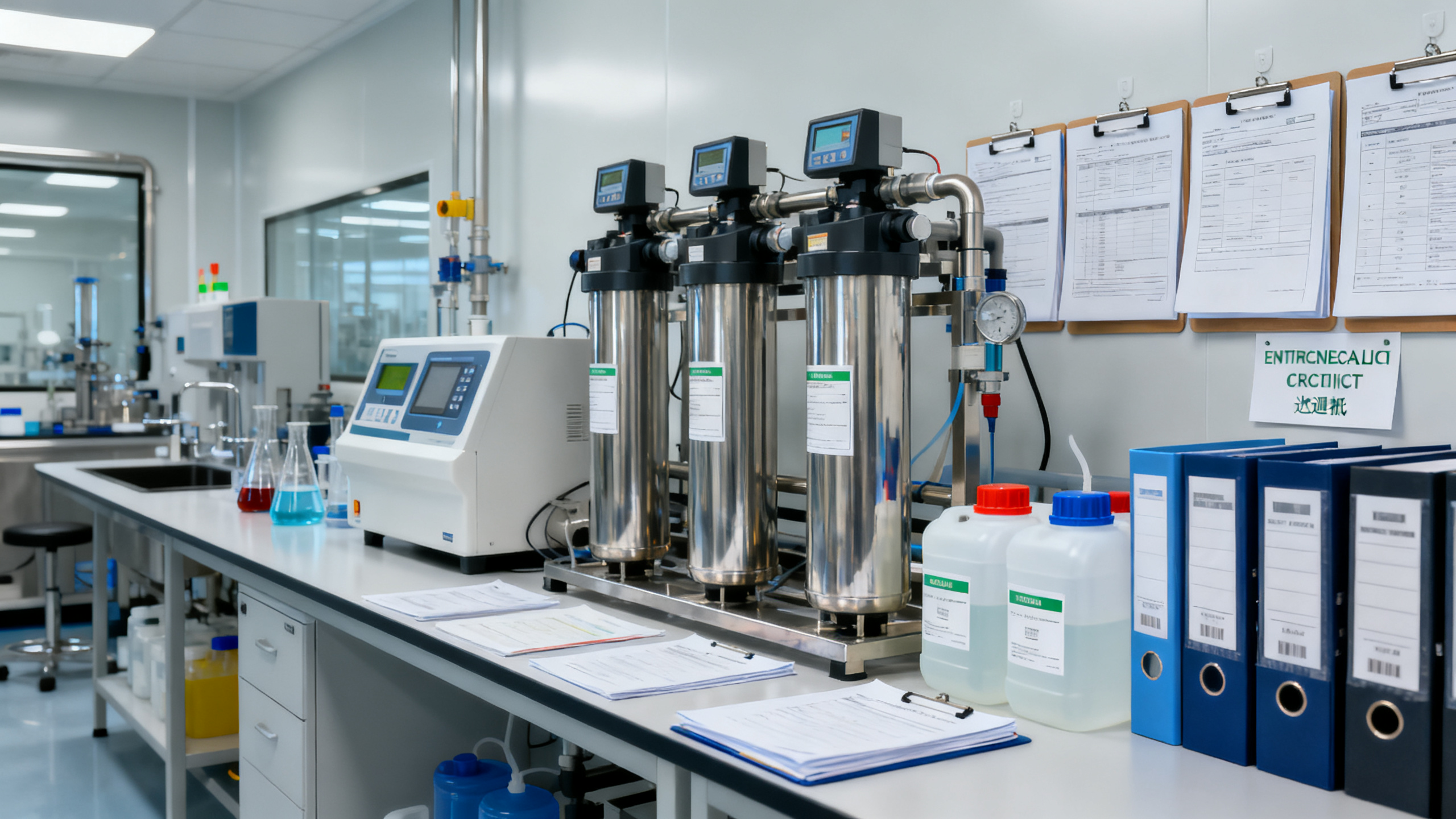
The Environment & Ecology exporter is often reviewed at system level. Auditors want to see process controls, calibration routines, CAPA records, and document management.
Why do checks hit the Environment & Ecology exporter segment harder than many others?
This segment carries a unique burden. It sells solutions that are supposed to reduce risk, not create new risk.
If a mechanical part fails, replacement may solve the issue. If a water treatment unit underperforms, contamination, fines, and health exposure may follow.
That is why an Environment & Ecology exporter is judged not only as a seller, but as a compliance partner.
Environmental goods also face heavy claim sensitivity. Terms like eco-friendly, low-emission, recyclable, and sustainable now trigger requests for measurable evidence.
Cross-border projects add another layer. The same product may need different labeling, electrical safety adaptation, emissions documentation, or waste classification in each market.
Industrial buyers increasingly align environmental sourcing with insurance, investor pressure, and internal ESG reporting. Weak documentation creates commercial friction.
Which warning signs suggest an Environment & Ecology exporter may fail stricter checks?
Several warning signs appear early. Most are visible before a site visit or final order stage.
- Certificates without clear issuing body or verification path
- Technical data sheets that conflict with test reports
- No version control on manuals, labels, or declarations
- Inability to explain applicable standards by target market
- Broad sustainability claims with no measured indicators
- Unclear subcontracting or hidden production steps
A capable Environment & Ecology exporter should answer compliance questions with documents, not marketing language.
Response speed also matters. Slow, fragmented replies often signal weak internal control, especially when technical and commercial statements do not align.
Another frequent issue is overreliance on generic certifications. A factory ISO certificate does not automatically validate every exported product.
How should stricter checks be evaluated in real sourcing or review scenarios?
The best approach is layered verification. Start with basic legitimacy, then test technical depth, then review operational resilience.
Step 1: Validate legal and commercial identity
Confirm registration, export history, beneficial ownership signals, and consistency across contracts, certificates, and banking details.
Step 2: Review product-specific evidence
Check whether the Environment & Ecology exporter can map each product to standards, test reports, operating conditions, and limitations.
Step 3: Examine manufacturing discipline
Look for incoming inspection records, calibrated instruments, batch tracking, process checkpoints, and corrective action history.
Step 4: Compare claims against field reality
Ask for case references, commissioning data, maintenance records, or third-party validation under comparable industrial conditions.
Step 5: Assess continuity risk
A strong Environment & Ecology exporter should show stable key suppliers, spare parts planning, and change management procedures.
Do stricter checks only increase cost, or can they improve export value?
They do both. In the short term, checks add testing, documentation, audit preparation, and compliance maintenance costs.
However, the long-term value can be substantial. A verified Environment & Ecology exporter usually gains faster approval, fewer disputes, and stronger pricing power.
Better compliance also reduces hidden costs, such as port delays, relabeling, field failures, warranty claims, and emergency redesign.
In many projects, documentation quality influences trust before physical inspection ever begins. Clean records often shorten the path to qualification.
This is especially true in heavy industry, utilities, infrastructure retrofits, and regulated environmental upgrades where technical assurance has direct financial value.
FAQ: What should be checked first when reviewing an Environment & Ecology exporter?
Stricter checks are becoming the normal operating environment for every Environment & Ecology exporter. They are driven by legal exposure, technical complexity, and rising demand for trustworthy environmental claims.
The practical response is not more promotional language. It is better evidence, tighter process control, clearer product mapping, and stronger traceability.
A credible Environment & Ecology exporter stands out by proving compliance before questions become disputes. That discipline supports market access, lowers risk, and improves long-term commercial resilience.
For deeper evaluation, build a review checklist covering certification scope, test validity, source traceability, factory controls, and claim substantiation. That next step turns stricter checks into a clearer decision framework.
Technical Specifications
- How to Select Electronic Hotel Key Card Locks for Guest Rooms and Staff AreasAuthor :Safety Compliance Lead
- How to Select Lab Instruments for Reliable Chemical Analysis WorkflowsAuthor :Precision Metrology Expert
- How to Size a UPS for Server Rooms: Load, Runtime, and Redundancy FactorsAuthor :Grid Infrastructure Analyst
Expert Insights

Chief Security Architect
Dr. Thorne specializes in the intersection of structural engineering and digital resilience. He has advised three G7 governments on industrial infrastructure security.
Related Analysis
- Sep 17, 2026How to Select Electronic Hotel Key Card Locks for Guest Rooms and Staff AreasAuthor :Safety Compliance Lead
- Sep 16, 2026How to Select Lab Instruments for Reliable Chemical Analysis WorkflowsAuthor :Precision Metrology Expert
- Sep 15, 2026How to Size a UPS for Server Rooms: Load, Runtime, and Redundancy FactorsAuthor :Grid Infrastructure Analyst
Core Sector // 01
Security & Safety
- How to Size a Wafer Butterfly Valve for HVAC Chilled-Water and Heating LoopsAuthor :Environmental Engineering Director

- How Pressure Class and Joint Design Affect Long-Term Performance of Ductile Iron Pipes in Drainage InfrastructureAuthor :Environmental Engineering Director

- How Ductile Iron Pipe Joints Affect Installation Reliability and Leak ControlAuthor :Environmental Engineering Director

- How to Size Effluent Treatment Equipment for Variable Industrial Wastewater LoadsAuthor :Environmental Engineering Director

- US Battery Push Raises New Entry Rules for SuppliersAuthor :Environmental Engineering Director

- EU EMC Rule Tightens for Water Treatment ExportsAuthor :Environmental Engineering Director

- EU REACH Restriction Targets PFAS Water Treatment ImportsAuthor :Environmental Engineering Director

- EU Mandates EN 14113:2026 for Water Treatment ExportsAuthor :Environmental Engineering Director