Water Quality Online Analyzer Selection: Key Parameters for Treatment Plants
Author
Date Published
Reading Time
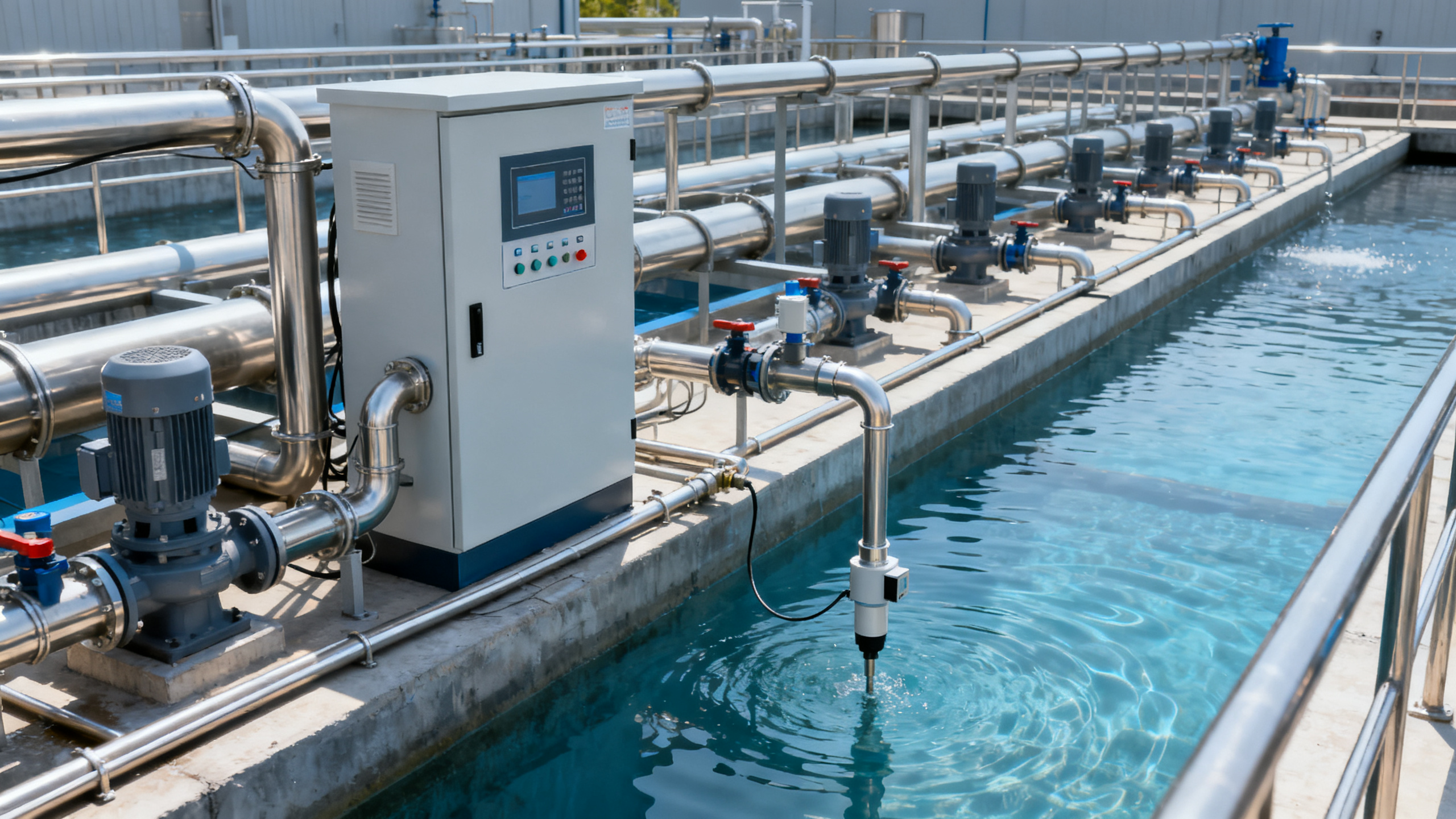
Selecting the right water quality online analyzer is a critical decision for treatment plants seeking stable compliance, process efficiency, and reliable real-time monitoring. For technical evaluators, the challenge is not only comparing measurement ranges or sensor types, but also verifying accuracy, maintenance needs, integration capability, and long-term performance under demanding operating conditions. This guide outlines the key parameters that should drive analyzer selection, helping engineering and procurement teams make defensible decisions that support regulatory confidence and operational resilience.
Why Treatment Plants Need a Water Quality Online Analyzer Decision Framework
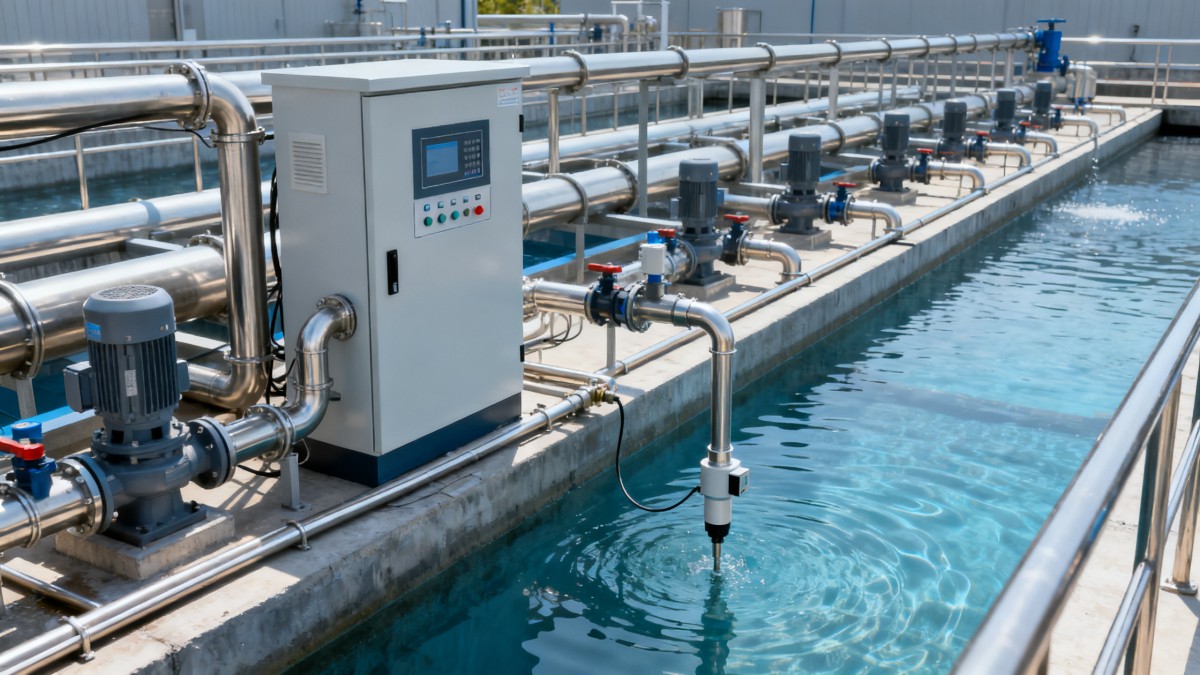
A water quality online analyzer is not just a monitoring instrument. It becomes part of the control logic, compliance evidence, and operational risk management system of a treatment plant.
For municipal wastewater, industrial effluent, drinking water, desalination, cooling water, and process reuse, delayed laboratory data often arrives too late for corrective action.
Technical evaluators usually face three constraints at once: limited capital budget, strict discharge permits, and complex water matrices that change with season, production load, or upstream incidents.
What the analyzer must prove before purchase
- It must measure the target parameter reliably under the actual sample conditions, not only under clean laboratory calibration conditions.
- It must support the control objective, such as aeration optimization, chemical dosing, membrane protection, or permit reporting.
- It must integrate with PLC, SCADA, DCS, or data platforms without creating hidden engineering work for the plant team.
- It must have a maintenance burden that matches available technician skills, spare parts logistics, and site access conditions.
Global Industrial Core evaluates these questions across instrumentation, environment, power, safety, and mechanical reliability, which is essential when a water quality online analyzer sits inside a larger industrial infrastructure system.
Which Parameters Matter Most for Online Water Monitoring?
The best water quality online analyzer depends on what the plant must control. A wastewater facility rarely needs the same priority list as a boiler water system or a potable water intake.
Before comparing vendors, technical evaluators should define the parameter purpose: compliance confirmation, process optimization, early warning, asset protection, or product quality assurance.
The following table summarizes common parameters and how they influence analyzer selection in treatment plant environments.
This comparison shows why a water quality online analyzer should be selected by measurement purpose and water matrix, not by catalog range alone.
For high-consequence sites, evaluators should request application notes, reference installations, and validation procedures that reflect similar temperature, solids, salinity, oil, or chemical exposure.
How to Compare Measurement Technologies Without Overlooking Site Conditions
A water quality online analyzer may use electrochemical, optical, UV absorption, ion-selective, or wet chemical methods. Each technology has strengths and operational limits.
Technical evaluators should not ask which technology is universally better. They should ask which method remains stable under their sample, cleaning interval, and reporting requirements.
Technology trade-offs for treatment plants
Optical analyzers often provide rapid response and low reagent demand, but they can be affected by fouling, bubbles, color, and suspended matter.
Wet chemical analyzers may provide stronger selectivity for nutrients or specific compounds, yet they require reagent handling, waste management, and stable sampling conditions.
Electrochemical sensors are compact and cost-effective for pH, ORP, dissolved oxygen, and conductivity, but electrode aging and calibration discipline are critical.
- For inlet monitoring, prioritize anti-fouling design, rugged sample handling, and alarm reliability during shock loads.
- For biological process control, prioritize response time, data stability, and compatibility with aeration or dosing algorithms.
- For final effluent, prioritize compliance correlation, audit records, calibration traceability, and redundancy for critical parameters.
- For remote or unmanned stations, prioritize automatic cleaning, diagnostics, low reagent consumption, and remote data access.
A credible water quality online analyzer evaluation should include a site-specific interference review. Chloride, iron, manganese, surfactants, oils, biological growth, and high hardness can all change performance.
Procurement Checklist: What Should Technical Evaluators Ask Vendors?
Procurement teams often compare initial purchase price first. For online instrumentation, lifecycle stability matters more than a small difference in quotation value.
The following checklist helps standardize vendor discussions and makes it easier to compare a water quality online analyzer across performance, maintenance, integration, and compliance dimensions.
A structured procurement checklist reduces subjective claims and exposes gaps early. It also gives engineering, operations, and purchasing teams a shared basis for decision-making.
When GIC reviews water quality online analyzer requirements, the focus is not limited to datasheets. The assessment includes compliance implications, installation constraints, spare parts risk, and long-term operational continuity.
Installation and Integration Factors That Affect Long-Term Performance
Even a well-specified water quality online analyzer can underperform if the sampling point, sample conditioning, or communications architecture is poorly designed.
Treatment plants should evaluate the complete measurement loop: sample extraction, filtration, flow control, analyzer response, data transmission, alarm configuration, and maintenance access.
Sampling design is part of the analyzer
A representative sample is essential. Dead zones, air entrainment, sediment accumulation, and delayed flow can distort readings before the analyzer even begins measurement.
For wastewater applications, automatic cleaning and bypass sampling may be necessary. For potable water, hygienic materials and low contamination risk are often more important.
Data integration must support decisions, not only display values
- Define normal, warning, and critical thresholds before commissioning, and align them with permit limits or process response plans.
- Confirm that timestamps, diagnostics, calibration status, and maintenance alarms are transferred to the control or reporting system.
- Separate process alarms from instrument fault alarms so operators do not respond to sensor fouling as if it were a real water quality event.
- Plan cybersecurity and access control for networked analyzers, especially at remote facilities or multi-site industrial operations.
A water quality online analyzer should create actionable data. If operators cannot trust the signal, alarm fatigue and manual workarounds will reduce the value of the system.
Cost, Lifecycle Value, and Alternatives to Consider
The purchase price of a water quality online analyzer is only one part of total cost. Reagents, calibration standards, membranes, electrodes, tubing, pumps, service visits, and downtime must be included.
For budget-limited projects, evaluators should avoid cutting essential sample conditioning or commissioning support. These omissions often create higher corrective costs later.
This table compares common deployment approaches and their practical implications for treatment plants.
Lifecycle value improves when the selected water quality online analyzer reduces chemical overuse, prevents permit excursions, protects membranes, or stabilizes biological treatment.
A lower-cost unit may be justified for non-critical observation points. Critical discharge, safety, and high-value process control points usually require stronger diagnostics and support.
Compliance, Standards, and Documentation Requirements
A water quality online analyzer used in regulated environments must support traceable, auditable decision-making. This does not mean every instrument replaces certified laboratory testing.
Instead, online measurements often provide continuous process evidence, event detection, and operational control, while laboratory methods confirm official values where required.
Documentation technical evaluators should verify
- Calibration records and reference solution traceability, especially for parameters used in compliance-related decisions.
- Electrical safety, electromagnetic compatibility, and enclosure suitability for the installation environment.
- Operation manuals that clearly describe alarm configuration, maintenance intervals, troubleshooting, and data retention.
- Method correlation procedures when online results are compared with recognized laboratory methods.
Common references may include ISO management practices, IEC electrical requirements, CE marking for applicable markets, and local discharge monitoring rules.
Because requirements vary by region and application, evaluators should confirm the exact regulatory role of the water quality online analyzer before tender release.
Common Mistakes When Selecting a Water Quality Online Analyzer
Many project failures are not caused by poor instruments alone. They come from incomplete specifications, underestimated maintenance, and unclear ownership after commissioning.
Mistake 1: Selecting by measurement range only
Range does not guarantee accuracy at the operating point. An analyzer covering 0–1,000 mg/L may still be unsuitable for tight control near 2 mg/L.
Mistake 2: Ignoring fouling and cleaning access
In real treatment plants, grease, biofilm, iron deposits, and solids can dominate performance. Maintenance access should be assessed before installation drawings are finalized.
Mistake 3: Treating online data as automatically compliant
A water quality online analyzer must be validated against the plant’s reporting framework. Continuous data is valuable, but official acceptance depends on local rules.
Mistake 4: Underestimating commissioning time
Stable operation may require sampling adjustments, baseline comparison, alarm tuning, operator training, and several maintenance cycles before final acceptance.
FAQ for Technical Evaluators
How do I choose a water quality online analyzer for wastewater treatment?
Start with the control goal: nutrient removal, discharge compliance, aeration optimization, or industrial load detection. Then match the method to sample solids, fouling risk, and expected concentration range.
Request correlation data with laboratory results if the parameter affects compliance. Also verify cleaning intervals, reagent logistics, and whether technicians can maintain the unit safely.
Is a reagent-free analyzer always better?
Not always. Reagent-free optical or electrochemical systems reduce consumable handling, but they may be more sensitive to fouling, color, bubbles, or matrix interference.
Wet chemical systems may offer better selectivity for certain nutrients or compounds. The better choice depends on required confidence, maintenance capacity, and wastewater variability.
What should be included in a technical specification?
Include parameter range, accuracy definition, response time, sample conditions, cleaning method, outputs, communication protocol, enclosure rating, power supply, calibration method, and acceptance testing criteria.
For critical applications, define spare parts, service response expectations, documentation requirements, and training scope before commercial comparison begins.
How long does implementation usually take?
Timing depends on analyzer complexity, civil work, sampling lines, electrical installation, automation integration, and site acceptance procedures.
Simple sensor installation can be fast, while multi-parameter stations with shelters, reagents, SCADA mapping, and validation may require a longer commissioning plan.
Why Choose GIC for Analyzer Selection Support?
Global Industrial Core supports technical evaluators who need more than catalog comparison. We help translate operational risks into procurement criteria for water quality online analyzer projects.
Our review perspective connects instruments and measurement with environmental compliance, electrical integration, safety requirements, and industrial sourcing realities across heavy engineering projects.
Consult GIC when your project requires defensible decisions
- Parameter confirmation for pH, turbidity, TSS, COD, TOC, ammonia, nitrate, phosphate, dissolved oxygen, conductivity, and related monitoring points.
- Product selection support based on site matrix, measurement objective, maintenance capacity, integration needs, and compliance expectations.
- Tender document review covering technical specifications, acceptance tests, documentation, spare parts, and commissioning responsibilities.
- Discussion of delivery cycles, customized sampling arrangements, certification requirements, sample support, and quotation comparison logic.
If your treatment plant is evaluating a water quality online analyzer, GIC can help clarify the specification before procurement, reducing rework and improving long-term monitoring confidence.
Contact GIC to discuss target parameters, operating conditions, integration requirements, compliance concerns, delivery schedule, and the evidence needed for a technically defensible purchase decision.
Technical Specifications
- How to Select Electronic Hotel Key Card Locks for Guest Rooms and Staff AreasAuthor :Safety Compliance Lead
- How to Select Lab Instruments for Reliable Chemical Analysis WorkflowsAuthor :Precision Metrology Expert
- How to Size a UPS for Server Rooms: Load, Runtime, and Redundancy FactorsAuthor :Grid Infrastructure Analyst
Expert Insights

Chief Security Architect
Dr. Thorne specializes in the intersection of structural engineering and digital resilience. He has advised three G7 governments on industrial infrastructure security.
Related Analysis
- Sep 17, 2026How to Select Electronic Hotel Key Card Locks for Guest Rooms and Staff AreasAuthor :Safety Compliance Lead
- Sep 16, 2026How to Select Lab Instruments for Reliable Chemical Analysis WorkflowsAuthor :Precision Metrology Expert
- Sep 15, 2026How to Size a UPS for Server Rooms: Load, Runtime, and Redundancy FactorsAuthor :Grid Infrastructure Analyst
Core Sector // 01
Security & Safety
- How to Size a Wafer Butterfly Valve for HVAC Chilled-Water and Heating LoopsAuthor :Environmental Engineering Director

- How Pressure Class and Joint Design Affect Long-Term Performance of Ductile Iron Pipes in Drainage InfrastructureAuthor :Environmental Engineering Director

- How Ductile Iron Pipe Joints Affect Installation Reliability and Leak ControlAuthor :Environmental Engineering Director

- How to Size Effluent Treatment Equipment for Variable Industrial Wastewater LoadsAuthor :Environmental Engineering Director

- US Battery Push Raises New Entry Rules for SuppliersAuthor :Environmental Engineering Director

- EU EMC Rule Tightens for Water Treatment ExportsAuthor :Environmental Engineering Director

- EU REACH Restriction Targets PFAS Water Treatment ImportsAuthor :Environmental Engineering Director

- EU Mandates EN 14113:2026 for Water Treatment ExportsAuthor :Environmental Engineering Director