How to Choose a Pure Water Bottling Machine for Output, Bottle Size, and Hygiene
Author
Date Published
Reading Time
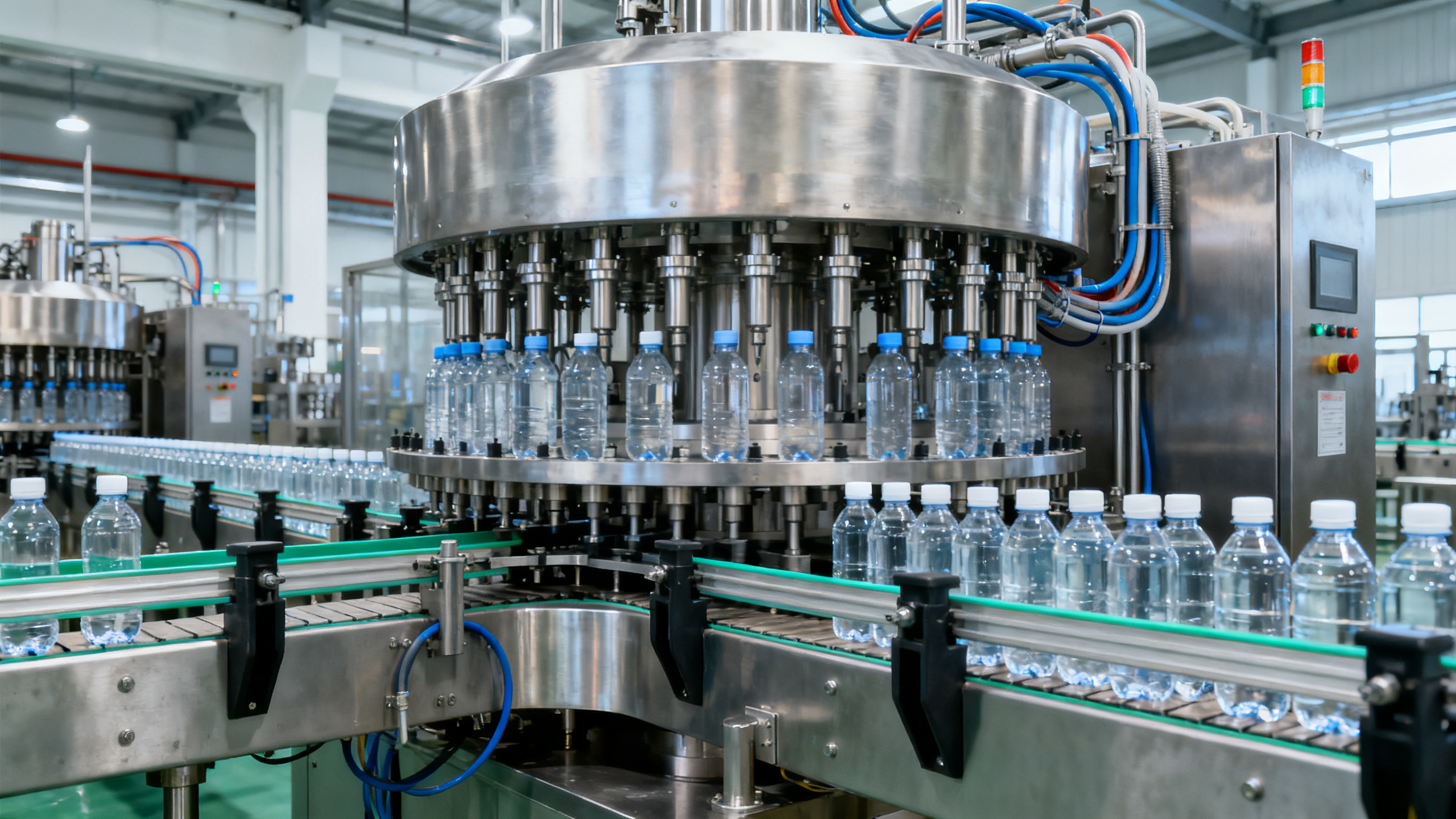
Choosing a pure water bottling machine is rarely a simple equipment purchase. It shapes daily throughput, packaging options, sanitation control, maintenance routines, and the consistency of finished product quality.
That matters even more in a market where bottled water lines must meet strict hygiene expectations while staying flexible enough for shifting demand. A machine that looks efficient on paper can still create costly bottlenecks if bottle formats, washdown design, or changeover time are overlooked.
From the perspective of industrial sourcing and operational risk, the better decision is not the fastest system or the lowest quotation. It is the pure water bottling machine that fits the real production profile, supports compliant operation, and remains dependable under continuous use.
Why this equipment choice deserves closer attention
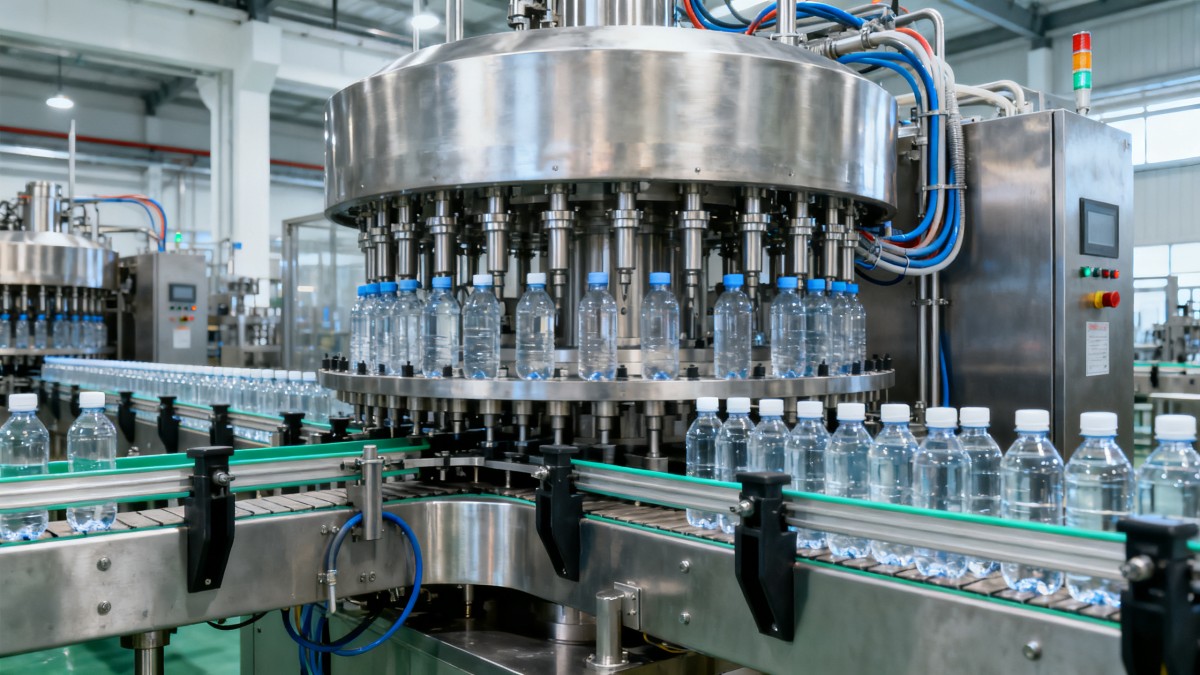
Pure water packaging sits at the intersection of food-grade hygiene, mechanical reliability, and output planning. In many facilities, the filling line is where upstream water treatment performance meets downstream packaging efficiency.
A mismatch at this stage affects more than speed. It can increase microbiological risk, raise reject rates, complicate operator training, and reduce the usable life of caps, conveyors, nozzles, and sealing components.
This is also why procurement in this segment increasingly follows the broader industrial logic promoted by Global Industrial Core. Compliance, traceability, reliability, and measurable performance often matter more than headline capacity alone.
What a pure water bottling machine actually includes
The term can describe a monoblock filler or a more complete line. In practice, most buyers are evaluating an integrated system rather than a single isolated machine.
A typical setup may include bottle rinsing, gravity or pressure filling, capping, conveying, inspection, labeling, and packing interfaces. Some projects also combine blow molding, depending on resin strategy and floor layout.
The right interpretation depends on line scope. When comparing suppliers, it is worth confirming whether quoted output refers to filler speed only or the stable speed of the full pure water bottling machine line.
The line must perform as a system
A filler rated at high speed adds little value if the cap sorter, air conveyor, or labeler cannot keep pace. System balance is usually a stronger predictor of return than any single machine specification.
Start with realistic output, not maximum output
One of the most common mistakes is buying for peak ambition instead of stable operations. Rated output should be checked against actual shift structure, planned downtime, SKU mix, and seasonal volume changes.
For example, a line designed for very high bottles per hour may require tighter bottle quality, more skilled maintenance, and more demanding utilities. If production planning does not support those conditions, efficiency may fall instead of improve.
Usually, the better approach is to define target output at three levels: nominal demand, peak demand, and recoverable catch-up demand after stoppages.
In other words, the best pure water bottling machine is the one that delivers usable throughput, not just advertised speed.
Bottle size flexibility changes the economics
Bottle size is often treated as a format detail, but it has direct consequences for profitability and planning. A line dedicated to one bottle may run efficiently, yet become restrictive when channel demand changes.
A more flexible pure water bottling machine can support small retail bottles, mid-size family packs, and larger institutional formats. The value of that flexibility depends on how often size changes occur and how complex they are.
Key questions around bottle range
- What bottle volumes will run in the first year, and which are likely later?
- Does the machine support neck-holding transfer or require extra parts?
- How long does a full changeover take between major bottle sizes?
- Which change parts are needed, and how quickly can they be cleaned or replaced?
- Will lightweight bottles remain stable at target speed?
These details influence labor time, spare parts cost, line uptime, and packaging waste. They also affect whether future product launches can be absorbed without major reinvestment.
Hygiene design is not only about stainless steel
For a pure water bottling machine, hygiene performance depends on design discipline more than appearance. Stainless construction is expected, but sanitary execution is what reduces contamination exposure.
Attention should go to crevice-free surfaces, drainage behavior, pipe routing, dead-leg reduction, enclosure sealing, lubrication control, and how filling valves are cleaned between runs.
A well-designed machine makes cleaning repeatable. A poorly designed one makes hygiene depend too heavily on operator workarounds.
Sanitary points worth checking
- Product-contact materials and certification records
- CIP compatibility and validated cleaning procedures
- Protection against airborne contamination around rinsing and filling
- Ease of access for inspection without creating contamination risk
- Drainability after washdown and sanitation cycles
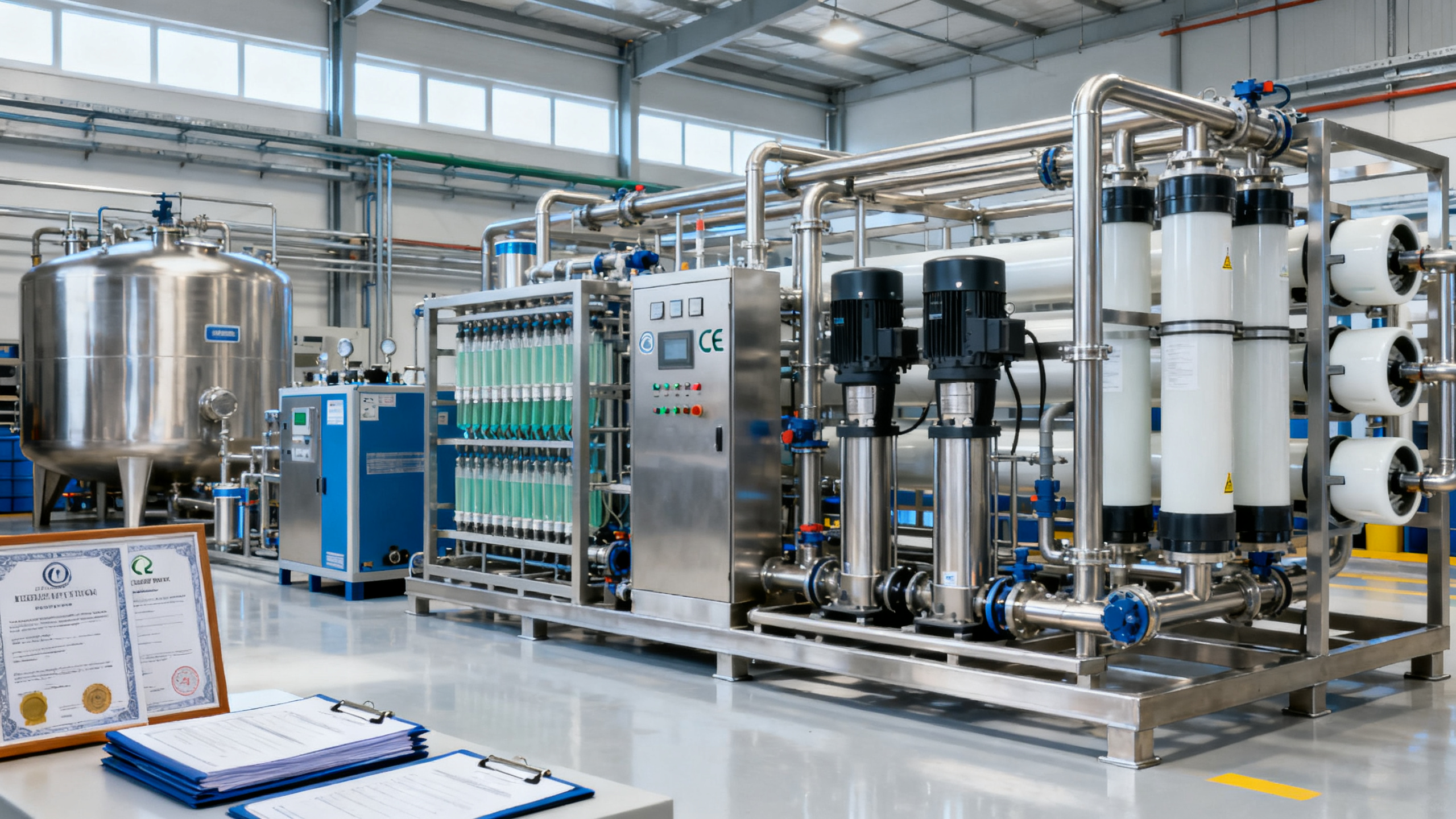
Where export markets or institutional buyers are involved, documented compliance becomes especially important. CE, ISO-related quality systems, and traceable food-contact materials can shorten qualification time and reduce approval friction.
Operational details often decide long-term value
Once output, bottle size, and hygiene are defined, the discussion should move to operating reality. This is where many similar-looking machines begin to separate.
A pure water bottling machine should be judged by maintenance access, spare parts standardization, automation transparency, alarm logic, and how easily the line integrates with upstream treatment and downstream packaging.
Control architecture also matters. Clear HMI screens, useful diagnostics, and stable sensor performance reduce downtime faster than cosmetic interface features.
Areas that deserve supplier clarification
- Mean time between failures under similar production conditions
- Recommended spare parts list for the first 12 to 24 months
- Remote support capability and response expectations
- Utility consumption per thousand bottles
- Integration with inspection, coding, and traceability systems
In many cases, the most resilient purchase is not the most advanced line available. It is the one with the clearest service logic and the least operational ambiguity.
Matching machine type to business scenario
Different operating models lead to different priorities. That is why a pure water bottling machine should be selected within the context of demand pattern, labor capability, site conditions, and compliance pressure.
Seen this way, machine selection becomes a business model decision, not only a technical one.
A practical way to compare options
A useful comparison process starts with a written requirement baseline. That baseline should include bottle sizes, target output, cleaning method, compliance needs, utilities, available floor space, and future expansion assumptions.
After that, quotations become easier to read. It becomes clear whether one supplier offers a better-fitting pure water bottling machine or simply a broader list of optional features.
Site references, acceptance testing terms, and documented performance criteria should then carry significant weight. In industrial procurement, confidence usually comes from verifiable operating evidence.
Before moving forward, confirm these points
- Output is defined by actual bottle format and stable running conditions
- Bottle size range matches both current and likely future portfolio needs
- Hygiene design supports routine cleaning without excessive manual intervention
- Compliance documents and material records are available before approval
- Service support, spare parts, and operator training are clearly scoped
A strong decision process does not end with machine selection. The next step is to compare shortlisted options against real production data, sanitation expectations, and long-term maintenance capability. That creates a clearer basis for choosing a pure water bottling machine that performs reliably long after installation.
Technical Specifications
- How to Select Electronic Hotel Key Card Locks for Guest Rooms and Staff AreasAuthor :Safety Compliance Lead
- How to Select Lab Instruments for Reliable Chemical Analysis WorkflowsAuthor :Precision Metrology Expert
- How to Size a UPS for Server Rooms: Load, Runtime, and Redundancy FactorsAuthor :Grid Infrastructure Analyst
Expert Insights

Chief Security Architect
Dr. Thorne specializes in the intersection of structural engineering and digital resilience. He has advised three G7 governments on industrial infrastructure security.
Related Analysis
- Sep 17, 2026How to Select Electronic Hotel Key Card Locks for Guest Rooms and Staff AreasAuthor :Safety Compliance Lead
- Sep 16, 2026How to Select Lab Instruments for Reliable Chemical Analysis WorkflowsAuthor :Precision Metrology Expert
- Sep 15, 2026How to Size a UPS for Server Rooms: Load, Runtime, and Redundancy FactorsAuthor :Grid Infrastructure Analyst
Core Sector // 01
Security & Safety
- How to Size a Wafer Butterfly Valve for HVAC Chilled-Water and Heating LoopsAuthor :Environmental Engineering Director

- How Pressure Class and Joint Design Affect Long-Term Performance of Ductile Iron Pipes in Drainage InfrastructureAuthor :Environmental Engineering Director

- How Ductile Iron Pipe Joints Affect Installation Reliability and Leak ControlAuthor :Environmental Engineering Director

- How to Size Effluent Treatment Equipment for Variable Industrial Wastewater LoadsAuthor :Environmental Engineering Director

- US Battery Push Raises New Entry Rules for SuppliersAuthor :Environmental Engineering Director

- EU EMC Rule Tightens for Water Treatment ExportsAuthor :Environmental Engineering Director

- EU REACH Restriction Targets PFAS Water Treatment ImportsAuthor :Environmental Engineering Director

- EU Mandates EN 14113:2026 for Water Treatment ExportsAuthor :Environmental Engineering Director