US Eases Metal Content Rule for Water Treatment Exports
Author
Date Published
Reading Time
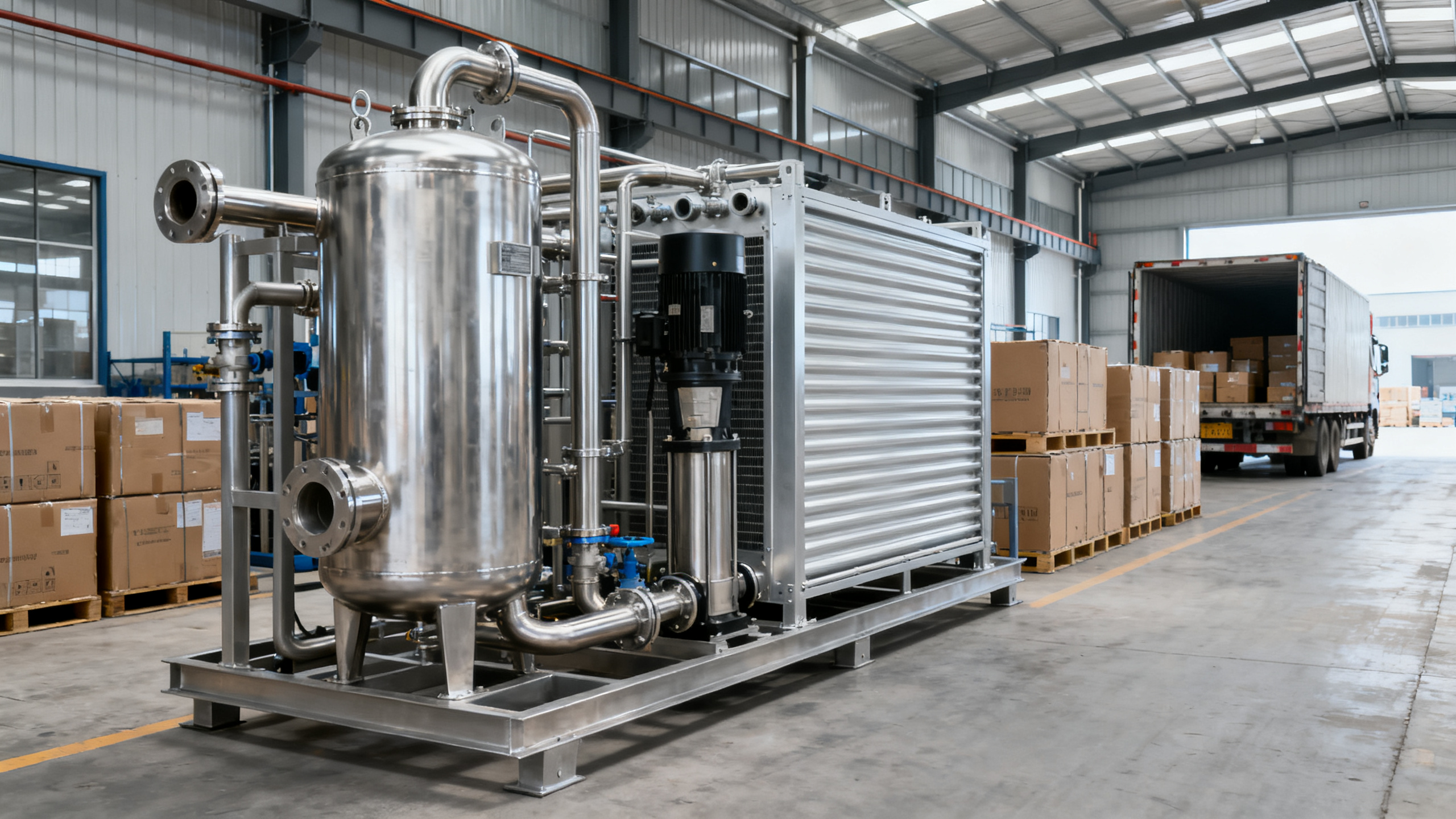
On June 8, 2026, market attention centered on a White House adjustment to the Section 232 implementation rules for metal tariffs that had been announced on June 1. The change lowers the threshold for products recognized as fully made in the United States from 95% to 85% and adds a 15% preferential tariff rate for industrial water treatment equipment, including stainless steel filter housings and aluminum cooling modules. For exporters, manufacturers, sourcing teams, and compliance staff involved in water treatment systems containing U.S. metal content, this is worth watching because it directly touches tariff treatment, product qualification, and export cost calculations for shipments to Latin America and Southeast Asia.
What the Rule Change Confirms
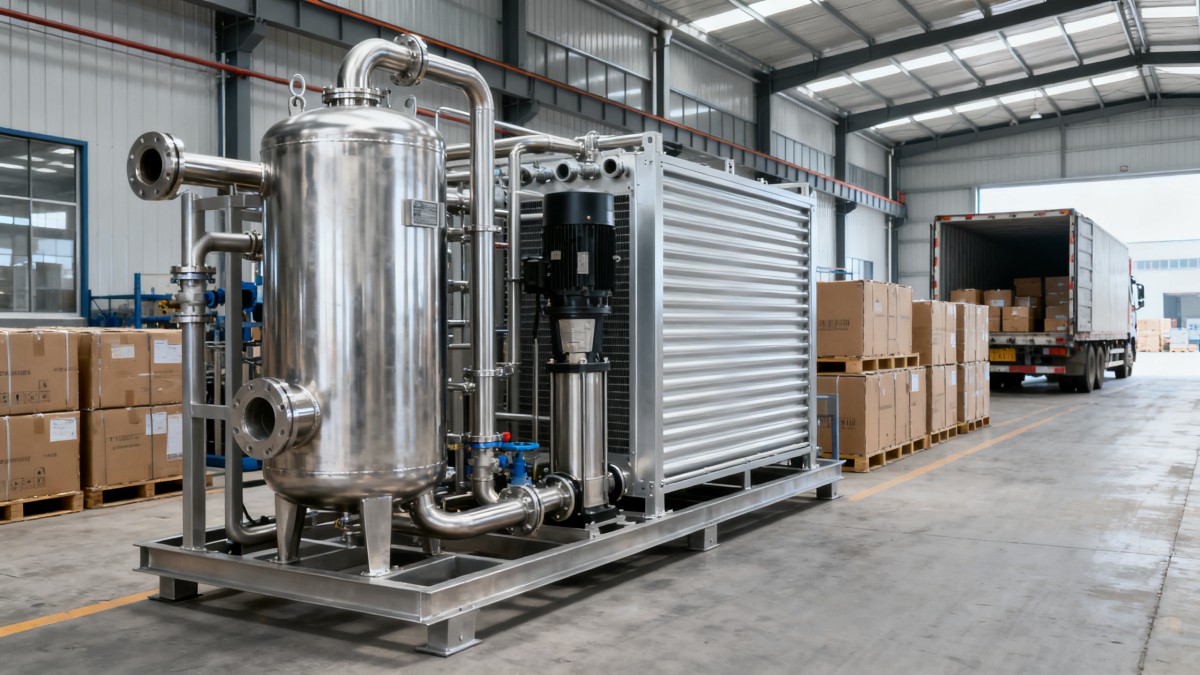
The confirmed facts are limited but clear. The White House announced on June 1, 2026 that it had revised the implementation details of Section 232 metal tariffs. Under the revision, the threshold for recognizing a product as fully made in the United States was reduced from 95% to 85% U.S. content. The updated rule also introduces a 15% preferential tariff rate for industrial water treatment equipment, specifically including stainless steel filter housings and aluminum cooling modules.
The stated purpose of the revision is to ease cost pressure on manufacturers of agricultural and environmental equipment. Based on the information provided, the expected result is a reduction of around 7 to 9 percentage points in the overall tax burden for water treatment systems containing U.S. materials when exported to markets in Latin America and Southeast Asia.
Where the Commercial Effects May Appear First
Export pricing and bid structuring may shift
From an industry perspective, exporters of industrial water treatment systems may be among the first to assess the practical effect of the revised threshold and the new preferential tariff treatment. The reason is straightforward: tariff treatment can affect quoted prices, landed-cost assumptions, and the competitiveness of equipment packages in overseas tenders or distributor negotiations. What deserves closer attention is whether product documentation, bills of materials, and origin-related records are sufficient to support any claim tied to the revised content threshold.
Procurement teams need to revisit material mix assumptions
For sourcing and procurement functions, the reduction from 95% to 85% changes the compliance margin around U.S. content calculations. Analysis shows that this may influence decisions on metal sourcing, component selection, and supplier coordination for systems that include stainless steel and aluminum parts. The main business impact is not only on material cost, but also on how procurement records align with tariff treatment and downstream export documentation.
Manufacturers and integrators face a documentation issue, not only a tariff issue
Equipment manufacturers and system integrators may be affected because the revised rule appears to connect product qualification more directly with content composition. Observably, the operational issue is likely to sit in technical files, component traceability, and internal review of product configurations that include stainless steel filter housings or aluminum cooling modules. Companies in this position should pay attention to whether technical descriptions, product specifications, and shipment documents present the product consistently.
Supply chain and after-sales teams should watch delivery implications
Supply chain service providers and after-sales teams may also need to monitor the change, especially where export contracts are tied to delivery timing, replacement parts, or multi-batch shipments. The likely area of impact is coordination across shipment planning, customs-facing paperwork, and product traceability. This does not confirm a uniform execution outcome, but it does suggest that operational teams should be prepared for closer scrutiny of how qualifying content is evidenced in practice.
What Companies Should Track Now
Check how product qualification is supported
Analysis shows that companies should first review how they substantiate U.S. content in industrial water treatment equipment. The shift from a 95% to an 85% threshold may change eligibility assumptions, but it does not remove the need for clear internal records. Bills of materials, supplier declarations, and technical product descriptions are likely to become more important in any compliance review.
Watch for execution language and official interpretations
What deserves closer attention is the follow-through in formal wording, administrative interpretation, and practical execution. The information provided confirms the rule change and the preferential tariff treatment, but it does not provide detailed implementation procedures. For that reason, companies should avoid treating all operational consequences as settled and should continue monitoring official expressions of scope, qualification, and application.
Review affected product lines and target markets
Firms selling systems with stainless steel filter housings or aluminum cooling modules should identify where these items sit in their export portfolio and whether Latin America or Southeast Asia are active target markets. Observably, the immediate value of the change may be strongest where tariff treatment affects offer competitiveness, but that remains a business assessment rather than a confirmed market outcome.
Align trade files with delivery and tender documents
Companies should also review whether commercial invoices, technical files, tender submissions, and shipment records describe affected equipment in a consistent way. This is especially relevant where a product may benefit from the revised threshold or the 15% preferential tariff rate. In the absence of more detailed execution guidance in the input, it is more appropriate to treat document alignment as a precautionary compliance step rather than a guaranteed requirement outcome.
Why This Looks Like an Execution Signal
From an industry perspective, this update is more than a headline about tariff relief; it signals a meaningful adjustment in how metal-content qualification may be applied to specific equipment categories. At the same time, it is more appropriate to understand this as a rule change with immediate relevance but incomplete operational visibility. The headline facts are clear, yet the market will still need to observe how official wording, trade practice, and procurement documentation interact once companies begin applying the revised threshold in real transactions.
Analysis shows that the most important near-term question is not whether the announcement exists, but how consistently it is reflected in qualification reviews, export paperwork, and buyer-facing documents. That is why continued attention to policy detail, documentation standards, and market feedback remains necessary.
How This Update Is Best Understood for Now
In practical terms, the development points to a more flexible U.S. content threshold and a defined preferential tariff treatment for certain industrial water treatment equipment. That combination may improve cost conditions for some export flows, particularly for systems containing U.S. metal content. Even so, the current information is best understood as a concrete policy adjustment that still requires careful observation at the execution level.
A neutral reading is that the rule change creates a clearer commercial opening for some manufacturers and exporters, while leaving room for further verification on application details, documentation expectations, and market response. For companies active in sourcing, manufacturing, and exporting affected equipment, the sensible approach is to track implementation closely rather than assume all compliance and trade effects are already settled.
Basis of This Article and Follow-up Points
This article is generated from the user-provided news title, event date, and event summary. The analysis is based only on the confirmed input that the White House revised the Section 232 metal tariff implementation rules, lowered the fully made in the United States threshold from 95% to 85%, and added a 15% preferential tariff rate for specified industrial water treatment equipment.
For events of this kind, relevant source types typically include official announcements, releases from regulatory authorities, customs or trade administration information, industry association updates, standard-setting documents, and reporting by authoritative media. A specific official source link was not provided in the input, so further verification is still needed. Areas that remain worth monitoring include detailed policy language, compliance interpretation, tender-document changes, certification or documentation practice, industry feedback, and how companies implement the change in actual export operations.
Technical Specifications
- How to Select Electronic Hotel Key Card Locks for Guest Rooms and Staff AreasAuthor :Safety Compliance Lead
- How to Select Lab Instruments for Reliable Chemical Analysis WorkflowsAuthor :Precision Metrology Expert
- How to Size a UPS for Server Rooms: Load, Runtime, and Redundancy FactorsAuthor :Grid Infrastructure Analyst
Expert Insights

Chief Security Architect
Dr. Thorne specializes in the intersection of structural engineering and digital resilience. He has advised three G7 governments on industrial infrastructure security.
Related Analysis
- Sep 17, 2026How to Select Electronic Hotel Key Card Locks for Guest Rooms and Staff AreasAuthor :Safety Compliance Lead
- Sep 16, 2026How to Select Lab Instruments for Reliable Chemical Analysis WorkflowsAuthor :Precision Metrology Expert
- Sep 15, 2026How to Size a UPS for Server Rooms: Load, Runtime, and Redundancy FactorsAuthor :Grid Infrastructure Analyst
Core Sector // 01
Security & Safety
- How to Size a Wafer Butterfly Valve for HVAC Chilled-Water and Heating LoopsAuthor :Environmental Engineering Director

- How Pressure Class and Joint Design Affect Long-Term Performance of Ductile Iron Pipes in Drainage InfrastructureAuthor :Environmental Engineering Director

- How Ductile Iron Pipe Joints Affect Installation Reliability and Leak ControlAuthor :Environmental Engineering Director

- How to Size Effluent Treatment Equipment for Variable Industrial Wastewater LoadsAuthor :Environmental Engineering Director

- US Battery Push Raises New Entry Rules for SuppliersAuthor :Environmental Engineering Director

- EU EMC Rule Tightens for Water Treatment ExportsAuthor :Environmental Engineering Director

- EU REACH Restriction Targets PFAS Water Treatment ImportsAuthor :Environmental Engineering Director

- EU Mandates EN 14113:2026 for Water Treatment ExportsAuthor :Environmental Engineering Director