How to Choose Wastewater Treatment Chemicals for pH Control, Coagulation, and Sludge Reduction
Author
Date Published
Reading Time
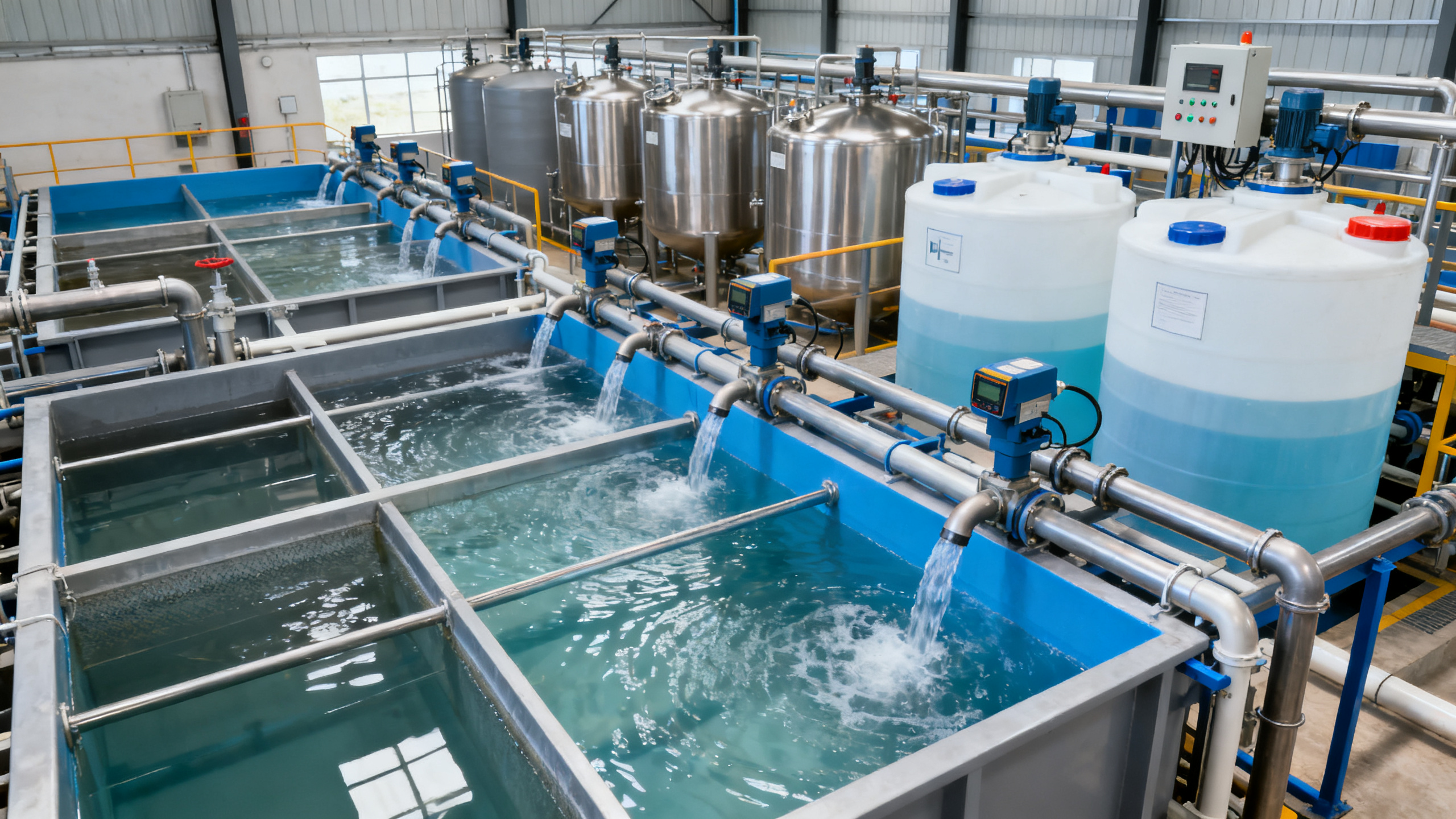
Choosing the right wastewater treatment chemicals can make or break system stability. In real plants, chemical selection affects pH control, coagulation efficiency, sludge volume, discharge compliance, and daily operating cost.
That is why selection should never start with price alone. A lower drum cost often leads to higher dosage, unstable settling, harder dewatering, or corrosion risk elsewhere in the line.
For industrial infrastructure, the better approach is simple: match the chemistry to influent variability, equipment limits, compliance targets, and sludge handling capacity. That is where technical evaluation becomes practical, not theoretical.
Drawing on the engineering-focused perspective seen across Global Industrial Core, this article breaks down how to compare wastewater treatment chemicals for pH adjustment, coagulation, and sludge reduction with fewer surprises during scale-up.
Start with the treatment objective, not the chemical brand
Before comparing suppliers, define what success looks like. Some systems need neutral pH for discharge. Others need strong metal removal, faster clarification, or lower sludge hauling cost.
A chemical that performs well in one target may underperform in another. For example, aggressive pH correction can improve precipitation while making downstream polymer performance less predictable.
The first review should focus on process fit, not marketing claims.
[Image 01: Comparative evaluation of wastewater treatment chemicals for pH control, coagulation, and sludge reduction in an industrial treatment train]
- Define the primary goal first: pH compliance, turbidity reduction, metal precipitation, COD support, or sludge minimization. Clear priorities prevent choosing wastewater treatment chemicals that solve one issue while worsening another.
- Review influent variability by shift, batch, and season. Chemicals that look efficient in a single jar test may fail when flow, temperature, or contaminant load changes during normal plant operation.
- Map the full treatment train before approval. pH adjusters, coagulants, and polymers interact with mixers, tanks, filters, and dewatering units, so compatibility matters as much as raw treatment strength.
- Set measurable acceptance limits early, including dosage range, settling speed, final sludge volume, and discharge consistency. That keeps vendor trials focused on operating outcomes instead of isolated lab data.
Compare pH control chemicals by reaction behavior and handling burden
For pH control, the common question is acid versus caustic strength. In practice, the bigger issue is how controllable the reaction is inside the actual system.
Sodium hydroxide, lime, sulfuric acid, hydrochloric acid, and blended neutralizers all behave differently. Fast reaction is useful, but overshoot, scaling, and safety exposure can erase that benefit quickly.
What usually matters most
- Check buffering behavior, not just neutralization strength. Wastewater treatment chemicals for pH control should hold the target range steadily, especially where upstream processes release intermittent acidic or alkaline loads.
- Evaluate scaling and residue risk. Lime may reduce reagent cost in some systems, but solids formation can foul lines, blind sensors, and increase maintenance if mixing energy is insufficient.
- Review chemical storage and feed safety together. Strong acids and caustics may require upgraded dosing pumps, ventilation, containment, and operator protection, which changes the real installed cost.
- Confirm instrument compatibility. pH probes, conductivity sensors, and automated dosing loops should remain stable under the selected reagent, otherwise control drift can cause repeated off-spec discharge events.
In metal-finishing or surface-treatment wastewater, pH precision often matters more than raw neutralization speed. A narrow range can determine whether metals stay dissolved or precipitate efficiently.
In utilities or general industrial wastewater, a wider tolerance may be acceptable. There, simpler and safer pH chemicals can outperform stronger options once maintenance and downtime are included.
Judge coagulation chemicals by contaminant type, not by dosage alone
When comparing coagulants, low dosage looks attractive. Still, dosage alone does not tell the full story. The better comparison is clarification quality, sludge characteristics, and consistency across varying influent conditions.
Common choices include ferric chloride, aluminum sulfate, PAC, and specialty blends. Each has trade-offs in pH impact, floc density, residual metals, and sludge generation.
- Match the coagulant to the dominant contaminant. Suspended solids, emulsified oil, heavy metals, and color bodies respond differently, so broad claims about wastewater treatment chemicals should always be tested by stream type.
- Track pH shift during coagulation trials. Some coagulants perform well in clarification but force extra neutralization later, increasing total reagent use and making the treatment program less stable overall.
- Observe floc structure, not just supernatant clarity. Dense, fast-settling floc usually supports better sludge dewatering, while light fluffy floc may look good initially but perform poorly downstream.
- Ask for residual impact data where discharge or reuse is sensitive. Aluminum, iron, chloride, or sulfate carryover may affect membranes, cooling loops, or compliance in integrated industrial water systems.
Treat sludge reduction as a chemistry and dewatering issue
Many teams try to reduce sludge by switching only the coagulant. Sometimes that works. Often, sludge volume is driven by a combination of pH setpoint, coagulation dose, polymer selection, and dewatering conditions.
That means sludge reduction should be evaluated across the whole program, not by one drum label.
Where sludge volume usually hides
- Measure both wet sludge volume and dry solids capture. Some wastewater treatment chemicals seem to reduce sludge at first glance, but actually lower solids removal or create unstable cake formation.
- Optimize pH before increasing coagulant dosage. Incorrect pH often drives overdosing, which adds unnecessary salts and creates more sludge than the contaminants alone would produce.
- Include polymer interaction in every comparison. A coagulant that pairs well with the existing polymer can reduce cake moisture and hauling frequency even if its unit price is slightly higher.
- Check dewatering equipment limits early. Belt presses, centrifuges, and filter presses respond differently to floc strength, so the best wastewater treatment chemicals depend on the actual solids handling method.
This is especially important in facilities where waste disposal cost is high. A modest improvement in cake solids can shift total program economics more than a headline reduction in chemical purchase price.
Use realistic trial conditions before approving wastewater treatment chemicals
Jar testing is useful, but it is only a starting point. Real selection should include mixing intensity, retention time, feed sequence, and actual plant-side control logic.
This is where many evaluation programs go off track. A chemical can look excellent in a clean lab workflow, then disappoint when the plant experiences unstable flow or delayed dosing response.
- Run trials across normal and upset conditions. Test wastewater treatment chemicals during peak contaminant load, variable temperature, and start-stop production periods to understand stability beyond ideal samples.
- Keep feed sequence consistent during comparison. Changing the order of pH adjustment, coagulant addition, and polymer dosing can distort results and hide which chemical is truly performing better.
- Capture operating data beyond visual clarity. Record settling time, sludge blanket behavior, pH drift, filterability, and chemical consumption per cubic meter for decisions grounded in process reality.
- Verify scale-up support from the supplier. Good wastewater treatment chemicals should come with dosing guidance, safety documentation, compatibility notes, and technical support for commissioning adjustments.
Do not overlook compliance, materials compatibility, and supply resilience
In heavy industry and infrastructure projects, chemical choice is also a reliability decision. A treatment program that works in theory still fails if materials corrode, documentation is incomplete, or supply becomes inconsistent.
That is why technical review should include compliance and sourcing checks alongside process performance.
- Review SDS, quality consistency, and relevant certifications before approval. Wastewater treatment chemicals used in critical infrastructure should be backed by clear documentation and stable manufacturing control.
- Confirm compatibility with tanks, pumps, seals, and pipe materials. A strong reagent may improve treatment while shortening equipment life if elastomers, coatings, or metals are poorly matched.
- Assess regional availability and lead-time risk. Even well-performing wastewater treatment chemicals can create operational exposure if the supply chain depends on a single plant or long import route.
- Compare total delivered cost, not invoice price alone. Packaging, freight, dilution water, handling systems, and storage controls often change the true economics of a chemical program.
For organizations working across EPC, utilities, and process facilities, this broader view matters. It aligns chemical selection with the same disciplined, system-level thinking used for instrumentation, environmental controls, and plant reliability.
A practical way to narrow the final decision
If several options remain, use a weighted comparison. Score each chemical on treatment performance, sludge impact, pH stability, safety burden, compatibility, and supply confidence.
That simple framework usually exposes the real winner quickly. The best option is rarely the strongest or cheapest. It is the one that keeps the system stable with the lowest total operational risk.
When evaluating wastewater treatment chemicals, keep the decision grounded in plant behavior: how the chemistry reacts, what it does to sludge, how it affects equipment, and whether it holds up under real operating variation.
A careful review at this stage saves far more than chemical cost. It reduces troubleshooting, protects compliance, and supports a treatment system that scales more reliably as production demands change.
The next step is straightforward: define the treatment target, run realistic side-by-side trials, and compare wastewater treatment chemicals using total process impact rather than a single performance number.
Technical Specifications
- How to Select Electronic Hotel Key Card Locks for Guest Rooms and Staff AreasAuthor :Safety Compliance Lead
- How to Select Lab Instruments for Reliable Chemical Analysis WorkflowsAuthor :Precision Metrology Expert
- How to Size a UPS for Server Rooms: Load, Runtime, and Redundancy FactorsAuthor :Grid Infrastructure Analyst
Expert Insights

Chief Security Architect
Dr. Thorne specializes in the intersection of structural engineering and digital resilience. He has advised three G7 governments on industrial infrastructure security.
Related Analysis
- Sep 17, 2026How to Select Electronic Hotel Key Card Locks for Guest Rooms and Staff AreasAuthor :Safety Compliance Lead
- Sep 16, 2026How to Select Lab Instruments for Reliable Chemical Analysis WorkflowsAuthor :Precision Metrology Expert
- Sep 15, 2026How to Size a UPS for Server Rooms: Load, Runtime, and Redundancy FactorsAuthor :Grid Infrastructure Analyst
Core Sector // 01
Security & Safety
- How to Size a Wafer Butterfly Valve for HVAC Chilled-Water and Heating LoopsAuthor :Environmental Engineering Director

- How Pressure Class and Joint Design Affect Long-Term Performance of Ductile Iron Pipes in Drainage InfrastructureAuthor :Environmental Engineering Director

- How Ductile Iron Pipe Joints Affect Installation Reliability and Leak ControlAuthor :Environmental Engineering Director

- How to Size Effluent Treatment Equipment for Variable Industrial Wastewater LoadsAuthor :Environmental Engineering Director

- US Battery Push Raises New Entry Rules for SuppliersAuthor :Environmental Engineering Director

- EU EMC Rule Tightens for Water Treatment ExportsAuthor :Environmental Engineering Director

- EU REACH Restriction Targets PFAS Water Treatment ImportsAuthor :Environmental Engineering Director

- EU Mandates EN 14113:2026 for Water Treatment ExportsAuthor :Environmental Engineering Director