Zero-Tariff Expansion Opens Window for African Imports
Author
Date Published
Reading Time
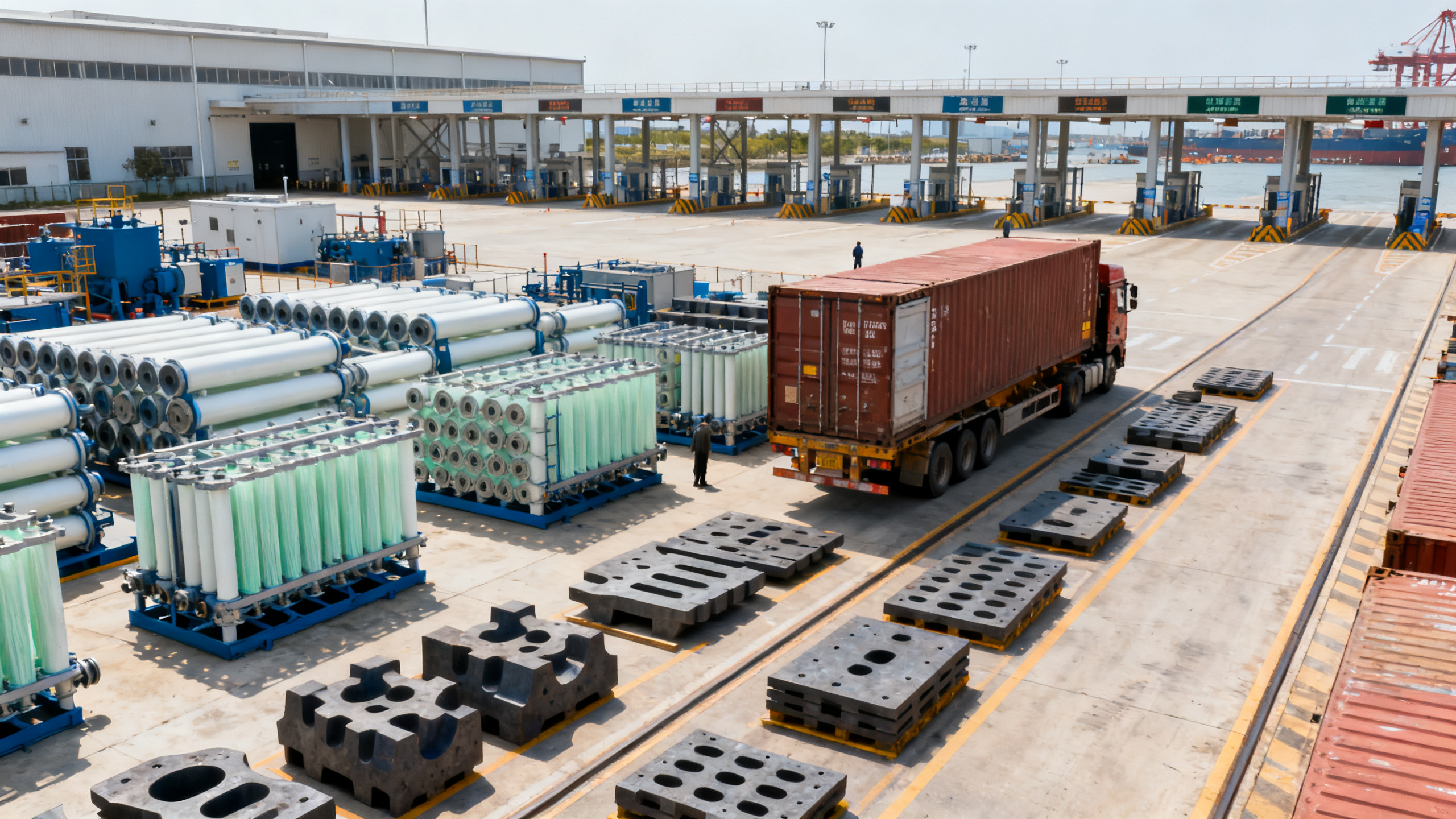
On May 2, 2026, China expanded zero-tariff treatment for products imported from the least developed countries in Africa, with newly covered items including industrial water treatment membrane modules, accessories for sludge drying equipment, and wear-resistant liners for solid waste crushers. For companies involved in environmental equipment sourcing, parts procurement, customs handling, and cross-border delivery, the development is worth close attention because it combines tariff relief with faster clearance and a certification-based fast-track mechanism.
What the policy change specifically covers
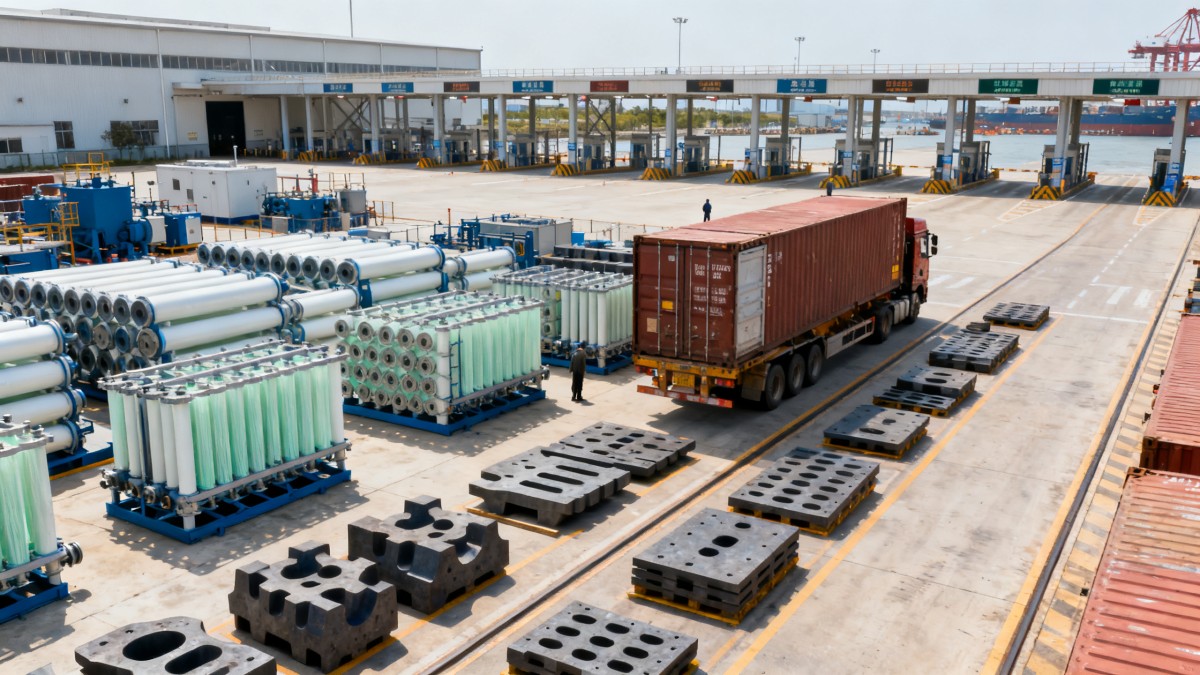
According to the provided information, China announced that 98% of tariff-line products exported to China from Africa's least developed countries will receive zero-tariff treatment. The expanded scope now includes industrial water treatment membrane modules, accessories for sludge drying equipment, and wear-resistant liners used in solid waste crushers.
The first batch of applicable countries includes 12 nations, among them Rwanda, Malawi, and Burundi. For the related products, customs clearance efficiency has been improved to within three working days. Products accompanied by CE and ISO 14001 certification can also enter a fast-track channel.
Where the impact may be felt across the supply chain
Importers of environmental equipment and components
From an industry perspective, direct trading companies may be affected first because the policy is tied directly to imported product categories and customs procedures. The most immediate business impact may appear in landed cost calculations, product selection, and sourcing decisions for covered items such as membrane modules and equipment spare parts. What deserves closer attention is whether a supplier's product classification and supporting documents match the eligible scope in practice.
Procurement teams for water treatment and solid waste operations
For buyers and procurement departments, the change may matter less as a headline policy and more as an operational sourcing option. If a company uses imported components in water treatment or solid waste systems, the combination of zero tariffs and shorter customs timelines may affect purchasing schedules, spare-parts planning, and vendor comparison. Observably, the key issue is not only price, but also whether supply continuity can be supported under the new access conditions.
Customs, logistics, and compliance service providers
Supply chain service providers may also see practical changes, especially in documentation review, customs declarations, and delivery planning. The stated three-working-day clearance timeline suggests a stronger need for accurate document preparation upfront. For service providers, the focus is likely to shift toward origin qualification, product category confirmation, and certification readiness for shipments seeking the fast-track channel.
Downstream users relying on replacement parts
End users that depend on maintenance parts for sludge drying or solid waste crushing systems may also need to monitor the change. Analysis shows that when spare parts become easier to import, downstream maintenance planning and replacement cycles may be adjusted. However, this should be treated as a possible operational effect rather than a confirmed market outcome.
What companies should monitor now
Check whether product scope and origin qualify
The first practical step is to verify whether targeted products fall within the newly covered tariff scope and whether the exporting country is among the first applicable group. Since the provided information names 12 countries including Rwanda, Malawi, and Burundi, companies should avoid assuming broader applicability without further confirmation.
Prepare certification and customs documentation early
The fast-track arrangement linked to CE and ISO 14001 makes documentation a near-term focus. Companies involved in sourcing or importing should pay attention to whether suppliers can provide complete and consistent certification materials, and whether those documents align with customs filing requirements.
Distinguish policy signal from actual delivery conditions
Analysis shows that zero tariffs and faster clearance do not automatically resolve every supply issue. Businesses should separately assess customs eligibility, supplier readiness, shipment timing, and replacement-part lead times. In practice, policy access and transaction execution are related, but they are not the same thing.
Maintain communication with suppliers and customers
For firms handling procurement or distribution, this is also a communication issue. Supplier discussions may need to cover origin documentation, certification status, and delivery commitments, while customer communication may need to address possible adjustments in procurement cycles or component options. The main point is to reduce uncertainty before orders are placed.
Why this matters beyond a single tariff adjustment
As an observation, this update is more meaningful as an access signal for selected environmental equipment and component categories than as a fully proven market shift at this stage. The inclusion of industrial water treatment and solid waste equipment parts suggests that policy attention is extending into more specific industrial inputs, not only general merchandise trade.
At the same time, it is more appropriate to understand this as a development that still requires follow-up rather than as a completed result. The confirmed facts cover tariff treatment, covered categories, initial applicable countries, faster customs clearance, and the certification-linked fast track. Whether this leads to sustained procurement changes will depend on how consistently the rules are implemented in actual transactions.
How the sector may best read the current signal
For the environmental equipment supply chain, the policy should be read as a concrete short-term operational change and also as a longer-term signal worth monitoring. In the short term, it may affect sourcing decisions for covered products and supporting customs workflows. In the longer term, the more important question is whether this opening translates into stable trade patterns for industrial water treatment and solid waste equipment components.
A neutral reading is that the policy creates a clearer entry window, but companies should still base decisions on product eligibility, documentation quality, and execution readiness rather than on the tariff headline alone.
Basis of this article and points for further verification
This article is based on the user-provided news title, event date, and event summary. The confirmed information used here includes the May 2, 2026 timing, the expansion of zero-tariff treatment to 98% of tariff lines for exports to China from Africa's least developed countries, the newly covered product categories, the first batch of 12 applicable countries, the customs clearance timeline of within three working days, and the fast-track condition tied to CE and ISO 14001 certification.
For this type of industry update, relevant source categories typically include official government announcements, customs notices, company disclosures, industry association releases, authoritative media reporting, and standard-related documentation. No specific official source link was provided in the input, so further verification remains necessary. What deserves continued attention is any later clarification on detailed product coverage, implementation rules, and operational requirements for customs and certification review.
Technical Specifications
- How to Select Electronic Hotel Key Card Locks for Guest Rooms and Staff AreasAuthor :Safety Compliance Lead
- How to Select Lab Instruments for Reliable Chemical Analysis WorkflowsAuthor :Precision Metrology Expert
- How to Size a UPS for Server Rooms: Load, Runtime, and Redundancy FactorsAuthor :Grid Infrastructure Analyst
Expert Insights

Chief Security Architect
Dr. Thorne specializes in the intersection of structural engineering and digital resilience. He has advised three G7 governments on industrial infrastructure security.
Related Analysis
- Sep 17, 2026How to Select Electronic Hotel Key Card Locks for Guest Rooms and Staff AreasAuthor :Safety Compliance Lead
- Sep 16, 2026How to Select Lab Instruments for Reliable Chemical Analysis WorkflowsAuthor :Precision Metrology Expert
- Sep 15, 2026How to Size a UPS for Server Rooms: Load, Runtime, and Redundancy FactorsAuthor :Grid Infrastructure Analyst
Core Sector // 01
Security & Safety
- How to Size a Wafer Butterfly Valve for HVAC Chilled-Water and Heating LoopsAuthor :Environmental Engineering Director

- How Pressure Class and Joint Design Affect Long-Term Performance of Ductile Iron Pipes in Drainage InfrastructureAuthor :Environmental Engineering Director

- How Ductile Iron Pipe Joints Affect Installation Reliability and Leak ControlAuthor :Environmental Engineering Director

- How to Size Effluent Treatment Equipment for Variable Industrial Wastewater LoadsAuthor :Environmental Engineering Director

- US Battery Push Raises New Entry Rules for SuppliersAuthor :Environmental Engineering Director

- EU EMC Rule Tightens for Water Treatment ExportsAuthor :Environmental Engineering Director

- EU REACH Restriction Targets PFAS Water Treatment ImportsAuthor :Environmental Engineering Director

- EU Mandates EN 14113:2026 for Water Treatment ExportsAuthor :Environmental Engineering Director