What makes an Electrical & Power manufacturer reliable
Author
Date Published
Reading Time
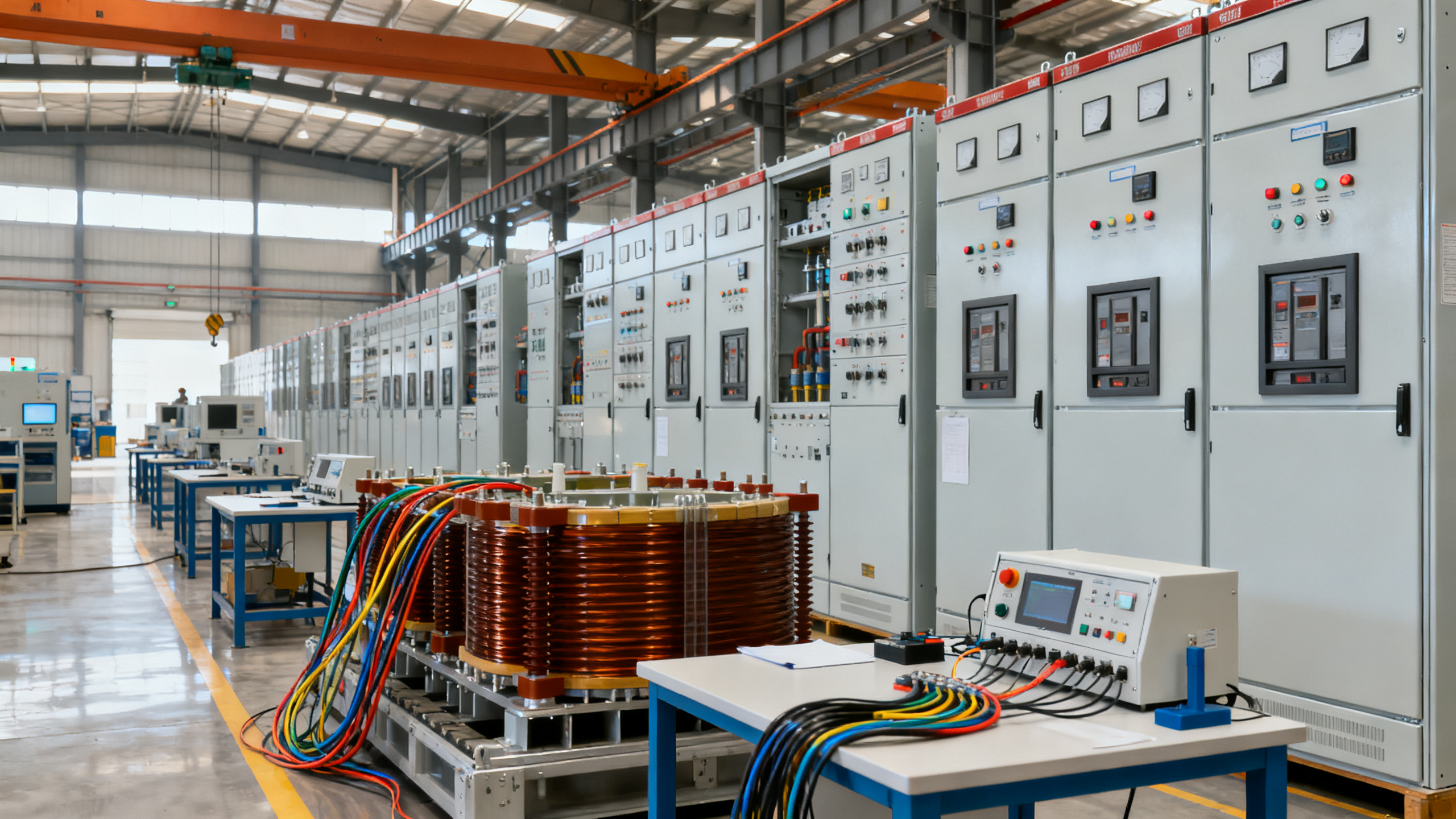
Choosing a reliable Electrical & Power manufacturer is a strategic decision that affects safety, uptime, compliance, and long-term project value. For industrial projects, reliability is never a soft claim. It must be visible in engineering discipline, certification control, production consistency, and support performance across the asset lifecycle.
When evaluating an Electrical & Power manufacturer, price and capacity matter, but they are only part of the picture. The stronger signal is whether the supplier can deliver compliant, durable, traceable, and application-fit products under real operating conditions. The questions below help frame that decision with practical criteria.
What does reliability mean for an Electrical & Power manufacturer?
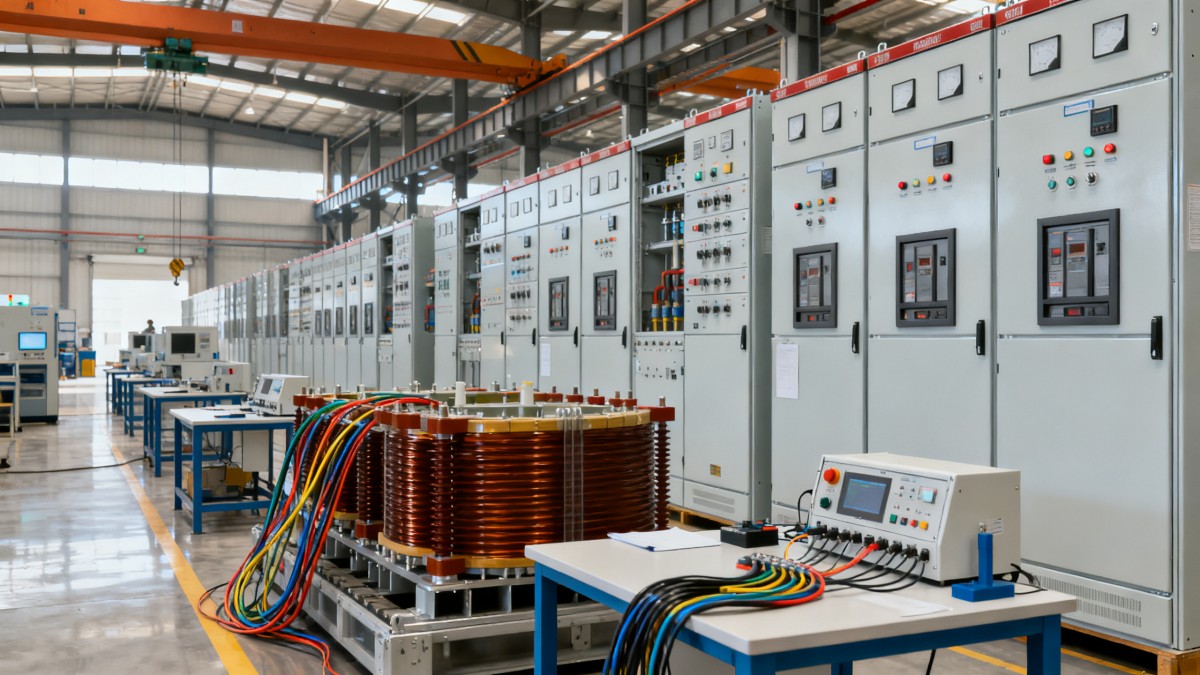
Reliability means predictable performance over time, not just successful shipment. A dependable Electrical & Power manufacturer delivers products that function safely, meet specification, and maintain stability in demanding environments.
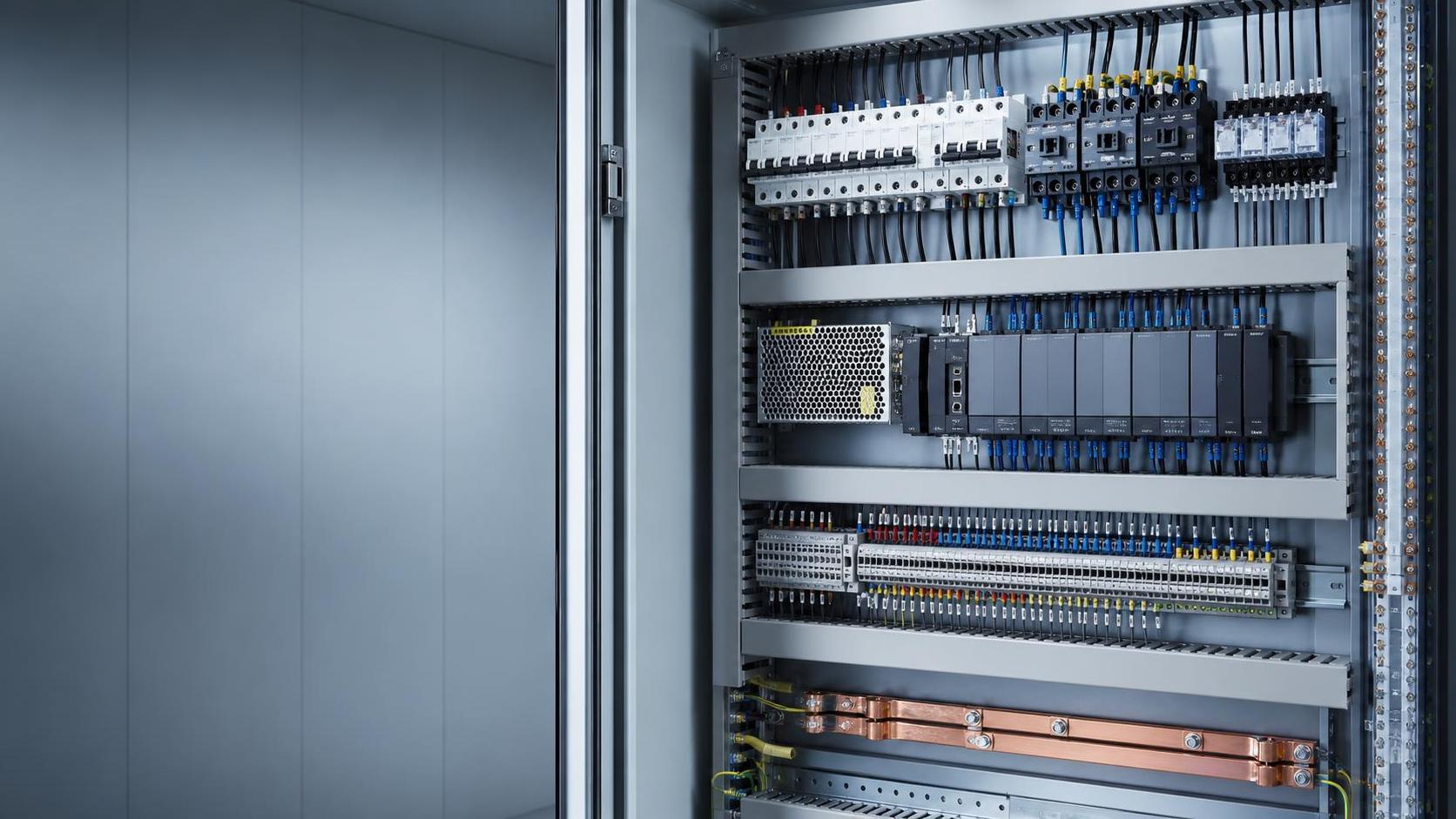
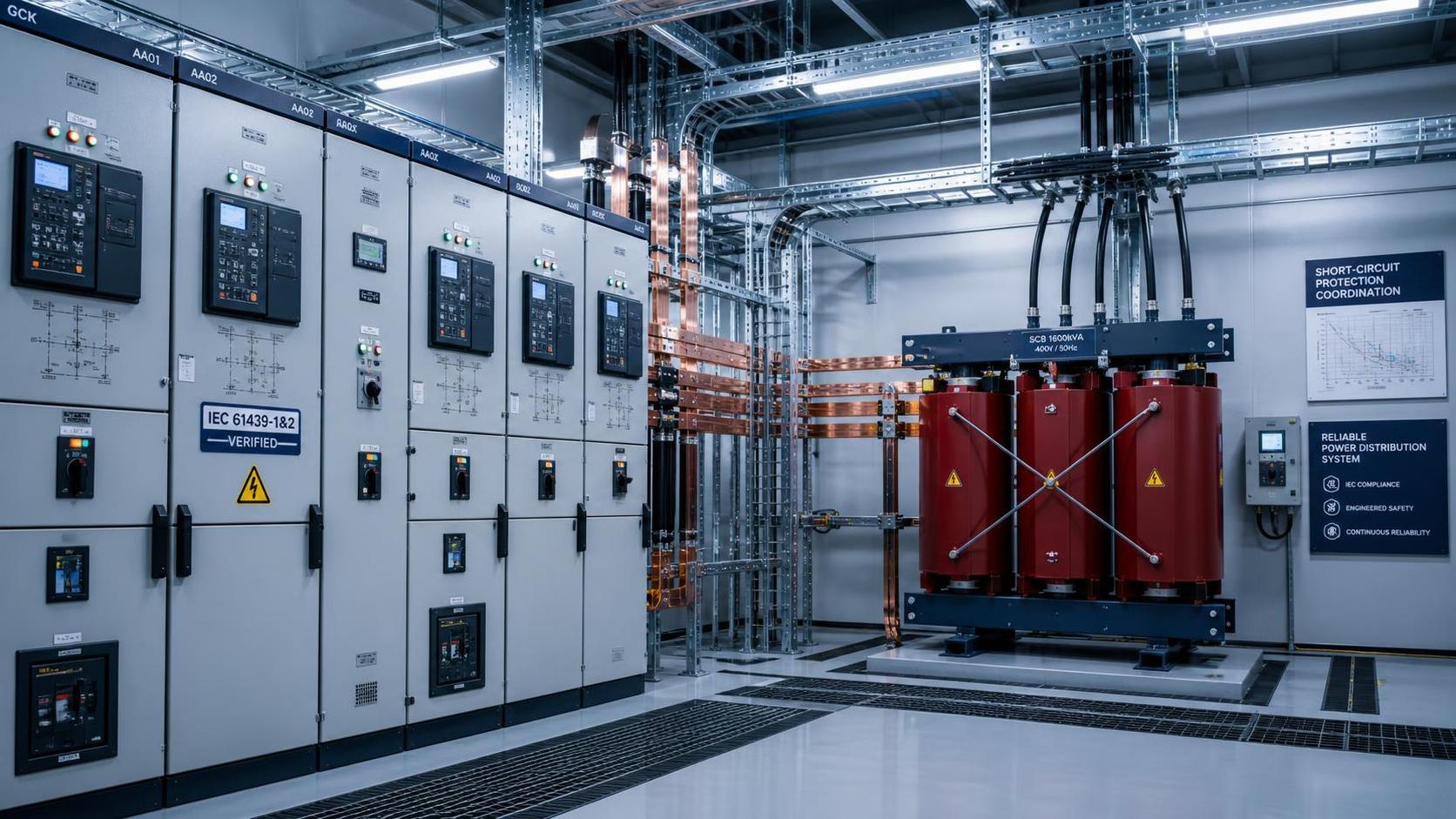
In power distribution, switchgear, transformers, cables, protection devices, and control assemblies face thermal stress, vibration, moisture, dust, and load variation. Reliability begins with design choices that account for those realities.
It also includes process reliability. A reliable Electrical & Power manufacturer controls raw materials, assembly tolerances, inspection records, and final testing. Without process discipline, product claims remain unproven.
Commercial reliability matters too. Stable lead times, clear documentation, revision control, and responsive technical communication reduce execution risk for infrastructure, utility, and industrial expansion projects.
Key signs of basic reliability
- Verified compliance with CE, UL, IEC, ISO, or market-specific standards
- Repeatable quality control from incoming material to final test
- Clear product traceability and serial-level documentation
- Application engineering support before and after delivery
- Evidence of field performance in comparable operating conditions
Which certifications and technical documents should be checked first?
A reliable Electrical & Power manufacturer should present certifications that match the actual product and target market. Generic claims are not enough. The document must connect directly to model range, test scope, and rated conditions.
Start with core compliance records. These may include CE declarations, UL listings, IEC test reports, ISO 9001 certificates, RoHS statements, and environmental or safety approvals relevant to the installation geography.
Then review technical documents. Data sheets, GA drawings, wiring diagrams, material lists, derating curves, short-circuit ratings, ingress protection levels, and thermal performance data reveal whether the manufacturer truly understands application detail.
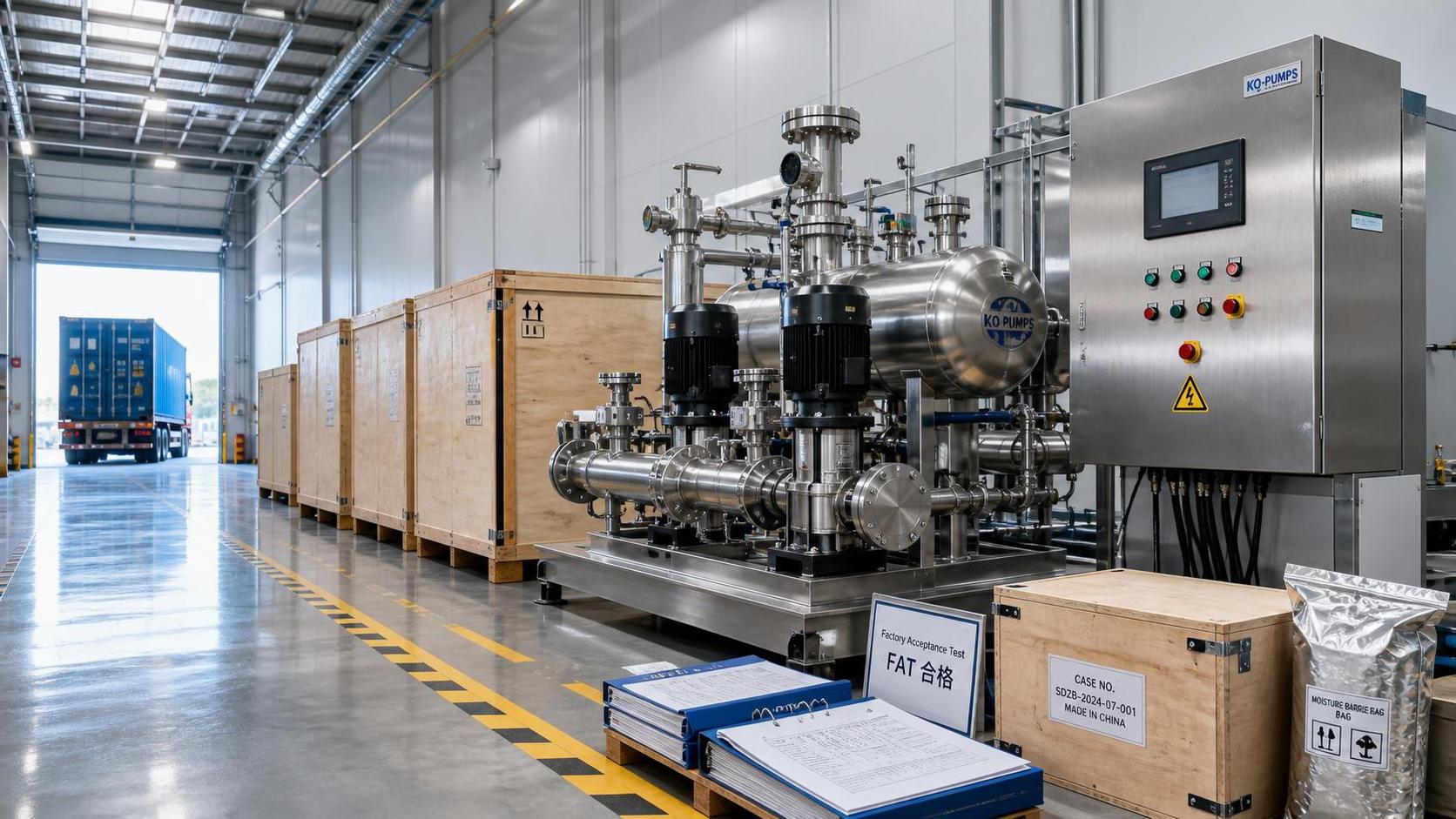
Factory acceptance test records are especially valuable. They show whether the Electrical & Power manufacturer validates performance before dispatch, rather than relying on paperwork alone.
Documents worth requesting
- Product certification linked to exact model numbers
- Routine test and type test reports
- Quality management certification and audit status
- Material traceability or batch control records
- Installation, operation, and maintenance manuals
How can production capability and quality consistency be verified?
Production scale alone does not make an Electrical & Power manufacturer reliable. What matters more is whether output remains consistent across batches, custom variants, and changing delivery volumes.
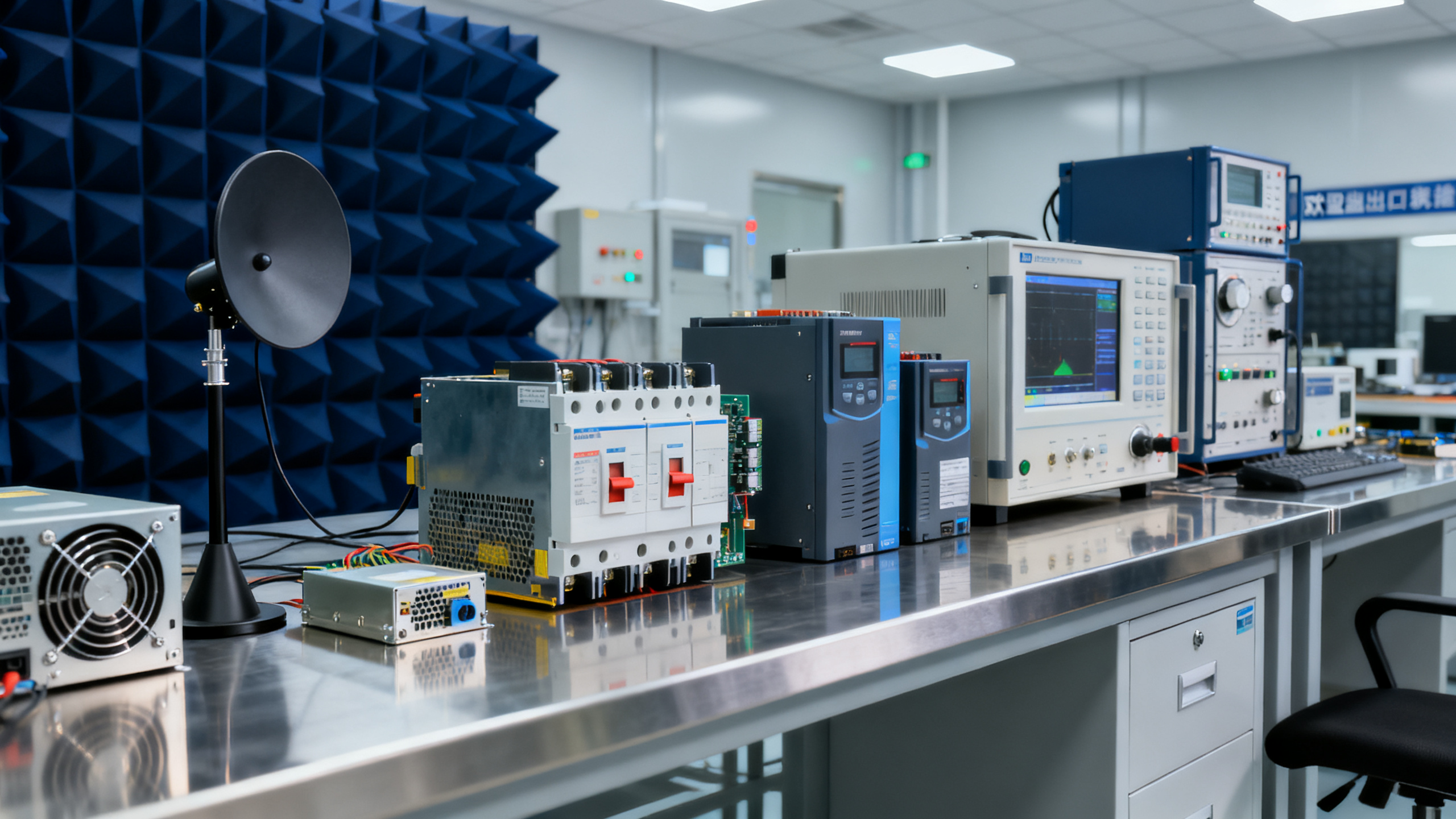
A strong manufacturer usually has documented incoming inspection, calibrated test equipment, controlled work instructions, and closed-loop nonconformance management. These systems reduce variation before defects reach the site.
Factory visits, third-party audits, or virtual walkthroughs can reveal useful signals. Look for organized workflows, labeled components, segregated rework zones, and visible calibration status. Disorder often predicts downstream risk.
Ask how engineering changes are managed. A reliable Electrical & Power manufacturer tracks revisions carefully, preventing old drawings or superseded parts from entering current production.
Questions that expose process strength
- How are critical components approved and substituted?
- What percentage of output receives routine electrical testing?
- How are failures recorded, analyzed, and corrected?
- Can batch records be traced after shipment?
- What is the escalation path for urgent quality issues?
How important is application experience in different industries?
Application experience is a major reliability indicator because power products behave differently across sectors. An Electrical & Power manufacturer serving data centers may not automatically suit mining, water treatment, marine, or petrochemical environments.
The best suppliers understand duty cycles, enclosure demands, ambient temperatures, contamination levels, and maintenance access constraints. They know where failures usually start and how to engineer around them.
Industry-specific references help validate fit. Comparable case studies, installed base data, and customer acceptance in similar facilities often reveal more than a polished catalog.
This matters especially in critical infrastructure. A reliable Electrical & Power manufacturer should explain why a solution works in a given application, not simply state that it can be supplied.
Examples of application-fit considerations
What are the biggest warning signs when comparing suppliers?
Several red flags can weaken confidence in an Electrical & Power manufacturer. The most common is inconsistent documentation. If ratings, drawings, and certifications do not align, technical risk rises immediately.
Another warning sign is vague testing language. Terms like “factory checked” or “quality approved” are not substitutes for named standards, measured values, and documented test scope.
Watch for unstable communication during technical review. Delayed answers, unclear engineering ownership, or frequent quotation revisions may indicate weak internal control.
An Electrical & Power manufacturer should also be transparent about supply chain dependencies. Hidden subcontracting, uncontrolled component substitutions, or poor spare part planning can create future compatibility issues.
Common selection mistakes
- Choosing only on lowest price
- Ignoring lifecycle support and spare availability
- Accepting certificates without scope verification
- Overlooking local service or commissioning capacity
- Assuming catalog claims equal field performance
How should long-term value, lead time, and support be evaluated?
A reliable Electrical & Power manufacturer creates value beyond first delivery. Long-term performance depends on service access, replacement part continuity, technical responsiveness, and the ability to support future upgrades.
Lead time should be realistic, not merely attractive. Short promises without component security often lead to delayed shipments or unauthorized substitutions. A trustworthy supplier explains schedule assumptions clearly.
Support capability matters during commissioning and after energization. Fast issue resolution can protect uptime and prevent expensive rework. For critical assets, local or regional service networks add practical resilience.
When comparing options, total cost of ownership is more meaningful than invoice price. The right Electrical & Power manufacturer lowers failure exposure, downtime costs, and compliance risk over the system lifespan.
FAQ summary table
A reliable Electrical & Power manufacturer proves capability through evidence, not slogans. The most dependable partners combine certified compliance, disciplined production, application knowledge, and responsive support.
Before final selection, compare suppliers against the same technical checklist, request supporting documents, and validate real operating references. A structured review improves safety, strengthens continuity, and protects long-term infrastructure value.
For organizations building resilient industrial systems, deeper evaluation is worth the effort. Better manufacturer selection today can reduce maintenance disruption, compliance exposure, and replacement cost for years ahead.
Technical Specifications
- How to Select Electronic Hotel Key Card Locks for Guest Rooms and Staff AreasAuthor :Safety Compliance Lead
- How to Select Lab Instruments for Reliable Chemical Analysis WorkflowsAuthor :Precision Metrology Expert
- How to Size a UPS for Server Rooms: Load, Runtime, and Redundancy FactorsAuthor :Grid Infrastructure Analyst
Expert Insights

Chief Security Architect
Dr. Thorne specializes in the intersection of structural engineering and digital resilience. He has advised three G7 governments on industrial infrastructure security.
Related Analysis
- Sep 17, 2026How to Select Electronic Hotel Key Card Locks for Guest Rooms and Staff AreasAuthor :Safety Compliance Lead
- Sep 16, 2026How to Select Lab Instruments for Reliable Chemical Analysis WorkflowsAuthor :Precision Metrology Expert
- Sep 15, 2026How to Size a UPS for Server Rooms: Load, Runtime, and Redundancy FactorsAuthor :Grid Infrastructure Analyst
Core Sector // 01
Security & Safety
- How to Size a UPS for Server Rooms: Load, Runtime, and Redundancy FactorsAuthor :Grid Infrastructure Analyst

- How to Choose a Step-Down Transformer for a Control Panel: Key Sizing FactorsAuthor :Grid Infrastructure Analyst

- How Often Should Overseas Power Systems Undergo Safety Inspections?Author :Grid Infrastructure Analyst

- How to Choose Panels for Extreme-Cold Industrial Sites?Author :Grid Infrastructure Analyst

- What Should a Cross-Border EPC Equipment Procurement Reference Include?Author :Grid Infrastructure Analyst

- How to Compare Low-Voltage Equipment for Panel IntegrationAuthor :Grid Infrastructure Analyst

- IEC-Compliant Power Infrastructure: Key Design and Verification RequirementsAuthor :Grid Infrastructure Analyst

- Updated EN 61000-6-4:2026 Raises EMC Compliance Bar for EU-Bound Industrial EquipmentAuthor :Grid Infrastructure Analyst