US Sues 4 Chinese Container Giants for Price-Fixing
Author
Date Published
Reading Time
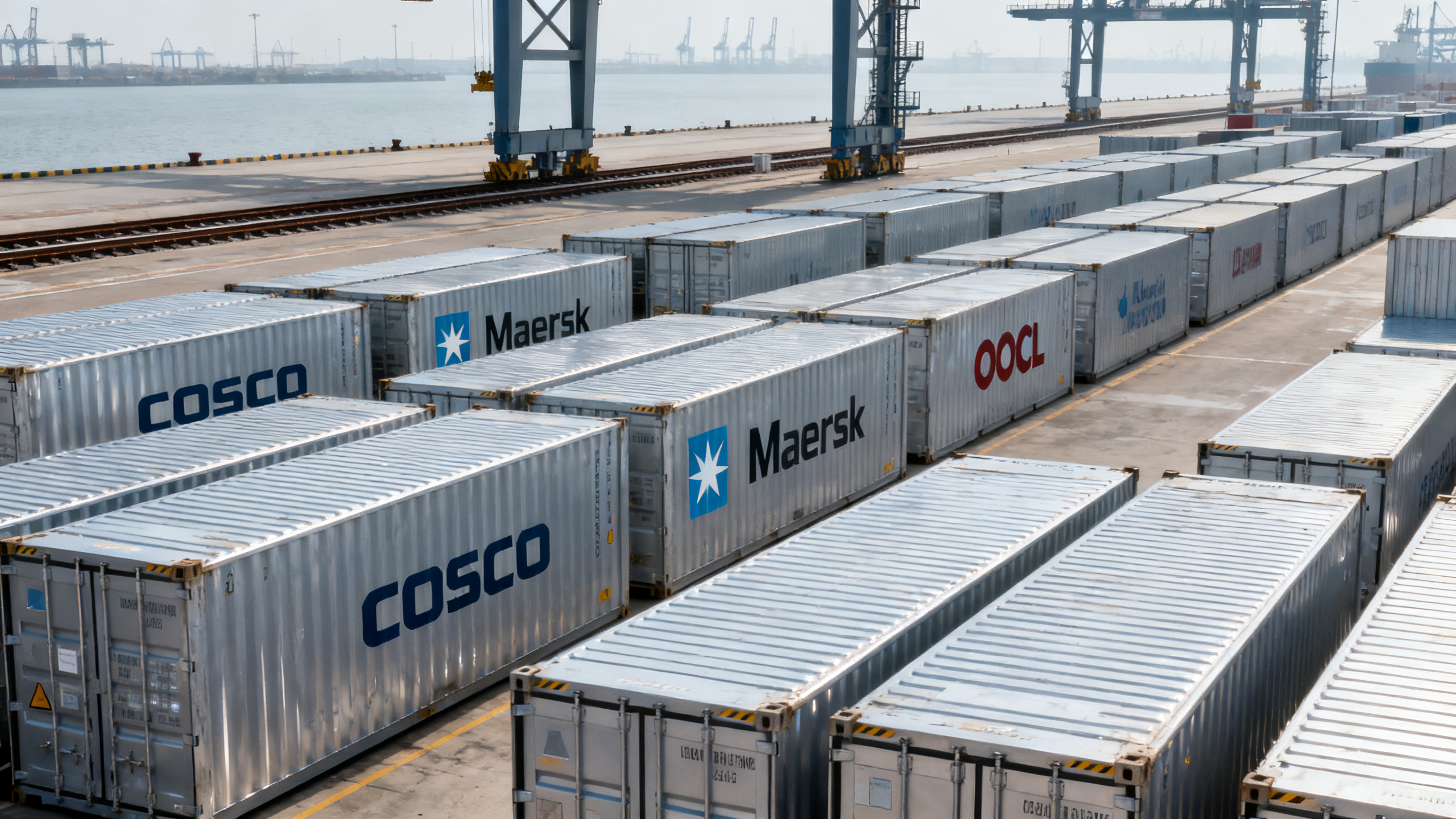
On May 21, 2026, the U.S. Department of Justice filed antitrust charges against four major container shipping and equipment management companies—COSCO Shipping, Maersk (under Chinese majority control), Seago Line (Hai Feng), and Orient Overseas Container Line (OOCL)—alleging coordinated restriction of empty container supply and manipulation of leasing rates between 2021 and 2023. The action marks the first major cross-border antitrust enforcement targeting container logistics infrastructure, with immediate implications for global trade cost structures, cargo visibility, and regulatory scrutiny across maritime, manufacturing, and industrial export sectors.
Event Overview
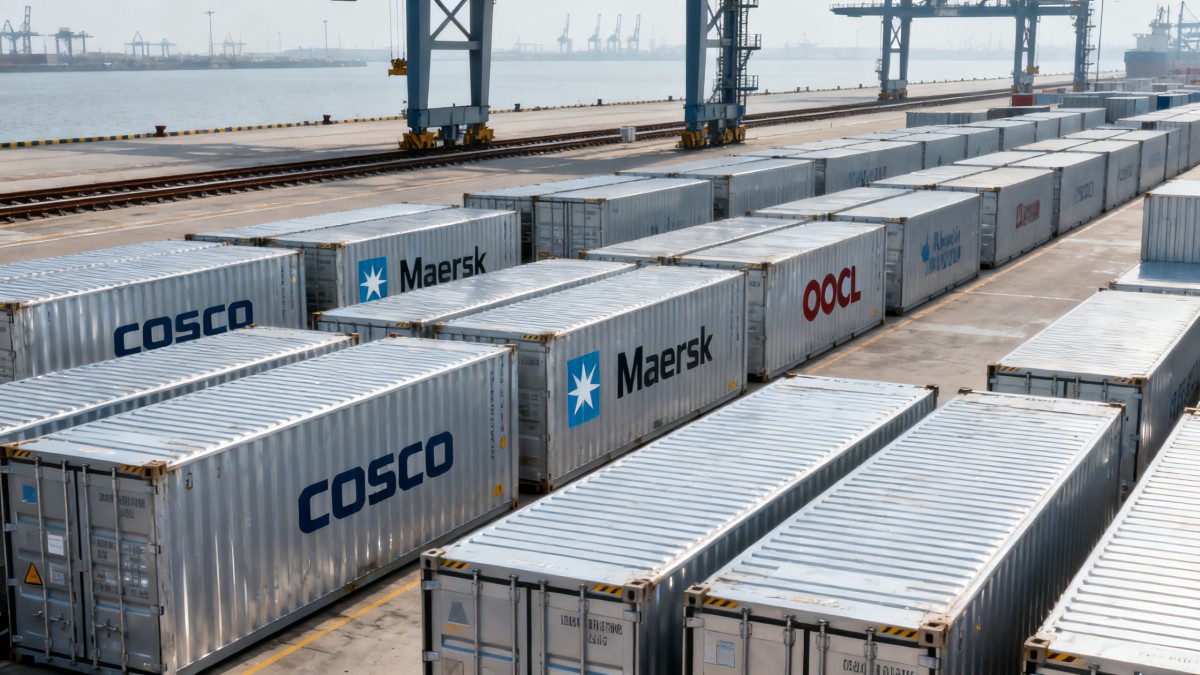
On May 21, 2026, the U.S. Department of Justice announced criminal antitrust charges against COSCO Shipping, Maersk (with controlling stake held by Chinese state-affiliated entities), Seago Line, and OOCL. The indictment alleges that, during the pandemic period (2021–2023), these firms coordinated to limit the availability of empty containers in key ports—including Rotterdam, Hamburg, and Los Angeles—and artificially inflated container leasing and repositioning fees. A senior executive was arrested in France pursuant to a U.S. extradition request. No court rulings or admissions of guilt have occurred; all defendants have denied the allegations.
Industries Affected
Direct Exporters and Importers
Exporters engaged in time-sensitive, high-volume shipments—especially in consumer electronics, home appliances, and automotive parts—face heightened uncertainty. The alleged coordination directly impacted container availability and lease pricing, increasing landed costs and reducing scheduling reliability on Europe–China routes. For importers, this translates into delayed inventory replenishment and elevated working capital pressure due to extended equipment dwell times and opaque surcharge structures.
Raw Material Procurement Firms
Firms sourcing bulk commodities—including copper cathodes, aluminum ingots, and insulated cables—rely on predictable container equipment flows to synchronize just-in-time delivery with smelters and wire-drawing plants. Disruptions in empty box circulation, as alleged, compound port congestion risks and raise demurrage/detention exposure—particularly at EU transshipment hubs where equipment reuse cycles are tightly calibrated.
Contract Manufacturers and OEMs
Electronics contract manufacturers and industrial equipment OEMs operating under fixed-price supply agreements face margin compression when freight cost volatility is not contractually hedged. The indictment’s focus on 2021–2023—a period of widespread freight index renegotiation—suggests potential retrospective audit exposure for firms that accepted rate addenda without independent benchmark validation.
Logistics Service Providers
Freight forwarders, NVOCCs, and digital freight platforms must now reassess contractual liability clauses tied to equipment availability representations. Their pricing models—often built on historical container turnover benchmarks—are vulnerable to recalibration if regulatory findings confirm systemic supply constraints were non-market-driven. Additionally, compliance teams face intensified due diligence requirements for sub-contracted equipment providers.
Key Considerations and Recommended Actions
Review Equipment-Related Contract Clauses
Parties should audit existing charter party addenda, lease agreements, and service-level commitments for force majeure definitions, equipment availability guarantees, and audit rights—especially where references to ‘market conditions’ or ‘operational constraints’ were used to justify rate adjustments between 2021 and 2023.
Stress-Test Europe–China Route Contingency Plans
Given the indictment’s geographic emphasis and the arrest in France, shippers should validate alternative routing options—including Baltic Sea gateways (e.g., Gdansk, Klaipėda) and multimodal rail alternatives—alongside updated carrier capacity allocation policies for Q3–Q4 2026.
Prepare for Potential Extension to Industrial Export Categories
The DOJ statement explicitly notes possible expansion of investigation into U.S. imports of industrial equipment—including transformers, power cables, and switchgear—where container leasing terms may have influenced landed cost competitiveness. Exporters in these categories should proactively document pricing methodologies, equipment cost pass-through mechanisms, and third-party verification processes.
Editorial Perspective / Industry Observation
Observably, this case signals a structural shift in antitrust enforcement: from focusing on end-product pricing to scrutinizing foundational logistics inputs—such as container equipment access—as essential facilities under competition law. Analysis shows that while container leasing has long operated with limited transparency, the DOJ’s framing treats standardized dry freight boxes not as fungible assets but as infrastructure subject to collective conduct rules. From an industry perspective, this is less about isolated price-fixing and more about testing whether coordinated operational decisions—like empty box repositioning algorithms or regional equipment pooling—can constitute ‘agreement’ under Section 1 of the Sherman Act, even absent direct communication.
Conclusion
This enforcement action does not represent a discrete legal episode but rather a precedent-setting calibration of regulatory attention toward maritime equipment ecosystems. It underscores that compliance expectations for global supply chain actors now extend beyond customs declarations and sanctions screening to include granular oversight of asset utilization logic and inter-carrier data-sharing protocols. A rational interpretation is that resilience planning must now integrate antitrust risk mapping—not only for pricing but for shared infrastructure governance.
Source Attribution
U.S. Department of Justice Press Release, May 21, 2026 (Case No. 26-CR-00287, Southern District of New York); French National Judicial Police Statement, May 21, 2026; International Chamber of Shipping (ICS) Market Transparency Bulletin, May 2026. Note: Ongoing developments—including potential parallel investigations by the European Commission and responses from China’s Ministry of Commerce—are under active monitoring.
Technical Specifications
- How to Select Electronic Hotel Key Card Locks for Guest Rooms and Staff AreasAuthor :Safety Compliance Lead
- How to Select Lab Instruments for Reliable Chemical Analysis WorkflowsAuthor :Precision Metrology Expert
- How to Size a UPS for Server Rooms: Load, Runtime, and Redundancy FactorsAuthor :Grid Infrastructure Analyst
Expert Insights

Chief Security Architect
Dr. Thorne specializes in the intersection of structural engineering and digital resilience. He has advised three G7 governments on industrial infrastructure security.
Related Analysis
- Sep 17, 2026How to Select Electronic Hotel Key Card Locks for Guest Rooms and Staff AreasAuthor :Safety Compliance Lead
- Sep 16, 2026How to Select Lab Instruments for Reliable Chemical Analysis WorkflowsAuthor :Precision Metrology Expert
- Sep 15, 2026How to Size a UPS for Server Rooms: Load, Runtime, and Redundancy FactorsAuthor :Grid Infrastructure Analyst
Core Sector // 01
Security & Safety
- How to Size a UPS for Server Rooms: Load, Runtime, and Redundancy FactorsAuthor :Grid Infrastructure Analyst

- How to Choose a Step-Down Transformer for a Control Panel: Key Sizing FactorsAuthor :Grid Infrastructure Analyst

- How Often Should Overseas Power Systems Undergo Safety Inspections?Author :Grid Infrastructure Analyst

- How to Choose Panels for Extreme-Cold Industrial Sites?Author :Grid Infrastructure Analyst

- What Should a Cross-Border EPC Equipment Procurement Reference Include?Author :Grid Infrastructure Analyst

- How to Compare Low-Voltage Equipment for Panel IntegrationAuthor :Grid Infrastructure Analyst

- IEC-Compliant Power Infrastructure: Key Design and Verification RequirementsAuthor :Grid Infrastructure Analyst

- Updated EN 61000-6-4:2026 Raises EMC Compliance Bar for EU-Bound Industrial EquipmentAuthor :Grid Infrastructure Analyst