4th China International Supply Chain Expo Opens May 22, 2026
Author
Date Published
Reading Time
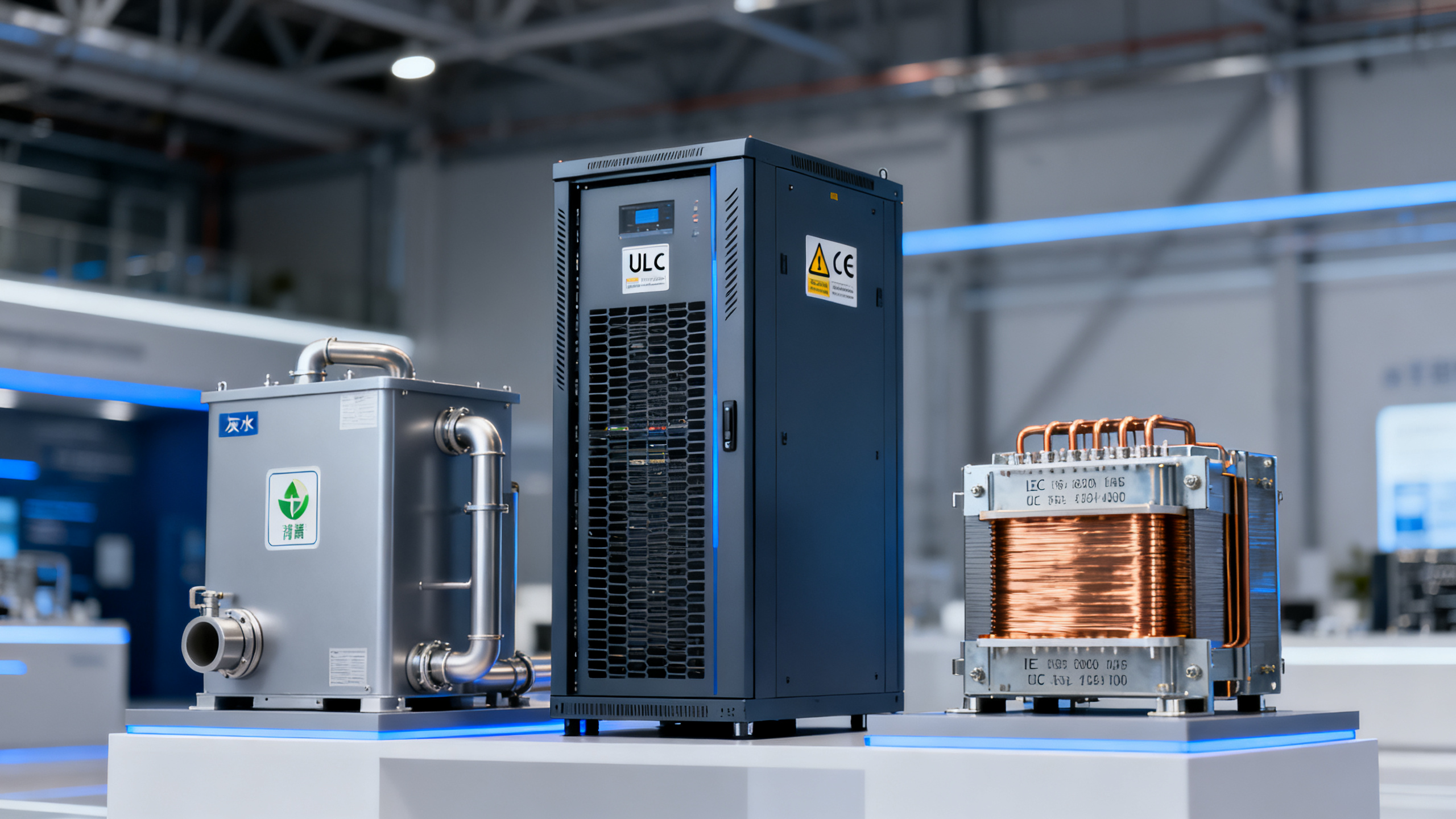
The 4th China International Supply Chain Promotion Expo will open in Beijing on May 22, 2026 — a timely signal for industries engaged in green power infrastructure, intelligent security systems, and industrial environmental management. With its focus on certified, integrated solutions, the event carries implications for global EPC contractors, distributors, and system integrators seeking compliant, deployable technologies.
Event Overview
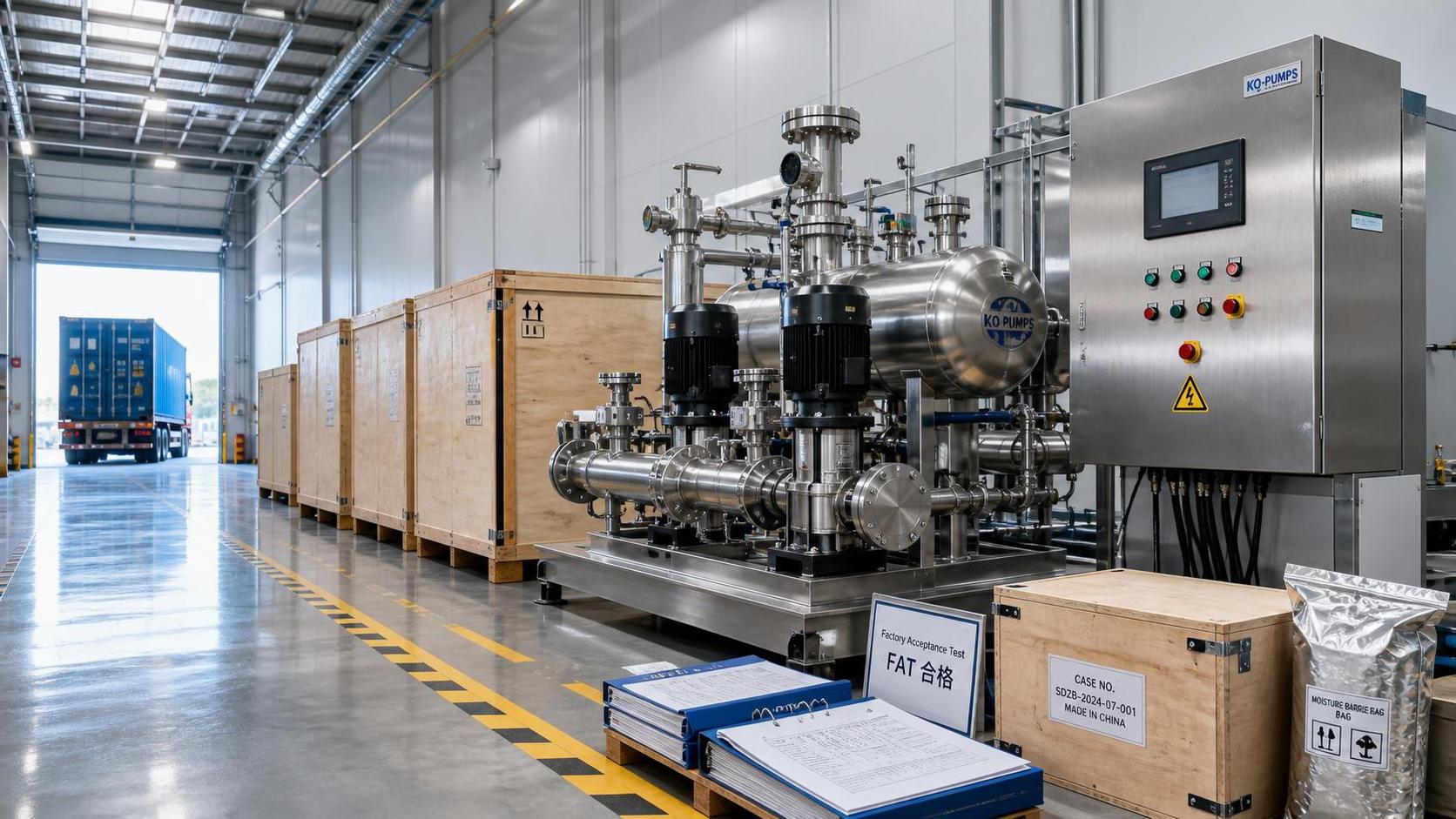
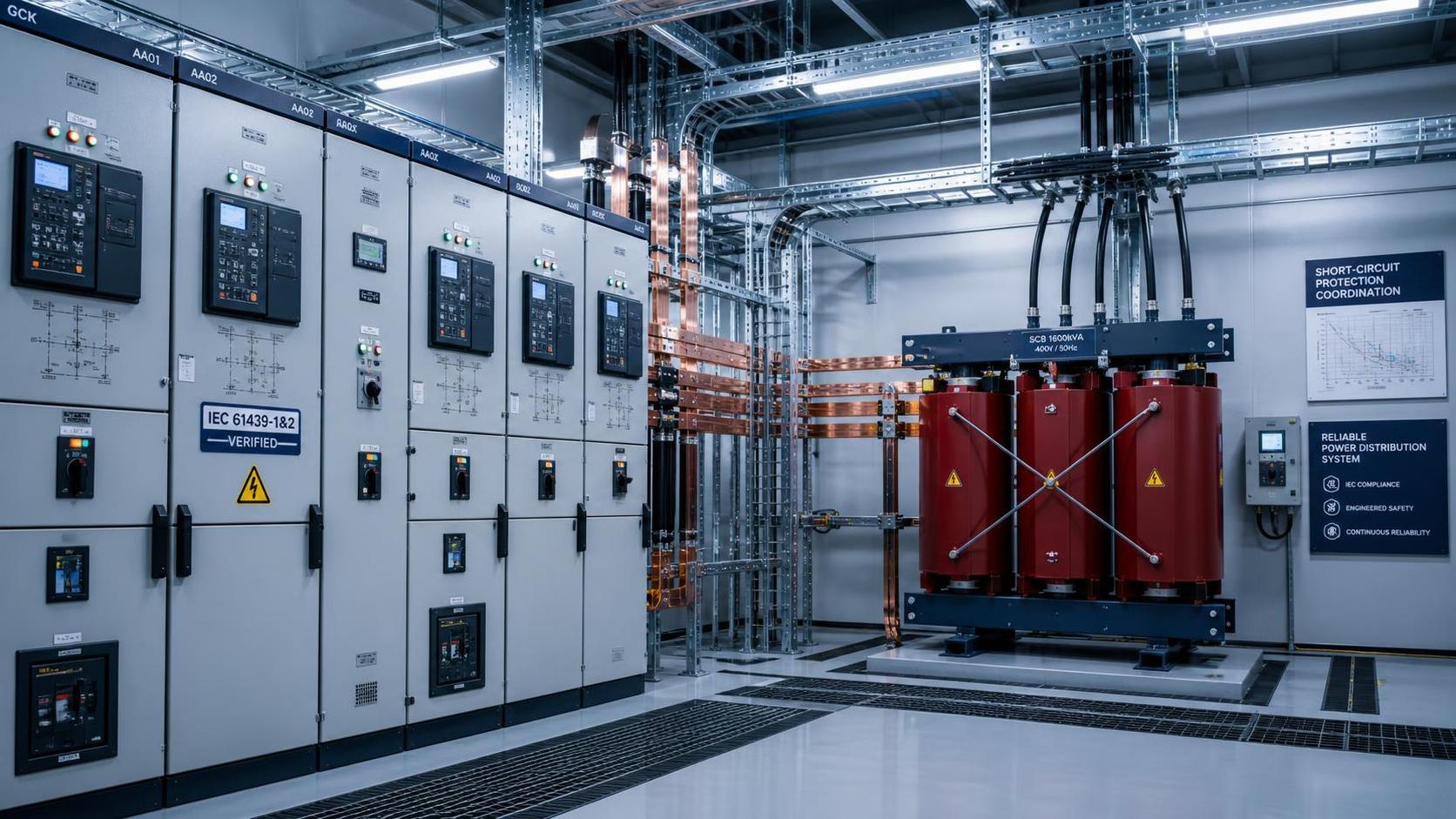
The State Council Information Office announced on May 22, 2026, that the 4th China International Supply Chain Promotion Expo will be held from May 22 to 25, 2026, in Beijing. The exhibition features three dedicated thematic zones: ‘Green Power Equipment’, ‘Intelligent Security and Emergency Response’, and ‘Industrial Environmental Governance’. Confirmed exhibits include transformer energy-efficiency upgrade solutions, AI-powered video analytics edge servers, and modular greywater recycling systems. Overseas EPC contractors and distributors are invited to connect onsite with Chinese integrated solution providers holding UL, CE, or IEC certifications.
Impact on Specific Industry Segments
Direct Trade Enterprises (EPC Contractors & Distributors)
These entities are directly positioned to source certified, turnkey solutions showcased at the Expo. Impact arises from the concentration of UL/CE/IEC-compliant Chinese suppliers in one venue — reducing pre-qualification time for international projects. The presence of integrated offerings (e.g., AI edge servers bundled with analytics software and mounting hardware) may shift procurement toward full-stack vendors rather than component-level sourcing.
Manufacturing & System Integration Firms
Firms supplying components embedded in the featured solutions — such as high-efficiency core materials for transformers or low-power AI accelerators — face indirect but measurable demand signals. The emphasis on ‘integrated solutions’ suggests downstream buyers increasingly prioritize interoperability and certification readiness over standalone specs. This may accelerate adoption of standardized interfaces and pre-certified subsystems.
Industrial End Users (e.g., Data Centers, Municipal Utilities, Industrial Parks)
While not exhibitors, these users benefit from visibility into field-deployable, compliance-verified systems — particularly for green power upgrades and emergency response automation. The Expo’s focus on modular, scalable technologies (e.g., containerized greywater units) signals a market shift toward faster deployment cycles and lifecycle cost transparency, influencing CAPEX planning and vendor evaluation criteria.
What Relevant Enterprises or Practitioners Should Focus On — and How to Respond
Monitor official participant lists and certification documentation post-event
Analysis shows that UL/CE/IEC certification status is explicitly highlighted as a selection criterion for participating solution providers. Enterprises should track which vendors publish full test reports or third-party validation summaries after the Expo — not just logo usage — to assess real compliance depth.
Map exhibited technologies against near-term project specifications
Observably, the showcased items — transformer efficiency upgrades, AI edge servers, modular water reuse — align closely with 2026–2027 tender requirements in ASEAN, Middle East, and Latin American infrastructure programs. Cross-referencing exhibit capabilities with active RFPs can inform bid preparation timelines and technical deviation assessments.
Distinguish between demonstration prototypes and commercially available units
From an industry perspective, not all exhibited systems will be production-ready or locally supported outside China. Enterprises should verify minimum order quantities, lead times, and regional service coverage before initiating technical evaluations — especially for AI video analytics platforms requiring model retraining or regulatory adaptation.
Prepare for increased scrutiny on supply chain traceability
Current more relevant than broad sustainability claims is demonstrable component-level origin data. As green power and environmental governance zones emphasize lifecycle performance, upstream suppliers may soon face requests for material declarations (e.g., REACH, RoHS), carbon intensity data per kWh, or water reuse efficiency metrics — all traceable to certified manufacturing batches.
Editorial Perspective / Industry Observation
This Expo is best understood not as a transactional trade fair, but as a coordination mechanism for cross-border supply chain alignment. Observably, the explicit linkage of certification standards (UL/CE/IEC) with specific application domains — rather than general ‘quality’ messaging — reflects maturing export discipline among Chinese solution providers. Analysis shows this signals a pivot from volume-driven exports toward compliance-integrated delivery. It does not yet represent widespread market penetration, but rather a concentrated effort to lower adoption barriers for regulated infrastructure segments. Continuous observation is warranted on whether participating vendors follow up with localized technical support, multilingual documentation, or regional certification renewals beyond initial show-floor claims.
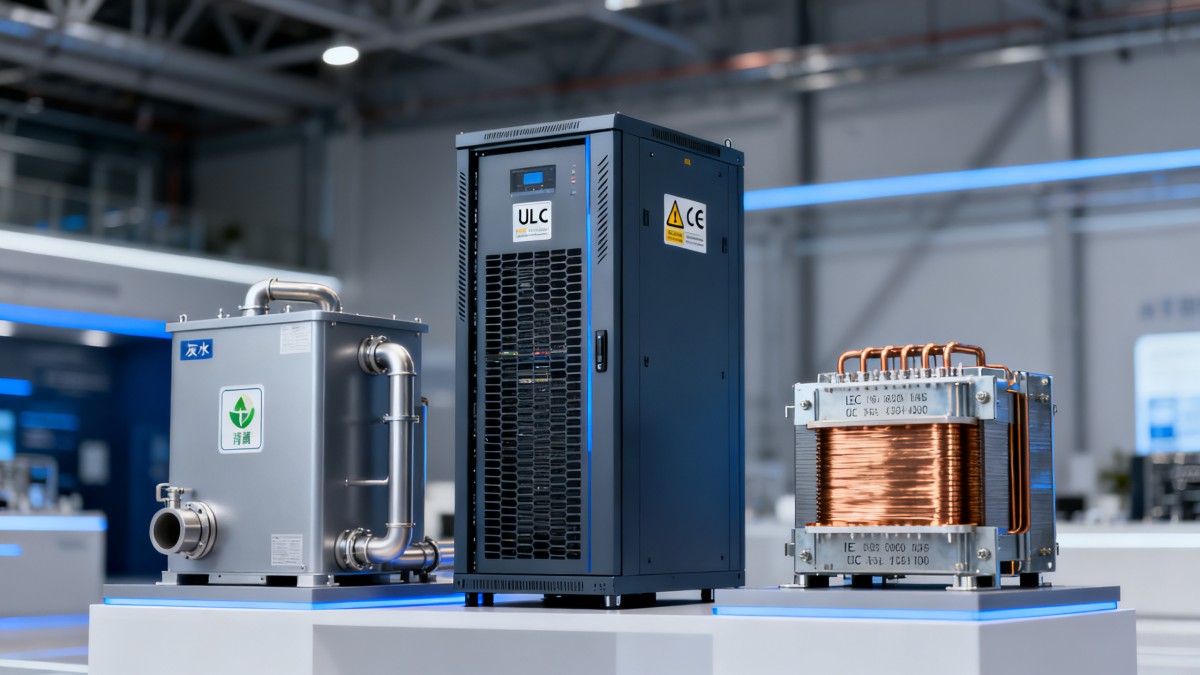
Conclusion: The 4th China International Supply Chain Promotion Expo serves as a calibrated indicator of shifting capability priorities among Chinese industrial exporters — particularly in sectors where safety, energy efficiency, and environmental compliance are non-negotiable. Its significance lies less in immediate sales volume and more in the formalization of certifiable, application-specific integration. For global stakeholders, it is better interpreted as a structured opportunity to benchmark technical readiness and compliance pathways — not as a forecast of automatic market access or accelerated project timelines.
Source: State Council Information Office press briefing, May 22, 2026.
Noted for ongoing observation: Certification validity timelines, post-Expo technical support disclosures, and regional deployment case studies published by participating vendors.
Technical Specifications
- How to Select Electronic Hotel Key Card Locks for Guest Rooms and Staff AreasAuthor :Safety Compliance Lead
- How to Select Lab Instruments for Reliable Chemical Analysis WorkflowsAuthor :Precision Metrology Expert
- How to Size a UPS for Server Rooms: Load, Runtime, and Redundancy FactorsAuthor :Grid Infrastructure Analyst
Expert Insights

Chief Security Architect
Dr. Thorne specializes in the intersection of structural engineering and digital resilience. He has advised three G7 governments on industrial infrastructure security.
Related Analysis
- Sep 17, 2026How to Select Electronic Hotel Key Card Locks for Guest Rooms and Staff AreasAuthor :Safety Compliance Lead
- Sep 16, 2026How to Select Lab Instruments for Reliable Chemical Analysis WorkflowsAuthor :Precision Metrology Expert
- Sep 15, 2026How to Size a UPS for Server Rooms: Load, Runtime, and Redundancy FactorsAuthor :Grid Infrastructure Analyst
Core Sector // 01
Security & Safety
- How to Size a UPS for Server Rooms: Load, Runtime, and Redundancy FactorsAuthor :Grid Infrastructure Analyst

- How to Choose a Step-Down Transformer for a Control Panel: Key Sizing FactorsAuthor :Grid Infrastructure Analyst

- How Often Should Overseas Power Systems Undergo Safety Inspections?Author :Grid Infrastructure Analyst

- How to Choose Panels for Extreme-Cold Industrial Sites?Author :Grid Infrastructure Analyst

- What Should a Cross-Border EPC Equipment Procurement Reference Include?Author :Grid Infrastructure Analyst

- How to Compare Low-Voltage Equipment for Panel IntegrationAuthor :Grid Infrastructure Analyst

- IEC-Compliant Power Infrastructure: Key Design and Verification RequirementsAuthor :Grid Infrastructure Analyst

- Updated EN 61000-6-4:2026 Raises EMC Compliance Bar for EU-Bound Industrial EquipmentAuthor :Grid Infrastructure Analyst