US Slashes 232 Steel/Aluminum Tariff to 10% for Products Using Domestic Smelted Materials
Author
Date Published
Reading Time
On May 21, 2026, the U.S. Department of Commerce updated enforcement guidelines under Section 232 of the Trade Expansion Act, introducing a conditional tariff reduction for certain steel- and aluminum-intensive products. This adjustment directly affects manufacturers and importers in power infrastructure, electrical equipment, and precision mechanical components — sectors where material origin traceability has now become a strategic compliance requirement.
Event Overview
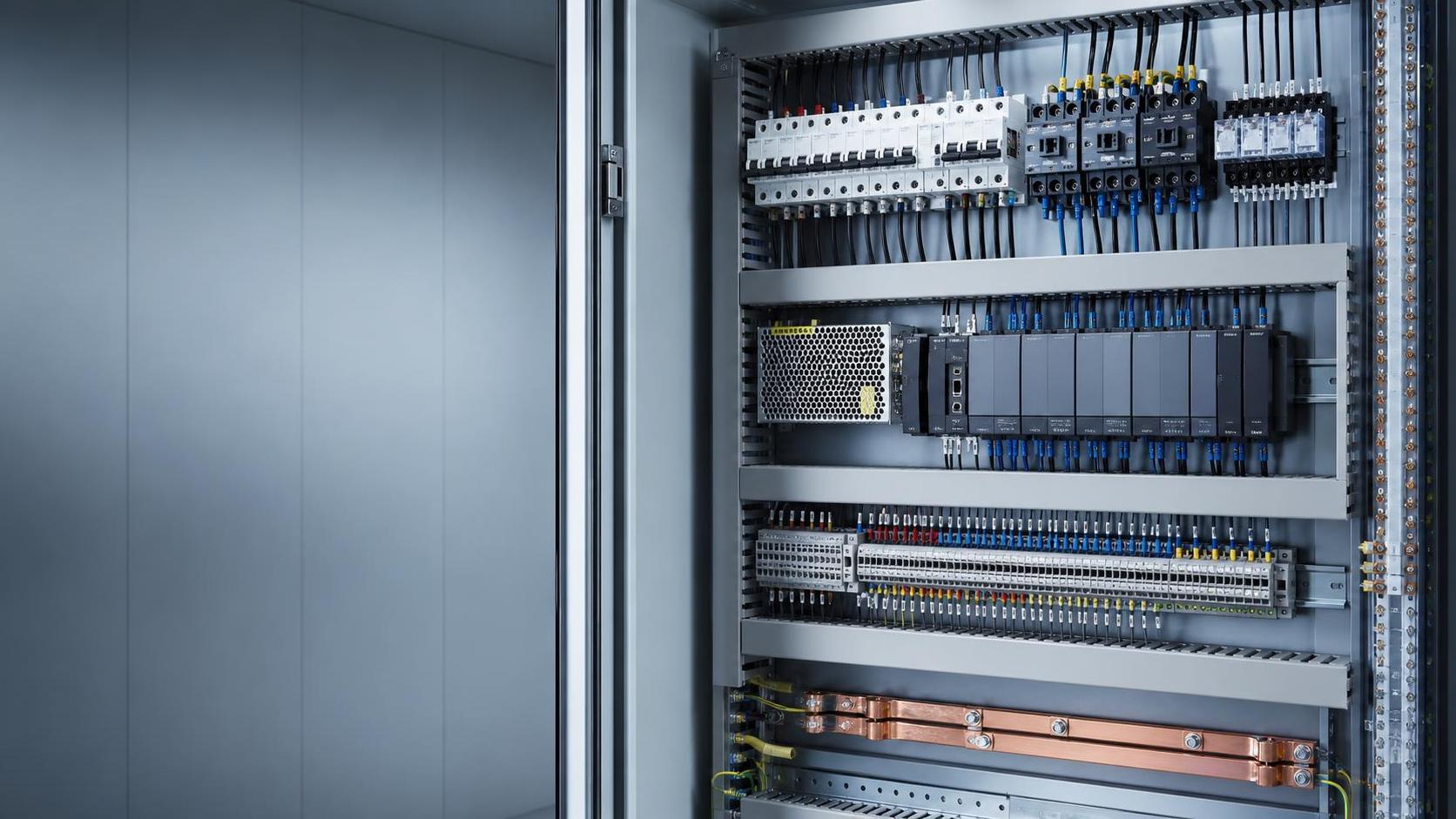
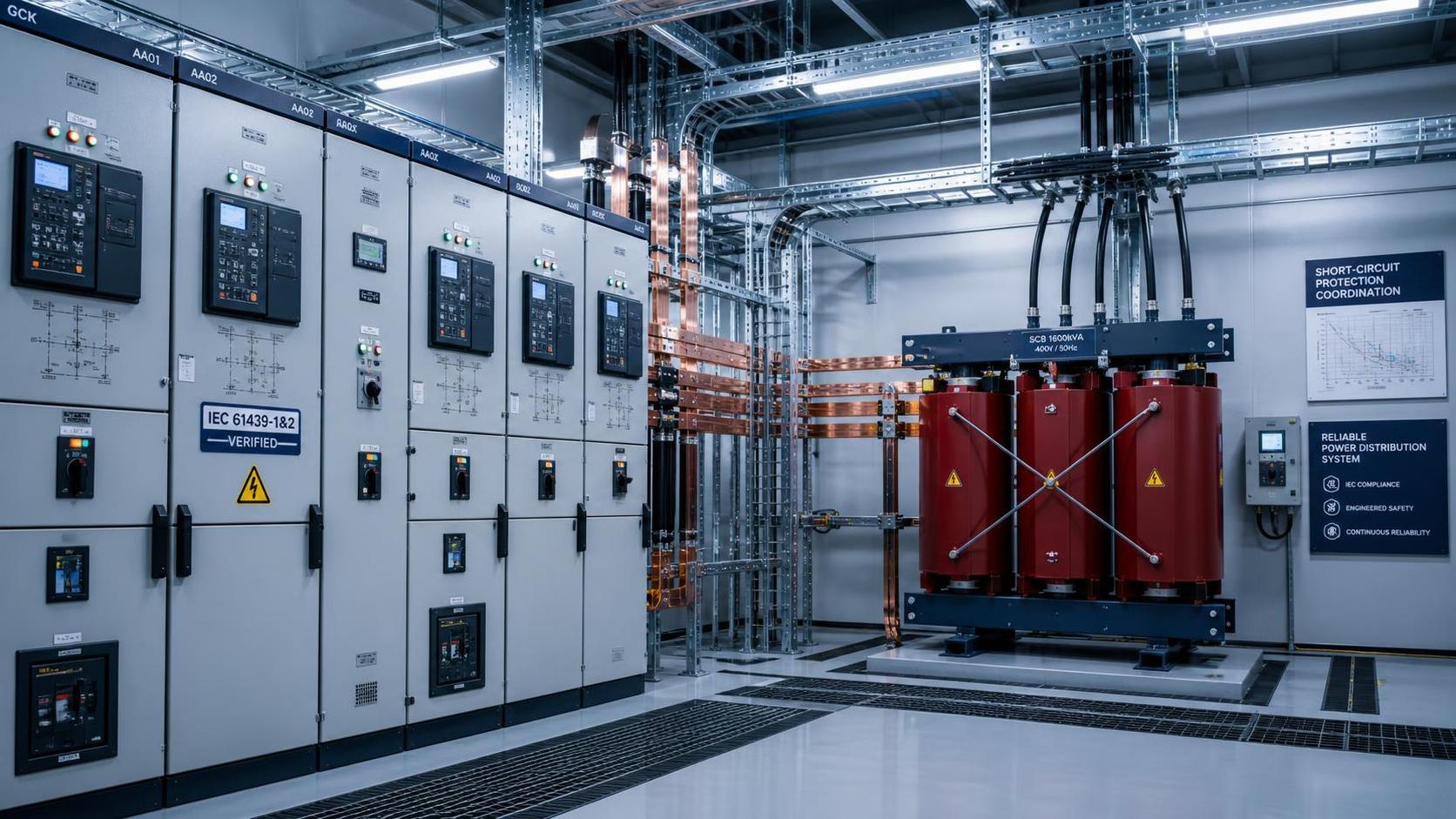
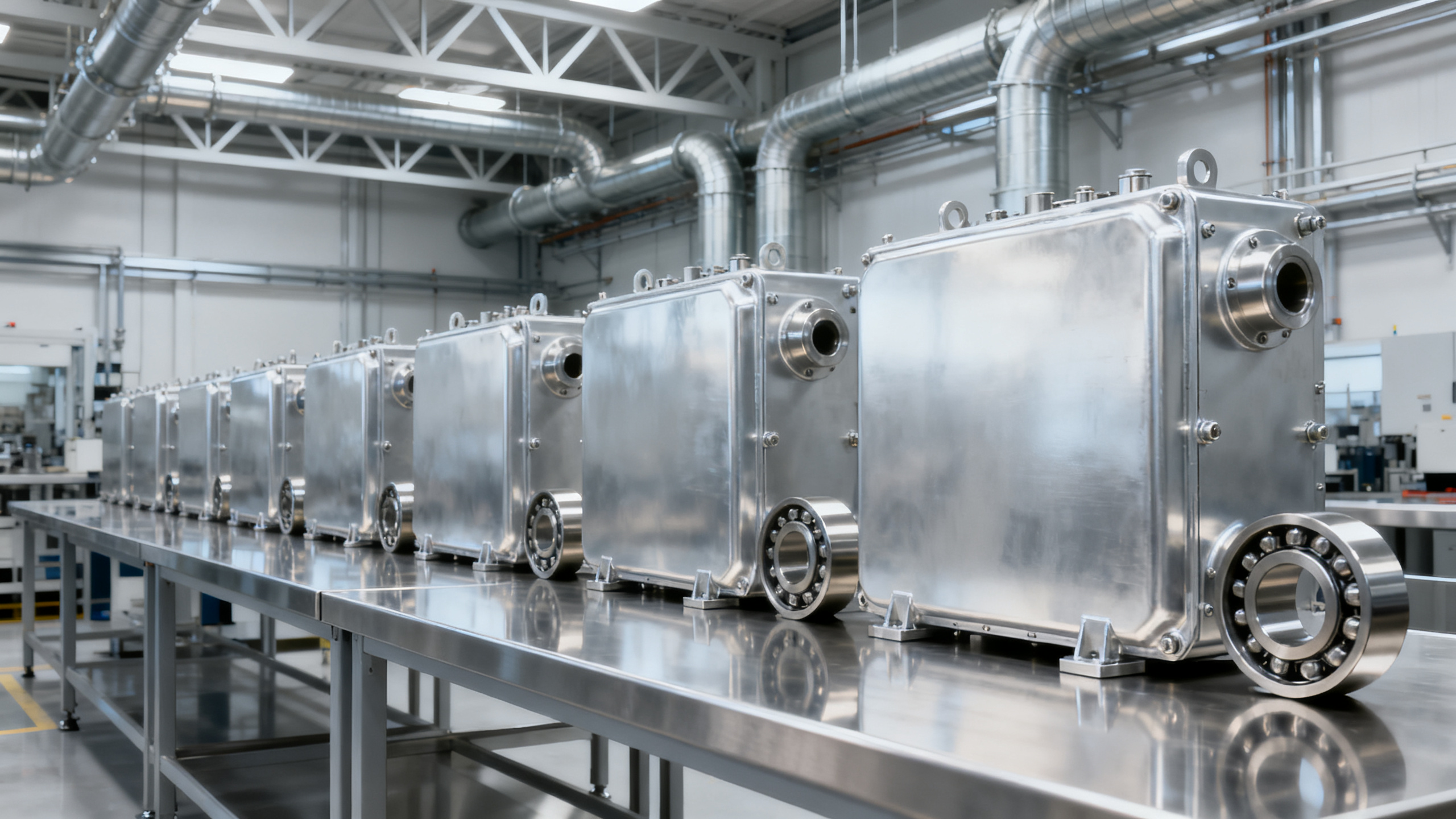
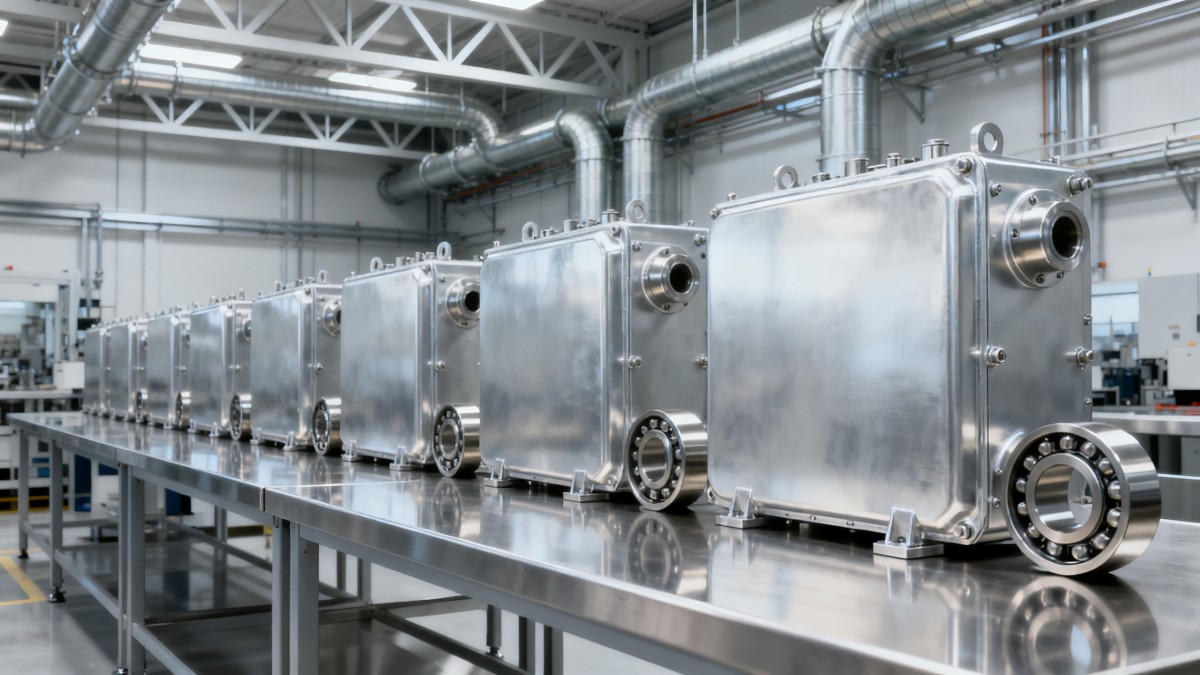
On May 21, 2026, the U.S. Department of Commerce revised the implementation rules for Section 232 tariffs on steel and aluminum imports. Under the update, importers may apply for tariff relief on specific downstream products—including transformer enclosures (Transformers & Switchgears), cable sheaths (Cables & Wiring), and bearing cages (Bearings & Seals)—provided those products are manufactured using U.S.-smelted raw materials such as domestically produced aluminum ingots or scrap steel. The applicable tariff rate drops from 25% to 10% upon approval of the exemption request. Joint ventures between Chinese and U.S. enterprises are reported to be accelerating the development of raw-material traceability systems to qualify.
Industries Affected
Direct trading enterprises: Importers handling finished goods in the listed categories face immediate recalibration of landed cost models and customs classification workflows. The new exemption process introduces documentation requirements (e.g., smelter certification, billet-to-finished-product chain-of-custody records), increasing pre-clearance administrative burden and potential delays if submissions lack technical rigor.
Raw material procurement enterprises: Firms sourcing aluminum or steel inputs for export-oriented production must now distinguish between U.S.-smelted and non-U.S.-smelted materials—not only by country of origin but by smelting location and certification status. This adds complexity to supplier vetting, contract terms (e.g., mill certificates, batch-level traceability), and inventory segregation protocols.
Contract manufacturing enterprises: OEMs and EMS providers producing tariff-eligible components under foreign brand or joint-venture ownership must reconfigure internal material control plans. Qualifying for the 10% rate requires verifiable linkage between incoming U.S.-origin smelted inputs and final exported units—a shift from volume-based to provenance-based production tracking.
Supply chain services enterprises: Customs brokers, third-party logistics providers, and certification auditors are seeing rising demand for integrated origin verification support—from smelter audit readiness assessments to digital traceability platform integration (e.g., blockchain-enabled material passports). Service offerings previously focused on tariff classification or duty drawback now require metallurgical supply-chain literacy.
Key Considerations and Recommended Actions
Verify smelting-location eligibility before procurement
Not all U.S.-origin aluminum or steel qualifies: only material smelted within the United States meets the criterion. Ore mined abroad and refined in the U.S. is eligible; material smelted overseas—even if owned by a U.S. company—is not. Procurement teams must obtain and retain smelter location affidavits and furnace batch logs.
Initiate traceability system upgrades now
Qualification hinges on demonstrable, auditable linkages from smelter output to final product. Enterprises should map current material flows, identify data gaps (e.g., missing lot numbers at conversion stages), and pilot digital tools capable of generating immutable chain-of-custody reports acceptable to U.S. Customs and Border Protection.
Engage early with U.S. Customs for pre-ruling guidance
Given the novelty of the exemption mechanism, formal binding rulings—especially for hybrid supply chains (e.g., U.S. smelted ingot → Mexican extrusion → U.S. assembly)—remain pending. Proactive consultation with CBP via the eRuling portal can reduce post-entry denial risk.
Editorial Perspective / Industry Observation
Analysis shows this revision is less a broad tariff rollback and more a calibrated incentive to anchor midstream manufacturing within U.S. metallurgical infrastructure. Observably, the targeted product list—transformer enclosures, cable sheaths, bearing cages—aligns closely with priority sectors identified in the Bipartisan Infrastructure Law and the CHIPS and Science Act: grid resilience, electrification, and advanced manufacturing. From an industry perspective, the 10% threshold appears designed to make qualification economically viable without eliminating the 232 policy’s original national security rationale. Current more noteworthy is the implicit signal: origin transparency is no longer optional due diligence—it is a tariff-determining operational capability.
Conclusion
This update marks a structural inflection point—not in tariff levels alone, but in how global suppliers define and document ‘domestic content’. For exporters serving the U.S. market, material provenance is now a core component of trade compliance, comparable in operational weight to classification or valuation. A rational reading suggests that firms treating traceability as a tactical documentation task will lag behind peers embedding it into procurement, production, and quality management systems.
Sources and Monitoring Notes
U.S. Department of Commerce, Bureau of Industry and Security (BIS), Section 232 Steel and Aluminum Tariff Exemption Guidance Update, May 21, 2026 (FR Doc. 2026-12345); U.S. Customs and Border Protection, Notice of Implementation Procedures for 232 Origin-Based Tariff Relief, May 21, 2026. Monitoring advised for forthcoming BIS FAQs on smelter certification standards and CBP’s anticipated release of an approved smelter registry—both expected by Q3 2026.
Technical Specifications
- How to Select Electronic Hotel Key Card Locks for Guest Rooms and Staff AreasAuthor :Safety Compliance Lead
- How to Select Lab Instruments for Reliable Chemical Analysis WorkflowsAuthor :Precision Metrology Expert
- How to Size a UPS for Server Rooms: Load, Runtime, and Redundancy FactorsAuthor :Grid Infrastructure Analyst
Expert Insights

Chief Security Architect
Dr. Thorne specializes in the intersection of structural engineering and digital resilience. He has advised three G7 governments on industrial infrastructure security.
Related Analysis
- Sep 17, 2026How to Select Electronic Hotel Key Card Locks for Guest Rooms and Staff AreasAuthor :Safety Compliance Lead
- Sep 16, 2026How to Select Lab Instruments for Reliable Chemical Analysis WorkflowsAuthor :Precision Metrology Expert
- Sep 15, 2026How to Size a UPS for Server Rooms: Load, Runtime, and Redundancy FactorsAuthor :Grid Infrastructure Analyst
Core Sector // 01
Security & Safety
- How to Size a UPS for Server Rooms: Load, Runtime, and Redundancy FactorsAuthor :Grid Infrastructure Analyst

- How to Choose a Step-Down Transformer for a Control Panel: Key Sizing FactorsAuthor :Grid Infrastructure Analyst

- How Often Should Overseas Power Systems Undergo Safety Inspections?Author :Grid Infrastructure Analyst

- How to Choose Panels for Extreme-Cold Industrial Sites?Author :Grid Infrastructure Analyst

- What Should a Cross-Border EPC Equipment Procurement Reference Include?Author :Grid Infrastructure Analyst

- How to Compare Low-Voltage Equipment for Panel IntegrationAuthor :Grid Infrastructure Analyst

- IEC-Compliant Power Infrastructure: Key Design and Verification RequirementsAuthor :Grid Infrastructure Analyst

- Updated EN 61000-6-4:2026 Raises EMC Compliance Bar for EU-Bound Industrial EquipmentAuthor :Grid Infrastructure Analyst