Power Grid Solutions for Industrial Facilities: How to Choose for Load Stability
Author
Date Published
Reading Time
Why Load Stability Should Drive Every Early Power Decision
Choosing the right power grid solutions for industrial facilities is not only about installed capacity. It is about keeping voltage, frequency, and power quality stable under real operating stress.
In heavy industry, one unstable feeder can interrupt production lines, damage drives, trip protection systems, and create safety exposure that spreads far beyond a single asset.
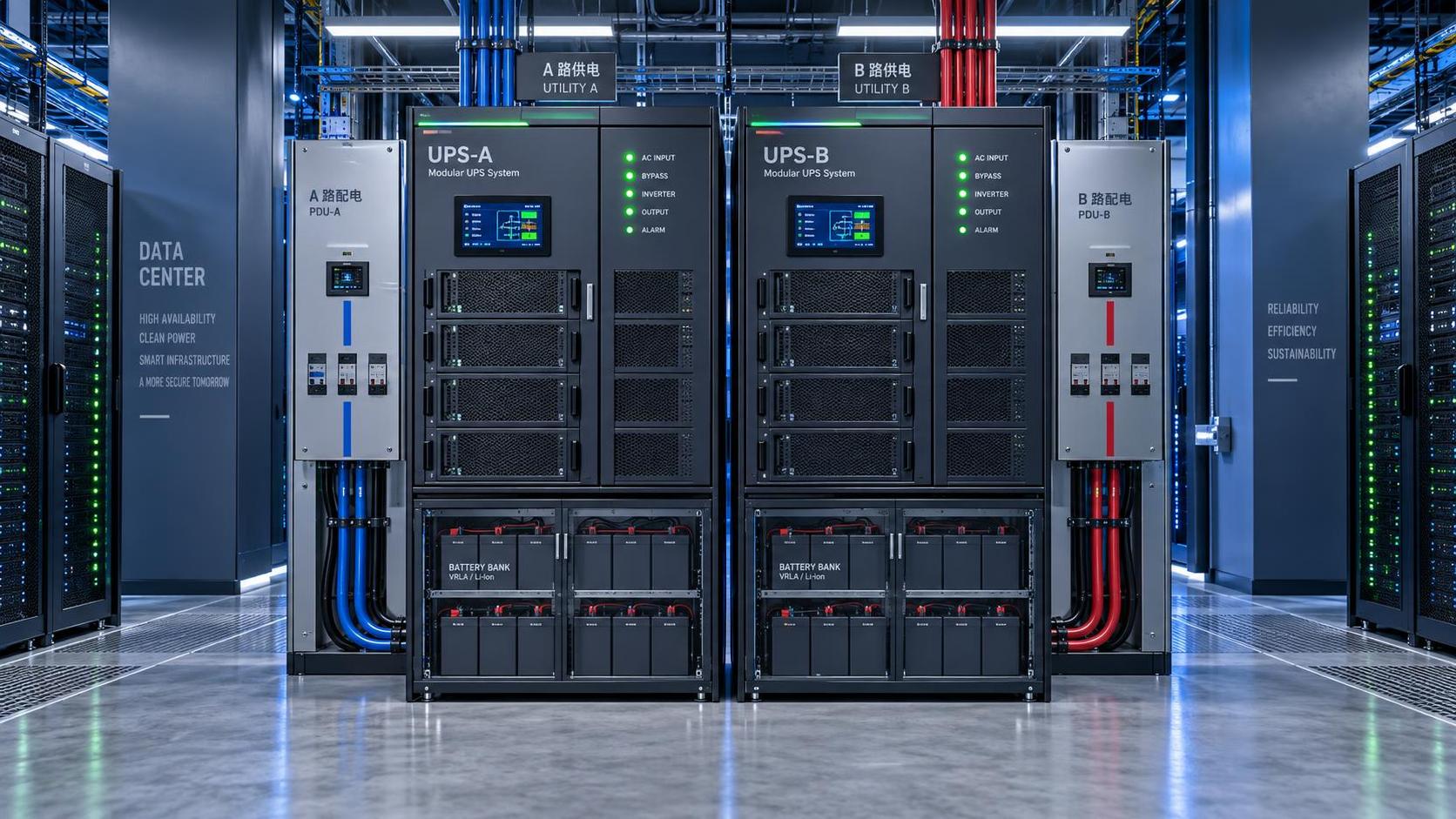
That is why power grid solutions for industrial facilities should be evaluated as a system. Utility interface, transformers, switchgear, backup power, monitoring, and grounding must work together.
Global Industrial Core (GIC) consistently frames this issue around resilience, compliance, and sourcing discipline. That approach is useful when uptime matters more than headline equipment price.
The practical goal is simple: build an electrical backbone that remains stable during peak demand, process variation, maintenance events, and unexpected disturbances.
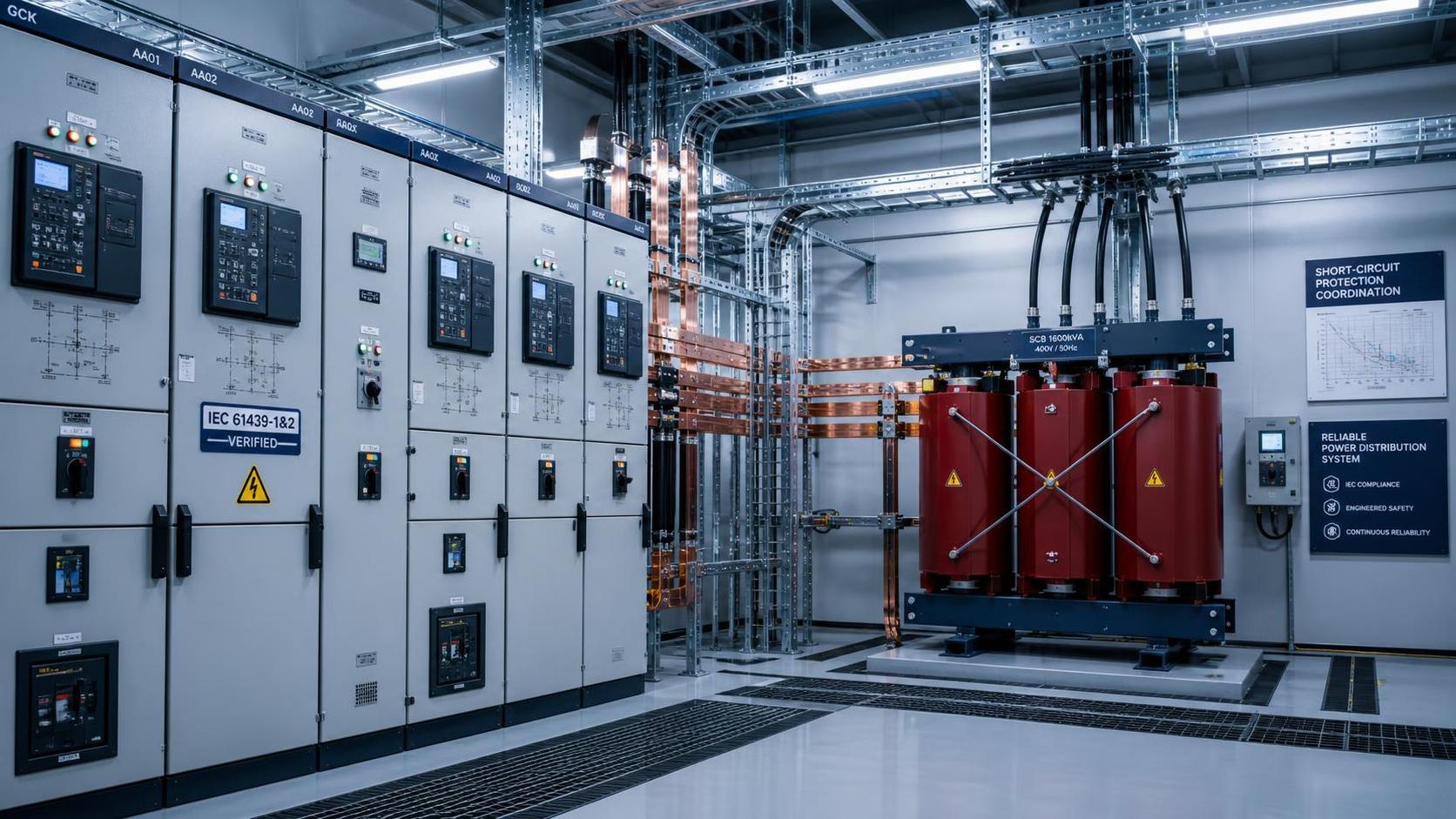
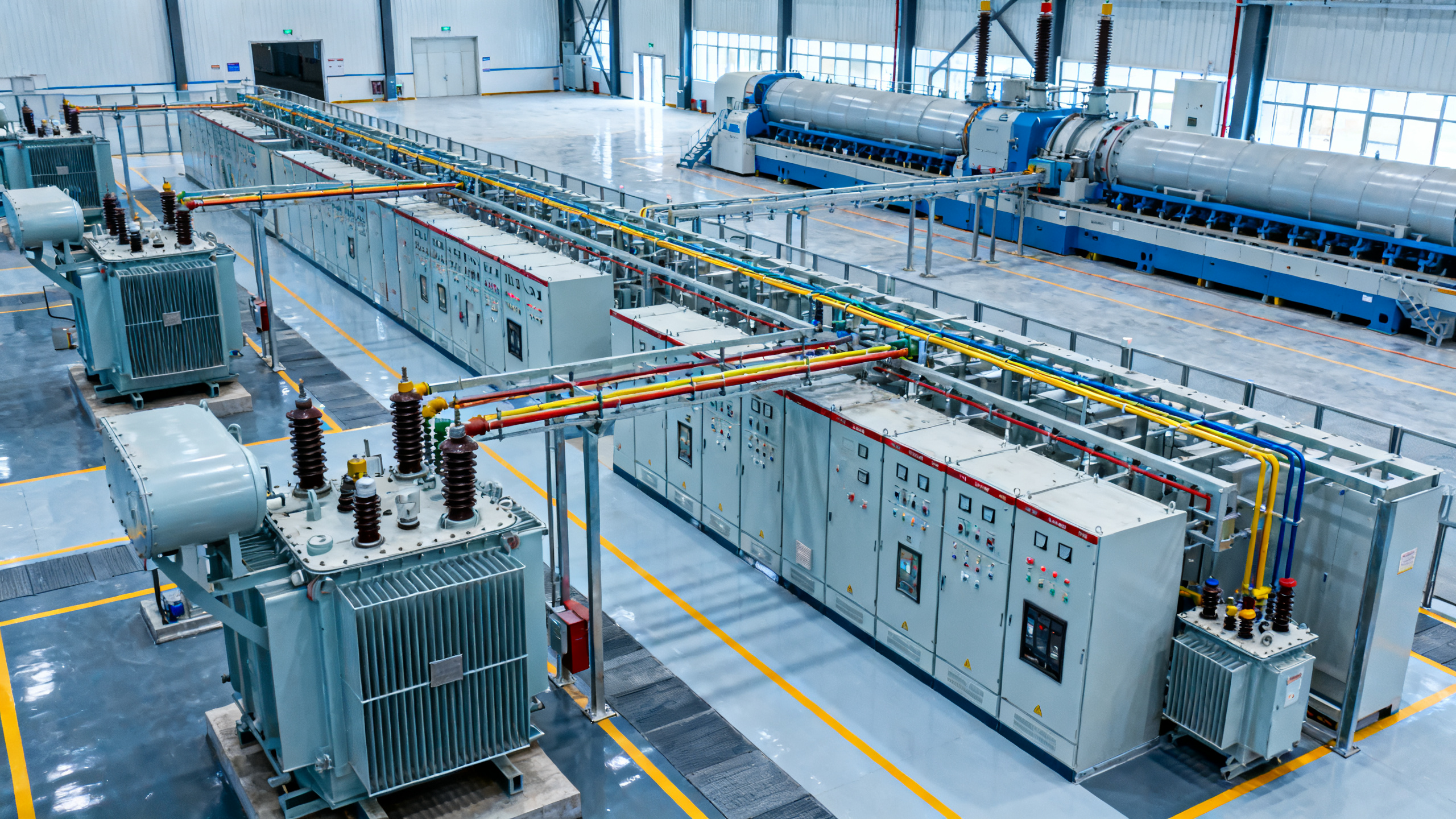
[Image 01: Industrial power distribution architecture for load stability evaluation]
Before comparing suppliers, define what “stable” means for the facility. In many projects, that means acceptable voltage drop, harmonic limits, transfer time, fault tolerance, and recovery speed.
What to Check First When Comparing Power Grid Solutions for Industrial Facilities
A good selection process starts with a short list of technical checks. These points make decisions clearer and reduce expensive redesign later.
- Map the real load profile, not only nameplate demand. Capture startup current, cycling behavior, simultaneous peaks, and sensitive loads before sizing any core distribution equipment.
- Check fault level compatibility across transformers, switchgear, breakers, and cables. A strong design on paper can still fail if interrupting capacity is mismatched.
- Review power quality limits early. Harmonics, flicker, voltage imbalance, and transient events often decide whether variable speed drives and control systems stay reliable.
- Confirm redundancy logic with operations reality. N+1, ring feeds, or dual bus arrangements only add value when transfer paths are practical and tested.
- Align equipment with compliance requirements from the start. CE, UL, ISO, local grid codes, and site safety rules should shape specifications, not follow them.
- Demand monitoring visibility at feeder level. Metering, event logs, and thermal data make future troubleshooting faster and support better lifecycle decisions.
Start with the Load, Then Work Backward
Many facilities still begin with transformer size and work outward. That can create oversizing in one area and hidden weakness in another.
A better method is to classify loads by process criticality. Separate continuous loads, intermittent heavy loads, motor groups, thermal loads, and highly sensitive digital control assets.
This matters because the best power grid solutions for industrial facilities depend on how the load behaves, not just how large it looks in a spreadsheet.
Key Design Choices That Usually Decide Long-Term Stability
Once the load profile is clear, a few design decisions usually have the biggest impact on uptime, maintainability, and expansion flexibility.
Utility Interface and Incoming Supply
Check utility reliability history, available fault current, voltage variation, and planned expansion constraints. These inputs shape the entire downstream architecture.
If grid instability is common, power grid solutions for industrial facilities may need on-site generation, fast transfer schemes, or energy storage support rather than a simple single-feed design.
Transformer and Distribution Topology
Transformer sizing should leave room for real operating margin, but not so much that efficiency and protection coordination suffer.
Radial systems are simpler and cheaper. Ring or double-ended systems improve resilience, especially where shutdown cost is high. The right choice depends on outage tolerance, maintenance windows, and process continuity.
Protection Coordination and Selectivity
This is often underestimated during procurement. Poor selectivity causes wide-area trips from small localized faults.
GIC’s editorial emphasis on engineering validation is relevant here. Device settings, coordination studies, and arc flash review should be treated as selection criteria, not final paperwork.
Power Quality Controls
Facilities using VFDs, rectifiers, furnaces, compressors, or automation networks should expect harmonic and transient risks from day one.
That is why power grid solutions for industrial facilities often need filters, isolation strategies, capacitor bank review, and continuous power quality monitoring built into the initial scope.
A Practical Comparison Table for Shortlisting Options
When several technical routes look viable, a simple decision table helps keep the discussion grounded in operations, not just capital cost.
How Requirements Change by Facility Situation
New Build Industrial Sites
New projects have the advantage of planning topology, routing, and redundancy before constraints harden. That makes it easier to integrate stable power distribution with future process growth.
The main check is not to overfocus on first-phase demand. Good power grid solutions for industrial facilities leave practical space for added feeders, metering points, and protection updates.
Brownfield Upgrades
Existing plants usually face hidden cable conditions, undocumented protection settings, and mixed-generation equipment standards. Those issues can turn a simple upgrade into a staged reliability project.
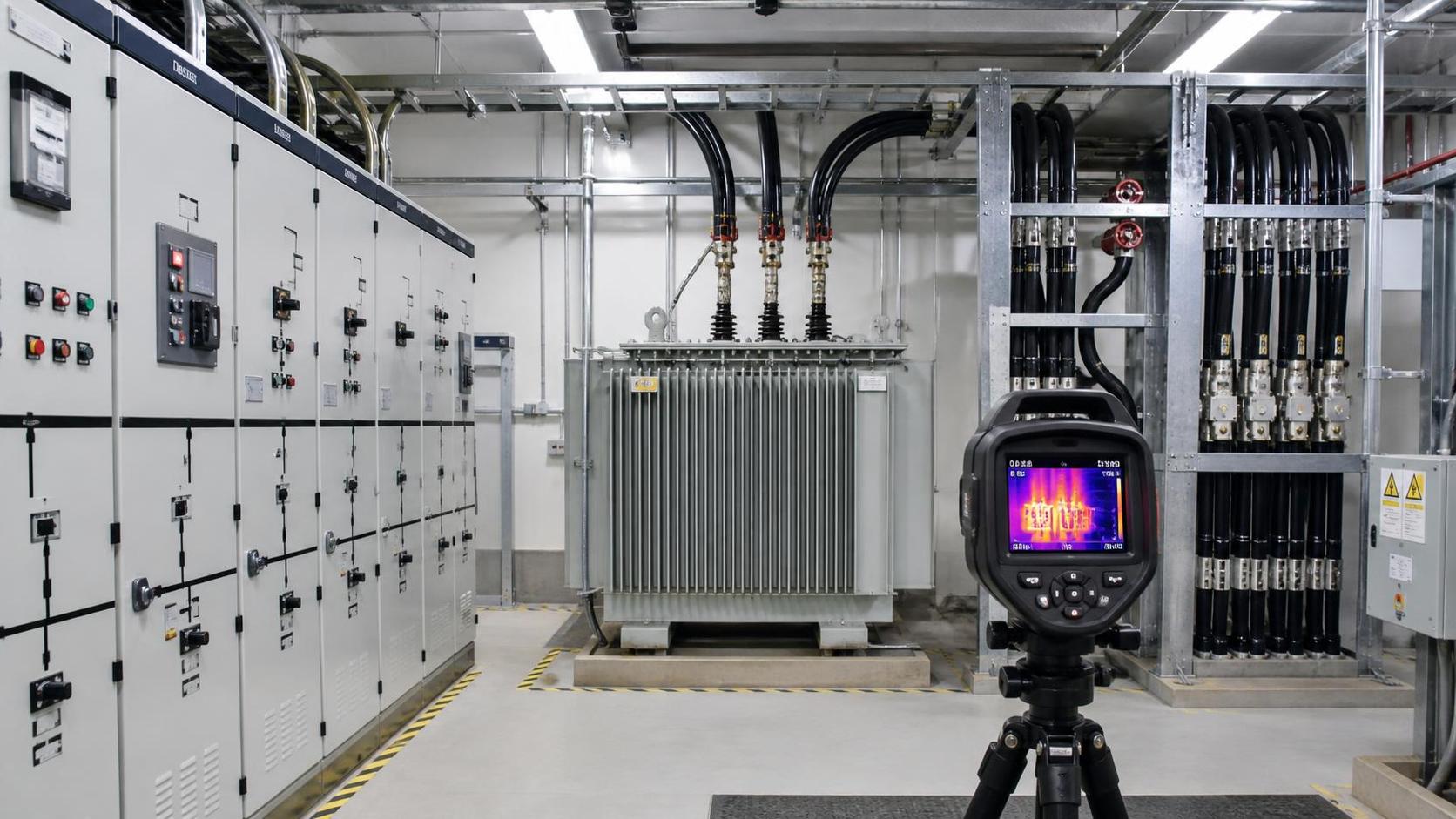
In this situation, field verification is essential. Single-line diagrams, thermography, harmonic readings, and spare capacity checks should be completed before final equipment selection.
Energy-Intensive Operations
Processes with furnaces, rolling systems, large compressors, or heavy drives place sharper stress on the electrical backbone. Small weaknesses become frequent disturbances.
Here, power grid solutions for industrial facilities should prioritize dynamic load analysis, voltage support, fast protection response, and continuous power quality visibility.
Common Oversights That Create Expensive Problems Later
A lot of failures do not come from dramatic design mistakes. They come from ordinary omissions during specification and supplier comparison.
- Do not accept generic ambient assumptions. Temperature, dust, humidity, altitude, and corrosive conditions directly affect equipment life and derating requirements.
- Avoid separating electrical design from instrumentation and controls. Sensitive automation systems often reveal instability before large mechanical equipment does.
- Do not treat grounding as a late-stage detail. Weak grounding and bonding can distort measurements, increase noise, and compromise protection behavior.
- Check maintenance access before approval. Stable systems still fail operationally when breakers, relays, or bus sections cannot be serviced safely.
- Look beyond purchase price and compare lifecycle support. Spare parts access, technical documentation, and service responsiveness influence long-term resilience.
These issues are exactly where structured sourcing intelligence helps. GIC’s value is strongest when technical evaluation and procurement discipline need to stay connected.
A Simple Execution Path Before Final Approval
When options are narrowed down, move the discussion from specification sheets to execution readiness. That is where better decisions become visible.
- Request a validated single-line concept with protection philosophy, redundancy path, and metering locations so technical gaps appear before purchase commitments.
- Ask for operating assumptions in writing, including load growth, ambient conditions, utility quality, and maintenance strategy, to prevent hidden scope disputes later.
- Compare supplier support depth, not only hardware scope. Commissioning capability, testing records, and documentation quality often predict smoother startup performance.
- Run a failure scenario review covering feeder loss, transformer outage, motor restart, and harmonic events to see whether the design recovers cleanly.
- Set acceptance criteria for stability early, including voltage variation, transfer time, event logging, and alarm thresholds, so handover remains measurable.
The Best Choice Is Usually the One That Stays Predictable Under Stress
The most effective power grid solutions for industrial facilities are rarely the most basic or the most complex. They are the ones that match actual load behavior, site risk, compliance demands, and future expansion plans.
If the decision feels close between two options, favor the one with clearer protection logic, better monitoring visibility, and stronger documentation. Those strengths usually pay back first.
For any industrial power project, stable performance starts with disciplined evaluation. Define the load honestly, verify the network carefully, and choose power grid solutions for industrial facilities that remain reliable when the site is under pressure.
That next review meeting should focus on evidence: load profile, fault study, power quality data, compliance records, and recovery logic. Once those pieces are clear, the right direction is usually obvious.
Technical Specifications
- How to Select Electronic Hotel Key Card Locks for Guest Rooms and Staff AreasAuthor :Safety Compliance Lead
- How to Select Lab Instruments for Reliable Chemical Analysis WorkflowsAuthor :Precision Metrology Expert
- How to Size a UPS for Server Rooms: Load, Runtime, and Redundancy FactorsAuthor :Grid Infrastructure Analyst
Expert Insights

Chief Security Architect
Dr. Thorne specializes in the intersection of structural engineering and digital resilience. He has advised three G7 governments on industrial infrastructure security.
Related Analysis
- Sep 17, 2026How to Select Electronic Hotel Key Card Locks for Guest Rooms and Staff AreasAuthor :Safety Compliance Lead
- Sep 16, 2026How to Select Lab Instruments for Reliable Chemical Analysis WorkflowsAuthor :Precision Metrology Expert
- Sep 15, 2026How to Size a UPS for Server Rooms: Load, Runtime, and Redundancy FactorsAuthor :Grid Infrastructure Analyst
Core Sector // 01
Security & Safety
- How to Size a UPS for Server Rooms: Load, Runtime, and Redundancy FactorsAuthor :Grid Infrastructure Analyst

- How to Choose a Step-Down Transformer for a Control Panel: Key Sizing FactorsAuthor :Grid Infrastructure Analyst

- How Often Should Overseas Power Systems Undergo Safety Inspections?Author :Grid Infrastructure Analyst

- How to Choose Panels for Extreme-Cold Industrial Sites?Author :Grid Infrastructure Analyst

- What Should a Cross-Border EPC Equipment Procurement Reference Include?Author :Grid Infrastructure Analyst

- How to Compare Low-Voltage Equipment for Panel IntegrationAuthor :Grid Infrastructure Analyst

- IEC-Compliant Power Infrastructure: Key Design and Verification RequirementsAuthor :Grid Infrastructure Analyst

- Updated EN 61000-6-4:2026 Raises EMC Compliance Bar for EU-Bound Industrial EquipmentAuthor :Grid Infrastructure Analyst