New Maritime Code Shifts No-Collection Liability to Shippers
Author
Date Published
Reading Time
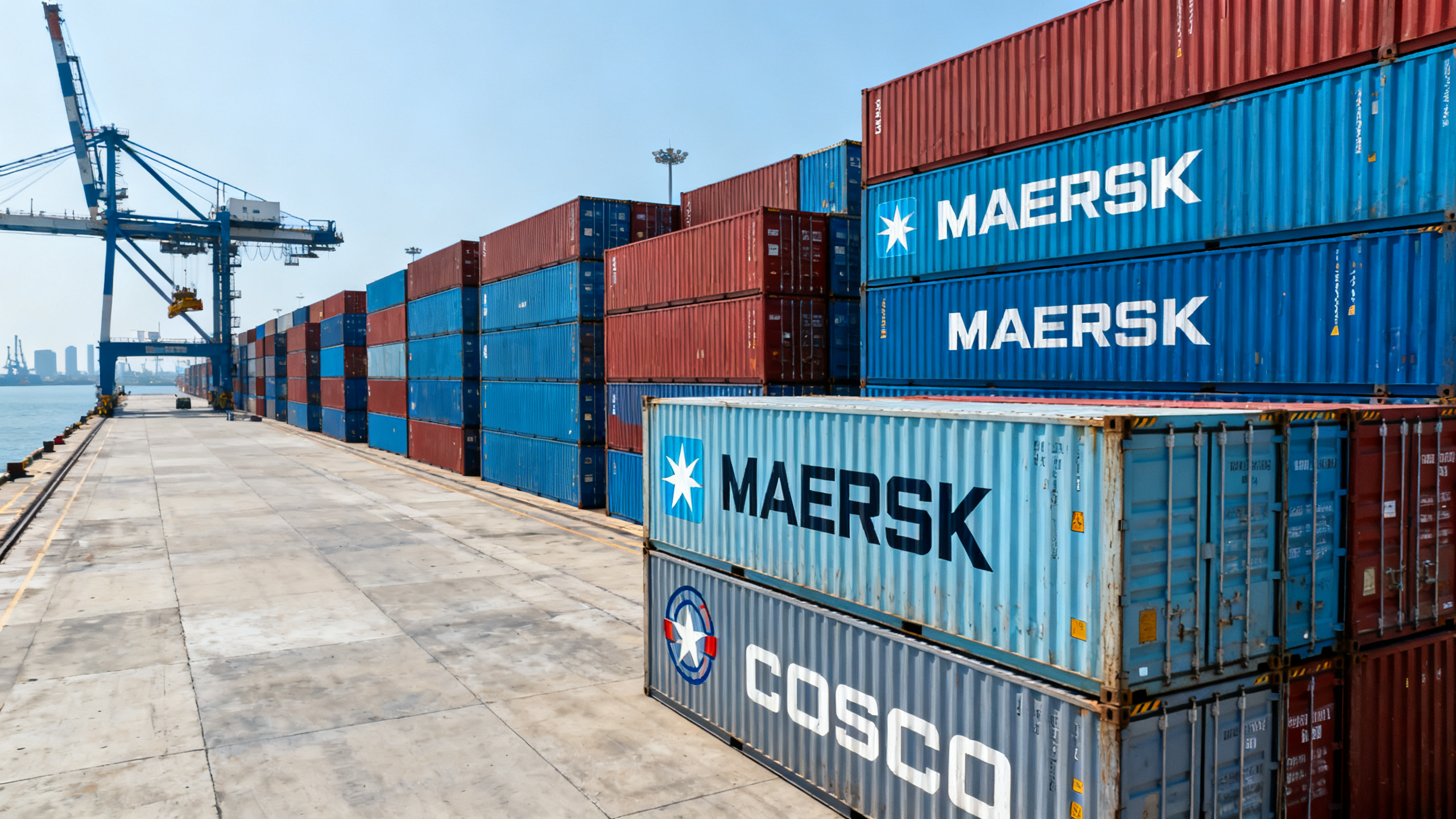
Effective May 1, 2026, China’s newly revised Maritime Code of the People’s Republic of China introduces a fundamental realignment of liability for uncollected cargo at discharge ports — shifting primary responsibility from consignees to shippers. This change directly impacts international maritime logistics, trade finance, contract negotiation practices, and risk allocation across global supply chains involving Chinese exporters and overseas importers.
Event Overview
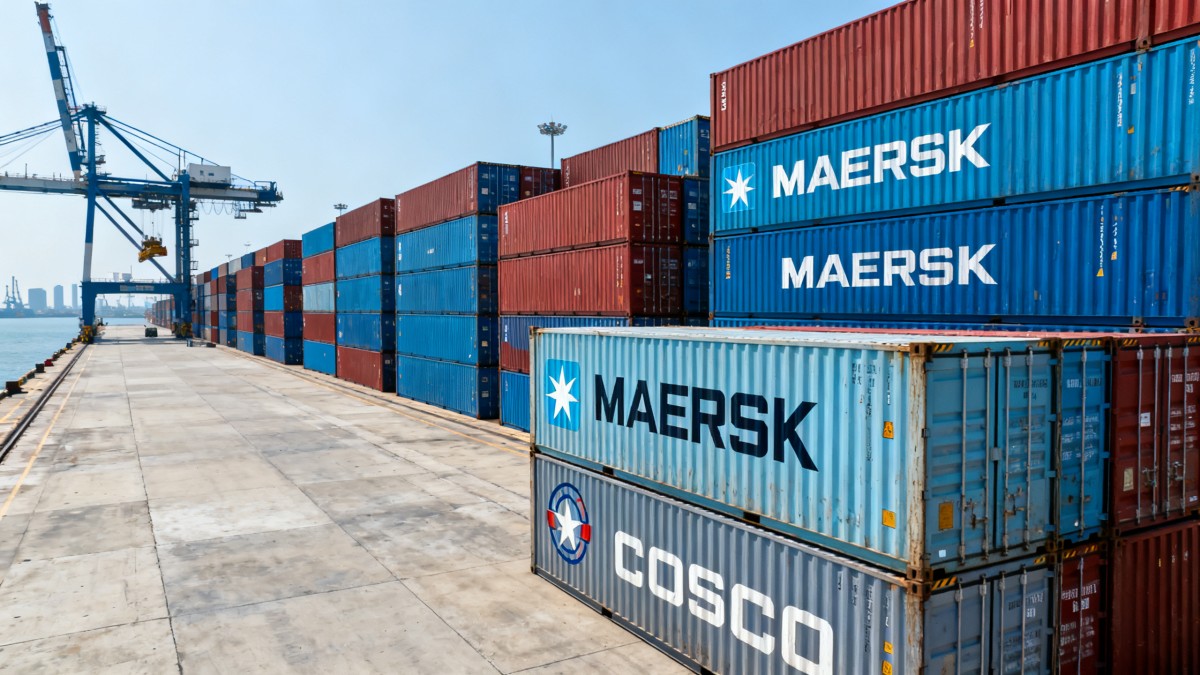
Article 93 of the revised Maritime Code, effective May 1, 2026, explicitly stipulates that in cases of non-collection of cargo at the port of discharge, the shipper bears primary liability — replacing the previous principle under which the consignee was presumed first-in-line for such obligations. The provision applies to all maritime transport contracts governed by Chinese law where the port of discharge is located in China.
Industries Affected
Direct Trading Enterprises
Export-oriented trading companies — particularly those acting as contractual shippers on behalf of foreign buyers or domestic manufacturers — now face heightened exposure to demurrage, detention, storage fees, and abandonment-related disposal costs. Since many such firms issue bills of lading in their own name without full control over downstream consignee behavior (e.g., insolvency, customs rejection, or market withdrawal), the new rule increases operational and financial unpredictability. Contractual indemnity clauses with end-buyers may prove difficult to enforce cross-jurisdictionally, amplifying commercial risk.
Raw Material Procurement Enterprises
Importers sourcing raw materials (e.g., ores, agricultural commodities, or industrial chemicals) into China often rely on flexible delivery terms and extended payment cycles. Under the revised Code, if downstream processors delay or decline acceptance — due to quality disputes, price volatility, or regulatory non-compliance — the procurement entity remains liable as the named shipper. This reshapes pre-shipment risk assessment: creditworthiness checks on consignees gain new weight, and ‘arrival-based’ pricing mechanisms require re-evaluation.
Manufacturing Enterprises
Chinese OEM/ODM manufacturers exporting finished goods frequently appear as shippers on ocean bills of lading, even when foreign buyers nominate freight forwarders or control documentation flow. With liability now anchored at the shipper level, manufacturers bear residual risk if overseas distributors fail to collect cargo — especially amid geopolitical friction, sanctions-related delays, or sudden shifts in import licensing. This may accelerate demand for ‘shipper-neutral’ logistics arrangements or third-party documentary agency models.
Supply Chain Service Providers
Freight forwarders, NVOCCs, and customs brokers involved in China-origin shipments must reassess service scope and liability disclaimers. While they rarely assume legal shipper status, their role in bill-of-lading issuance, cargo release coordination, and consignee communication places them at operational nexus points. Some forwarders may begin requiring explicit shipper indemnities or introducing mandatory pre-discharge collection confirmation protocols — potentially adding lead time and administrative overhead.
Key Considerations and Recommended Actions
Review and Amend Standard Trade Terms
Parties should revisit Incoterms® usage — especially FOB and CIF clauses — to ensure alignment with the new liability regime. For example, using FCA (with delivery at exporter’s premises) rather than FOB (where shipper status crystallizes at loading port) may help limit exposure, provided documentary control remains with the seller.
Strengthen Consignee Vetting and Pre-Release Coordination
Shippers are advised to implement formal pre-arrival notification workflows with consignees, including written confirmation of readiness to receive, customs clearance capacity, and estimated pickup timing. Where feasible, integrating digital cargo tracking platforms with automated alert triggers can support evidentiary documentation in dispute scenarios.
Update Insurance Coverage and Contractual Safeguards
Marine cargo policies typically exclude liabilities arising from non-collection. Shippers should assess whether existing coverage extends to detention/demurrage costs incurred post-discharge and consider supplemental ‘logistics liability’ endorsements. Commercial contracts should also incorporate mutual notice obligations, force majeure definitions covering port-specific disruptions, and clear cost-allocation triggers tied to documented consignee non-response windows (e.g., 72 hours post-ETA).
Editorial Perspective / Industry Observation
Analysis shows this amendment reflects a broader regulatory trend toward strengthening accountability at the point of export initiation — consistent with recent updates to China’s Export Control Law and Customs Supervision Regulations. Observably, the shift does not eliminate consignee obligations; rather, it establishes a hierarchy where shipper liability is ‘primary’ and ‘immediate’, while consignee recourse remains available through civil claims. From an industry perspective, this is better understood as a procedural clarification than a substantive expansion of liability — yet its practical effect is to compress response timelines and raise the threshold for risk transfer. Current more pressing concerns include inconsistent judicial interpretation across Chinese maritime courts and limited precedent on how ‘shipper’ status will be determined in multi-tiered logistics arrangements (e.g., where a trading house books with a carrier but a factory appears as shipper on the bill).
Conclusion
This revision marks a structural recalibration in maritime risk governance — one that elevates documentation discipline, interparty coordination, and contractual precision as non-negotiable competencies for any enterprise engaged in China-related sea freight. It does not signal increased protectionism, but rather signals maturation of China’s maritime legal infrastructure toward internationally aligned liability frameworks — albeit with distinct local enforcement characteristics.
Source Attribution
Official text: Standing Committee of the National People’s Congress, Decision on Amending the Maritime Code of the People’s Republic of China, adopted December 28, 2025; effective May 1, 2026. Full text published in the State Council Gazette, No. 12, 2025.
Interpretive guidance pending from the Supreme People’s Court and the Ministry of Transport — to be monitored for clarifications on shipper identification standards, force majeure applicability, and interplay with the Contract Law and Customs Law.
Technical Specifications
- How to Select Electronic Hotel Key Card Locks for Guest Rooms and Staff AreasAuthor :Safety Compliance Lead
- How to Select Lab Instruments for Reliable Chemical Analysis WorkflowsAuthor :Precision Metrology Expert
- How to Size a UPS for Server Rooms: Load, Runtime, and Redundancy FactorsAuthor :Grid Infrastructure Analyst
Expert Insights

Chief Security Architect
Dr. Thorne specializes in the intersection of structural engineering and digital resilience. He has advised three G7 governments on industrial infrastructure security.
Related Analysis
- Sep 17, 2026How to Select Electronic Hotel Key Card Locks for Guest Rooms and Staff AreasAuthor :Safety Compliance Lead
- Sep 16, 2026How to Select Lab Instruments for Reliable Chemical Analysis WorkflowsAuthor :Precision Metrology Expert
- Sep 15, 2026How to Size a UPS for Server Rooms: Load, Runtime, and Redundancy FactorsAuthor :Grid Infrastructure Analyst
Core Sector // 01
Security & Safety
- Selecting PTFE Insulated Hookup Wire for High-Temperature Control PanelsAuthor :Grid Infrastructure Analyst

- How Contractors Can Evaluate EPC Sourcing Solutions for Cost, Lead Time, and RiskAuthor :Grid Infrastructure Analyst

- What Drives Silicone Cable Bulk Price in Industrial Orders?Author :Grid Infrastructure Analyst

- EN 61000-6-4:2026 Takes Effect for EU-Bound ControlsAuthor :Grid Infrastructure Analyst

- How to Choose Low Smoke Cables and Wiring for Safer Commercial Buildings?Author :Grid Infrastructure Analyst

- Medium Voltage Armored Cable Selection Guide: Voltage Rating, Armor Type, and InstallationAuthor :Grid Infrastructure Analyst

- EU Publishes EN IEC 61000-6-4:2026 for Industrial EMCAuthor :Grid Infrastructure Analyst

- Choosing an XLPE Power Cable Manufacturer: 7 Checks for Voltage Class and ComplianceAuthor :Grid Infrastructure Analyst