How to read an Electrical & Power quotation with confidence
Author
Date Published
Reading Time
Reading an Electrical & Power quotation can feel overwhelming when technical specs, compliance terms, and pricing structures are packed into one document. For researchers comparing suppliers or evaluating project feasibility, knowing what each line really means is essential. This guide helps you break down an Electrical & Power quotation with confidence, so you can identify hidden risks, verify critical requirements, and make more informed sourcing decisions.
What is an Electrical & Power quotation actually telling you?
An Electrical & Power quotation is more than a price sheet. It is a condensed technical and commercial commitment.
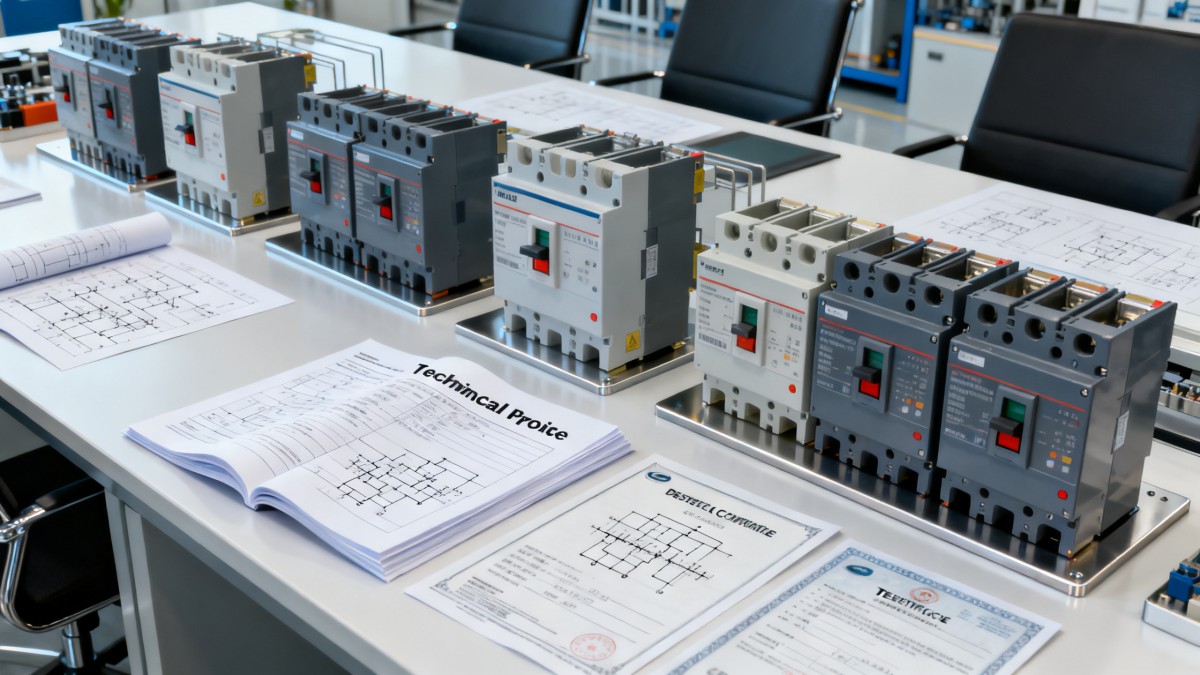
It usually combines scope, equipment data, compliance notes, delivery terms, exclusions, and commercial conditions in one document.
In industrial projects, this matters because one missing detail can affect safety, performance, installation time, and lifecycle cost.
A strong Electrical & Power quotation should answer five basic questions clearly.
- What is being supplied?
- Which standards does it meet?
- How will it perform under stated conditions?
- What is included or excluded?
- How much risk is transferred to the buyer?
If any of these answers are vague, the quotation deserves closer review before comparison or approval.
Common sections you should expect
Most Electrical & Power quotation documents include product description, quantity, unit price, total value, lead time, warranty, and payment terms.
Better documents also include test standards, drawings, revision numbers, ambient assumptions, and references to IEC, UL, CE, or ISO requirements.
When those details are absent, comparison becomes risky because two offers may look equal while describing very different deliverables.
Which technical lines in an Electrical & Power quotation deserve the closest attention?
Technical lines are often where hidden differences appear. Price gaps usually trace back to specification depth, testing level, or material quality.
Start with the equipment rating. Confirm voltage, current, frequency, breaking capacity, insulation class, enclosure rating, and duty cycle.
Then review environmental conditions. Temperature range, humidity, altitude, corrosion exposure, and indoor or outdoor placement can change equipment design.
An Electrical & Power quotation that ignores site conditions may understate the true engineering requirement.
Specifications that often change value
- Copper versus aluminum conductors
- IP or NEMA enclosure protection level
- Short-circuit withstand capacity
- Metering and protection relay functions
- Type testing versus routine testing only
- Cable accessories, lugs, glands, and termination kits
Also check whether accessories are integrated or listed separately. Missing accessories can distort a low headline price.
For packaged systems, review single-line diagrams, BOM references, and control philosophy notes. Those reveal the true supply boundary.
How do you verify compliance, standards, and testing claims?
Compliance language in an Electrical & Power quotation should never be read casually. General phrases can hide important limitations.
Look for exact standards, not loose statements like “international quality” or “export standard.” Specific references are far more reliable.
Useful examples include IEC 61439, IEC 62271, UL 891, CE marking scope, ISO 9001 processes, and factory test documentation.
Questions to ask when reviewing standards
- Is the equipment certified or only designed in reference to a standard?
- Does the quotation mention third-party test reports?
- Are routine tests included before shipment?
- Will FAT documents be supplied?
- Do certificates match the quoted model and revision?
A careful Electrical & Power quotation review also checks whether certification applies to the complete assembly, not just one component.
This is especially important in switchgear, panels, cable systems, backup power packages, and protection assemblies.
How can you compare pricing without being misled by a lower total?
The cheapest Electrical & Power quotation is not always the lowest-cost option. Total ownership depends on scope completeness and operational reliability.
First, separate base price from optional items. Some suppliers reduce headline cost by moving required functions into options.
Next, check Incoterms, packaging, insurance, duties, documentation charges, commissioning support, and spare parts provisions.
One Electrical & Power quotation may include supervision and testing, while another excludes both. The price gap then becomes understandable.
Build a like-for-like comparison
A structured comparison table often reveals that a higher quote includes more engineering protection and less downstream uncertainty.
What hidden risks and exclusions should you look for in an Electrical & Power quotation?
Exclusions are where commercial risk often hides. They may appear in footnotes, annexes, or standard terms attached at the end.
Check whether civil works interfaces, installation materials, software licenses, field calibration, or commissioning attendance are excluded.
A narrow Electrical & Power quotation may also exclude cable routing, earthing hardware, protection settings, or interoperability verification.
Red flags that need clarification
- “Subject to final design” without revision control
- “Equivalent brand” without performance definition
- No statement on spare parts availability
- No manufacturing lead-time assumptions
- Warranty starting before site energization
- No liability limit for delay or defects
Review validity period too. Material markets and freight volatility can affect the quoted figure after expiry.
If the Electrical & Power quotation depends on approval timing, clarify the exact effect of delayed drawings or specification changes.
How do lead time, warranty, and service terms affect the final decision?
Delivery schedule can be as critical as price. A compliant system arriving late may still damage project economics.
Read lead time wording carefully. Confirm whether it begins from PO date, advance payment, drawing approval, or technical clearance.
The best Electrical & Power quotation states milestone logic clearly, including submittals, production, testing, packing, and dispatch.
Warranty deserves equal attention. Duration alone is not enough. Understand coverage, response process, replacement responsibility, and exclusions.
Service support also matters for complex assemblies. Ask whether remote diagnostics, commissioning assistance, and training are available.
Quick FAQ reference table
When support terms are weak, a lower-priced Electrical & Power quotation can become expensive after delivery.
What is the best step-by-step method to read an Electrical & Power quotation with confidence?
A repeatable review method reduces confusion and helps separate real value from presentation style.
- Match the quotation to the RFQ, drawing list, and revision level.
- Confirm equipment ratings and site condition assumptions.
- Verify standards, certificates, and testing commitments.
- List inclusions, exclusions, and optional items separately.
- Normalize logistics, taxes, documentation, and service costs.
- Review lead time triggers, warranty scope, and validity period.
- Send clarification questions before comparing totals.
This approach makes every Electrical & Power quotation easier to interpret, especially in cross-border industrial sourcing situations.
Confidence comes from disciplined reading, not from trusting the lowest number or the longest document.
A reliable Electrical & Power quotation should be technically clear, commercially balanced, and traceable to recognized standards.
Use a comparison checklist, document open points, and validate every assumption before moving forward. That simple habit prevents costly surprises later.
For stronger sourcing decisions, turn each quotation into a structured review record. Clear evidence leads to better selection, smoother execution, and lower project risk.
Technical Specifications
- How to Select Electronic Hotel Key Card Locks for Guest Rooms and Staff AreasAuthor :Safety Compliance Lead
- How to Select Lab Instruments for Reliable Chemical Analysis WorkflowsAuthor :Precision Metrology Expert
- How to Size a UPS for Server Rooms: Load, Runtime, and Redundancy FactorsAuthor :Grid Infrastructure Analyst
Expert Insights

Chief Security Architect
Dr. Thorne specializes in the intersection of structural engineering and digital resilience. He has advised three G7 governments on industrial infrastructure security.
Related Analysis
- Sep 17, 2026How to Select Electronic Hotel Key Card Locks for Guest Rooms and Staff AreasAuthor :Safety Compliance Lead
- Sep 16, 2026How to Select Lab Instruments for Reliable Chemical Analysis WorkflowsAuthor :Precision Metrology Expert
- Sep 15, 2026How to Size a UPS for Server Rooms: Load, Runtime, and Redundancy FactorsAuthor :Grid Infrastructure Analyst
Core Sector // 01
Security & Safety
- Selecting PTFE Insulated Hookup Wire for High-Temperature Control PanelsAuthor :Grid Infrastructure Analyst

- How Contractors Can Evaluate EPC Sourcing Solutions for Cost, Lead Time, and RiskAuthor :Grid Infrastructure Analyst

- What Drives Silicone Cable Bulk Price in Industrial Orders?Author :Grid Infrastructure Analyst

- EN 61000-6-4:2026 Takes Effect for EU-Bound ControlsAuthor :Grid Infrastructure Analyst

- How to Choose Low Smoke Cables and Wiring for Safer Commercial Buildings?Author :Grid Infrastructure Analyst

- Medium Voltage Armored Cable Selection Guide: Voltage Rating, Armor Type, and InstallationAuthor :Grid Infrastructure Analyst

- EU Publishes EN IEC 61000-6-4:2026 for Industrial EMCAuthor :Grid Infrastructure Analyst

- Choosing an XLPE Power Cable Manufacturer: 7 Checks for Voltage Class and ComplianceAuthor :Grid Infrastructure Analyst