CAICT Launches China’s First 800V HVDC Compute-Power Coordination Verification Platform
Author
Date Published
Reading Time
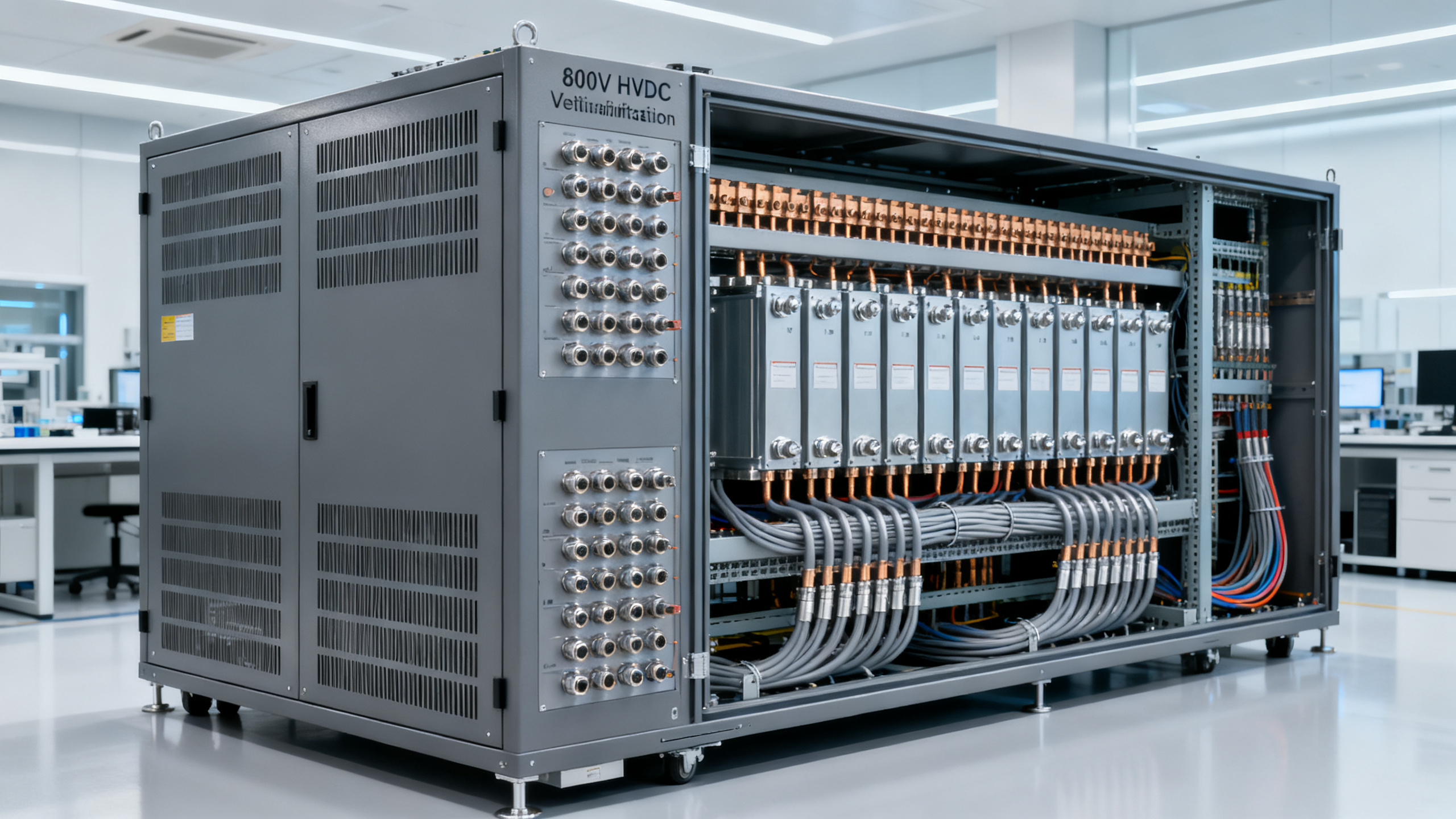
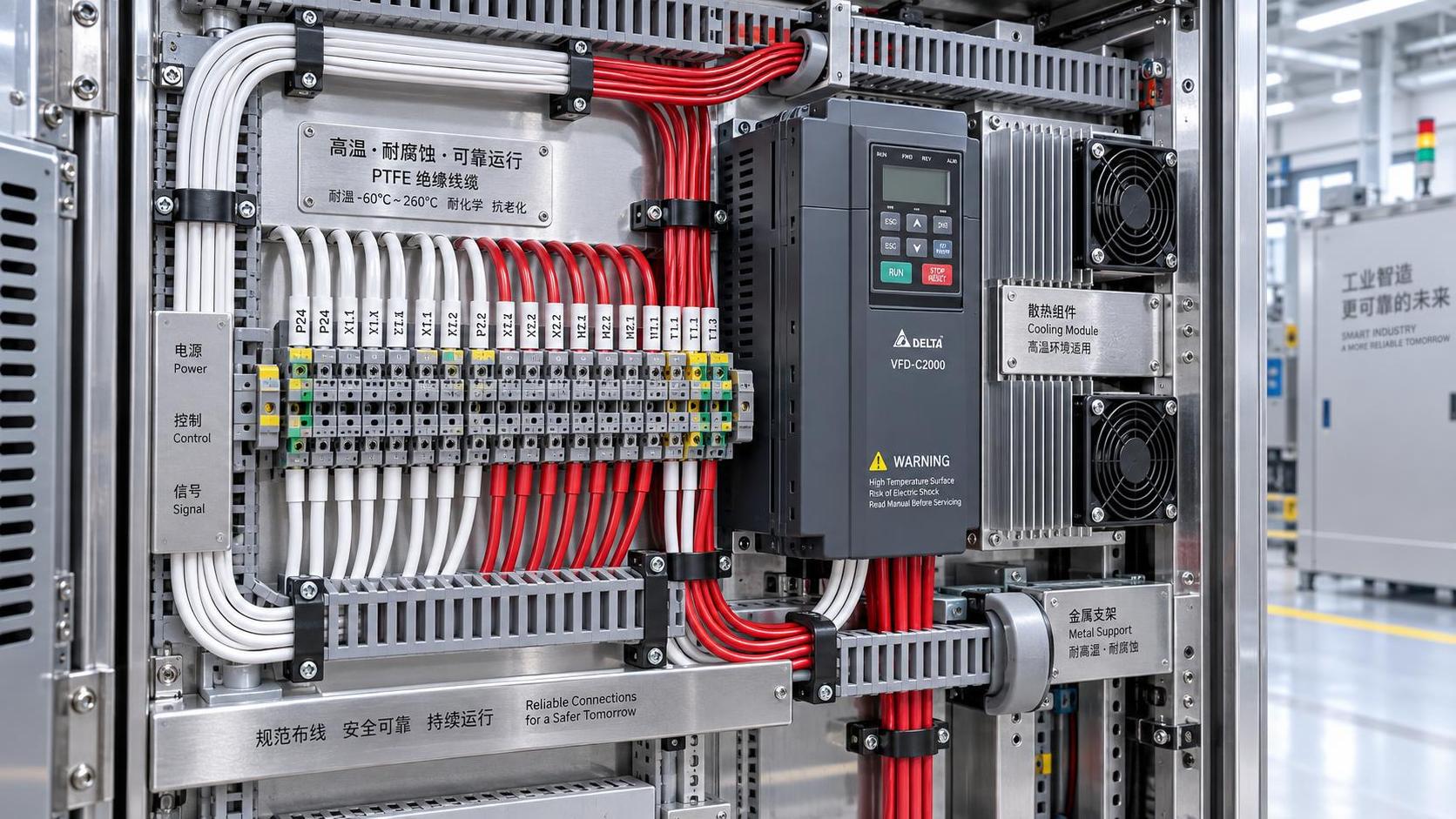
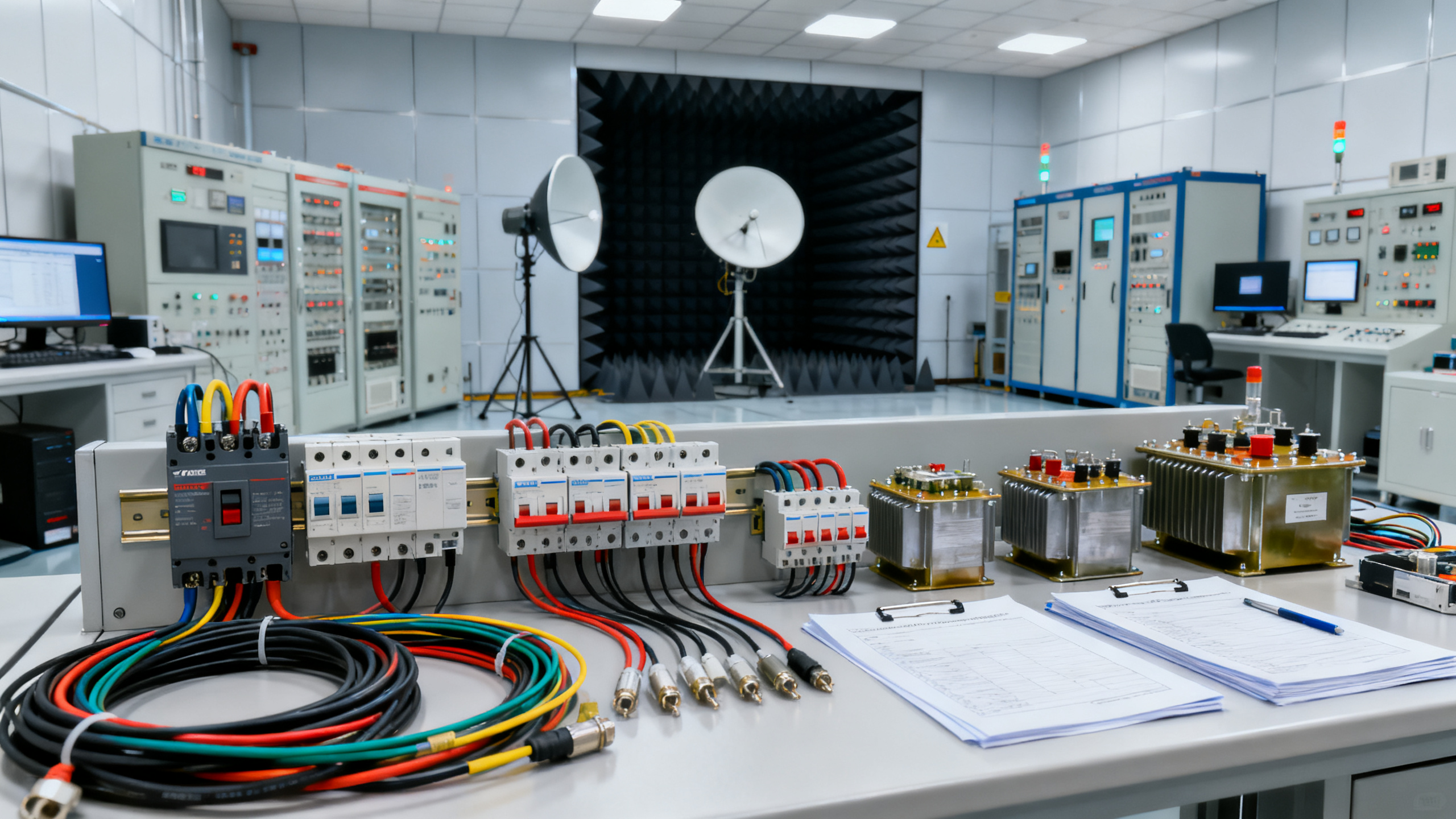
On April 24, the China Academy of Information and Communications Technology (CAICT) Tai’er Laboratory initiated construction of China’s first 800V high-voltage direct current (HVDC) compute-power coordination verification platform. The platform targets data centers, industrial automation systems, and new energy power stations, and is designed to validate thermal management, arc suppression, and electromagnetic compatibility (EMC) performance of power modules, circuit breakers, and cable assemblies under 800V DC conditions. This development is particularly relevant for manufacturers and suppliers in the cables & wiring, breakers & relays, and transformers & switchgears sectors — especially those pursuing international safety certifications such as UL 62368-3 and IEC 61800-5-1.
Event Overview
The China Academy of Information and Communications Technology (CAICT) Tai’er Laboratory announced on April 24 the launch of the domestic first 800V HVDC compute-power coordination verification platform. The platform is intended to support testing and validation of key electrical components—including power modules, circuit breakers, and cable assemblies—under 800V DC operating conditions, with emphasis on thermal management, arc suppression, and EMC compatibility. Its scope covers application scenarios including data centers, industrial automation, and new energy power stations. The platform aims to accelerate compliance verification for related products against UL 62368-3 and IEC 61800-5-1 standards.
Industries Affected by This Development
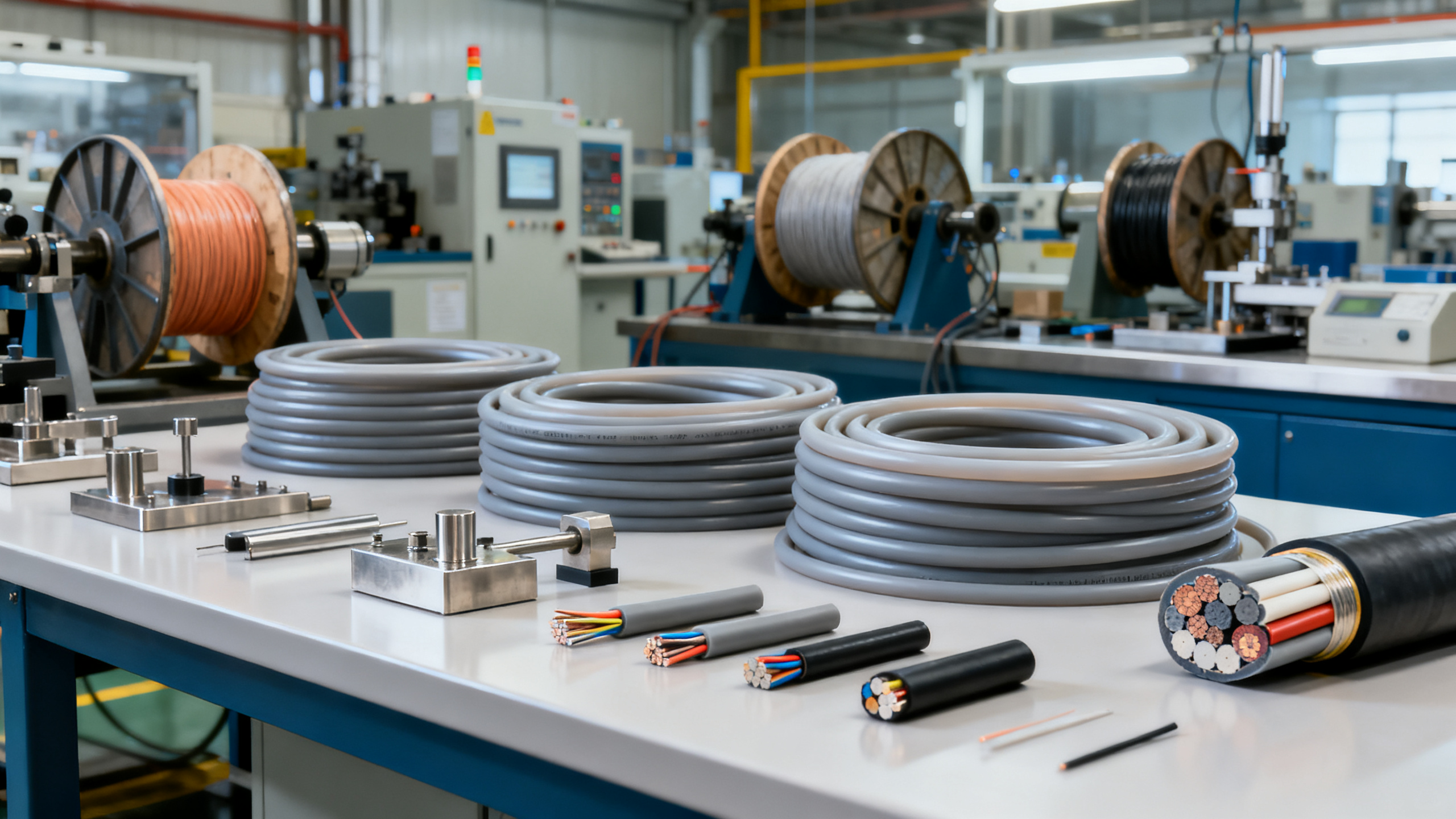
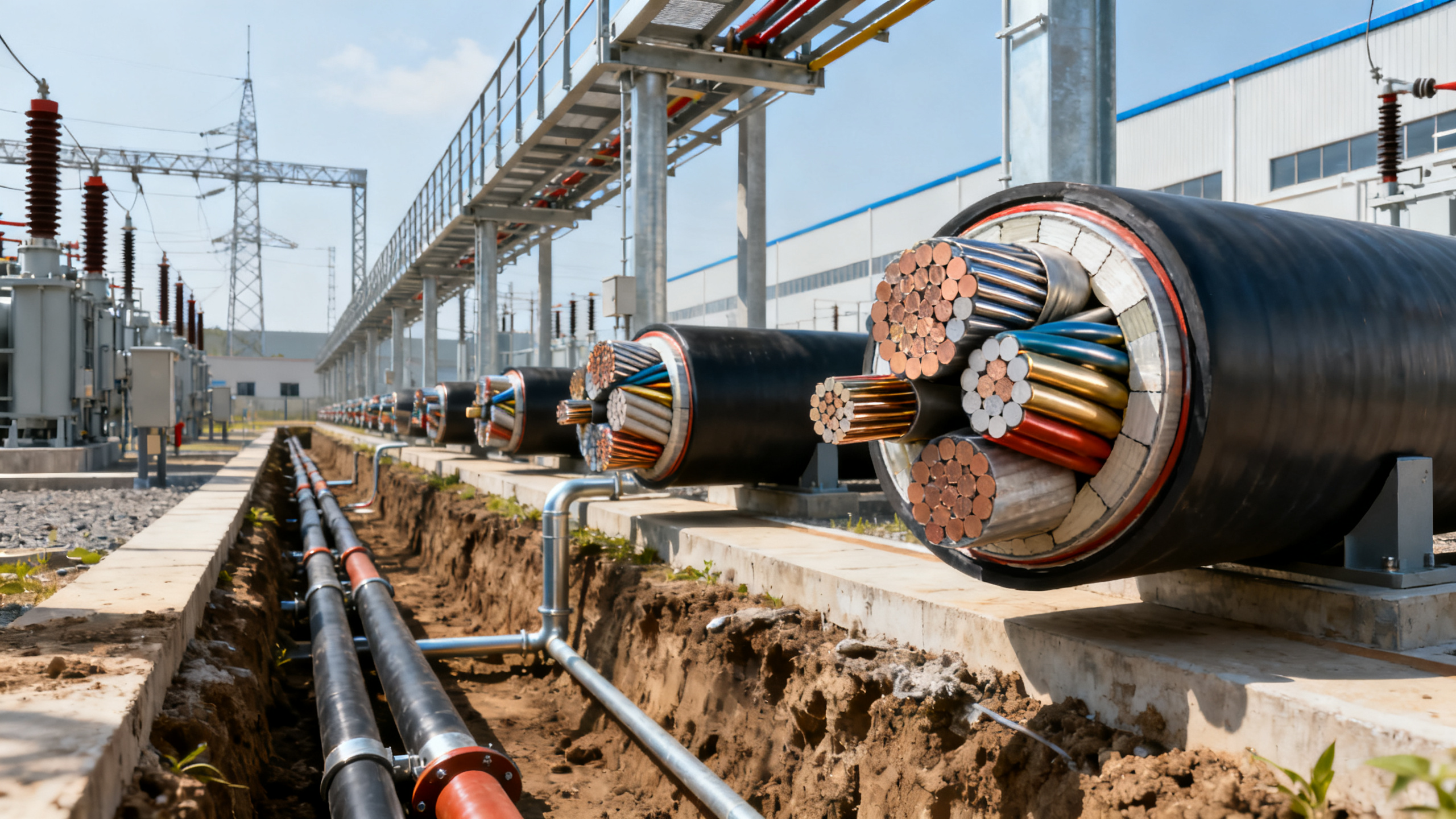
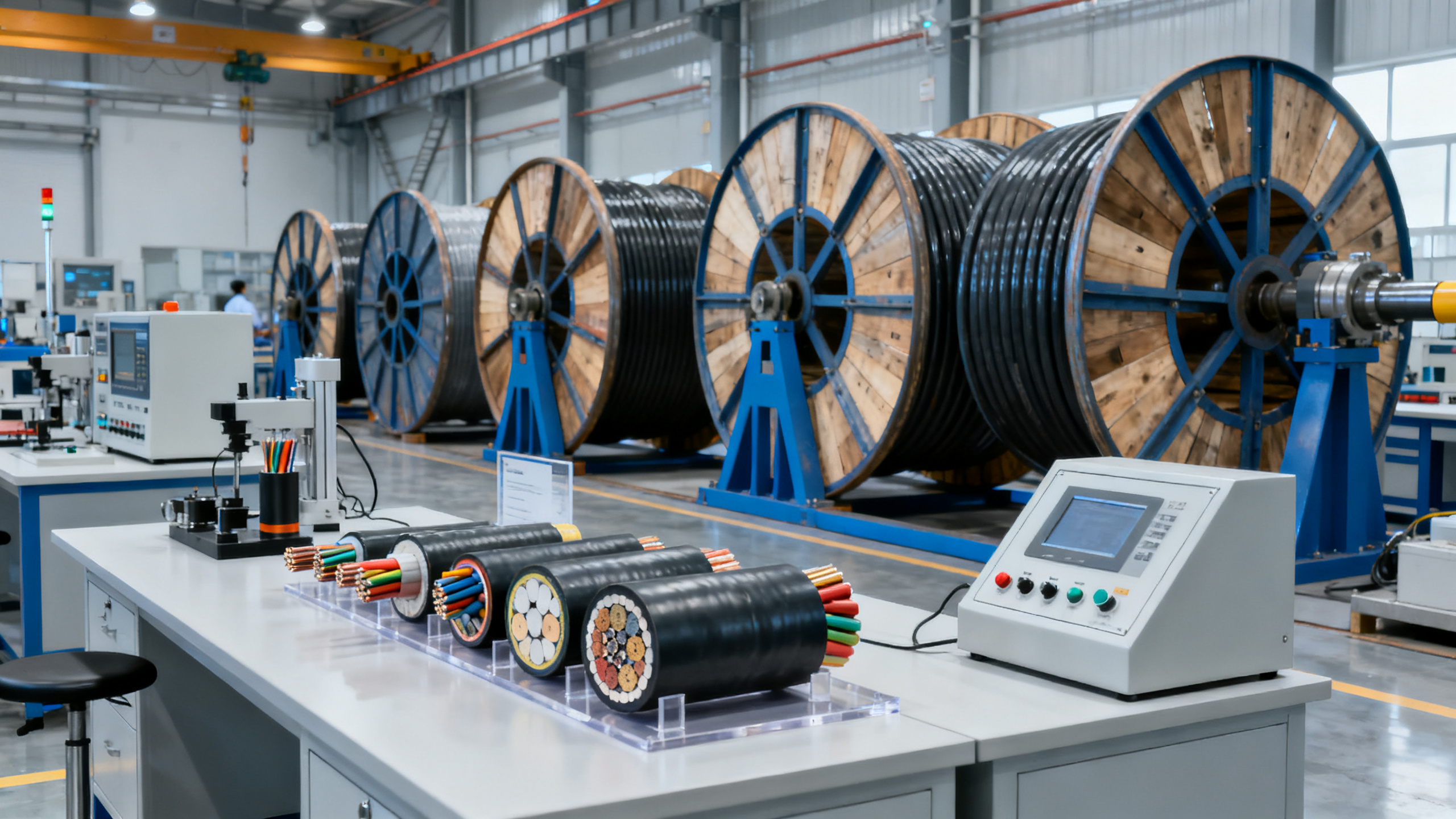
Cables & Wiring Manufacturers: These firms supply critical interconnection components rated for high-voltage DC use. As 800V HVDC deployment expands in data centers and energy infrastructure, demand for certified 800V-rated cables will increase. Impact manifests in stricter material selection (e.g., insulation endurance), revised mechanical design (e.g., arc-resistant termination), and extended test cycles required for certification alignment.
Breakers & Relays Producers: Circuit protection devices must demonstrate reliable interruption and arc containment at 800V DC—a more challenging regime than AC or lower-voltage DC. Affected companies face higher validation burdens, especially concerning contact erosion, dielectric recovery, and fault-current handling under sustained DC stress.
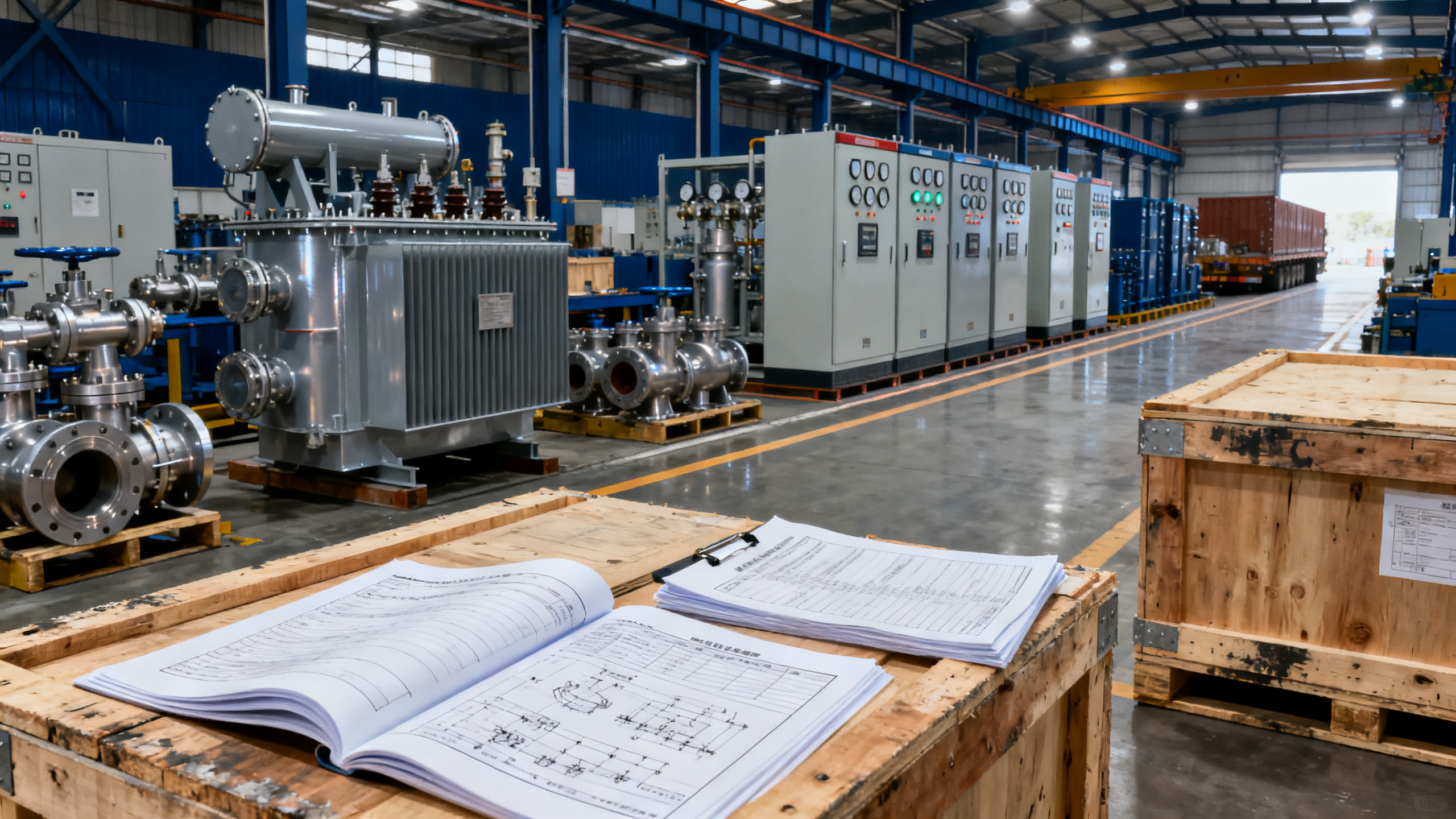
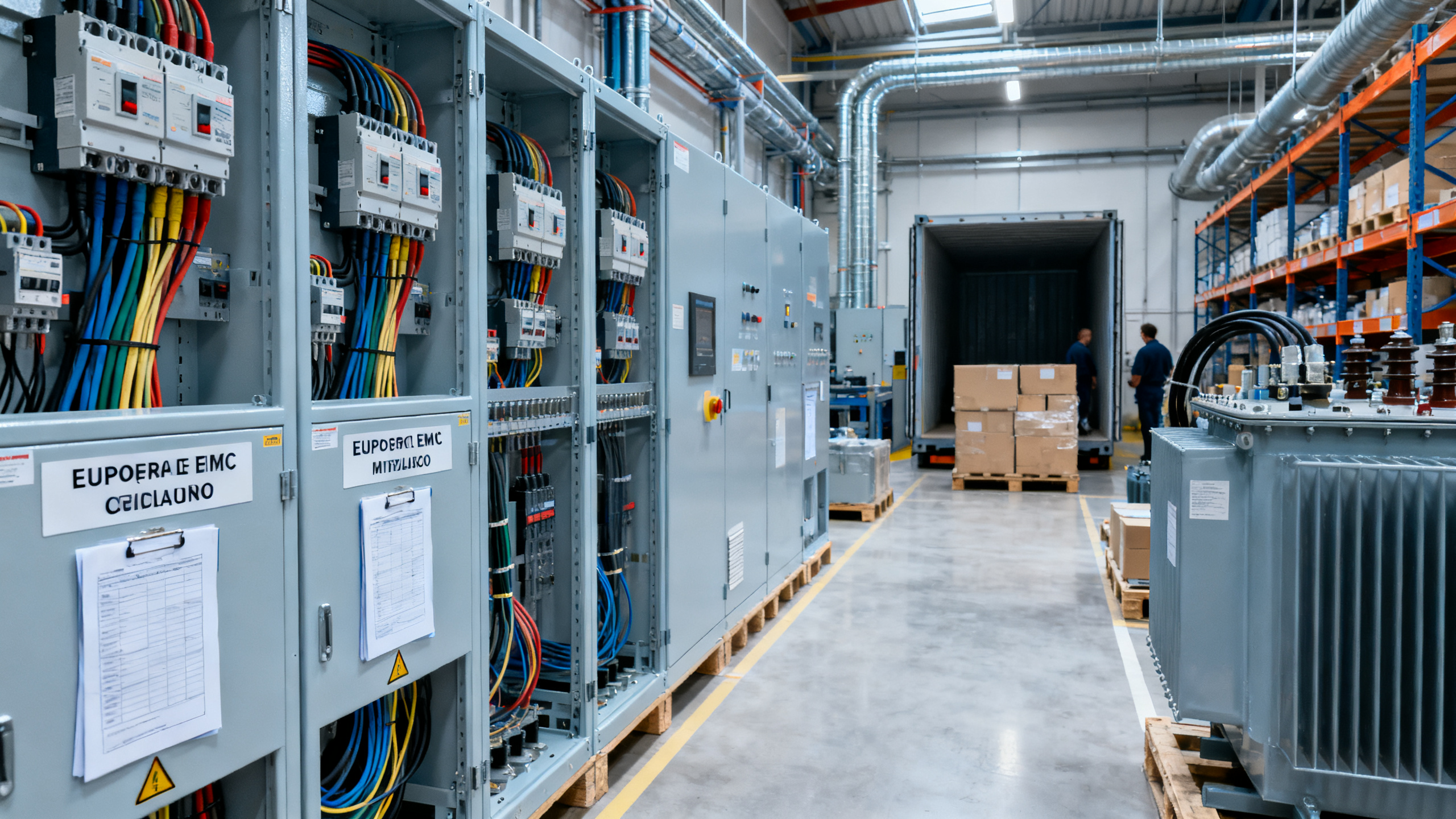
Transformers & Switchgear Suppliers: Though traditional transformers are AC-centric, hybrid and DC-dedicated switchgear systems are emerging for HVDC distribution within facilities. Suppliers engaged in medium-voltage DC busbar integration or solid-state switching solutions may encounter new interoperability and safety validation requirements tied to this platform’s test protocols.
Key Considerations and Practical Responses for Relevant Enterprises
Monitor official technical specifications and test protocol releases from CAICT Tai’er Laboratory
The platform is newly launched; formal test procedures, pass/fail criteria, and reporting formats have not yet been publicly published. Enterprises should track CAICT’s official updates to align internal validation roadmaps and laboratory readiness.
Prioritize product categories aligned with UL 62368-3 and IEC 61800-5-1 scope
Not all HVDC-rated components fall under these standards. Firms should confirm whether their target products (e.g., 800V-rated DC input power supplies, busbar connectors, or DC isolators) are explicitly covered—and adjust certification strategy accordingly—rather than assuming broad applicability.
Distinguish between platform availability and market adoption timelines
While the platform’s launch signals institutional readiness, widespread industry reliance on its test reports for certification acceptance depends on harmonization with notified bodies and accreditation authorities. Companies should treat early-stage verification as preparatory—not conclusive—until formal recognition pathways are clarified.
Review supply chain resilience for HVDC-specific materials and test-capable partners
Validation under 800V DC may require specialized materials (e.g., arc-quenching compounds, high-CTI insulators) and third-party labs with HVDC test bays. Proactive engagement with qualified suppliers and testing service providers can reduce time-to-certification delays.
Editorial Perspective / Industry Observation
Observably, this initiative represents an institutional signal—not yet a market mandate—that China is building foundational infrastructure to support standardized, safe, and scalable HVDC deployment across digital and energy infrastructure. Analysis shows the platform is positioned less as a near-term compliance gatekeeper and more as an enabler for coordinated R&D and pre-certification validation. From an industry perspective, its significance lies in de-risking technology transitions: by offering a shared, repeatable test environment, it lowers barriers for component suppliers seeking global certification while encouraging cross-sector alignment (e.g., between data center operators and power electronics vendors). Current attention should focus on how quickly CAICT’s test outputs gain recognition from international certification bodies—and whether the platform evolves into a reference benchmark for national HVDC safety guidelines.
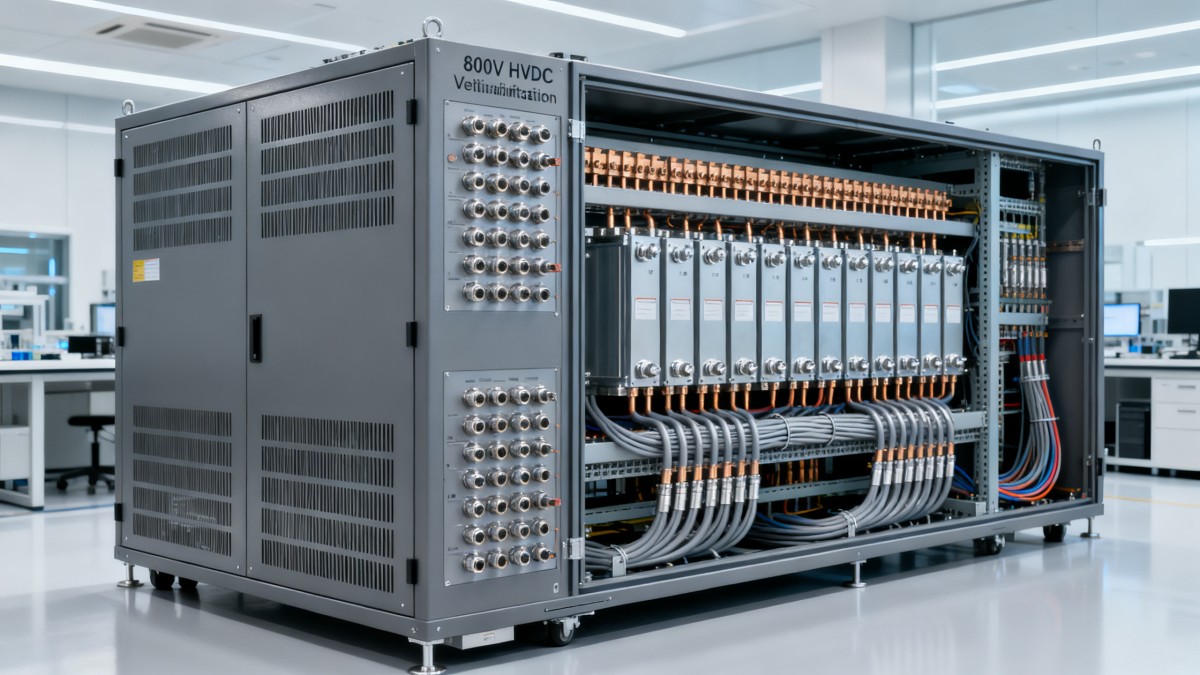
In summary, CAICT’s 800V HVDC compute-power coordination verification platform marks a targeted step toward standardizing high-voltage DC component validation in China. It does not introduce new regulation, but rather provides a technical infrastructure to support safer, more interoperable HVDC system integration. For stakeholders, the most constructive interpretation is that this is an early-stage capacity-building effort—one that warrants monitoring, not immediate operational overhaul.
Source: Official announcement from China Academy of Information and Communications Technology (CAICT) Tai’er Laboratory, dated April 24. Note: Specific test protocols, accreditation status with UL/IEC bodies, and timeline for external access remain pending public clarification and are subject to ongoing observation.
Technical Specifications
- How to Select Electronic Hotel Key Card Locks for Guest Rooms and Staff AreasAuthor :Safety Compliance Lead
- How to Select Lab Instruments for Reliable Chemical Analysis WorkflowsAuthor :Precision Metrology Expert
- How to Size a UPS for Server Rooms: Load, Runtime, and Redundancy FactorsAuthor :Grid Infrastructure Analyst
Expert Insights

Chief Security Architect
Dr. Thorne specializes in the intersection of structural engineering and digital resilience. He has advised three G7 governments on industrial infrastructure security.
Related Analysis
- Sep 17, 2026How to Select Electronic Hotel Key Card Locks for Guest Rooms and Staff AreasAuthor :Safety Compliance Lead
- Sep 16, 2026How to Select Lab Instruments for Reliable Chemical Analysis WorkflowsAuthor :Precision Metrology Expert
- Sep 15, 2026How to Size a UPS for Server Rooms: Load, Runtime, and Redundancy FactorsAuthor :Grid Infrastructure Analyst
Core Sector // 01
Security & Safety
- Selecting PTFE Insulated Hookup Wire for High-Temperature Control PanelsAuthor :Grid Infrastructure Analyst

- How Contractors Can Evaluate EPC Sourcing Solutions for Cost, Lead Time, and RiskAuthor :Grid Infrastructure Analyst

- What Drives Silicone Cable Bulk Price in Industrial Orders?Author :Grid Infrastructure Analyst

- EN 61000-6-4:2026 Takes Effect for EU-Bound ControlsAuthor :Grid Infrastructure Analyst

- How to Choose Low Smoke Cables and Wiring for Safer Commercial Buildings?Author :Grid Infrastructure Analyst

- Medium Voltage Armored Cable Selection Guide: Voltage Rating, Armor Type, and InstallationAuthor :Grid Infrastructure Analyst

- EU Publishes EN IEC 61000-6-4:2026 for Industrial EMCAuthor :Grid Infrastructure Analyst

- Choosing an XLPE Power Cable Manufacturer: 7 Checks for Voltage Class and ComplianceAuthor :Grid Infrastructure Analyst