Industrial Control Panels Explained: Key Components, Ratings, and Common Design Mistakes
Author
Date Published
Reading Time
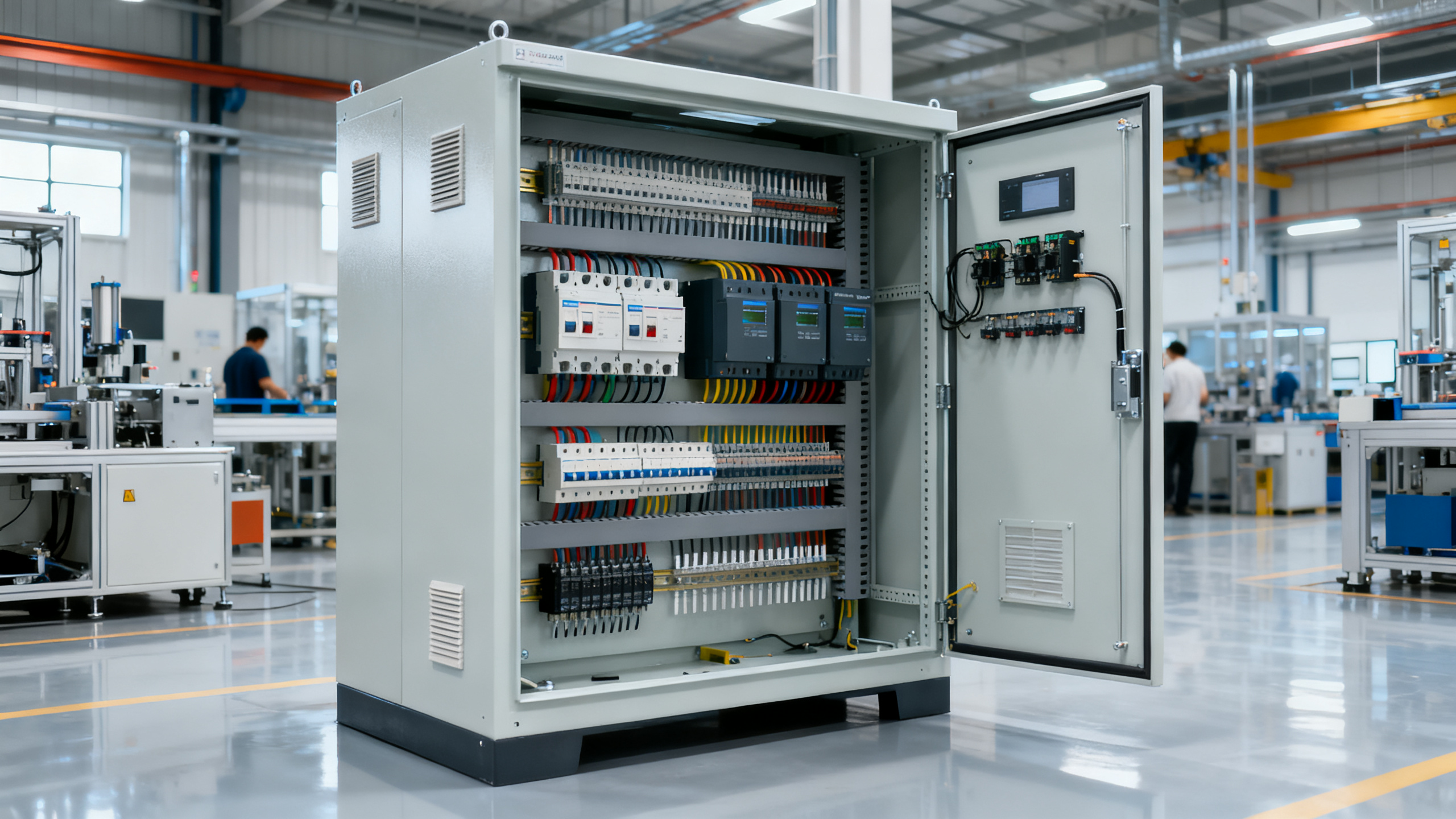
Industrial Control Panels Explained: Key Components, Ratings, and Common Design Mistakes
Industrial control panels are the backbone of safe, reliable automation, yet many projects overlook critical details until failures, delays, or compliance issues emerge.
For technical evaluations, panel quality is never just about assembly. It affects uptime, operator safety, maintenance effort, and long-term compliance.
This guide explains the essential parts of industrial control panels, key enclosure ratings, and the design mistakes that create avoidable risk.
What Industrial Control Panels Actually Do
Industrial control panels combine power distribution, control logic, protection devices, and operator interfaces into one coordinated system.
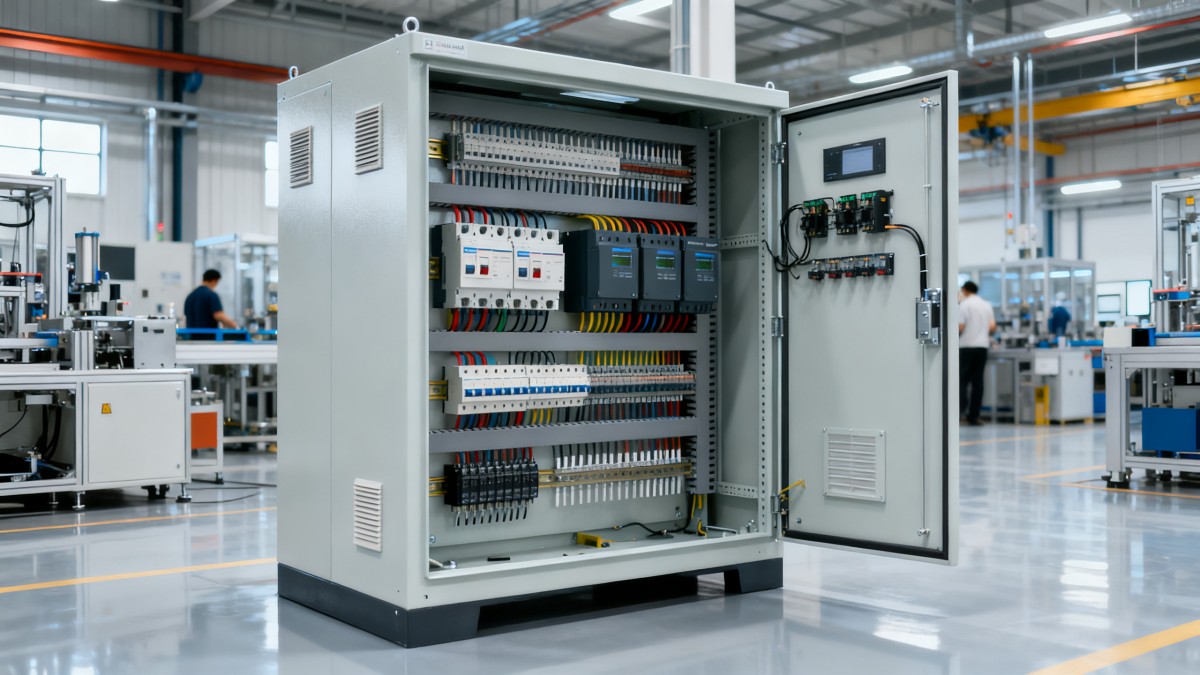
In practical terms, they receive incoming power, distribute it safely, and manage how motors, valves, sensors, and drives behave.
A well-designed panel also simplifies troubleshooting. It separates control functions clearly and protects sensitive components from harsh industrial conditions.
That matters across water treatment, process plants, packaging lines, utilities, mining, and building infrastructure.
When buyers compare industrial control panels, they are really comparing reliability under real operating stress.
Key Components Inside Industrial Control Panels
The internal architecture of industrial control panels varies by application, but several core elements appear in most compliant designs.
1. Main Disconnect and Circuit Protection
The main disconnect isolates the panel from incoming power. It is a basic safety requirement and a maintenance necessity.
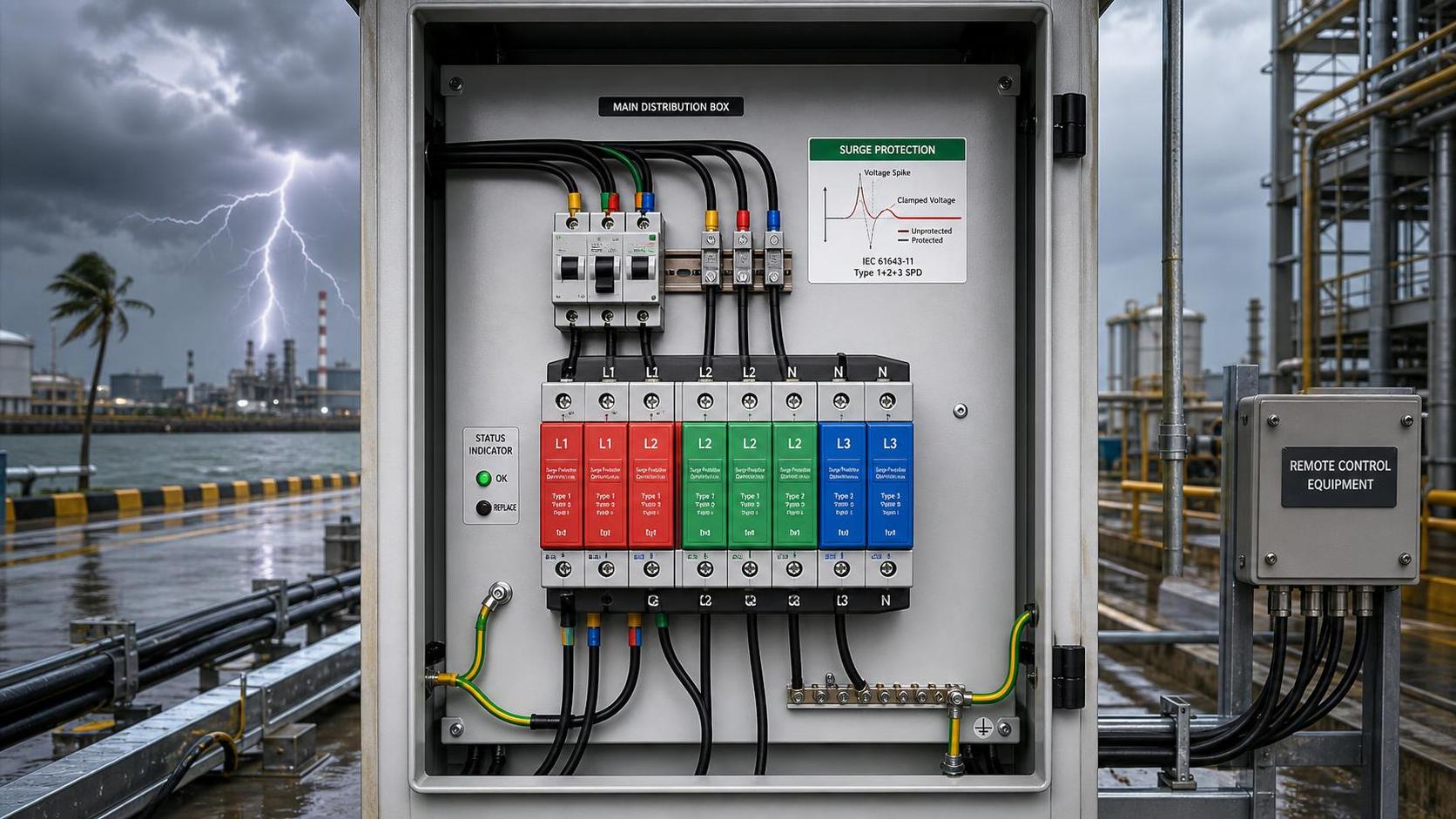
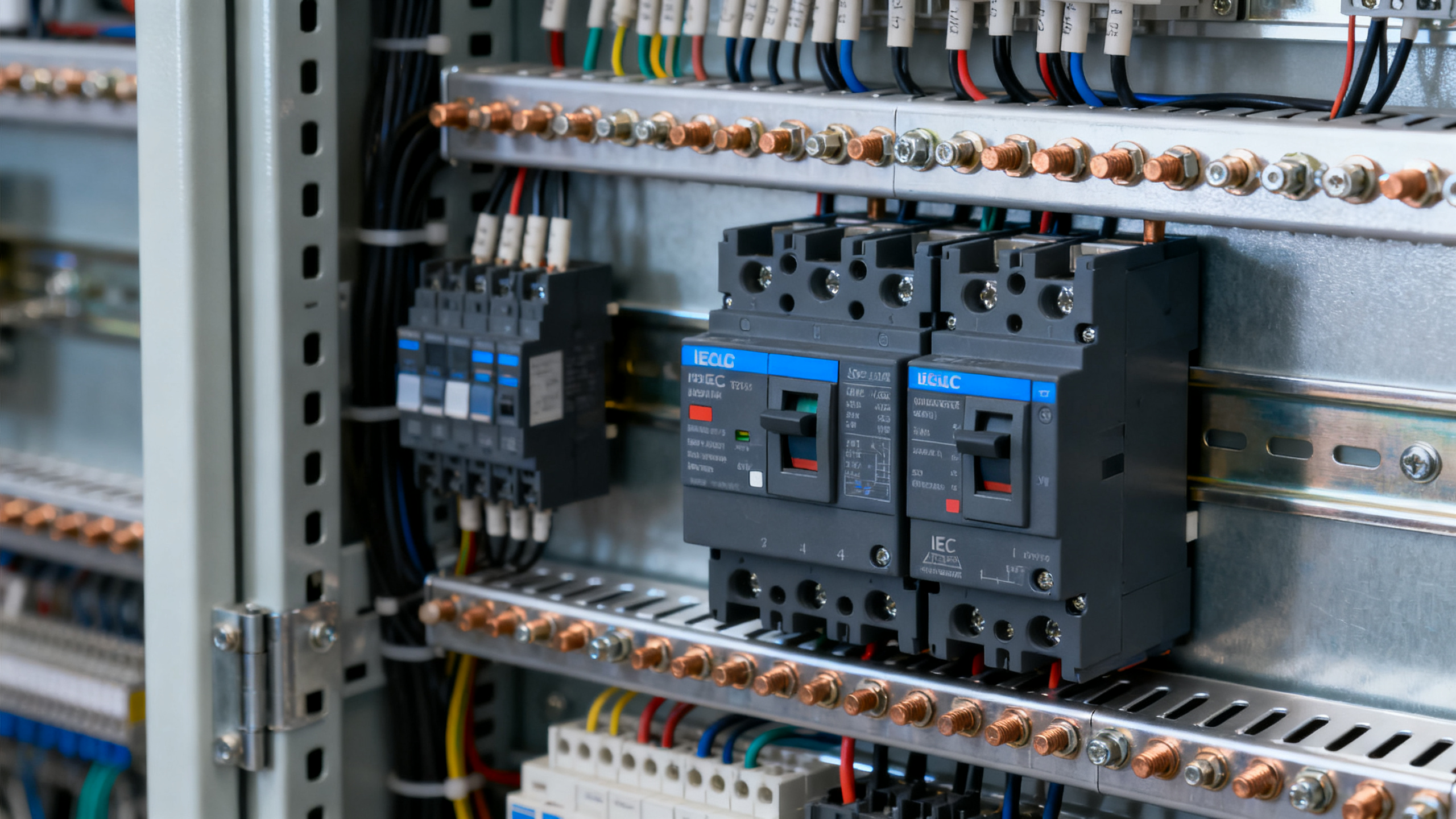
Circuit breakers and fuses protect feeders, branch circuits, and components from overloads and short circuits.
2. Power Distribution Blocks and Transformers
These parts route power to downstream devices. Control transformers also step voltage down for relays, PLCs, and signaling devices.
Poor distribution design often causes clutter, overheating, and difficult maintenance access.
3. Contactors, Relays, and Motor Starters
These devices switch loads and control motor operation. Overload relays provide essential motor protection during abnormal conditions.
In motor-heavy systems, component coordination is a major factor in panel performance and service life.
4. PLCs, I/O Modules, and Communication Hardware
Modern industrial control panels often center around a PLC or industrial controller.
Input and output modules connect field devices, while network switches and gateways support Modbus, EtherNet/IP, PROFINET, or other protocols.
This is where future integration risk usually appears first.
5. HMIs, Pushbuttons, and Signaling Devices
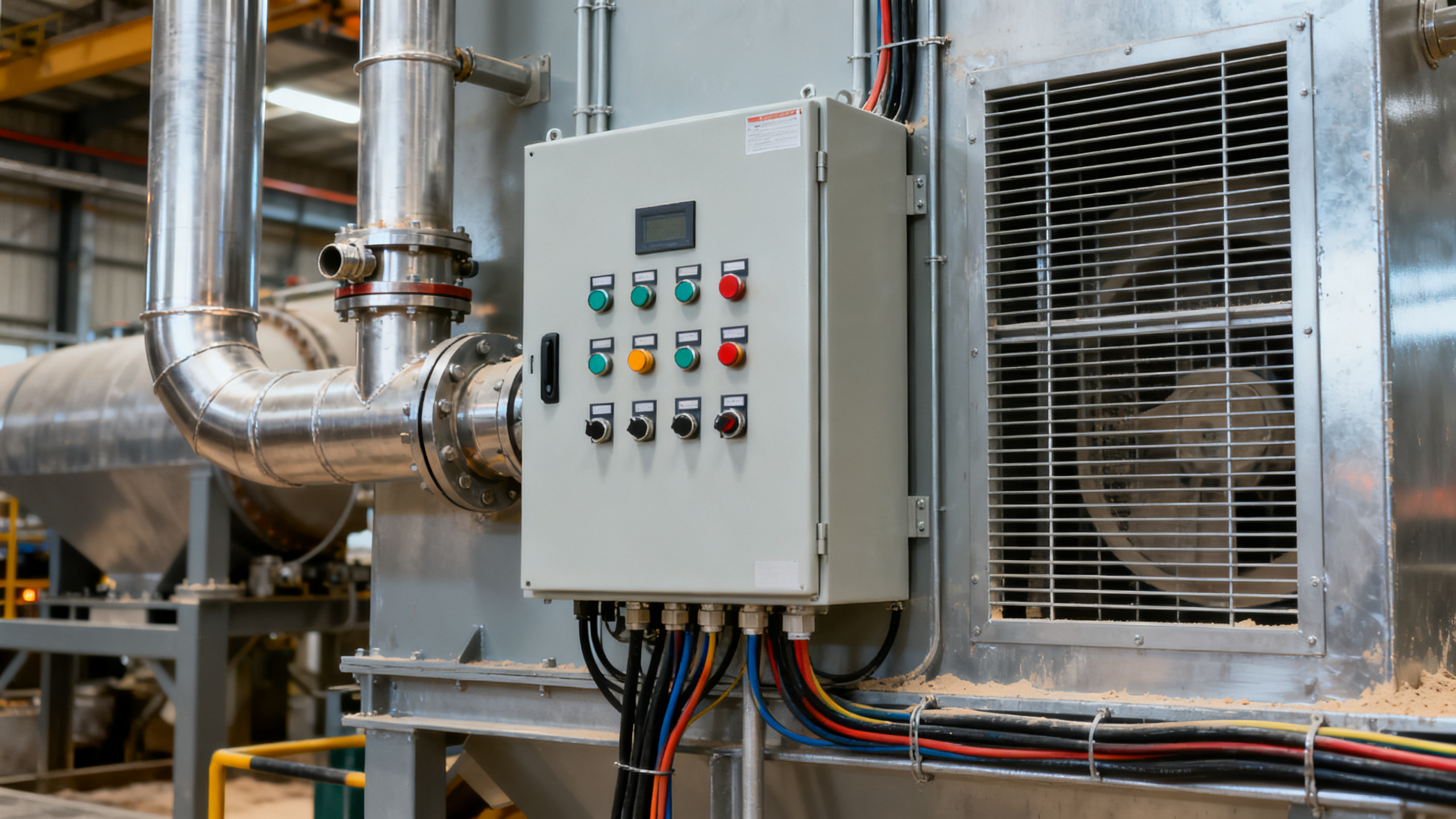
Operator interfaces must remain clear under real plant conditions. Glare, dust, gloves, vibration, and emergency response all affect usability.
Simple hardware choices here can improve safety more than many teams expect.
6. Terminal Blocks, Wiring Ducts, and Grounding
These are often treated as secondary details. In reality, they determine maintainability, traceability, and electrical integrity.
Well-organized wiring and solid grounding reduce noise, speed commissioning, and lower the chance of field errors.
Understanding Ratings That Matter
Ratings are where many industrial control panel specifications become misleading. A panel can look robust and still be wrong for the site.
The right rating depends on exposure, available fault current, temperature, washdown risk, and local code requirements.
Enclosure Ratings
NEMA and IP ratings address environmental protection, but they are not identical systems.
For example, a dry indoor utility room may accept a basic enclosure. Food processing or outdoor installations usually require much more protection.
Short-Circuit Current Rating
SCCR is critical for industrial control panels. It defines the maximum fault current the panel can safely withstand.
A panel with an insufficient SCCR can fail inspection or create a severe hazard during a fault event.
This rating must match the available fault current at the installation point, not a generic project assumption.
Temperature and Ventilation Limits
Heat is one of the most common hidden threats inside industrial control panels.
Drives, power supplies, and transformers generate thermal loads that must be evaluated as a system, not component by component.
Without proper derating, airflow, or cooling, even premium components lose life expectancy quickly.
Compliance Labels and Standards
Depending on the market, industrial control panels may need UL 508A, CE marking, IEC alignment, or project-specific certification.
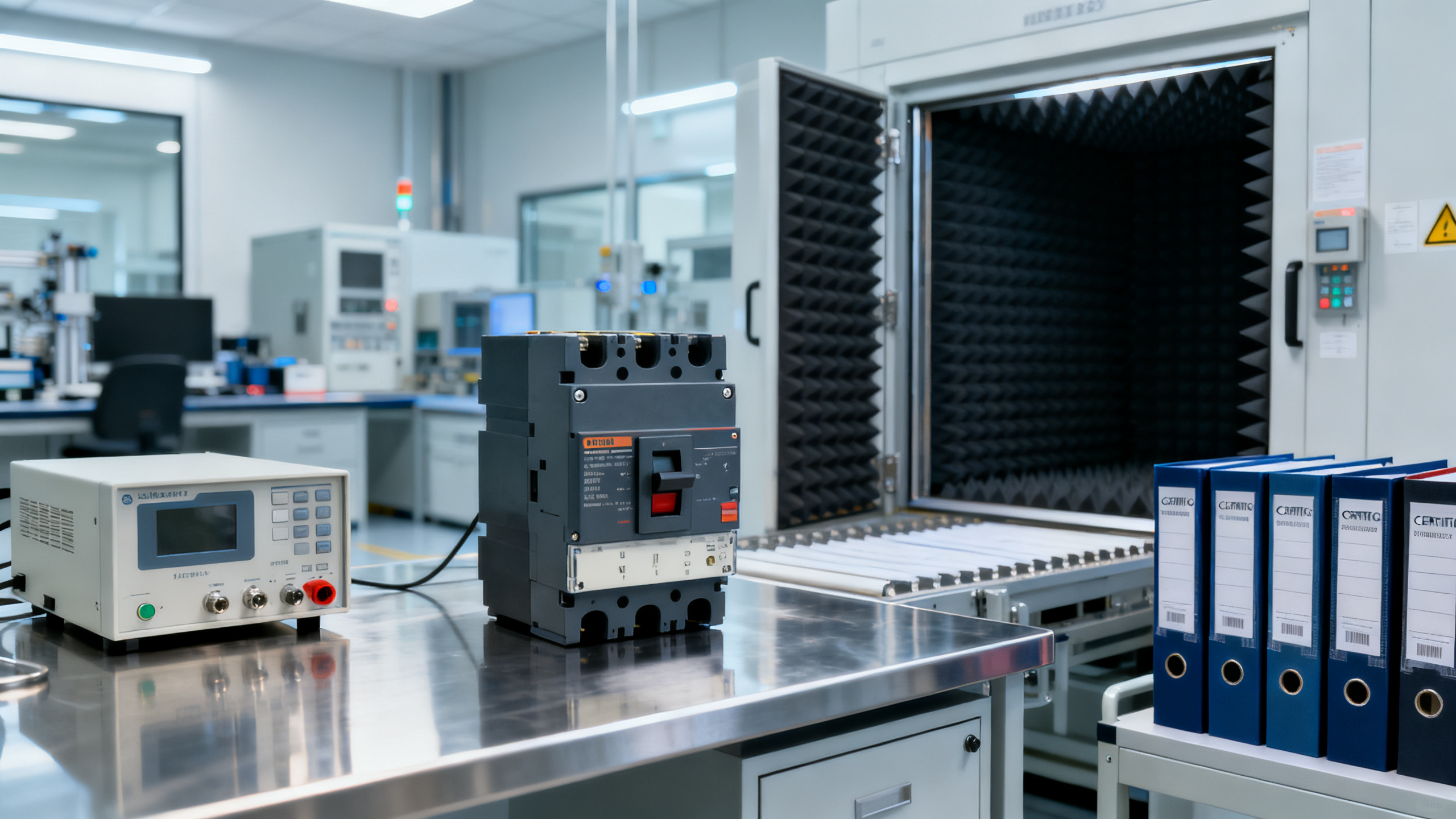
Documentation matters as much as hardware. Missing drawings, labels, or test records create delays during factory acceptance and site approval.
Common Design Mistakes That Cause Trouble Later
Most control panel failures are not dramatic. They begin as small design shortcuts that become expensive during commissioning or operation.
Undersized Enclosures
Tight layouts reduce manufacturing cost on paper, but they make heat management, wiring access, and future maintenance much harder.
Ignoring Segregation
Mixing power and low-level signal wiring without separation invites noise, unstable readings, and intermittent control issues.
Weak Thermal Planning
Many industrial control panels are designed from schematic logic first, then enclosure heat is checked too late.
That sequence usually creates rework, larger enclosures, or early failures in VFD-heavy systems.
Insufficient Service Access
A panel that looks tidy in CAD may be frustrating in the field. Technicians need space to test, replace, and identify components quickly.
Incomplete Fault Current Review
This is a classic late-stage problem. Teams confirm device function, but overlook whether the full industrial control panel SCCR is adequate.
Poor Documentation
Unclear wire numbering, missing spare capacity notes, and outdated drawings can turn a minor shutdown into a long service event.
How to Evaluate Industrial Control Panels More Effectively
A stronger review process reduces lifecycle risk. It also makes supplier comparison more objective.
- Confirm the application environment, including dust, moisture, washdown, corrosion, and ambient temperature.
- Check enclosure rating, SCCR, component certifications, and regional compliance requirements early.
- Review internal layout for wire segregation, thermal spacing, ventilation, and serviceability.
- Verify labeling, as-built drawings, BOM accuracy, and network architecture details.
- Ask how the industrial control panel supports spare capacity and future expansion.
In current projects, that final point matters more than ever. Expansion pressure often arrives long before the panel reaches end of life.
Final Takeaway
Industrial control panels should be evaluated as engineered systems, not just assembled boxes of components.
The best results come from balancing protection, compliance, thermal performance, maintainability, and real operating conditions.
When specifications address these details early, industrial control panels are easier to approve, safer to operate, and more resilient over time.
Use that lens during every review, and common design mistakes become much easier to catch before they become site problems.
Technical Specifications
- Air Handling Unit Supplier Checklist: Performance Data, Lead Times, and SupportAuthor :Environmental Engineering Director
- Buying Fiberglass Water Tanks Wholesale: Compare Quotes and Delivery CostsAuthor :Environmental Engineering Director
- Choosing an XLPE Power Cable Supplier: Test Reports, Traceability, and Lead TimesAuthor :Grid Infrastructure Analyst
Expert Insights

Chief Security Architect
Dr. Thorne specializes in the intersection of structural engineering and digital resilience. He has advised three G7 governments on industrial infrastructure security.
Related Analysis
- Oct 19, 2026Air Handling Unit Supplier Checklist: Performance Data, Lead Times, and SupportAuthor :Environmental Engineering Director
- Oct 18, 2026Buying Fiberglass Water Tanks Wholesale: Compare Quotes and Delivery CostsAuthor :Environmental Engineering Director
- Oct 17, 2026Choosing an XLPE Power Cable Supplier: Test Reports, Traceability, and Lead TimesAuthor :Grid Infrastructure Analyst
Core Sector // 01
Security & Safety
- Can SPDs Handle Repeated Voltage Spikes in Tropical Grids?Author :Grid Infrastructure Analyst

- How to Evaluate IEC-Compliant Power Protection Devices for Industrial PanelsAuthor :Grid Infrastructure Analyst

- How to Choose Smart Industrial Control Equipment for Harsh Plant EnvironmentsAuthor :Grid Infrastructure Analyst

- EU EMC Update Triggers Re-Certification for BreakersAuthor :Grid Infrastructure Analyst

- How to Select the Right SPD for Solar Inverter Protection in PV Systems?Author :Grid Infrastructure Analyst

- Industrial Valve Systems Factory Checklist: What Buyers Should Verify Before OrderingAuthor :Grid Infrastructure Analyst

- Breaker and Relay Lead Times Hit 24 WeeksAuthor :Grid Infrastructure Analyst

- IEC 61850-10-3 Sets Cybersecurity Bar for Grid DevicesAuthor :Grid Infrastructure Analyst