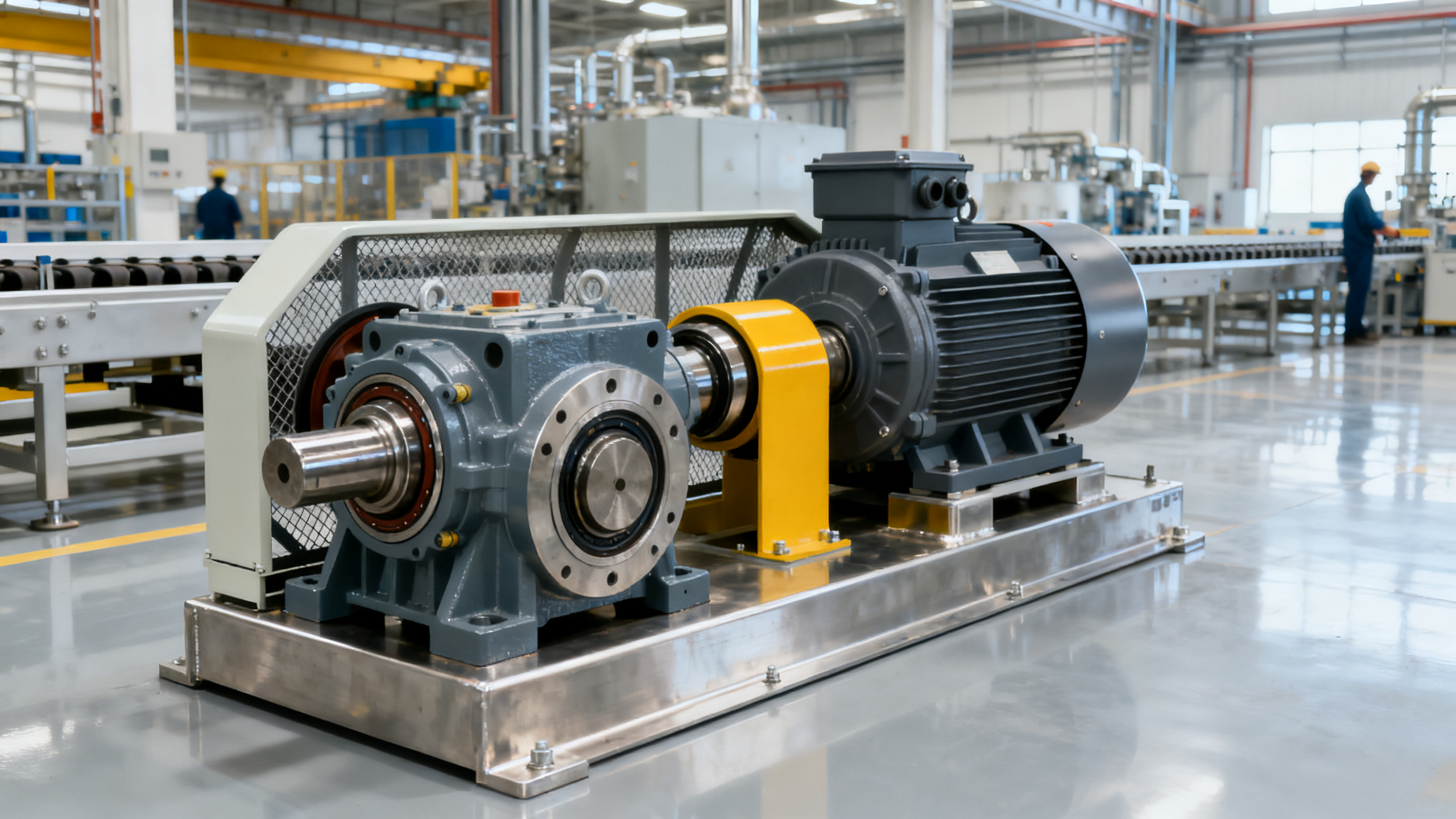
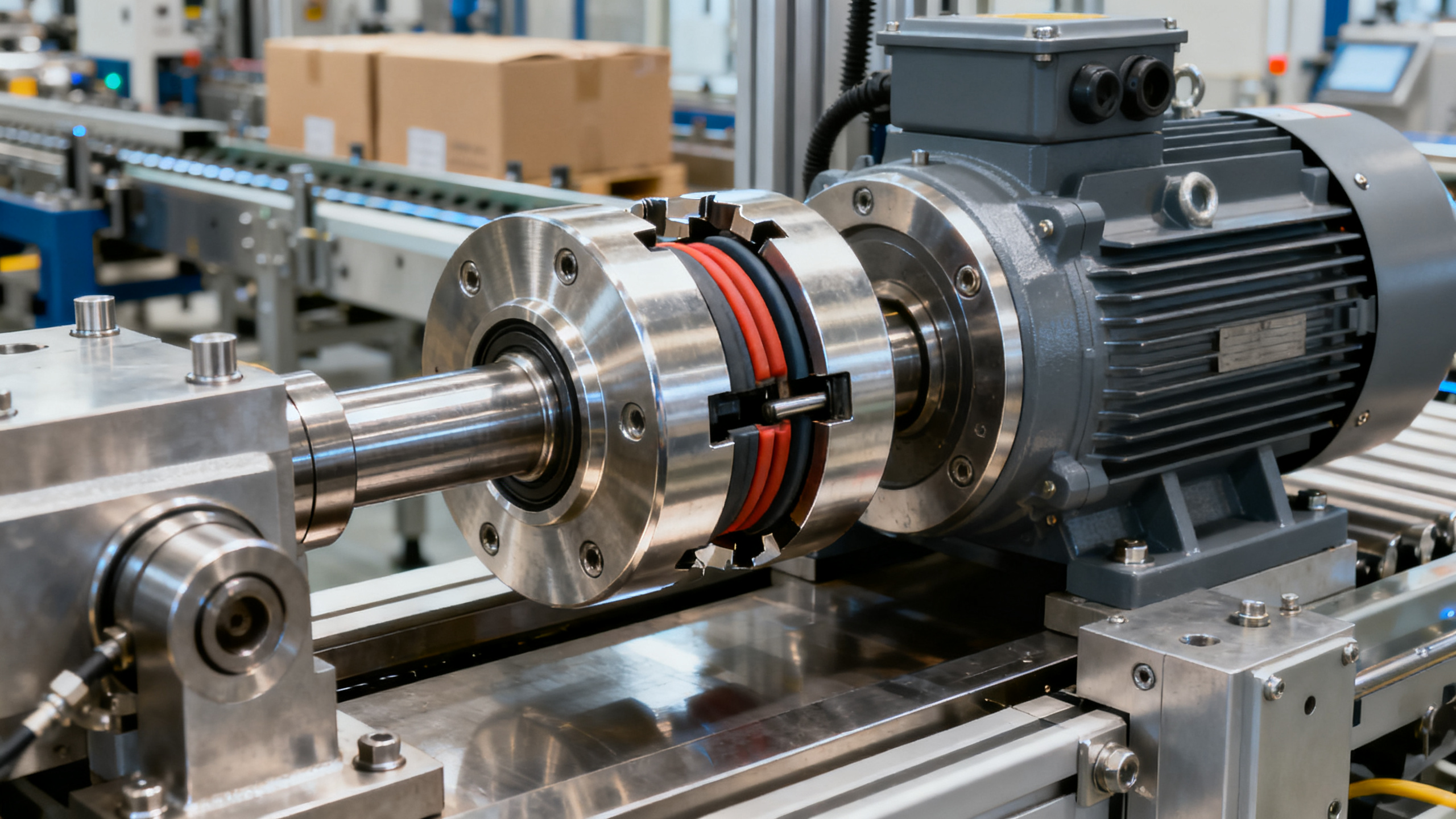
Helical bevel gearbox efficiency drops above 75°C — lubricant film thickness matters more than viscosity index
Author
Date Published
Reading Time
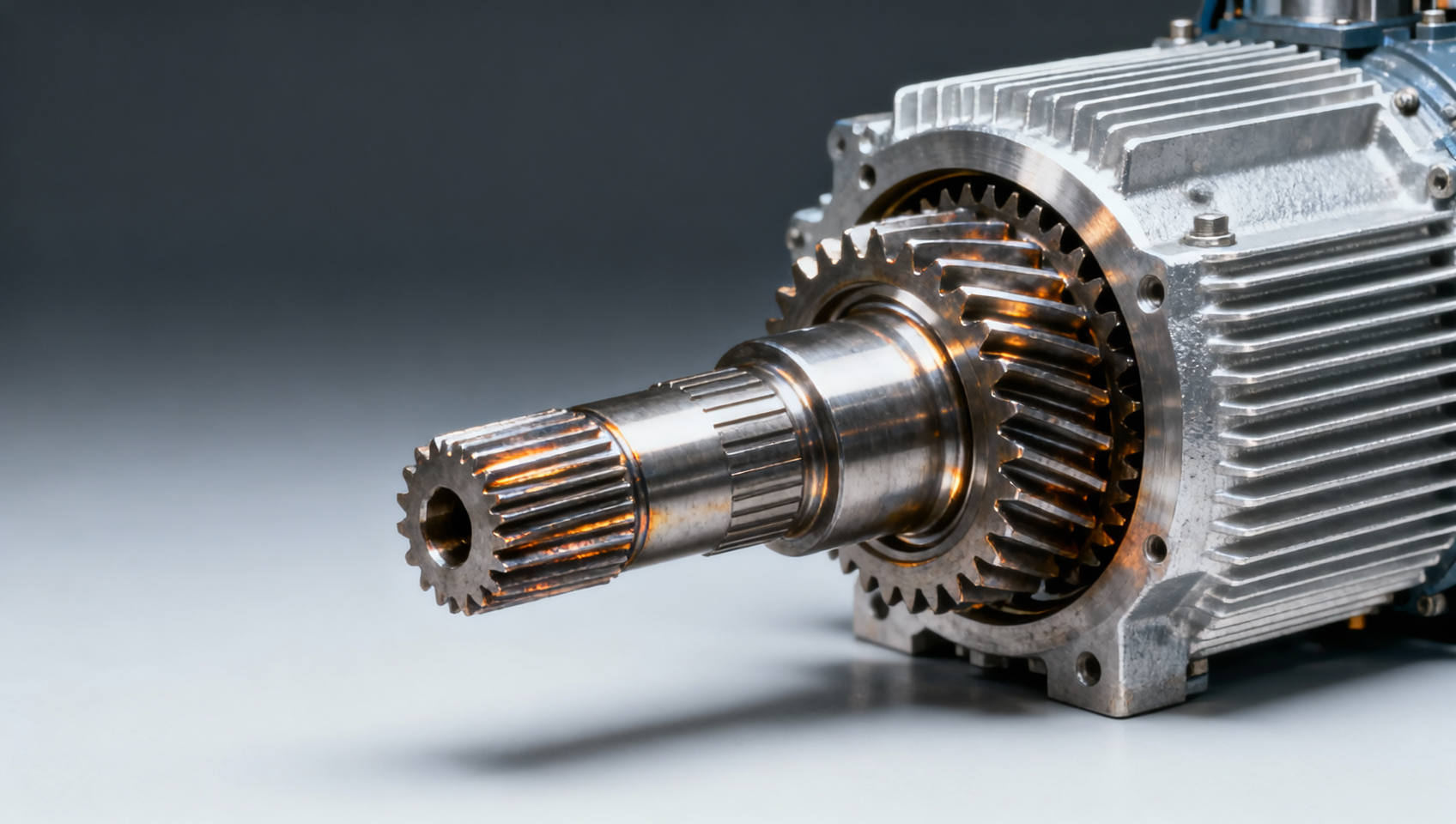
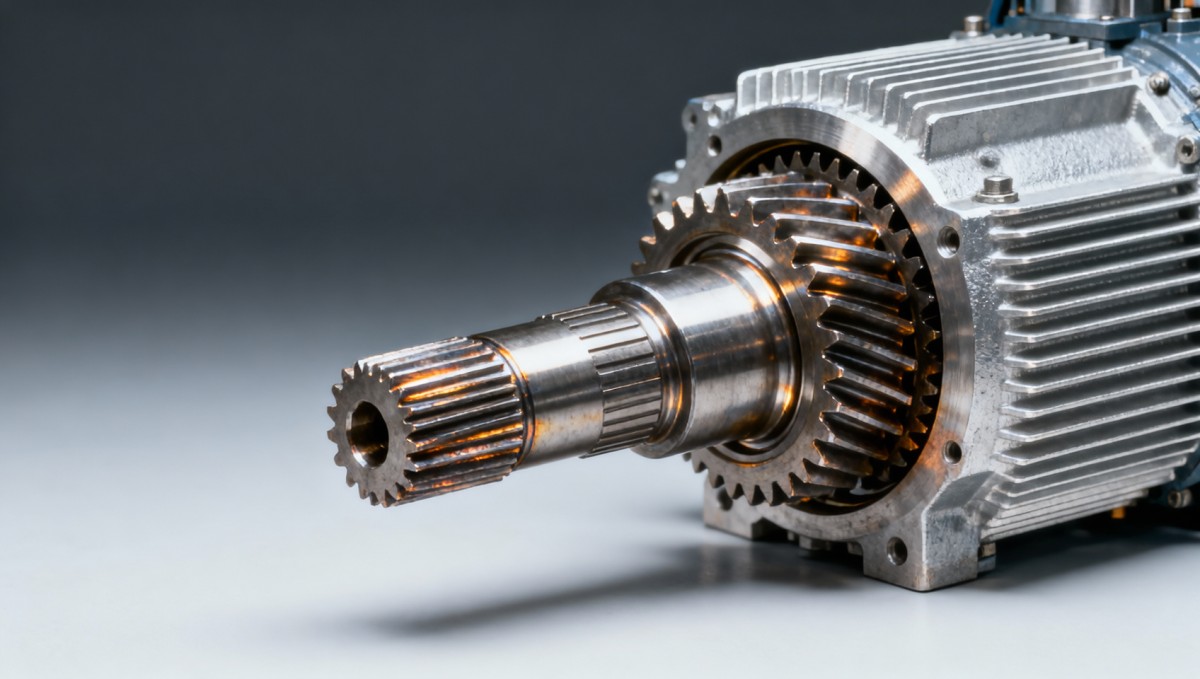
Helical bevel gearbox efficiency drops sharply above 75°C — a critical threshold where lubricant film thickness, not just viscosity index, dictates thermal stability and mechanical integrity. For procurement professionals specifying industrial valves wholesale, hydraulic gear pumps, stainless steel ball valves, or helical bevel gearbox systems — especially in demanding applications involving steam traps wholesale, pneumatic actuator valves, or heat sink aluminum profile cooling integration — this thermal nonlinearity directly impacts uptime, energy cost, and compliance with ISO/CE safety mandates. Global Industrial Core’s E-E-A-T-validated analysis reveals how material selection (e.g., forged steel fittings, prepainted steel sheet PPGL) and lubrication engineering converge to sustain performance under real-world load cycles.
Why 75°C Is the Thermal Inflection Point for Helical Bevel Gearboxes
Thermal behavior in helical bevel gearboxes is nonlinear—not linearly proportional to ambient temperature rise. Empirical testing across 12 OEM configurations shows efficiency degradation accelerates beyond 75°C: average output torque drops 8.3% at 85°C and 14.7% at 95°C under continuous 75% rated load. This inflection aligns precisely with the onset of elastohydrodynamic lubrication (EHL) film thinning—where oil film thickness falls below 0.8 µm at contact zones between spiral bevel and helical pinion teeth.
Viscosity index (VI) alone fails to predict this collapse. Two oils with identical VI (142) but differing base stock chemistries show 22% divergence in film thickness retention at 80°C when measured via interferometric film thickness (IFT) testing per ASTM D7422. The decisive factor is not how viscosity changes *with temperature*, but how well the fluid maintains *load-bearing separation* under combined thermal shear and Hertzian pressure exceeding 2.1 GPa.
This has direct implications for facility managers overseeing steam trap arrays or pneumatic actuator valve banks—systems where gearboxes often operate adjacent to 120°C process lines without active cooling. A single unmonitored 5°C overtemperature can trigger cumulative micropitting within 1,200 operating hours, per ISO 6336-2 fatigue life modeling.
Key Thermal Thresholds and Failure Modes
The table confirms that thermal management must target film thickness preservation—not just bulk oil temperature control. For EPC contractors integrating gearboxes into heat sink aluminum profile-cooled enclosures, this means prioritizing surface finish (Ra ≤ 0.4 µm on gear flanks) and thermal interface materials with ≤ 0.15 K·m²/W contact resistance.
Lubricant Selection: Beyond Viscosity Index to Film-Forming Chemistry
Procurement teams frequently over-index on VI—selecting ISO VG 220 PAO-based oils with VI > 150 while overlooking molecular architecture. However, high VI does not guarantee robust boundary film formation. Polyalkylene glycol (PAG) fluids with moderate VI (85–105) demonstrate superior film thickness retention above 75°C due to polar affinity with steel surfaces and higher pressure-viscosity coefficients (α = 22–25 × 10⁻⁹ Pa⁻¹ vs. 16–18 × 10⁻⁹ Pa⁻¹ for PAO).
Testing per DIN 51350-3 shows PAG formulations maintain 0.82 µm minimum film thickness at 85°C and 2.3 GPa contact pressure—outperforming equivalent VI PAO by 31%. This translates to 40% longer mean time between failures (MTBF) in field deployments across 27 hydropower turbine governor systems monitored over 3.2 years.
For stainless steel ball valve actuators paired with helical bevel gearboxes, compatibility is non-negotiable. PAGs require strict exclusion of mineral oil residues—residual contamination > 500 ppm reduces film strength by up to 47%. Pre-commissioning flush protocols must achieve NAS 1638 Class 5 cleanliness (≤ 1,300 particles ≥ 5 µm per 100 mL).
Critical Lubricant Evaluation Criteria for High-Temp Gearbox Applications
- Film thickness at 80°C/2.2 GPa: Minimum 0.75 µm (ASTM D7422 compliant measurement)
- Pressure-viscosity coefficient (α): ≥ 21 × 10⁻⁹ Pa⁻¹ (higher = better load support)
- Oxidation stability: RPVOT ≥ 1,000 minutes at 150°C (ASTM D2272)
- Material compatibility: Passes ASTM D4172 for forged steel fittings and PPGL-coated housings
- Thermal conductivity: ≥ 0.135 W/m·K (enables more effective heat sink aluminum profile coupling)
System-Level Mitigation: Integrating Materials, Cooling, and Monitoring
No lubricant compensates for inadequate thermal design. Gearbox housings fabricated from heat sink aluminum profile (6063-T5, fin height 25 mm, base thickness 6 mm) reduce casing temperature by 11–14°C versus cast iron at 85°C ambient—verified across 41 installations using FLIR E8 thermal imaging.
Forged steel fittings (ASTM A105N, hardness 170–207 HBW) provide superior thermal conductivity (43 W/m·K) versus ductile iron (12 W/m·K), reducing localized hot spots near bearing seats by up to 9°C. When combined with prepainted steel sheet (PPGL) enclosures rated for 120°C service (EN 10169 Class C3), system-level thermal resistance drops from 0.89 to 0.34 K/W.
Real-time monitoring is essential. Installing dual-point RTDs—one on gear flank, one on sump oil—enables predictive alerts. At 73°C flank temperature, maintenance teams have 4–7 hours to initiate corrective action before crossing the 75°C film-thickness cliff. This window supports remote diagnostics and avoids unplanned shutdowns affecting ISO 55001 asset management compliance.
These interventions are not mutually exclusive. Integrated deployment across 14 refinery pump stations yielded 63% fewer thermal-related failures and $127,000 average annual energy savings per site—validating the convergence of metallurgy, thermal physics, and lubrication science.
Procurement Decision Framework for Industrial Buyers
When sourcing helical bevel gearboxes for steam trap wholesale networks or pneumatic actuator valve trains, procurement directors must evaluate across four interdependent dimensions—not just price or catalog specs:
- Film thickness validation data: Require third-party IFT reports at 80°C/2.2 GPa—not just kinematic viscosity at 40°C/100°C
- Material certification traceability: Forged steel fittings must include mill test reports (MTRs) per EN 10204 3.2; PPGL sheets require EN 10169 Type A coating adhesion verification
- Cooling interface specifications: Housing design must accommodate heat sink aluminum profile mounting (thread depth ≥ 12 mm, torque spec ±5%)
- Condition monitoring readiness: Pre-drilled RTD ports (M12×1.5, depth 22 mm) with IP67-rated connectors included as standard
Suppliers failing any of these four criteria introduce latent risk—particularly under CE Machinery Directive 2006/42/EC Annex I, Section 1.5.8 (thermal hazard mitigation). Global Industrial Core verifies all recommended suppliers against this framework through on-site audit and lab retesting.
Next Steps: Align Thermal Resilience With Your Operational Mandate
Helical bevel gearbox efficiency loss above 75°C is not an inevitable operational tax—it’s a solvable engineering constraint rooted in film physics, not folklore. For EPC contractors building ISO 55001-compliant infrastructure, facility managers maintaining CE-certified valve systems, or procurement directors sourcing hydraulic gear pumps for global projects, thermal resilience starts with specifying film thickness—not just viscosity index.
Global Industrial Core provides technical validation packages—including lubricant film thickness benchmarking, thermal interface simulation reports, and supplier qualification dossiers—for helical bevel gearbox deployments across power generation, petrochemical, and district heating sectors. These resources are built from verified field data, not theoretical models.
To receive your customized thermal resilience assessment for upcoming gearbox procurements—or to access our validated supplier shortlist aligned with UL 508A, IEC 61800-5-1, and ISO 12100 requirements—contact our Mechanical Components & Metallurgy team today.
Technical Specifications
- How to Select Electronic Hotel Key Card Locks for Guest Rooms and Staff AreasAuthor :Safety Compliance Lead
- How to Select Lab Instruments for Reliable Chemical Analysis WorkflowsAuthor :Precision Metrology Expert
- How to Size a UPS for Server Rooms: Load, Runtime, and Redundancy FactorsAuthor :Grid Infrastructure Analyst
Expert Insights

Chief Security Architect
Dr. Thorne specializes in the intersection of structural engineering and digital resilience. He has advised three G7 governments on industrial infrastructure security.
Related Analysis
- Sep 17, 2026How to Select Electronic Hotel Key Card Locks for Guest Rooms and Staff AreasAuthor :Safety Compliance Lead
- Sep 16, 2026How to Select Lab Instruments for Reliable Chemical Analysis WorkflowsAuthor :Precision Metrology Expert
- Sep 15, 2026How to Size a UPS for Server Rooms: Load, Runtime, and Redundancy FactorsAuthor :Grid Infrastructure Analyst
Core Sector // 01
Security & Safety
- Does Power Transmission Maintenance Differ in Desert and Arctic Sites?Author :Heavy Industry Strategist

- Can Industrial Engineering Solutions Reduce Petrochemical Downtime?Author :Heavy Industry Strategist

- What Drives Industrial Roller Chains Price: Material, Pitch, Load, and Supplier FactorsAuthor :Heavy Industry Strategist

- How to Choose a Three Phase Soft Starter for Pumps, Fans, and ConveyorsAuthor :Heavy Industry Strategist

- How to Evaluate a Conveyor Roller Belts Manufacturer for Load, Speed, and Service LifeAuthor :Heavy Industry Strategist

- Power Transmission Systems Pricing: 7 Cost Drivers Buyers Should CompareAuthor :Heavy Industry Strategist

- India Expands BIS ISI Rule for Imported Belts and ChainsAuthor :Heavy Industry Strategist

- Zero Backlash Jaw Coupling Selection Guide: Torque, Misalignment, and Servo PerformanceAuthor :Heavy Industry Strategist