What Drives Precision Metal Parts Price? Materials, Tolerances, Finishing and Volume
Author
Date Published
Reading Time
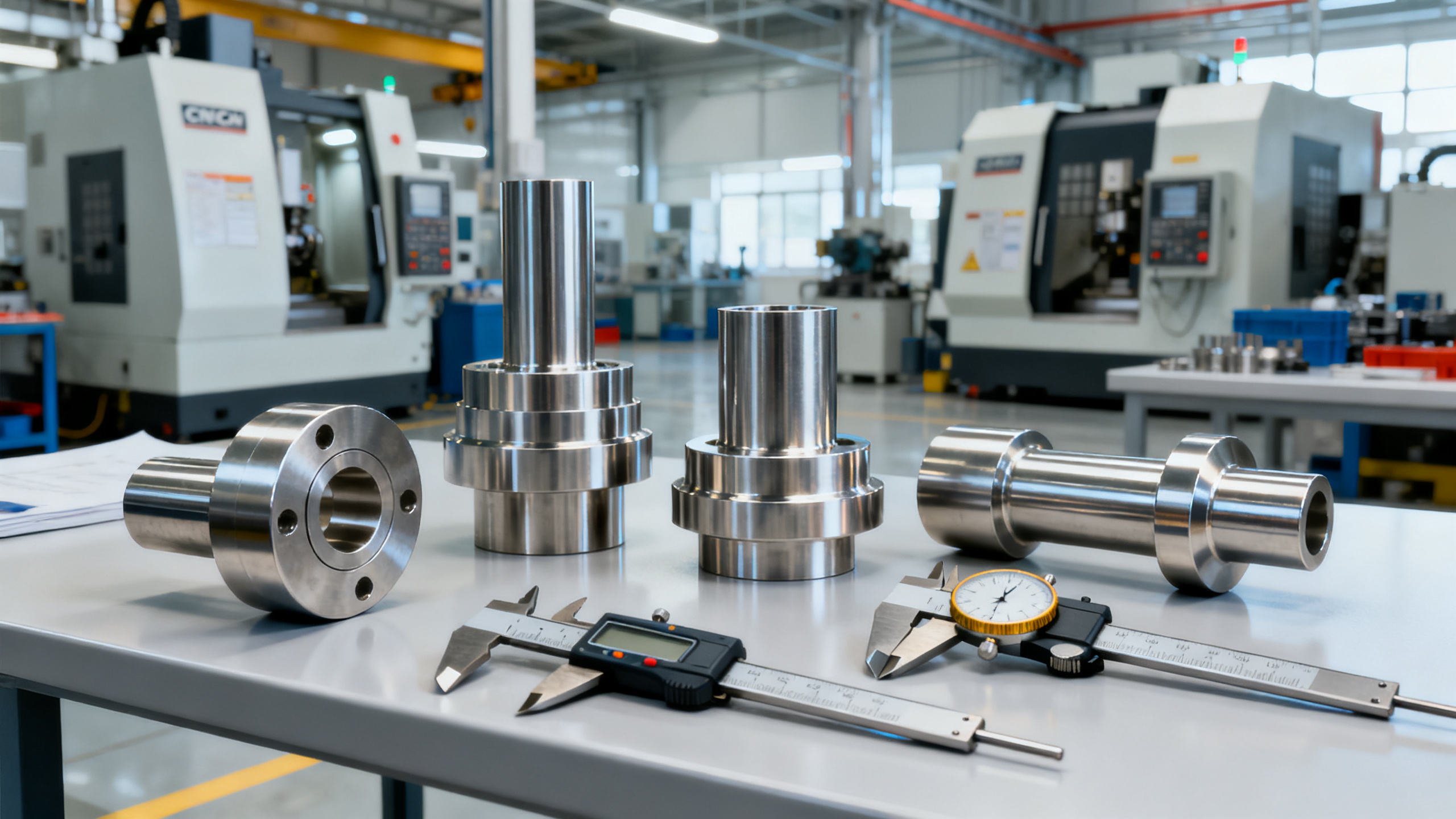
The precision metal parts price is shaped by far more than raw metal cost. In industrial buying, the quote reflects a chain of decisions about material grade, geometric complexity, tolerance bands, finishing steps, inspection depth, and order scale.
That matters because small specification changes can produce large budget effects. A part that looks similar on a drawing may require different machining hours, scrap rates, certification records, or process controls once it enters production.
For infrastructure, power, instrumentation, safety, and mechanical systems, pricing also carries risk signals. At Global Industrial Core, this is a recurring theme: cost, compliance, and long-term reliability must be evaluated together, not as separate conversations.
Why precision metal parts pricing deserves closer review
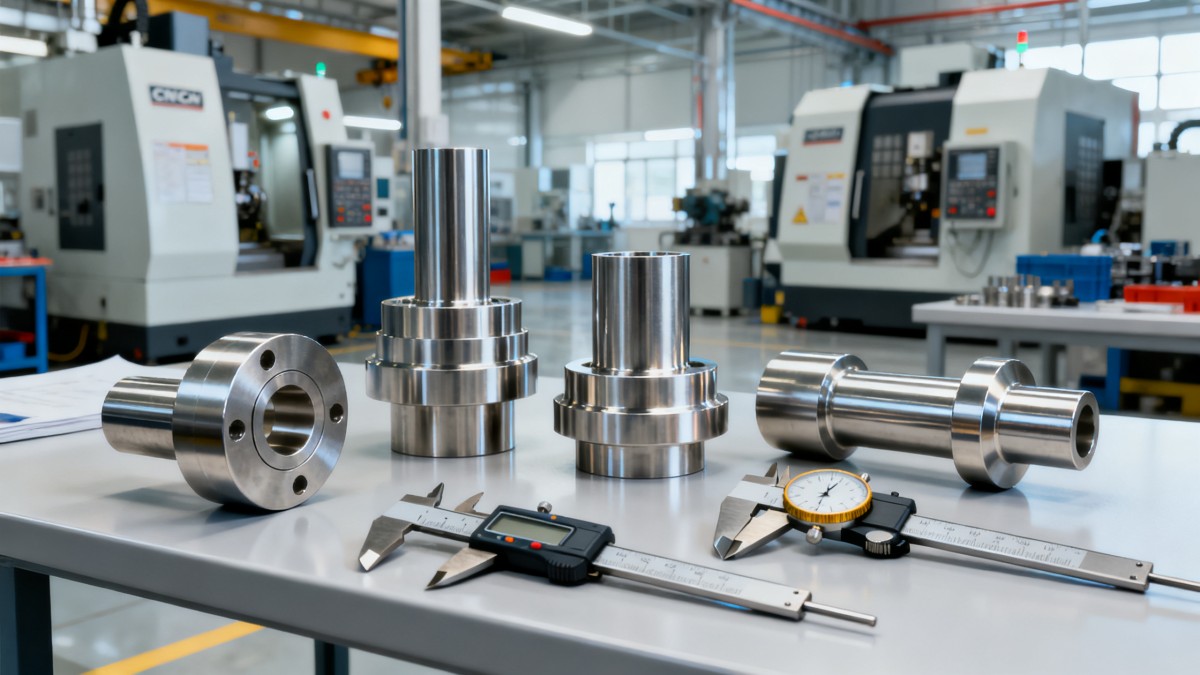
A low quote can hide expensive downstream effects. Rework, delayed assembly, failed inspection, coating defects, or premature wear often cost more than the initial savings on the purchase order.
The precision metal parts price becomes especially important when components serve regulated or harsh-duty environments. In those cases, dimensions, traceability, and finish quality directly affect uptime, maintenance intervals, and compliance exposure.
This is why price analysis should move beyond simple line-item comparison. A meaningful review asks what is included, what process capability is assumed, and what commercial risk remains outside the supplier’s quoted scope.
Material choice sets the starting cost structure
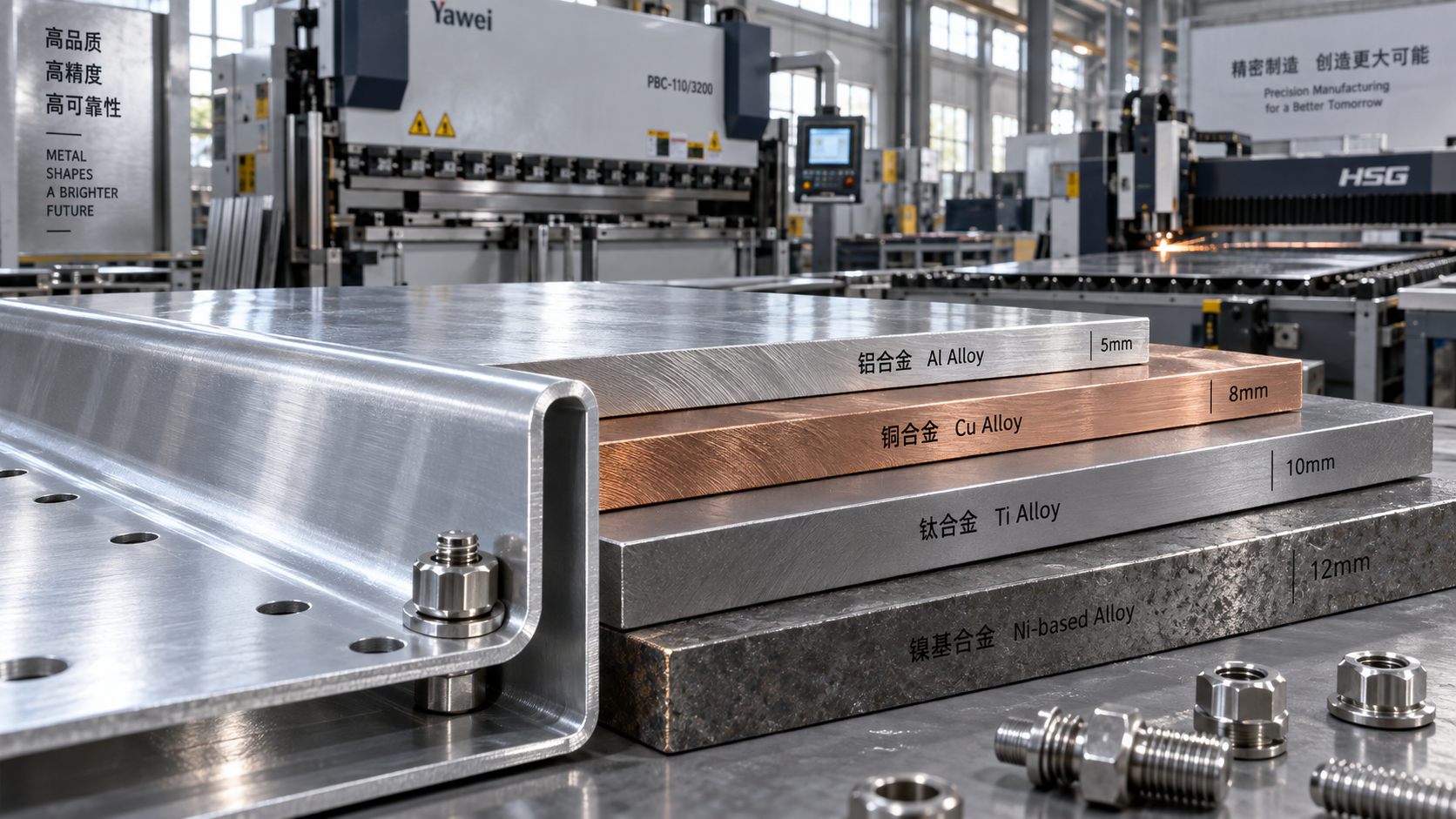
Material is the most visible cost driver, but not always the largest one. Even so, alloy selection influences machining speed, tool wear, yield loss, corrosion resistance, and the need for secondary treatment.
Carbon steel may offer a lower entry price, yet require plating or painting for environmental protection. Stainless steel can reduce corrosion risk, though it may increase machining time and tooling consumption.
Aluminum often improves machinability and lowers weight. Titanium, nickel alloys, and specialty steels raise the precision metal parts price because they demand slower cutting, tighter process control, and more expensive input stock.
Material certification also changes the economics. When full traceability, mill test reports, or compliance with ASTM, ISO, CE, or customer-specific standards is required, the quote must cover documentation, segregation, and verification work.
Material-related pricing effects
Tolerance is often where the quote changes sharply
Tolerance requirements have an outsized influence on the precision metal parts price. Moving from a standard tolerance to a very tight one may require slower machining, more stable fixturing, extra inspection, and environmental control.
Not every feature needs micron-level accuracy. When drawings apply tight tolerances broadly, the supplier prices the entire manufacturing route around the hardest feature, even if most dimensions are not functionally critical.
A practical review separates critical-to-fit surfaces from non-critical geometry. That often lowers the precision metal parts price without weakening performance, because the process can focus precision only where assembly, sealing, motion, or measurement depend on it.
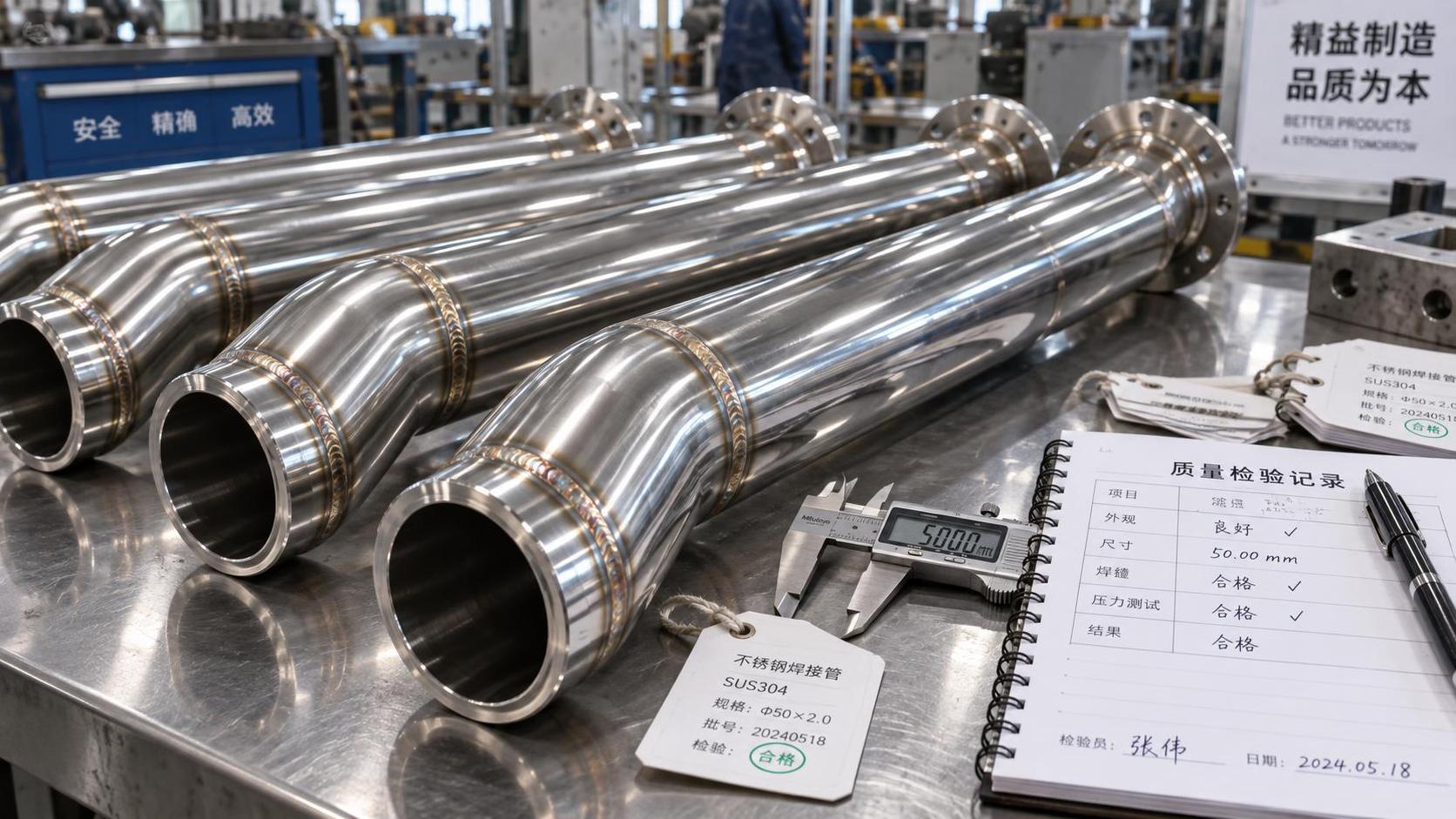
Inspection strategy matters as well. CMM reporting, first article inspection, statistical sampling, gauge R&R requirements, and retained quality records all increase cost, even when the visible part geometry stays unchanged.
Where tight tolerances usually earn their cost
- Mating surfaces that control alignment or sealing performance
- Rotating or sliding interfaces with wear sensitivity
- Instrument housings and sensor interfaces
- Safety-critical assemblies with narrow fit windows
- Parts requiring repeatable interchangeability across batches
Finishing adds function, appearance, and hidden process cost
Surface finishing is frequently underestimated during budget review. Yet plating, anodizing, passivation, heat treatment, polishing, blasting, deburring, painting, and specialty coatings can move the precision metal parts price significantly.
Some finishes protect against corrosion or conductivity loss. Others improve hardness, reduce friction, support cleanliness standards, or create a controlled cosmetic appearance for exposed assemblies.
The commercial issue is that finishing rarely stands alone. It can introduce masking steps, dimensional buildup, subcontracting, transport risk, inspection delays, and potential rework if adhesion, thickness, or color consistency falls outside specification.
A lower part price before finishing can therefore be misleading. The usable comparison is finished, inspected, and conforming cost at the point of installation.
Questions that clarify finishing cost
- Is the finish essential for performance or mainly cosmetic?
- Will coating thickness affect tolerance-critical features?
- Is the process done in-house or by a qualified external source?
- Are salt spray, hardness, adhesion, or conductivity tests included?
- What rework path exists if finish quality fails inspection?
Volume changes the economics, but not always the way expected
Order quantity can lower the precision metal parts price, but only after setup, tooling, programming, and inspection preparation are absorbed. For many custom parts, these fixed costs dominate early production runs.
Low-volume orders usually carry a higher unit price because setup time is spread across fewer pieces. That does not automatically make them inefficient. They may still be the right choice for pilot builds, maintenance spares, or staged capital release.
Higher volumes can unlock process improvements such as dedicated fixtures, optimized nesting, semi-automation, or long-run raw material purchasing. These changes often reduce unit price more than simple quantity scaling alone.
Still, volume discounts should be tested against inventory risk. Excess stock, engineering revisions, storage constraints, and demand uncertainty can erase the gains from an apparently attractive unit cost.
Volume decisions in common industrial contexts
What a careful quote review should include
A strong quotation review looks past the headline number. It checks whether the precision metal parts price covers material grade, tolerance capability, finishing standard, inspection scope, packaging, lead time, and documentation.
This is where industrial intelligence becomes practical. In sectors covered by GIC, durable sourcing decisions depend on seeing the relationship between process detail and commercial exposure.
When comparing suppliers, it helps to normalize quotes around the same assumptions. Otherwise, one source may appear cheaper simply because testing, finishing, certification, or scrap allowance has been excluded.
Useful checkpoints before approval
- Confirm which tolerances are function-critical and which can be relaxed
- Match alloy choice to operating environment, not habit alone
- Verify all surface treatments and test standards in writing
- Separate one-time tooling from recurring unit price
- Review batch size against forecast stability and storage cost
- Check whether quality records and traceability are included
From price comparison to cost judgment
The most useful view of precision metal parts price is not cheapest versus highest. It is compliant cost versus avoidable cost.
Materials, tolerances, finishing, and volume each influence the quote, but their real value appears when linked to service life, production stability, and failure prevention. That is the basis for a sound decision in heavy industrial supply chains.
The next step is usually straightforward: align the drawing with actual functional needs, standardize quote assumptions, and compare suppliers on finished part performance rather than raw unit price alone.
Once those inputs are clear, the precision metal parts price becomes easier to defend internally and easier to manage over the full operating life of the asset.
Technical Specifications
- Air Handling Unit Supplier Checklist: Performance Data, Lead Times, and SupportAuthor :Environmental Engineering Director
- Buying Fiberglass Water Tanks Wholesale: Compare Quotes and Delivery CostsAuthor :Environmental Engineering Director
- Choosing an XLPE Power Cable Supplier: Test Reports, Traceability, and Lead TimesAuthor :Grid Infrastructure Analyst
Expert Insights

Chief Security Architect
Dr. Thorne specializes in the intersection of structural engineering and digital resilience. He has advised three G7 governments on industrial infrastructure security.
Related Analysis
- Oct 19, 2026Air Handling Unit Supplier Checklist: Performance Data, Lead Times, and SupportAuthor :Environmental Engineering Director
- Oct 18, 2026Buying Fiberglass Water Tanks Wholesale: Compare Quotes and Delivery CostsAuthor :Environmental Engineering Director
- Oct 17, 2026Choosing an XLPE Power Cable Supplier: Test Reports, Traceability, and Lead TimesAuthor :Grid Infrastructure Analyst
Core Sector // 01
Security & Safety
- How to Specify Steel Heavy-Duty Corner Guards for Loading Bays and High-Traffic AreasAuthor :Heavy Industry Strategist

- Selecting Non-Ferrous Metal Plates for Corrosion, Weight, and Formability RequirementsAuthor :Heavy Industry Strategist

- Stainless Steel Welded Tube Applications: Matching Tube Supply to Fabrication NeedsAuthor :Heavy Industry Strategist

- What Maintenance Do Furnace Components Need After 18 Months?Author :Heavy Industry Strategist

- How to Assess Metal Materials for Thermal Cycling in Power BoilersAuthor :Heavy Industry Strategist

- How to Evaluate Aluminum Extrusion Suppliers for Tight-Tolerance Components?Author :Heavy Industry Strategist

- How to Evaluate a Weld Neck Flange Manufacturer for High-Pressure Pipe ProjectsAuthor :Heavy Industry Strategist

- EU REACH Ban Hits Cr(VI)-Coated Steel ImportsAuthor :Heavy Industry Strategist
-Coated Steel Imports")