Steel Scrap Jumps 22% as CBAM Pressure Reaches Mills
Author
Date Published
Reading Time
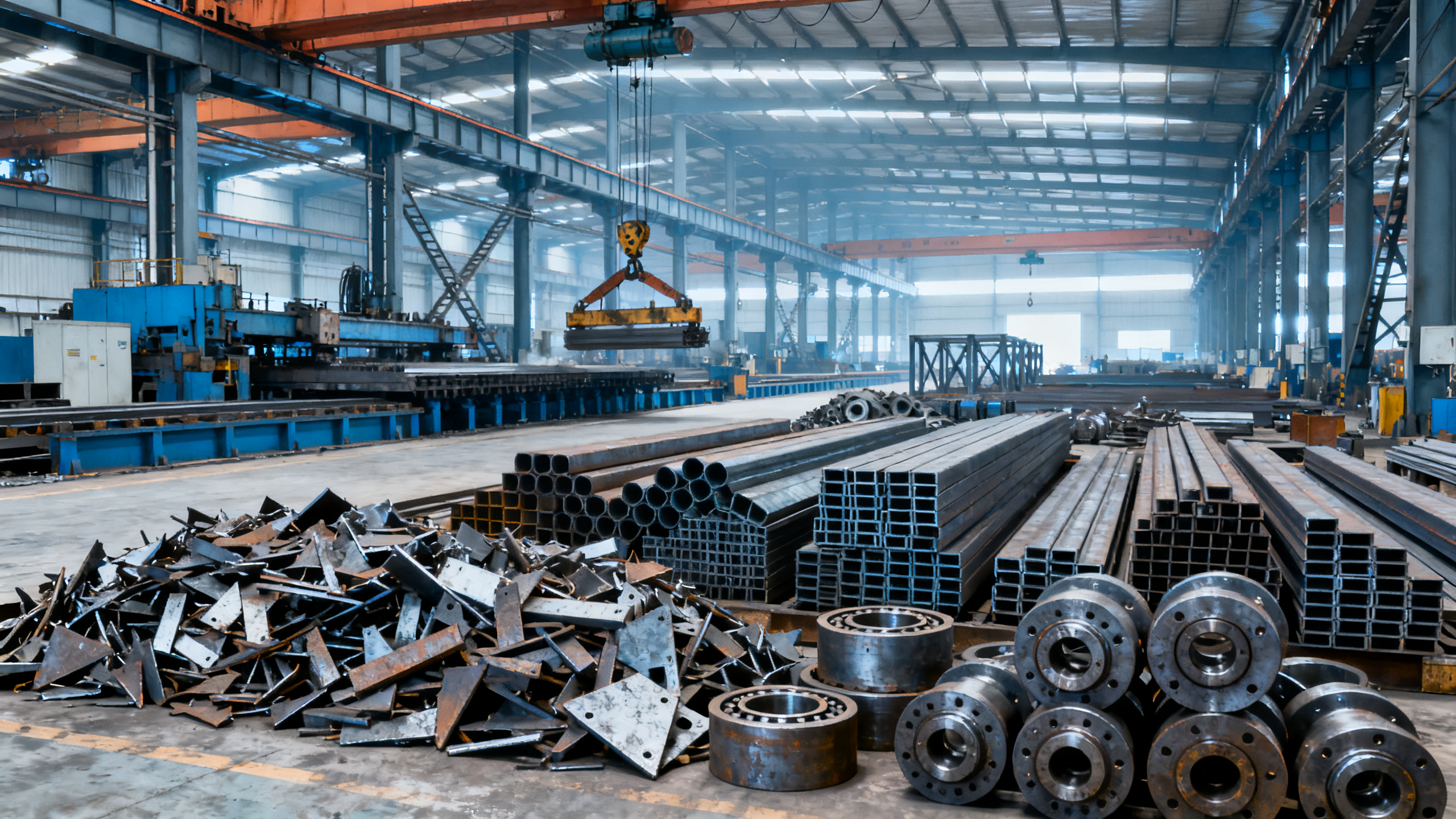
On July 1, 2026, the steel market received a clear cost signal: global ferrous scrap prices for HS 7204.41 rose 22% month on month, according to Platts Iron & Steel. The reported drivers were faster EU CBAM Phase 2 enforcement and tighter domestic scrap availability in China following stronger environmental inspections. This matters beyond raw material trading, because the pressure is already moving into steel profiles, forged bearings, and structural metal components, with confirmed July 2026 price adjustments from top-tier mills in Turkey, South Korea, and Jiangsu. For buyers, processors, and supply chain teams, the issue is no longer only scrap volatility but how quickly that volatility is being transferred into downstream metal products.
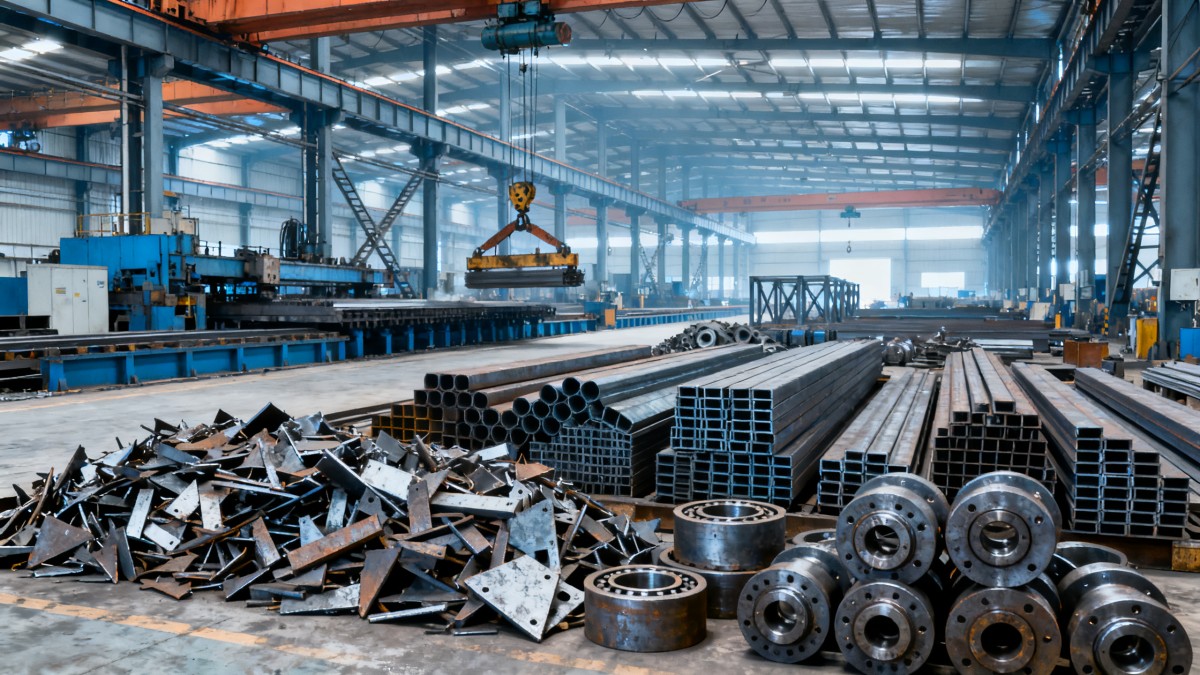
What Has Been Confirmed So Far
Platts Iron & Steel reported on 2026-07-01 that global ferrous scrap prices under HS 7204.41 increased by 22% from the previous month. The reported causes were accelerated enforcement under EU CBAM Phase 2 and reduced scrap availability in China linked to intensified environmental inspections. The same report indicated that this cost pressure is already being passed through to steel profiles, forged bearings, and structural metal components. It also confirmed that top-tier mills in Turkey, South Korea, and Jiangsu have issued price adjustments effective in July 2026.
Where the Pressure May Be Felt First
Raw material trading and procurement desks
From an industry perspective, trading companies and procurement teams are likely to feel the first impact because ferrous scrap is the direct cost base referenced in the reported increase. The immediate concern is not only higher spot replacement cost, but also whether supplier quotations, validity periods, and negotiation windows tighten as mills adjust their pricing.
Producers of profiles, bearings, and structural components
Analysis shows that manufacturers working with steel profiles, forged bearings, and structural metal components may face pressure in margin management and quotation discipline. Since confirmed mill price adjustments are already effective in July 2026, the practical impact may appear in raw material booking, production costing, and the timing of customer repricing.
Distributors and downstream industrial buyers
Observably, distributors and end buyers may be affected through revised offer sheets, shorter quotation cycles, or more cautious delivery planning. What deserves closer attention is whether the price move remains concentrated at the mill and component level or starts to reshape routine purchasing behavior in downstream contracts.
Supply chain and delivery management functions
For supply chain service providers and fulfillment teams, the issue may not be price alone. Where upstream adjustments have already been confirmed, contract execution, shipment timing, and document alignment may become more sensitive, especially for orders negotiated before July 2026 pricing took effect.
What Companies Should Watch Now
Separate policy signal from transaction reality
Analysis shows that companies should distinguish between the stated drivers of the price rise and the actual business transmission into orders and invoices. EU CBAM Phase 2 enforcement is part of the reported cause, but firms still need to track how that policy signal appears in supplier notices, updated quotations, and contract terms.
Focus on the affected product categories
What deserves closer attention is the product scope already named in the report: steel profiles, forged bearings, and structural metal components. Businesses exposed to these categories should review whether current quotations, ongoing negotiations, or pending replenishment plans are likely to be revised under July 2026 pricing.
Recheck supplier communication and execution timing
Observably, confirmed price adjustments from mills in Turkey, South Korea, and Jiangsu make supplier communication a near-term operational issue. Procurement and sales teams should pay attention to quote validity, order confirmation timing, delivery commitments, and any supporting documents tied to revised pricing.
Prepare for customer-facing cost discussions
From an industry perspective, companies selling processed or assembled metal products may need to prepare for customer discussions around cost pass-through. The key practical point is to align internal costing, supply commitments, and external communication before price changes begin affecting shipment schedules or margin assumptions.
How This Signal Should Be Read
Analysis shows that this development is more than a simple raw material price move, because the reported increase in scrap has already translated into confirmed downstream mill price adjustments. At the same time, it would be premature to treat one reported monthly jump as a settled long-term trend. It is more appropriate to understand this as a strong near-term industry signal with visible pass-through effects, while continued observation is still necessary to judge persistence and breadth.
Why the Market Will Keep Watching
The main significance of this update is the speed at which upstream cost pressure appears to be moving into semi-finished and component-level steel products. For industry participants, the immediate takeaway is not that every metal category will move in the same way, but that scrap pricing, policy-driven cost pressure, and downstream repricing are now interacting more directly. At this stage, it is more appropriate to read the event as an active market development with confirmed transmission into selected product groups, rather than as a final conclusion about the broader steel cycle.
Basis of This Article
This article is based on the user-provided news title, event date, and event summary. The factual portion relies only on the supplied information regarding the 2026-07-01 ferrous scrap price increase, the reported drivers, and the confirmed July 2026 price adjustments affecting mills in Turkey, South Korea, and Jiangsu.
For this type of industry update, source verification would typically involve official announcements, company notices, industry association materials, authoritative media coverage, and relevant standards or regulatory documents. A specific official source link was not provided in the input, so further verification remains necessary. Continued monitoring should focus on later policy wording, additional mill notices, and whether the reported cost pass-through broadens beyond the product categories already identified.
Technical Specifications
- Air Handling Unit Supplier Checklist: Performance Data, Lead Times, and SupportAuthor :Environmental Engineering Director
- Buying Fiberglass Water Tanks Wholesale: Compare Quotes and Delivery CostsAuthor :Environmental Engineering Director
- Choosing an XLPE Power Cable Supplier: Test Reports, Traceability, and Lead TimesAuthor :Grid Infrastructure Analyst
Expert Insights

Chief Security Architect
Dr. Thorne specializes in the intersection of structural engineering and digital resilience. He has advised three G7 governments on industrial infrastructure security.
Related Analysis
- Oct 19, 2026Air Handling Unit Supplier Checklist: Performance Data, Lead Times, and SupportAuthor :Environmental Engineering Director
- Oct 18, 2026Buying Fiberglass Water Tanks Wholesale: Compare Quotes and Delivery CostsAuthor :Environmental Engineering Director
- Oct 17, 2026Choosing an XLPE Power Cable Supplier: Test Reports, Traceability, and Lead TimesAuthor :Grid Infrastructure Analyst
Core Sector // 01
Security & Safety
- How to Specify Steel Heavy-Duty Corner Guards for Loading Bays and High-Traffic AreasAuthor :Heavy Industry Strategist

- Selecting Non-Ferrous Metal Plates for Corrosion, Weight, and Formability RequirementsAuthor :Heavy Industry Strategist

- Stainless Steel Welded Tube Applications: Matching Tube Supply to Fabrication NeedsAuthor :Heavy Industry Strategist

- What Maintenance Do Furnace Components Need After 18 Months?Author :Heavy Industry Strategist

- How to Assess Metal Materials for Thermal Cycling in Power BoilersAuthor :Heavy Industry Strategist

- How to Evaluate Aluminum Extrusion Suppliers for Tight-Tolerance Components?Author :Heavy Industry Strategist

- How to Evaluate a Weld Neck Flange Manufacturer for High-Pressure Pipe ProjectsAuthor :Heavy Industry Strategist

- EU REACH Ban Hits Cr(VI)-Coated Steel ImportsAuthor :Heavy Industry Strategist
-Coated Steel Imports")