How to Choose PVC Coated Wire Mesh Panels for Outdoor Fencing and Safety Barriers
Author
Date Published
Reading Time
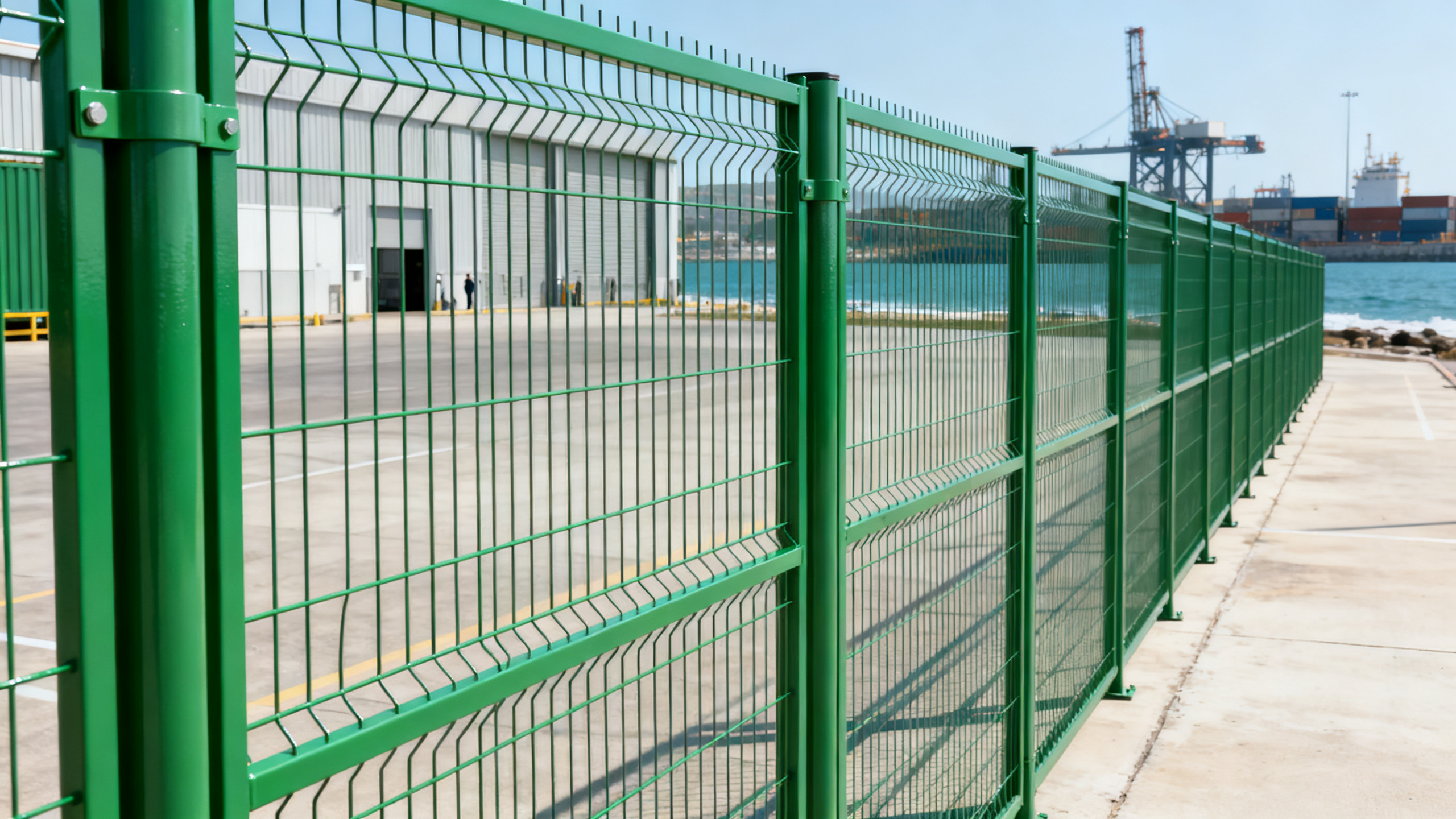
How to Choose PVC Coated Wire Mesh Panels for Outdoor Fencing and Safety Barriers
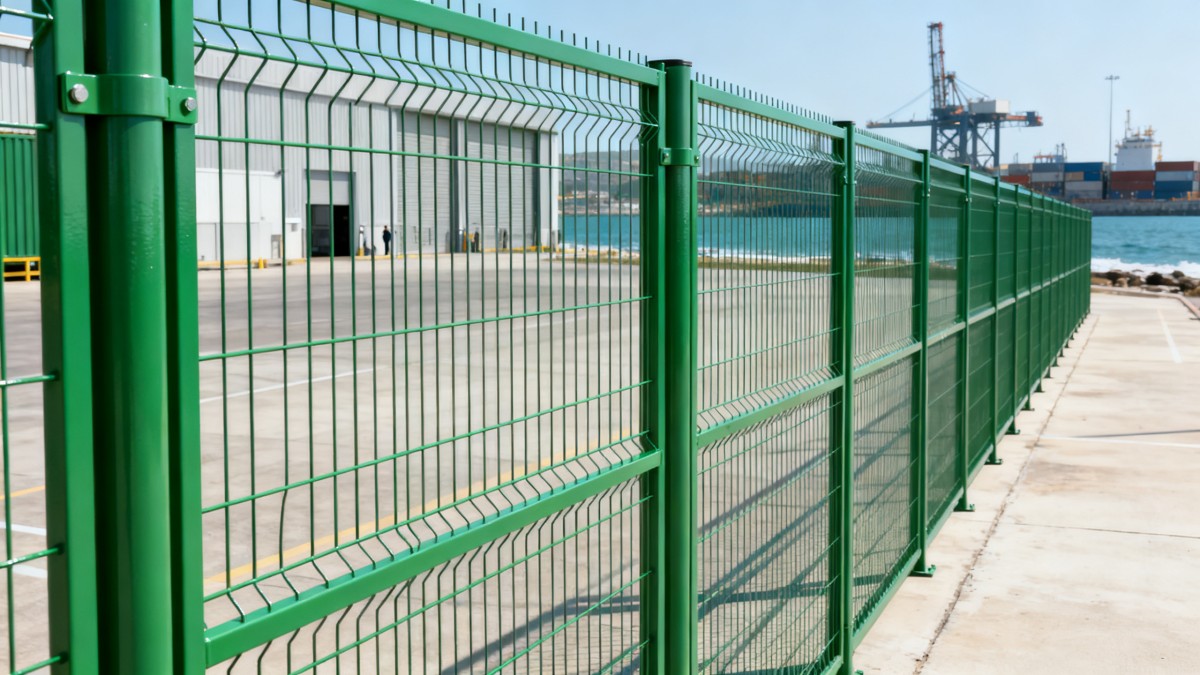
Choosing the right pvc coated wire mesh panels for outdoor fencing and safety barriers affects safety, maintenance, and whole-life cost.
That is especially true when projects face moisture, chemicals, UV exposure, vandalism risk, or strict compliance requirements.
In practice, panel selection is rarely about price alone.
It is about matching coating quality, wire diameter, mesh opening, framing, and installation conditions to the operating environment.
A panel that performs well around a warehouse may fail early near a coastal substation or wastewater facility.
This guide breaks down how to evaluate pvc coated wire mesh panels before procurement, tendering, or final specification approval.
Start with the Real Site Conditions
The first decision point is the service environment.
Outdoor fencing panels face very different stress depending on location, exposure, and traffic patterns.
For example, inland logistics yards usually prioritize impact resistance and visibility.
Coastal facilities place much more pressure on corrosion resistance and coating durability.
Chemical plants and water treatment sites introduce another variable: aggressive airborne contaminants.
Before comparing suppliers, define these baseline conditions:
- Salt exposure, standing water, and humidity levels
- UV intensity and seasonal temperature swings
- Risk of impact from vehicles, equipment, or debris
- Required service life and maintenance access
- Security level and anti-climb expectations
This step sounds basic, but it often decides whether standard pvc coated wire mesh panels are enough or a heavier specification is needed.
Check the Coating System, Not Just the Color
Many buyers focus on the PVC outer layer and overlook the substrate beneath it.
That creates avoidable risk.
High-quality pvc coated wire mesh panels usually combine galvanized steel wire with a consistent PVC coating.
This layered approach improves corrosion resistance and extends usable life in outdoor settings.
Ask suppliers to confirm whether the steel is electro-galvanized or hot-dip galvanized before coating.
Hot-dip galvanized wire is usually the stronger choice for harsher exposure.
Also verify coating thickness, adhesion quality, and UV stability.
A thin or poorly bonded layer can crack during transport, installation, or thermal movement.
When that happens, corrosion starts at weak points such as bends, welds, and cut edges.
Useful questions during evaluation include:
- What is the base wire treatment before PVC coating?
- What is the average and minimum coating thickness?
- Has the product been tested for UV aging or salt spray exposure?
- How are weld points protected?
In short, do not treat all green or black coated panels as technically equivalent.
Match Wire Diameter and Mesh Size to the Barrier Function
The next factor is structural performance.
Pvc coated wire mesh panels are used for perimeter fencing, machine guarding, storage separation, and public safety barriers.
Each use case needs a different balance between visibility, rigidity, and intrusion resistance.
Thicker wire generally improves strength, impact resistance, and span stability.
Smaller mesh openings can improve security and reduce climbing opportunities.
However, tighter mesh can increase material cost and reduce airflow where ventilation matters.
A practical comparison helps:
This is where site drawings and risk assessments should directly inform the panel specification.
Look Beyond the Panel to the Full System
A strong panel can still fail in service if the surrounding system is weak.
That includes posts, clamps, brackets, fasteners, foundations, and gate interfaces.
When evaluating pvc coated wire mesh panels, ask how the complete assembly performs under wind, impact, and tampering.
In real projects, accessories often determine maintenance frequency more than the mesh itself.
Pay close attention to these system details:
- Post thickness and protective finish
- Fastener material compatibility with outdoor exposure
- Panel edge design to reduce snagging and injury risk
- Ground clearance and drainage around the fence line
- Gate hardware aligned with the same corrosion class
This matters even more when the fence line includes slopes, corners, or heavy gate traffic.
A system-based review usually prevents expensive field modifications later.
Verify Compliance, Testing, and Supplier Transparency
For industrial and infrastructure projects, documentation is part of the product.
That is particularly important when safety barriers protect people, assets, or restricted operations.
Request clear evidence on material grade, dimensional tolerance, coating performance, and manufacturing control.
Depending on project scope, relevant standards may include CE, ISO, or application-specific local requirements.
More importantly, make sure the claimed compliance actually matches the delivered product configuration.
Useful supplier checks include:
- Mill or production records for base wire and coating inputs
- Third-party test data where project risk justifies it
- Inspection procedures for weld integrity and coating consistency
- Traceability from quotation to batch delivery
- Reference projects in similar environments
Transparent suppliers usually answer these questions quickly and with specific documents, not broad claims.
Compare Lifecycle Cost, Not Only Unit Price
Lower upfront pricing can be misleading.
Pvc coated wire mesh panels with thinner wire, lighter posts, or weak coating control may look competitive on paper.
The problem appears later through corrosion, deformation, replacement labor, and operational disruption.
A better comparison model includes purchase price, expected life, inspection frequency, spare parts exposure, and downtime impact.
This is especially relevant for large perimeter runs or remote sites where maintenance access is costly.
A simple lifecycle review should ask:
- How long should the barrier perform before major intervention?
- What failures are most likely in this environment?
- How easy is field replacement for damaged sections?
- Will the supplier support consistent future batches?
From a procurement standpoint, this gives a much clearer basis for decision-making than price per panel alone.
A Practical Selection Checklist for Procurement
When timelines are tight, a short decision checklist keeps evaluation disciplined.
Use it before issuing RFQs or approving final submittals for pvc coated wire mesh panels.
- Define the exposure class, service life target, and barrier function.
- Confirm base metal treatment, PVC coating type, and thickness data.
- Match wire diameter and mesh opening to security and safety needs.
- Review the full fence system, including posts, fasteners, and gates.
- Check compliance documents, test reports, and traceability records.
- Compare lifecycle cost and replacement risk across suppliers.
- Ask for samples when the project environment is demanding or highly visible.
That process improves technical alignment across engineering, procurement, and site teams.
Final Decision Guidance
The best pvc coated wire mesh panels are not simply the thickest or the cheapest option.
They are the panels that fit the real environment, the risk profile, and the expected maintenance model.
For outdoor fencing and safety barriers, selection quality usually comes down to disciplined specification review.
If the coating system, wire strength, system components, and compliance evidence all line up, long-term performance becomes much more predictable.
That also reduces rework, protects operating continuity, and supports a cleaner procurement decision.
Before placing the order, validate the specification against site conditions one more time.
That final check is often what separates an adequate fence package from a reliable long-term barrier system.
Technical Specifications
- Air Handling Unit Supplier Checklist: Performance Data, Lead Times, and SupportAuthor :Environmental Engineering Director
- Buying Fiberglass Water Tanks Wholesale: Compare Quotes and Delivery CostsAuthor :Environmental Engineering Director
- Choosing an XLPE Power Cable Supplier: Test Reports, Traceability, and Lead TimesAuthor :Grid Infrastructure Analyst
Expert Insights

Chief Security Architect
Dr. Thorne specializes in the intersection of structural engineering and digital resilience. He has advised three G7 governments on industrial infrastructure security.
Related Analysis
- Oct 19, 2026Air Handling Unit Supplier Checklist: Performance Data, Lead Times, and SupportAuthor :Environmental Engineering Director
- Oct 18, 2026Buying Fiberglass Water Tanks Wholesale: Compare Quotes and Delivery CostsAuthor :Environmental Engineering Director
- Oct 17, 2026Choosing an XLPE Power Cable Supplier: Test Reports, Traceability, and Lead TimesAuthor :Grid Infrastructure Analyst
Core Sector // 01
Security & Safety
- How to Specify Steel Heavy-Duty Corner Guards for Loading Bays and High-Traffic AreasAuthor :Heavy Industry Strategist

- Selecting Non-Ferrous Metal Plates for Corrosion, Weight, and Formability RequirementsAuthor :Heavy Industry Strategist

- Stainless Steel Welded Tube Applications: Matching Tube Supply to Fabrication NeedsAuthor :Heavy Industry Strategist

- What Maintenance Do Furnace Components Need After 18 Months?Author :Heavy Industry Strategist

- How to Assess Metal Materials for Thermal Cycling in Power BoilersAuthor :Heavy Industry Strategist

- How to Evaluate Aluminum Extrusion Suppliers for Tight-Tolerance Components?Author :Heavy Industry Strategist

- How to Evaluate a Weld Neck Flange Manufacturer for High-Pressure Pipe ProjectsAuthor :Heavy Industry Strategist

- EU REACH Ban Hits Cr(VI)-Coated Steel ImportsAuthor :Heavy Industry Strategist
-Coated Steel Imports")