Ferrous Metal Materials Properties Explained: Strength, Hardness, Ductility, and Corrosion Limits
Author
Date Published
Reading Time
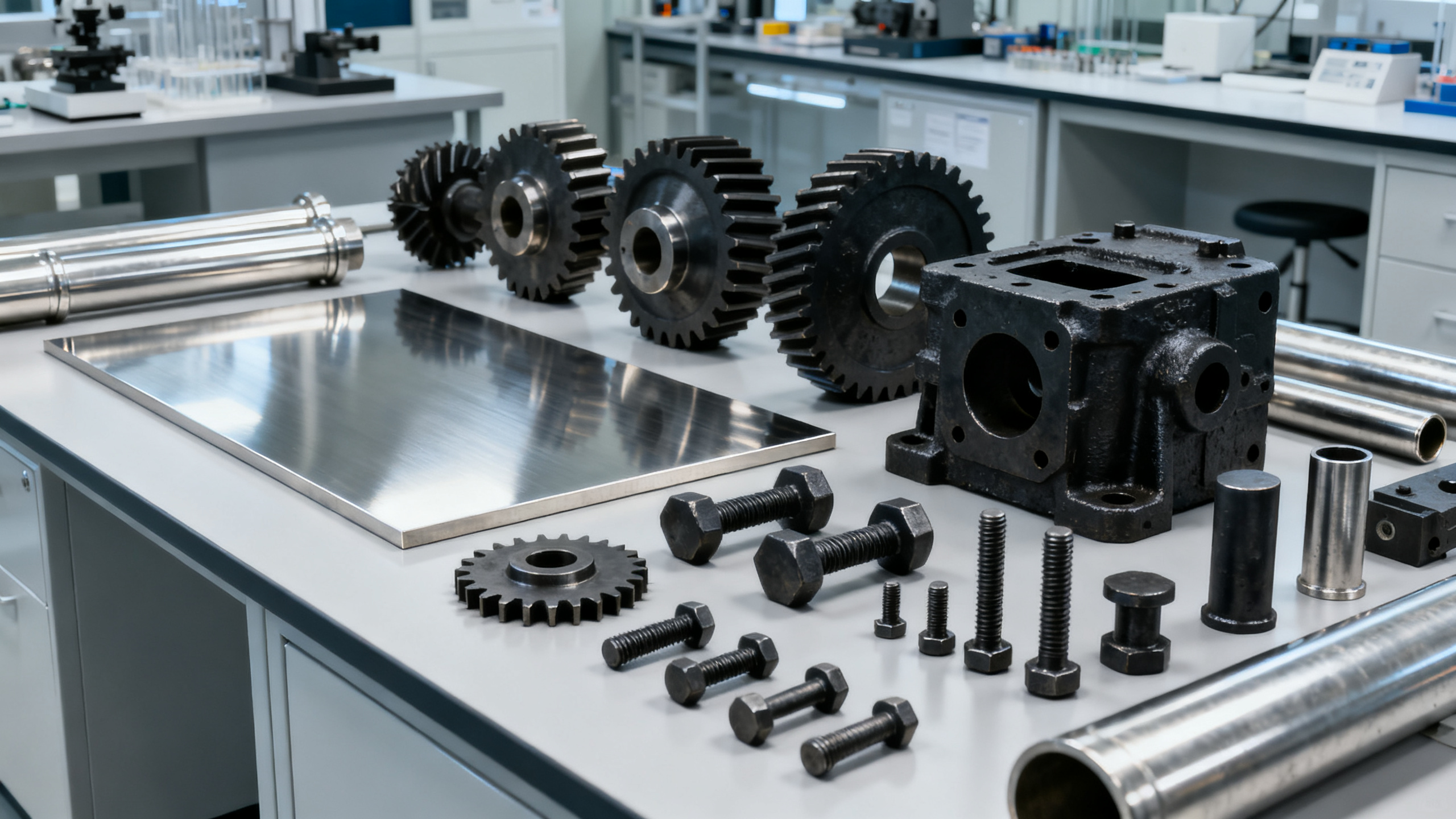
Why do ferrous metal materials properties matter so much in real projects?
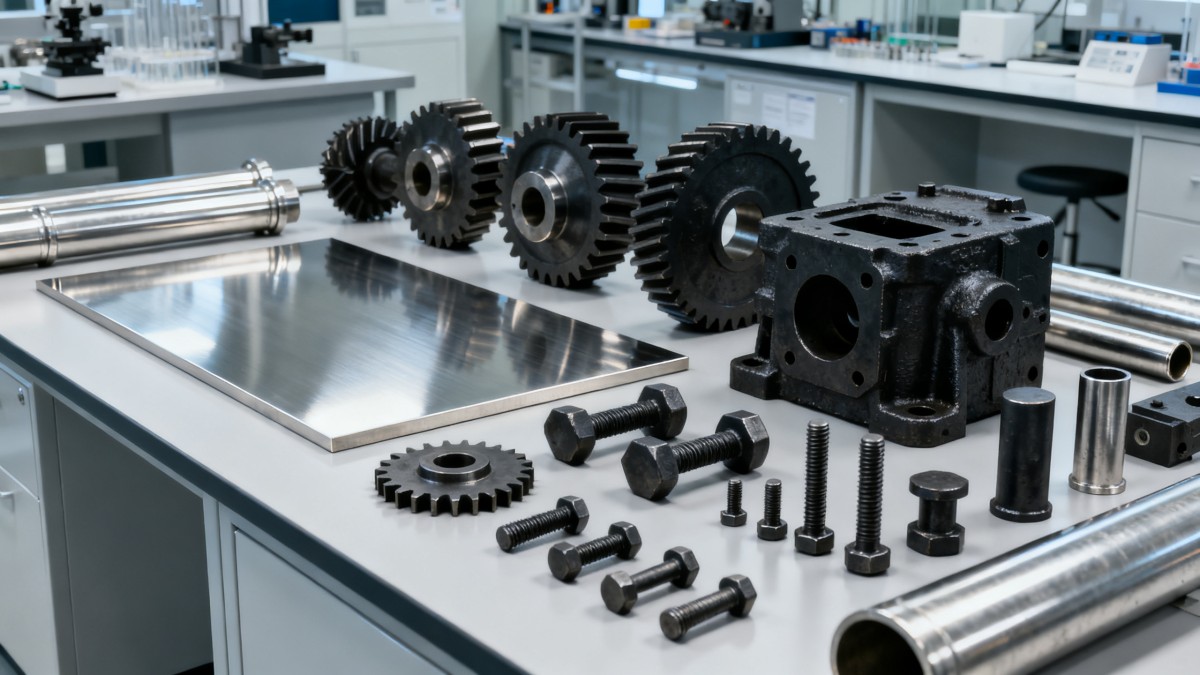
Ferrous metal materials properties decide whether a component survives load, wear, heat, and exposure over time.
That sounds obvious, but many failures begin with a partial reading of the material data sheet.
In structural frames, rotating shafts, fasteners, housings, and pipe systems, steel and iron are chosen for different reasons.
The key is not simply picking the strongest grade.
A strong material can still crack if toughness is low, deform if hardness is insufficient, or corrode faster than expected.
Understanding ferrous metal materials properties helps connect lab numbers with field performance and lifecycle cost.
Across heavy industry, this matters because failure is rarely isolated.
A poor metal choice can affect safety, downtime, inspection intervals, and compliance with CE, UL, ISO, or project specifications.
That is why technical platforms such as Global Industrial Core emphasize verified data, application context, and testing evidence.
The practical question is always the same: which property matters most for the service condition in front of you?
When people compare strength, hardness, and ductility, what are they actually measuring?
These terms are related, but they are not interchangeable.
Strength usually refers to how much stress a metal can handle before yielding or breaking.
Tensile strength describes resistance to pulling forces.
Yield strength shows when permanent deformation begins.
Hardness measures resistance to indentation, scratching, or surface wear.
It often becomes critical in gears, tools, rails, and parts with repeated contact.
Ductility describes how much plastic deformation a metal can undergo before fracture.
In simple terms, ductile metals bend or stretch more before they fail.
That difference matters in forming, welding, and impact-prone service.
A hardened high-carbon steel may resist wear very well, yet offer less ductility than mild steel.
Cast iron may provide compressive strength and vibration damping, but it generally lacks the ductility of many steels.
The better way to read ferrous metal materials properties is as a balance, not a ranking.
This kind of comparison makes ferrous metal materials properties easier to use during early evaluation.
Which ferrous metals fit structural, mechanical, and industrial applications best?
The answer depends on the operating condition more than the category name.
Carbon steel remains the most common starting point because it offers a workable balance of strength, fabrication ease, and cost.
Low-carbon grades are usually easier to form and weld.
Medium-carbon and high-carbon grades push hardness and strength higher, often with lower ductility.
Alloy steels are used when standard carbon steel is not enough.
Added elements such as chromium, nickel, molybdenum, or manganese can improve hardenability, wear resistance, or toughness.
Stainless steels are also ferrous metals, though people sometimes separate them in casual discussion.
Their corrosion resistance makes them useful in wet, chemical, hygienic, or outdoor environments.
Cast iron still has an important place in bases, housings, machine beds, and engine components.
It performs well in compression and damping, but impact and tensile demands require closer review.
- Choose mild steel when fabrication speed and general load-bearing are the main priorities.
- Choose alloy steel when fatigue, heat treatment response, or wear life must improve.
- Choose stainless steel when corrosion limits dominate maintenance and service life.
- Choose cast iron when rigidity, damping, and castability outweigh the need for ductility.
In actual selection work, ferrous metal materials properties should be reviewed together with fabrication method and inspection requirements.
How should corrosion limits be judged, especially when steel looks strong on paper?
Corrosion is where many simplified material decisions fail.
A steel grade may meet the strength target and still lose service value quickly in the wrong environment.
Ferrous metal materials properties always include limits, and corrosion is one of the most important limits.
Plain carbon steel corrodes readily in humid, marine, or chemically active settings unless protected.
Protective coatings, galvanizing, painting systems, inhibitors, and drainage design can delay damage, but each adds maintenance logic.
Stainless steel improves resistance, yet not all grades behave the same way.
Chlorides, high temperature, or poor surface finishing can still create pitting, crevice corrosion, or stress corrosion cracking.
A more reliable judgment usually starts with a few direct questions.
- Will the metal face water, salt, chemicals, or condensation?
- Is the exposure continuous, cyclic, or accidental?
- Can coatings be inspected and renewed without major shutdown?
- Will welded zones or fastener interfaces create local corrosion risk?
This is also where documented field evidence matters.
GIC-style technical review is useful because corrosion decisions need more than generic catalog claims.
They need environment-specific data, test references, and realistic maintenance assumptions.
What mistakes are common when reading ferrous metal materials properties?
One common mistake is focusing on a single number.
High tensile strength looks impressive, but it does not guarantee fatigue life, weld quality, or corrosion performance.
Another mistake is ignoring the effect of manufacturing.
Heat treatment, casting quality, rolling direction, machining stress, and welding can all change real behavior.
People also confuse hardness with toughness.
A very hard surface may resist wear while remaining vulnerable to crack initiation under impact.
Another overlooked point is service temperature.
Some ferrous metals lose toughness at low temperatures or strength at elevated temperatures.
The specification may look acceptable until the real operating range is mapped correctly.
The table below helps organize a faster first check.
If the goal is better material decisions, what should be checked next?
A useful next step is to convert property data into service questions.
Instead of asking which metal is best overall, ask which failure mode is least acceptable.
That changes the decision quickly.
For load-critical parts, compare yield strength, toughness, and fatigue behavior.
For contact surfaces, review hardness, heat treatment range, and wear history.
For outdoor or chemical exposure, prioritize corrosion limits and coating strategy.
For fabricated assemblies, include weldability and post-processing effects from the beginning.
Ferrous metal materials properties are most useful when paired with traceable test data and realistic operating assumptions.
That approach reduces overspecification, but it also avoids false economy.
A cheaper grade can become expensive if it shortens maintenance intervals or creates hidden failure risk.
The most practical path is to build a short comparison sheet for candidate grades.
- List the actual loads, temperatures, and exposure conditions.
- Mark which ferrous metal materials properties are mandatory and which are secondary.
- Check certifications, fabrication constraints, and maintenance access.
- Use case data or third-party validation where the environment is severe.
That is usually enough to turn a broad material question into a defensible technical choice.
Technical Specifications
- Steel Dynamics Reports Q3 2026 Results: Record Shipments and Strong EarningsAuthor :
- Vetting a Fall Protection Harness Supplier: Test Reports and TraceabilityAuthor :Safety Compliance Lead
- Air Handling Unit Supplier Checklist: Performance Data, Lead Times, and SupportAuthor :Environmental Engineering Director
Expert Insights

Chief Security Architect
Dr. Thorne specializes in the intersection of structural engineering and digital resilience. He has advised three G7 governments on industrial infrastructure security.
Related Analysis
- Oct 20, 2026Steel Dynamics Reports Q3 2026 Results: Record Shipments and Strong EarningsAuthor :
- Oct 20, 2026Vetting a Fall Protection Harness Supplier: Test Reports and TraceabilityAuthor :Safety Compliance Lead
- Oct 19, 2026Air Handling Unit Supplier Checklist: Performance Data, Lead Times, and SupportAuthor :Environmental Engineering Director
Core Sector // 01
Security & Safety
- How to Specify Steel Heavy-Duty Corner Guards for Loading Bays and High-Traffic AreasAuthor :Heavy Industry Strategist

- Selecting Non-Ferrous Metal Plates for Corrosion, Weight, and Formability RequirementsAuthor :Heavy Industry Strategist

- Stainless Steel Welded Tube Applications: Matching Tube Supply to Fabrication NeedsAuthor :Heavy Industry Strategist

- What Maintenance Do Furnace Components Need After 18 Months?Author :Heavy Industry Strategist

- How to Assess Metal Materials for Thermal Cycling in Power BoilersAuthor :Heavy Industry Strategist

- How to Evaluate Aluminum Extrusion Suppliers for Tight-Tolerance Components?Author :Heavy Industry Strategist

- How to Evaluate a Weld Neck Flange Manufacturer for High-Pressure Pipe ProjectsAuthor :Heavy Industry Strategist

- EU REACH Ban Hits Cr(VI)-Coated Steel ImportsAuthor :Heavy Industry Strategist
-Coated Steel Imports")