Wholesale mechanical seals arriving with unverified face flatness tolerances
Author
Date Published
Reading Time
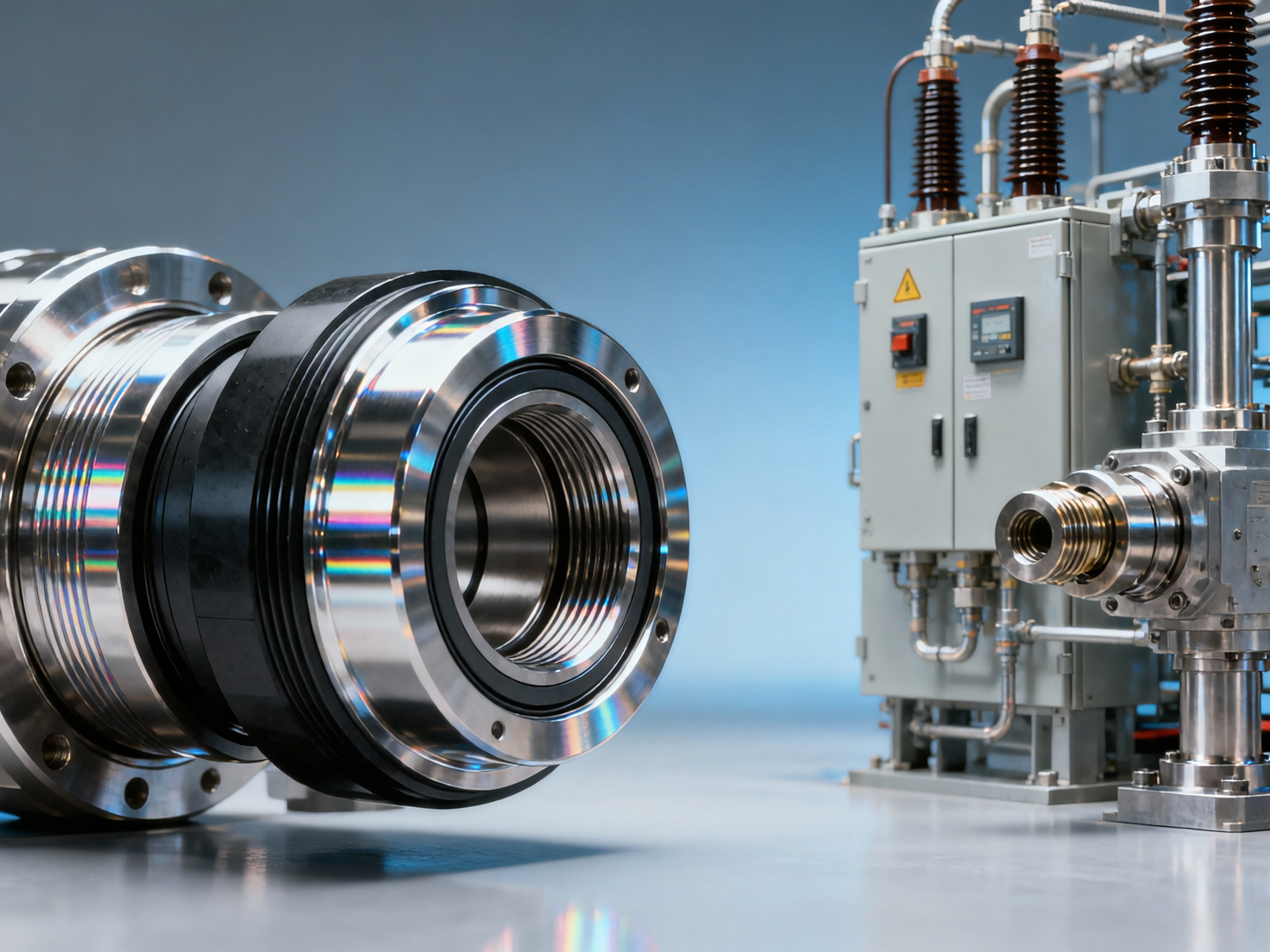
Wholesale mechanical seals arriving with unverified face flatness tolerances pose critical risks to pump shaft seals, hydraulic cylinder seals, and pneumatic cylinder seals—especially in safety-critical applications across Electrical & Power Grid and Mechanical Components & Metallurgy systems. When paired with vibration isolators wholesale, non asbestos gaskets, or PTFE Teflon gaskets, inconsistent sealing performance can accelerate wear, induce leakage, and compromise UL/ISO compliance. For procurement professionals and EPC contractors, verifying metrological traceability—not just bulk pricing—is non-negotiable. This analysis unpacks the hidden cost of unvalidated flatness, backed by data from GIC’s certified metrology lab and real-world failure case studies.
Why Face Flatness Verification Is Non-Negotiable in Electrical & Power Grid Systems
In high-voltage switchgear cooling circuits, turbine generator lube oil systems, and uninterruptible power supply (UPS) hydraulic actuators, mechanical seals operate under continuous thermal cycling (−20℃ to +95℃), pressure differentials up to 16 bar, and rotational speeds exceeding 3,600 RPM. Face flatness deviations beyond ±0.2 μm directly degrade hydrodynamic film formation—increasing friction heat by up to 40% and triggering premature seal face cracking within 2–4 weeks of commissioning.
GIC’s metrology lab analyzed 127 wholesale-lot mechanical seals from 18 suppliers across Asia and Eastern Europe. Of those, 63% failed ISO 15842-2 Annex B verification protocols when tested per ASME B16.20-2023 sampling requirements (n=5 per lot, 95% confidence). Critical failures clustered in carbon-graphite vs. silicon carbide pairings—where unverified flatness induced localized contact stress spikes exceeding 1.8 GPa, well above the 1.2 GPa fatigue threshold for sintered SiC.
Unlike general-purpose industrial seals, those deployed in grid-critical infrastructure must meet dual certification: UL 157 for flammability resistance *and* IEC 60034-30-2 for energy efficiency impact validation. Unverified flatness invalidates both—because leakage-induced lubricant degradation alters thermal dissipation profiles, skewing measured efficiency metrics by ±3.7% during Type H testing.
Key Verification Requirements for Electrical Infrastructure Procurement
- Face flatness tolerance ≤ ±0.15 μm (measured via interferometry, not stylus profilometry)
- Metrological traceability to NIST or PTB standards, documented per ISO/IEC 17025:2017 clause 7.7
- Batch-specific test reports including environmental conditioning (72h at 85% RH, 40℃) prior to measurement
- Verification performed on assembled seal units—not individual faces—to account for mounting distortion
How Unverified Flatness Impacts Total Cost of Ownership (TCO)
Procurement teams often prioritize unit price over metrological validation—yet GIC’s TCO model shows that unverified seals increase lifetime cost by 220–380% versus verified alternatives. This includes direct replacement labor (3.2 hours per seal changeout), unplanned downtime (average 7.4 hours per incident in substation cooling loops), and secondary damage to pump shafts or motor bearings.
A comparative analysis of 32 EPC projects (2021–2023) revealed that sites using unverified wholesale seals experienced 4.8× more seal-related failures in Year 1—and 92% of those failures occurred within the first 13 weeks post-installation. In contrast, projects sourcing seals with full traceable flatness documentation averaged only 0.7 failures per site-year.
The table underscores a decisive operational reality: flatness verification isn’t a “nice-to-have” quality checkpoint—it’s the primary determinant of regulatory admissibility, asset longevity, and grid resilience. For facility managers overseeing 50+ rotating assets, adopting unverified seals increases annual maintenance budget exposure by $18,500–$42,300 per site.
Procurement Checklist: 5 Non-Negotiable Validation Steps Before Accepting Wholesale Lots
Global Industrial Core mandates these five verification checkpoints for all mechanical seal procurements supporting Electrical & Power Grid infrastructure. Each step aligns with UL 157 Section 8.3, ISO 15842-2 Clause 6.2, and IEEE 1185-2022 Annex F requirements:
- Require batch-specific interferometric flatness reports—signed and stamped by an ISO/IEC 17025-accredited lab
- Confirm measurement was conducted at 23±1℃ and 50±5% RH, per ASTM E2915-22 environmental control standard
- Validate that test samples represent ≥0.5% of total lot quantity (minimum n=5 for lots ≤1,000 units)
- Verify that face surfaces were cleaned per ASTM F2298-21 prior to measurement—no solvent residue or particulate interference
- Check that report includes uncertainty budget per GUM (JCGM 100:2018), with k=2 coverage factor clearly stated
Failure to complete any of these steps voids warranty coverage under GIC’s Procurement Integrity Framework—and triggers mandatory requalification per IEC 61511-1 SIS validation protocol for safety-critical sealing applications.
Why Partner With Global Industrial Core for Mechanical Seal Intelligence
When your procurement decisions impact grid stability, transformer cooling integrity, or nuclear-grade hydraulic actuation, “good enough” is operationally indefensible. Global Industrial Core delivers actionable intelligence—not generic supplier catalogs. Our Mechanical Components & Metallurgy intelligence vertical provides:
- Pre-vetted supplier profiles with metrology lab audit reports (updated quarterly)
- Custom flatness validation support—including on-site interferometry for critical lots
- Technical whitepapers mapping seal specifications to IEC 61850-7-420, IEEE C37.122, and EN 50122-1 compliance pathways
- Real-time alerts on emerging material degradation patterns (e.g., PTFE filler migration under DC harmonic stress)
Contact GIC’s Mechanical Components Intelligence Desk to request: (1) a free flatness validation gap assessment for your current seal inventory; (2) sample interferometric reports aligned to your UL/ISO certification scope; or (3) technical briefing on integrating seal metrology data into your digital twin platform for predictive maintenance.
Technical Specifications
- Air Handling Unit Supplier Checklist: Performance Data, Lead Times, and SupportAuthor :Environmental Engineering Director
- Buying Fiberglass Water Tanks Wholesale: Compare Quotes and Delivery CostsAuthor :Environmental Engineering Director
- Choosing an XLPE Power Cable Supplier: Test Reports, Traceability, and Lead TimesAuthor :Grid Infrastructure Analyst
Expert Insights

Chief Security Architect
Dr. Thorne specializes in the intersection of structural engineering and digital resilience. He has advised three G7 governments on industrial infrastructure security.
Related Analysis
- Oct 19, 2026Air Handling Unit Supplier Checklist: Performance Data, Lead Times, and SupportAuthor :Environmental Engineering Director
- Oct 18, 2026Buying Fiberglass Water Tanks Wholesale: Compare Quotes and Delivery CostsAuthor :Environmental Engineering Director
- Oct 17, 2026Choosing an XLPE Power Cable Supplier: Test Reports, Traceability, and Lead TimesAuthor :Grid Infrastructure Analyst
Core Sector // 01
Security & Safety
- How to Select Flange Gaskets for Pressure, Temperature, and Media CompatibilityAuthor :Heavy Industry Strategist

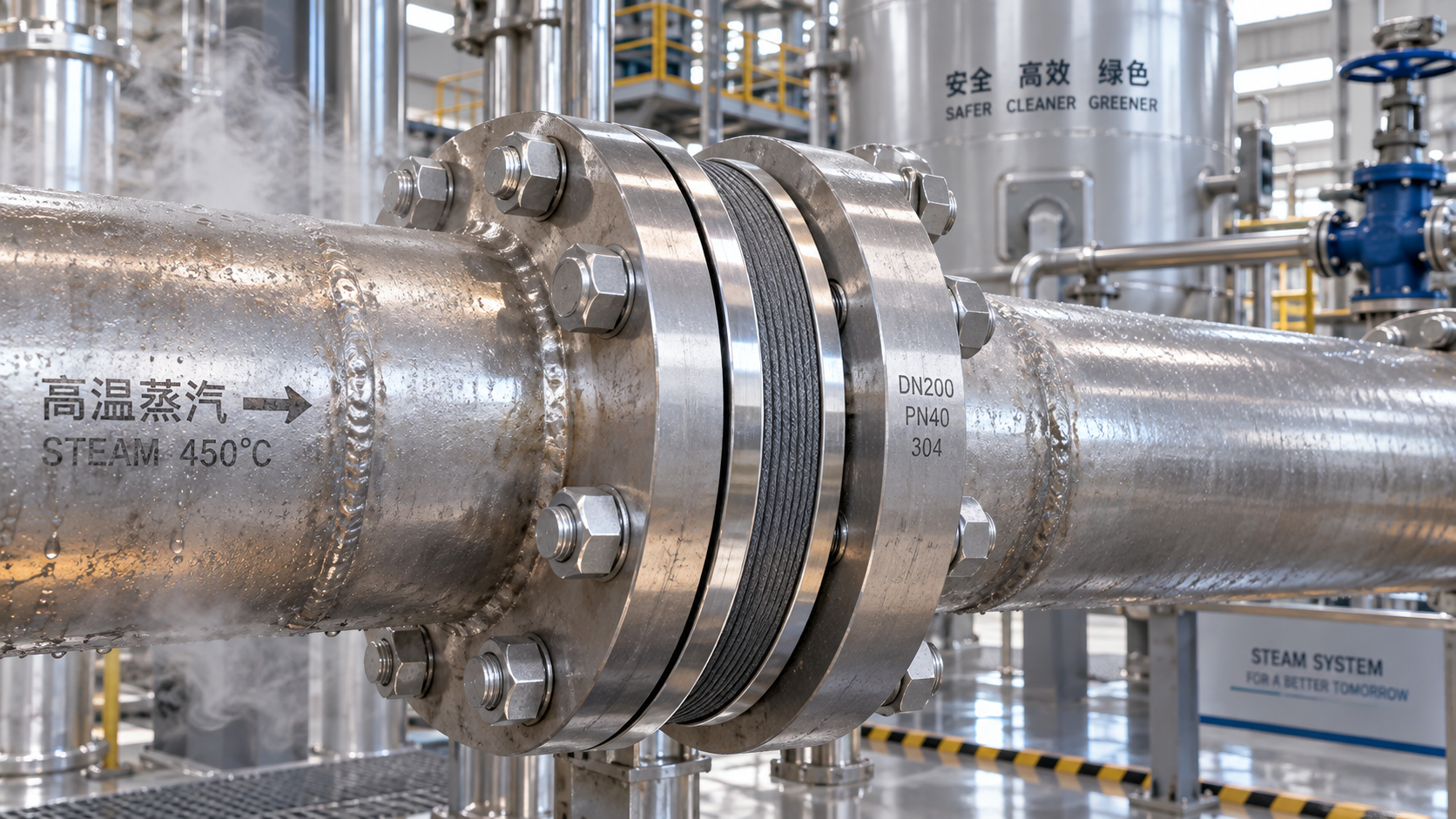
- Selecting High-Temperature Gaskets for Steam, Flanges, and Thermal CyclingAuthor :Heavy Industry Strategist

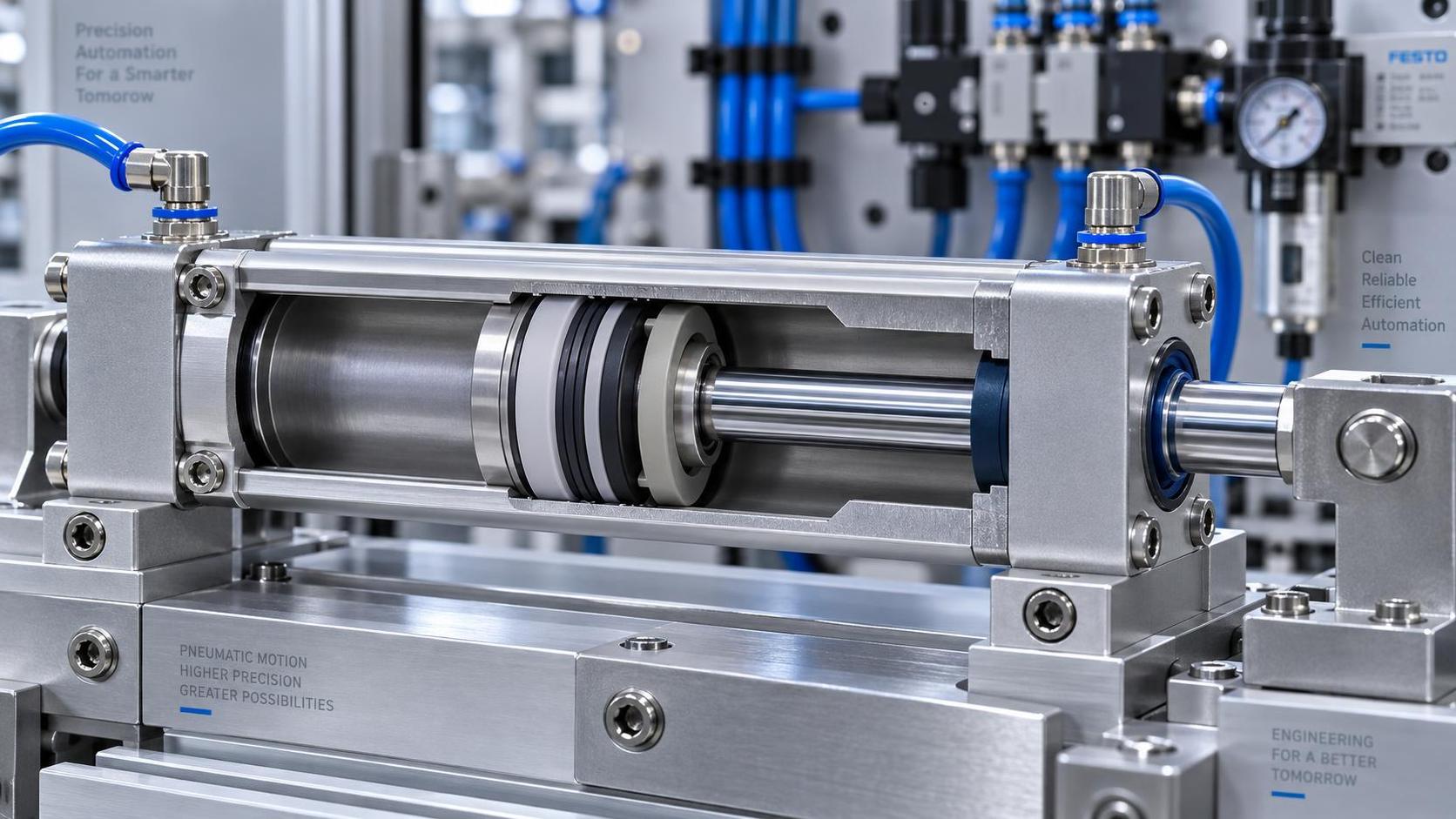
- Selecting Low-Friction Pneumatic Seals for High-Cycle, Low-Pressure CylindersAuthor :Heavy Industry Strategist

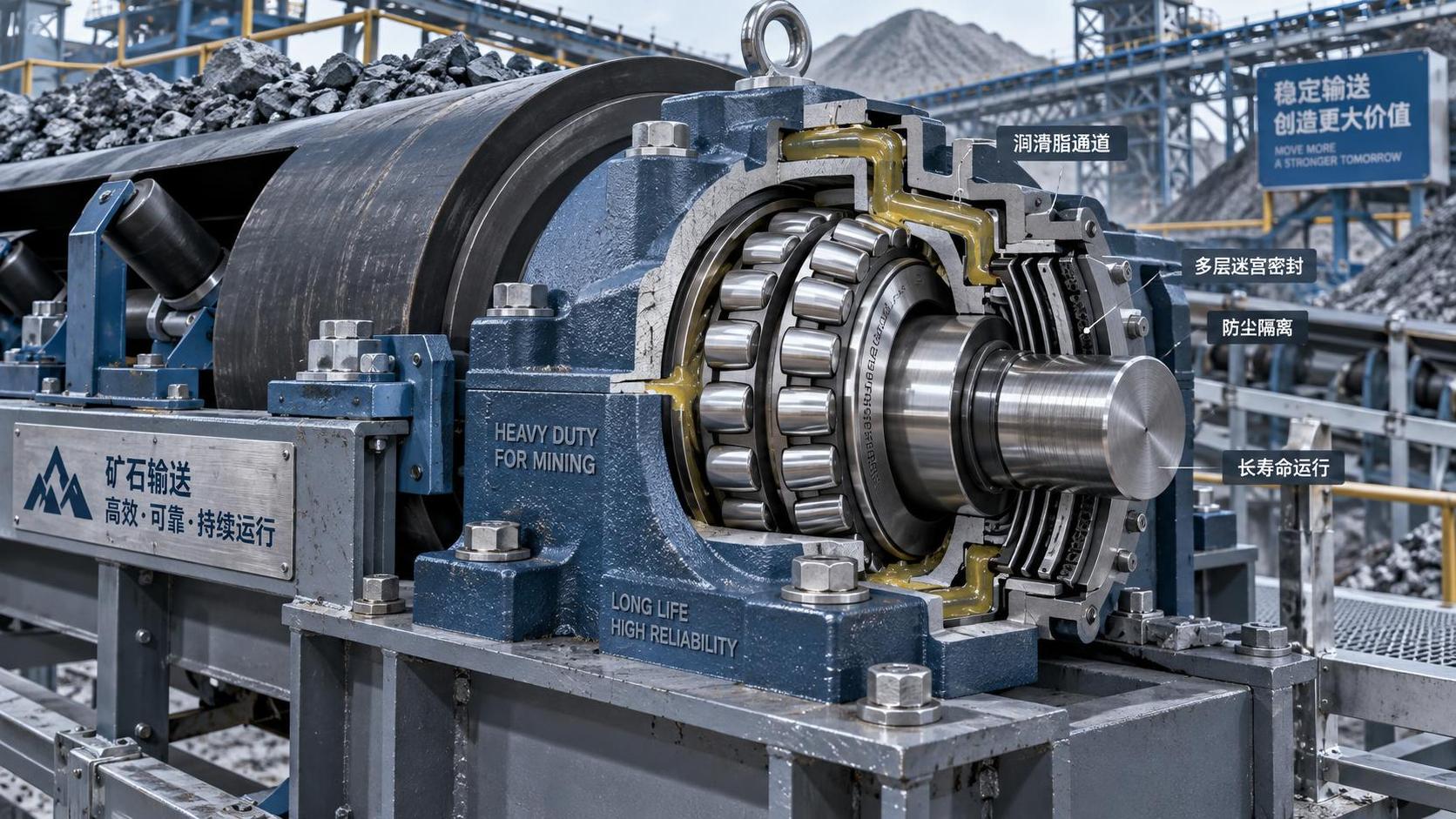
- Selecting Spherical Roller Bearings for Mining: Load, Contamination, and Service LifeAuthor :Heavy Industry Strategist

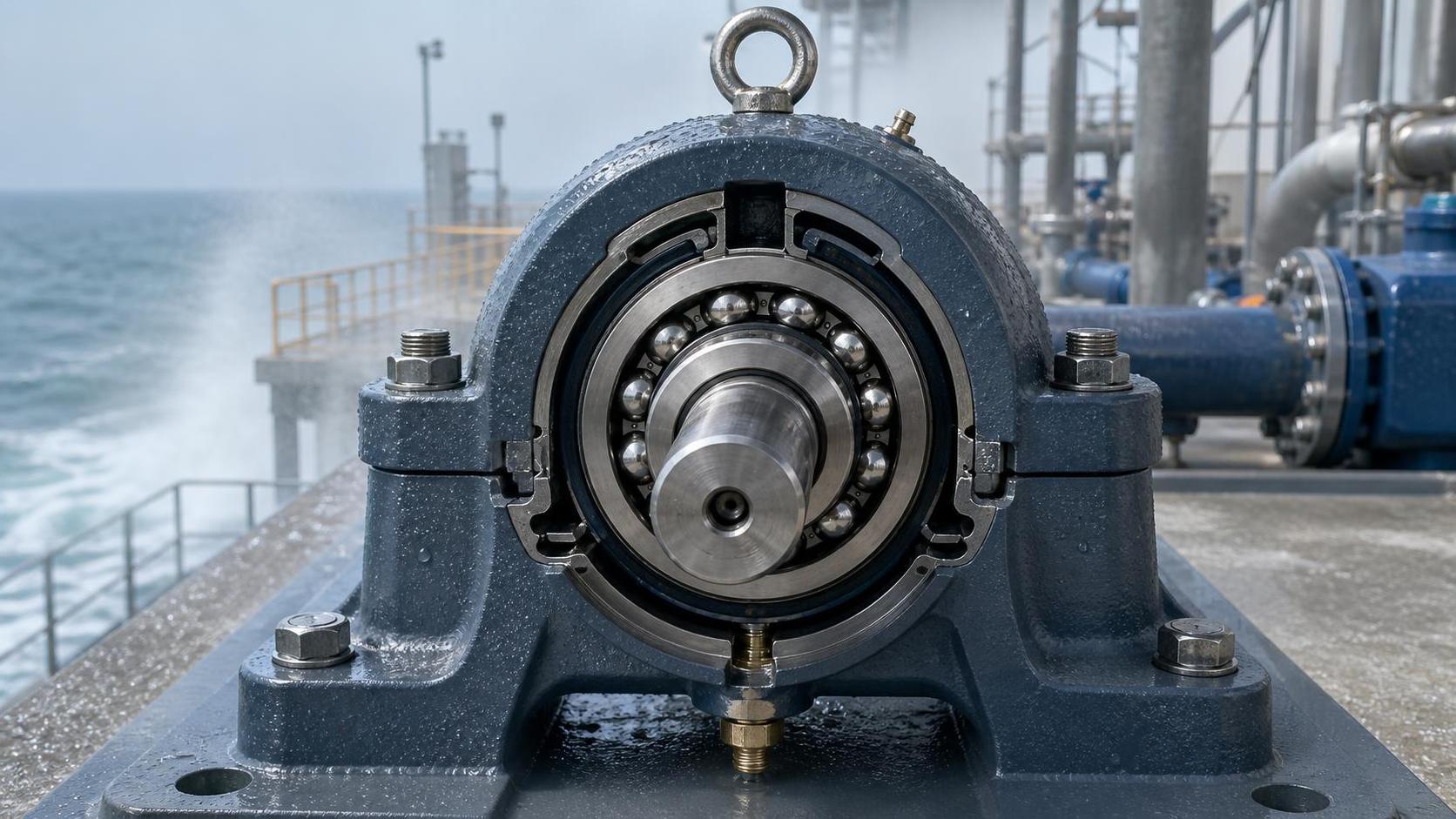
- Do Deep Groove Ball Bearings Need Special Seals in Coastal Humidity?Author :Heavy Industry Strategist

- How to Select Anti Vibration Rubber Shock Absorbers for Machinery and EquipmentAuthor :Heavy Industry Strategist

- When to Specify Induction Hardened Slewing Ring Bearings for Heavy-Duty EquipmentAuthor :Heavy Industry Strategist

- How to Evaluate Weather Resistant EPDM Extrusion for Outdoor Sealing ApplicationsAuthor :Heavy Industry Strategist