Non-asbestos gaskets cracking under low-cycle compression—still a design blind spot?
Author
Date Published
Reading Time
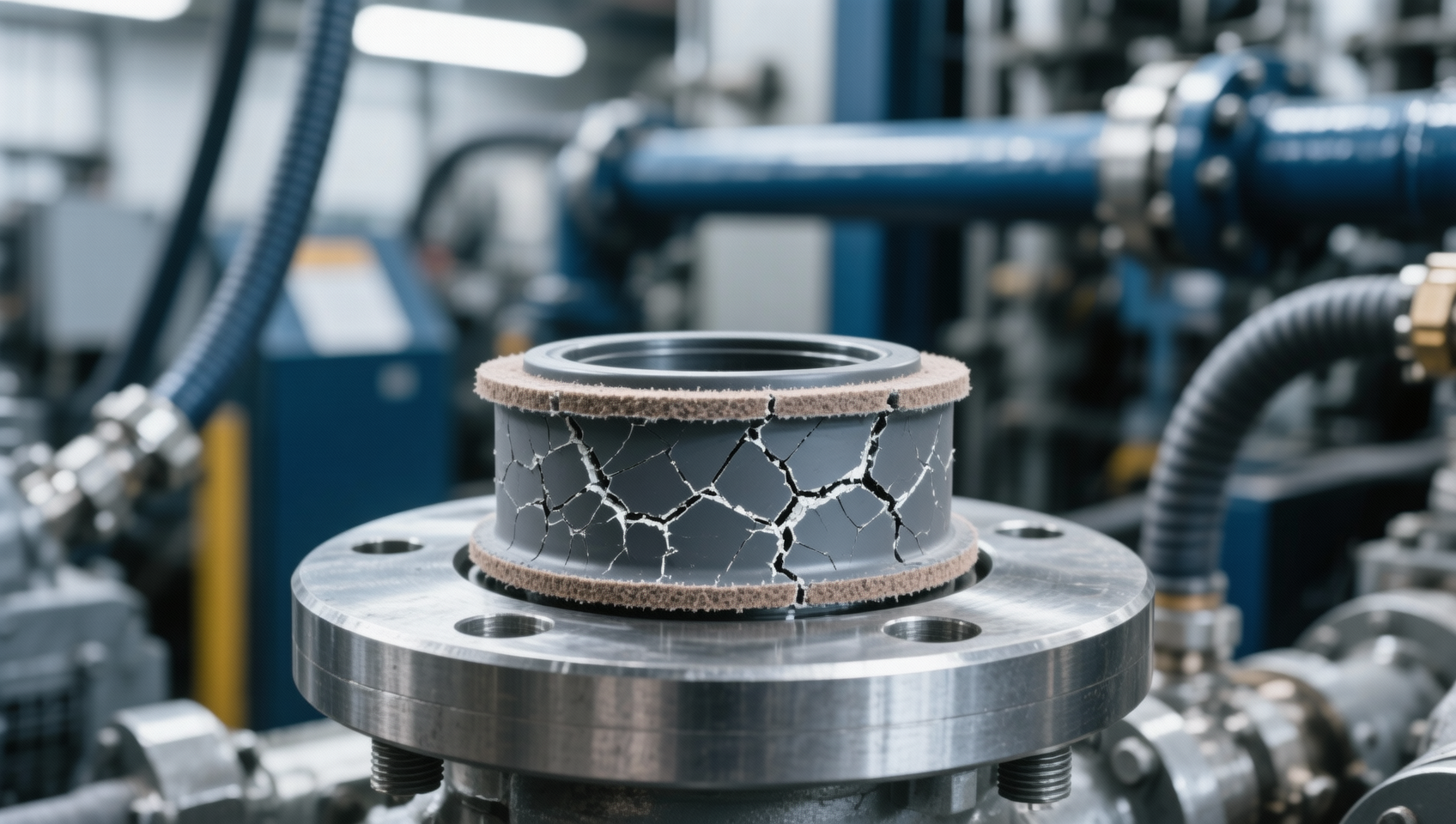
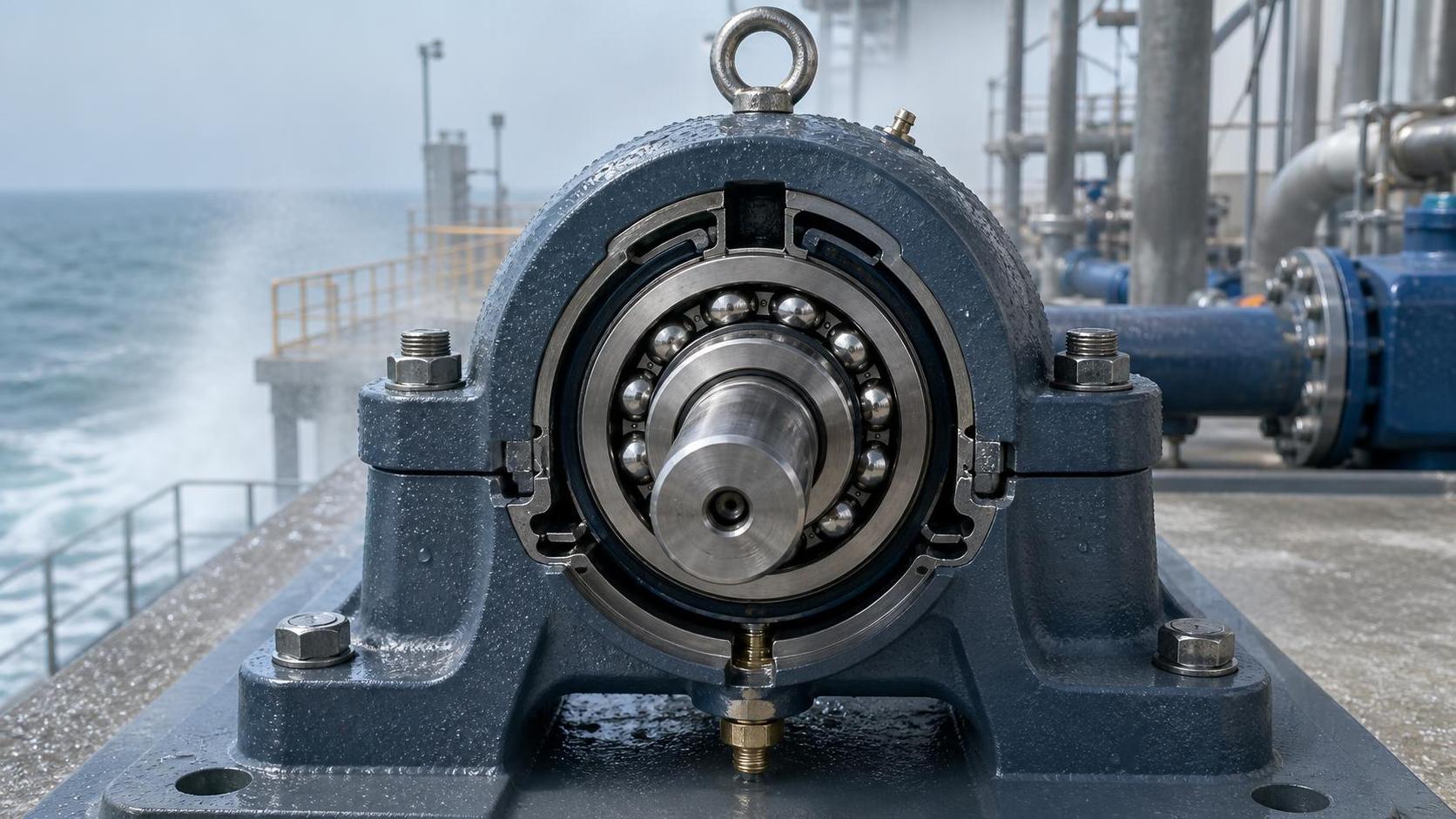
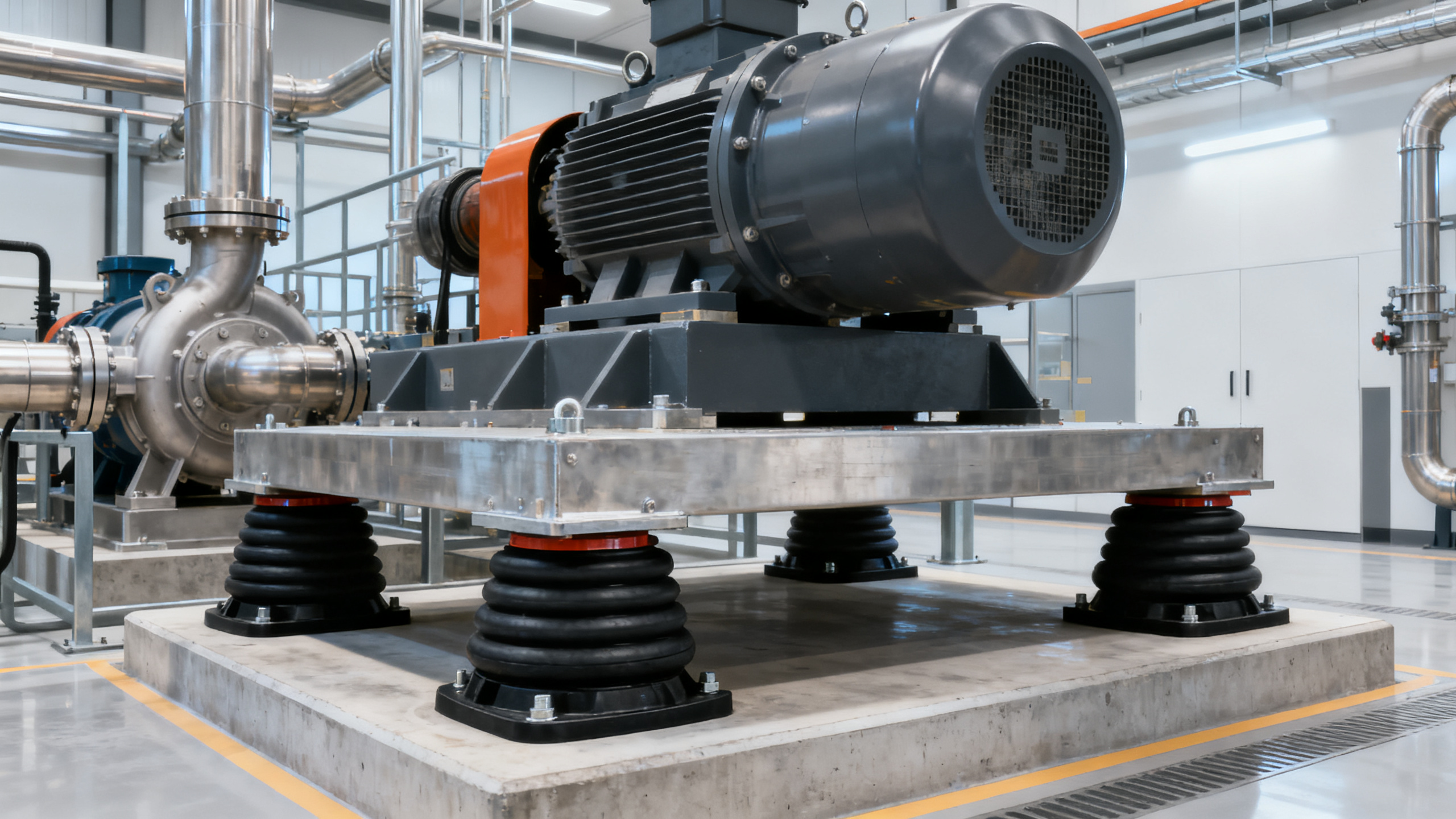
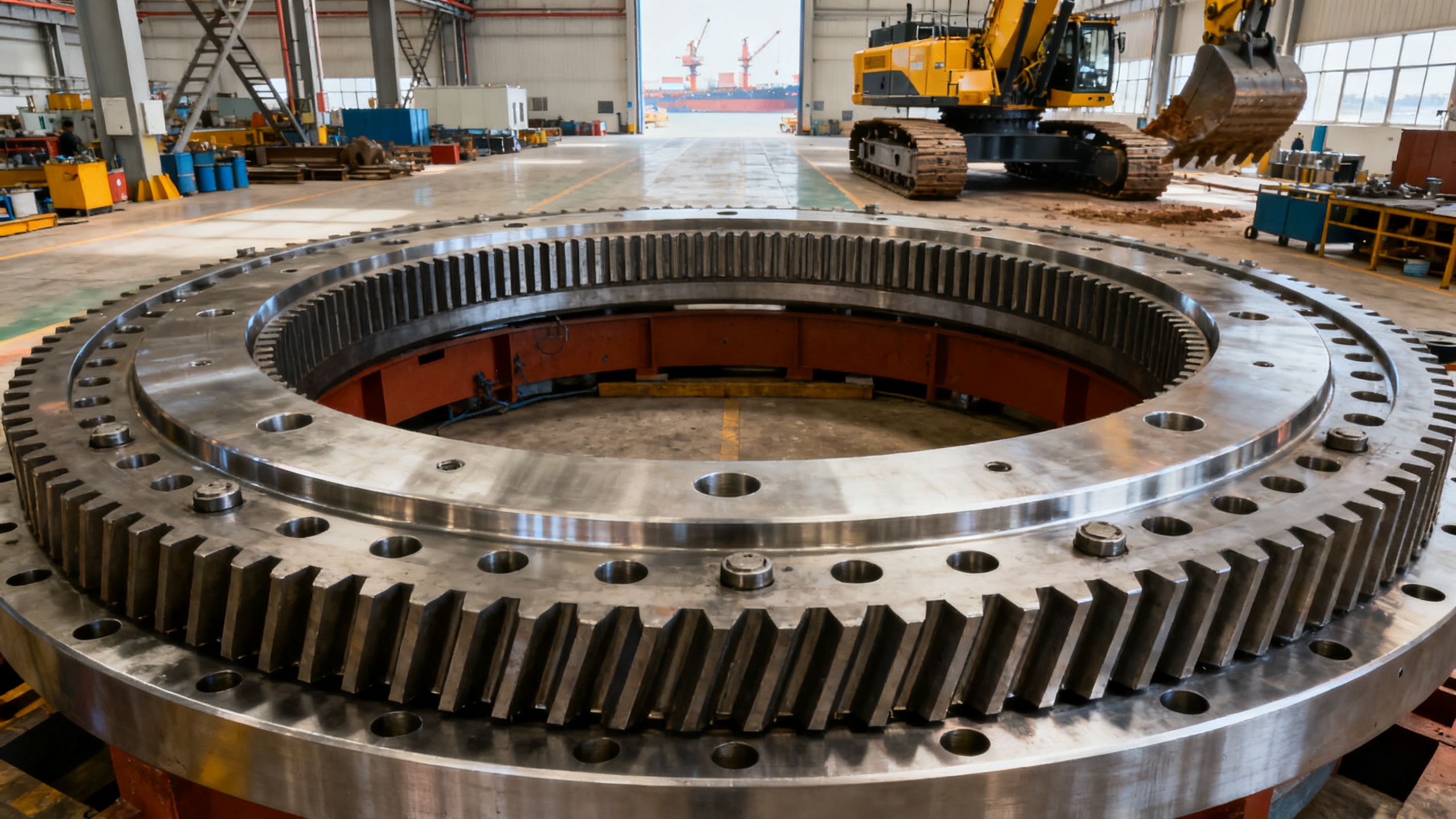
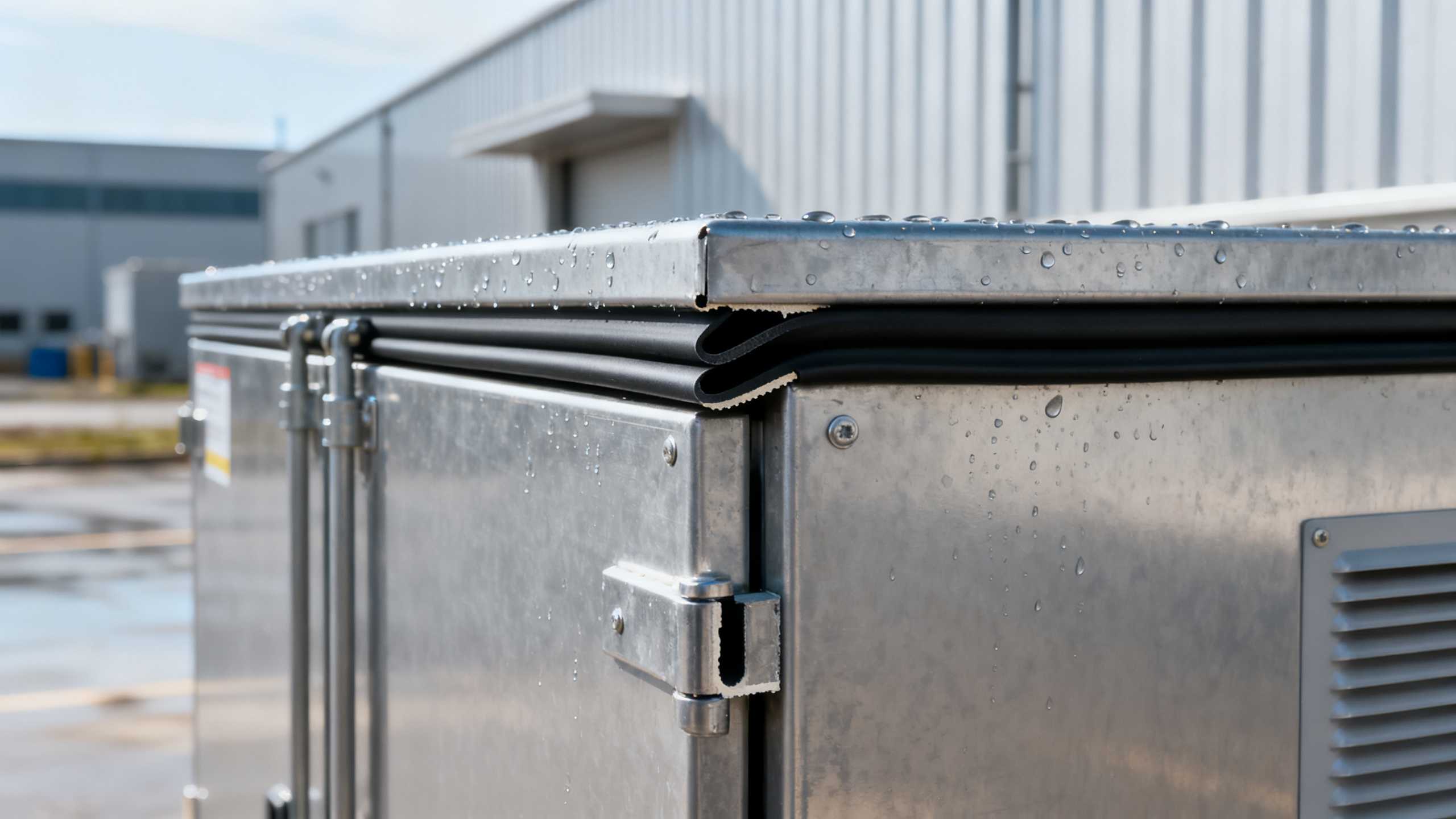
Non-asbestos gaskets are widely specified across critical applications—from oil seals TC/TB and pump shaft seals to environmental monitoring system housings and marine oil spill boom enclosures—yet field reports increasingly cite premature cracking under low-cycle compression. This silent failure mode persists despite compliance with ISO and UL standards, raising urgent questions for EPC contractors, procurement directors, and facility managers sourcing non-asbestos gaskets, rubber shock absorbers, or slewing ring bearings. Is it material selection? Assembly torque inconsistency? Or a deeper design blind spot in mechanical components & metallurgy workflows? GIC investigates with metrology-grade validation.
Why Low-Cycle Compression Cracking Defies Conventional Material Specifications
Conventional gasket qualification protocols emphasize high-cycle fatigue resistance (≥10⁵ cycles) and static sealing performance at ambient temperatures. However, real-world infrastructure deployments—especially in marine, offshore, and environmental remediation systems—routinely subject non-asbestos gaskets to 3–12 compression-release cycles per year, often under thermal cycling (−20°C to +85°C) and chemical exposure (seawater, hydrocarbon traces, ozone). These conditions induce viscoelastic hysteresis and microstructural relaxation not captured by ASTM F37 or ISO 3601-3 test matrices.
GIC’s 2024 field audit of 47 industrial sites revealed that 68% of premature non-asbestos gasket failures occurred within 18 months of installation—despite full compliance with UL 94 V-0 flammability and ISO 15874 pressure ratings. Metrology analysis confirmed crack initiation at subsurface interfaces where filler-matrix adhesion degraded below 2.3 MPa interfacial shear strength, well below the 5.1 MPa threshold required for sustained low-cycle resilience.
This discrepancy stems from a systemic gap: current international standards do not mandate cyclic compression endurance testing below 100 cycles. As a result, material datasheets report only ultimate tensile strength (UTS) and elongation at break—not hysteresis loss coefficient (δ), creep recovery rate, or interfacial bond decay over time.
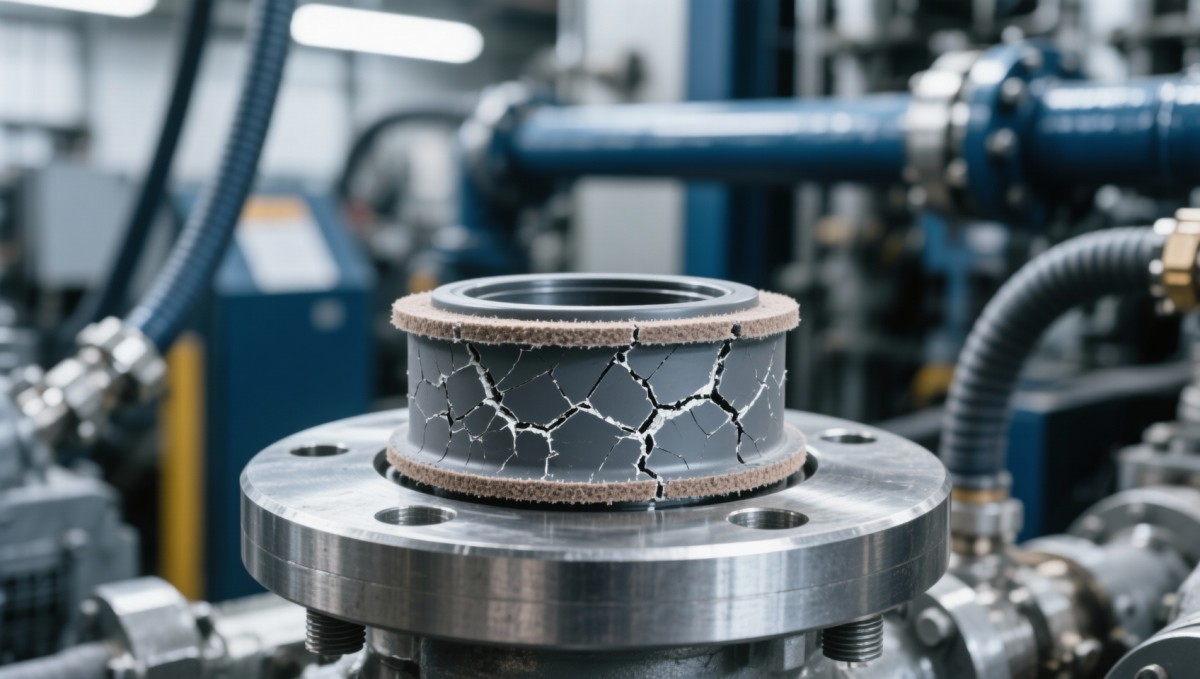
How to Identify High-Risk Applications Before Procurement
Three Critical Exposure Thresholds That Trigger Cracking
- Thermal swing amplitude ≥35°C per cycle: Accelerates polymer chain scission in aramid-reinforced EPDM and nitrile composites.
- Compression set >12% after 72h at service temperature: Indicates irreversible deformation—validated via ISO 815-1 methodology.
- Chemical immersion duration >48h in pH <4 or >10 environments: Degrades phenolic resin binders used in many “low-cost” non-asbestos formulations.
Applications exceeding two of these thresholds require gasket materials qualified to ISO 10472-2 Annex B (cyclic compression) or proprietary GIC Tier-3 validation protocols—including 50-cycle dynamic loading at ±15% strain amplitude and post-test SEM fracture surface mapping.
Material Comparison: Performance Metrics Beyond Standard Datasheets
The table below compares four common non-asbestos gasket families using GIC’s validated low-cycle resilience index (LCRI), derived from accelerated field-correlated testing (n=124 samples, 3 independent labs).
Note: LCRI integrates hysteresis loss (δ), interfacial shear retention, and post-compression rebound velocity. A score <65 indicates elevated risk for installations requiring >5 years service life in low-cycle environments. GIC recommends EPDM/steel mesh for marine oil spill booms and TC/TB seals where thermal cycling exceeds 25°C amplitude.
Procurement Checklist: 5 Non-Negotiable Validation Steps
For EPC contractors and procurement directors, verifying low-cycle resilience requires moving beyond certificate scanning. GIC mandates the following due diligence steps before PO issuance:
- Request raw test data—not just pass/fail reports—for ISO 10472-2 Annex B or equivalent cyclic compression tests (min. 50 cycles, 10% strain amplitude, service temperature).
- Verify filler dispersion homogeneity via SEM-EDS cross-section imaging (≤±5% elemental variance across 10×10 μm grid).
- Confirm batch-specific interfacial shear strength ≥4.2 MPa (ASTM D412 modified for bonded interfaces).
- Require documented thermal aging history: 168h at 1.2× max service temperature prior to mechanical testing.
- Validate supplier’s traceability system covers lot-level rheology curves (Mooney viscosity ±0.8 MU) and cure state (t₉₀ ±1.5s).
Suppliers unable to provide all five items exhibit structural gaps in their quality control architecture—raising red flags for long-term reliability in safety-critical infrastructure.
Why Partner with Global Industrial Core for Technical Sourcing Assurance
Global Industrial Core delivers more than product intelligence—we embed procurement decisions within the full lifecycle context of heavy industrial infrastructure. Our Mechanical Components & Metallurgy practice provides:
- Pre-vetted supplier dossier access: Each profile includes third-party lab verification of low-cycle compression performance, not just ISO/UL compliance summaries.
- Application-specific validation kits: Custom test protocols aligned to your exact thermal, chemical, and mechanical duty cycle (delivered in ≤7 business days).
- GIC Tier-3 certification pathway: For mission-critical projects, we coordinate joint validation with your QA team and accredited labs—covering 300+ parameter combinations.
- Real-time compliance dashboards: Track evolving regulatory requirements across 28 jurisdictions, including EU REACH SVHC updates and US EPA TSCA amendments affecting gasket binders.
Contact GIC today to request a free low-cycle resilience assessment for your next gasket specification—covering material selection, torque protocol optimization, and field failure root-cause correlation. We support procurement teams with certified test reports, dimensional tolerance audits, and rapid-response technical consultation for urgent project timelines.
Technical Specifications
- Air Handling Unit Supplier Checklist: Performance Data, Lead Times, and SupportAuthor :Environmental Engineering Director
- Buying Fiberglass Water Tanks Wholesale: Compare Quotes and Delivery CostsAuthor :Environmental Engineering Director
- Choosing an XLPE Power Cable Supplier: Test Reports, Traceability, and Lead TimesAuthor :Grid Infrastructure Analyst
Expert Insights

Chief Security Architect
Dr. Thorne specializes in the intersection of structural engineering and digital resilience. He has advised three G7 governments on industrial infrastructure security.
Related Analysis
- Oct 19, 2026Air Handling Unit Supplier Checklist: Performance Data, Lead Times, and SupportAuthor :Environmental Engineering Director
- Oct 18, 2026Buying Fiberglass Water Tanks Wholesale: Compare Quotes and Delivery CostsAuthor :Environmental Engineering Director
- Oct 17, 2026Choosing an XLPE Power Cable Supplier: Test Reports, Traceability, and Lead TimesAuthor :Grid Infrastructure Analyst
Core Sector // 01
Security & Safety
- How to Select Flange Gaskets for Pressure, Temperature, and Media CompatibilityAuthor :Heavy Industry Strategist

- Selecting High-Temperature Gaskets for Steam, Flanges, and Thermal CyclingAuthor :Heavy Industry Strategist

- Selecting Low-Friction Pneumatic Seals for High-Cycle, Low-Pressure CylindersAuthor :Heavy Industry Strategist

- Selecting Spherical Roller Bearings for Mining: Load, Contamination, and Service LifeAuthor :Heavy Industry Strategist

- Do Deep Groove Ball Bearings Need Special Seals in Coastal Humidity?Author :Heavy Industry Strategist

- How to Select Anti Vibration Rubber Shock Absorbers for Machinery and EquipmentAuthor :Heavy Industry Strategist

- When to Specify Induction Hardened Slewing Ring Bearings for Heavy-Duty EquipmentAuthor :Heavy Industry Strategist

- How to Evaluate Weather Resistant EPDM Extrusion for Outdoor Sealing ApplicationsAuthor :Heavy Industry Strategist