World Steel Association: Global Crude Steel Output Fell 1.1% in October 2026
Author
Date Published
Reading Time
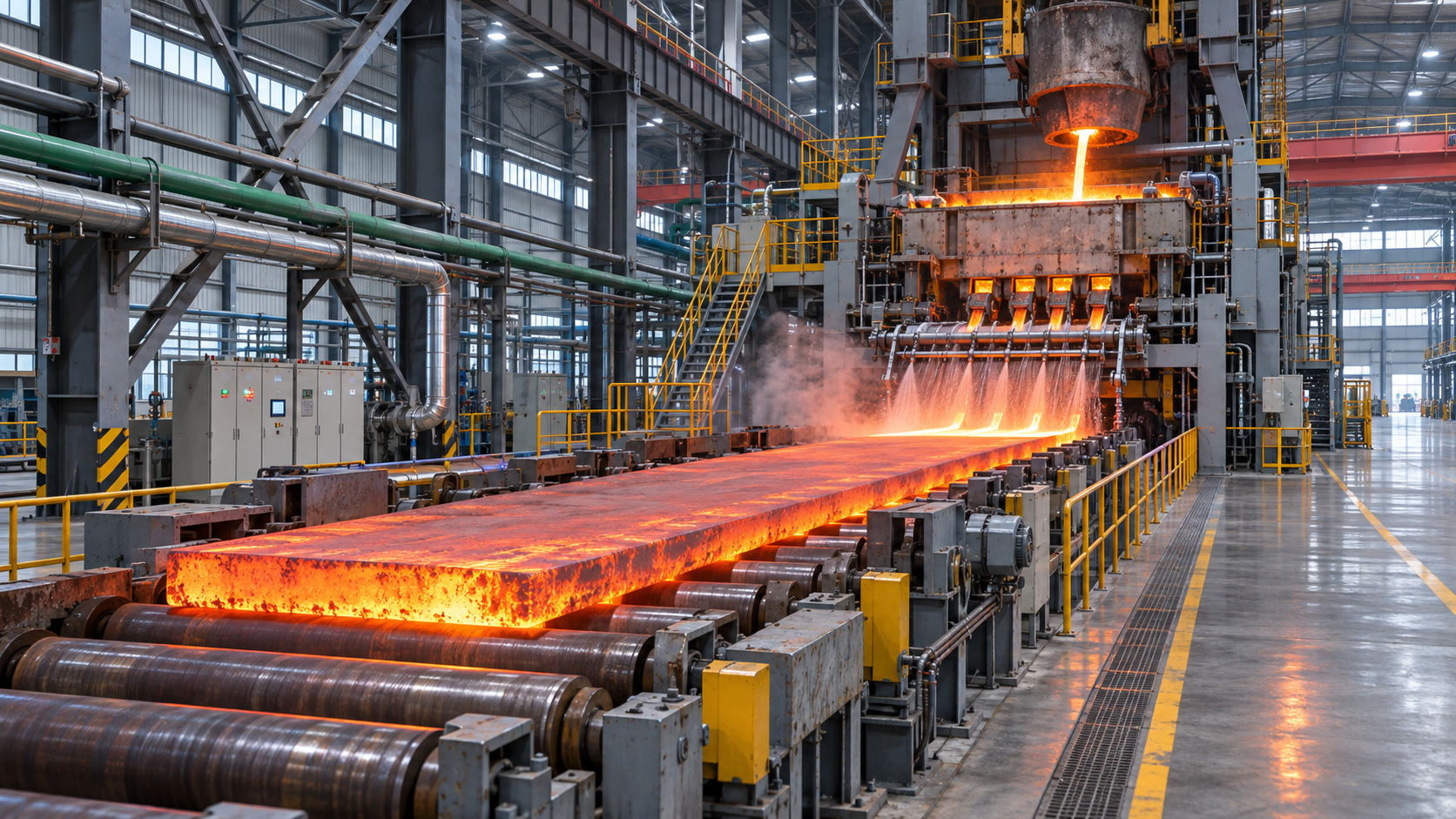
Global crude steel production totaled 142.4 million tonnes in October 2026, down 1.1% from a year earlier, according to the World Steel Association. The figure covers 70 reporting countries and points to a modest year-on-year contraction in output.
The decline provides a reference point for assessing pressure on steel demand and changes in production. It does not, by itself, establish how much demand changed or whether producers made coordinated capacity adjustments. Those questions require additional evidence on orders, inventories and operating decisions.
What the production figure tells the market
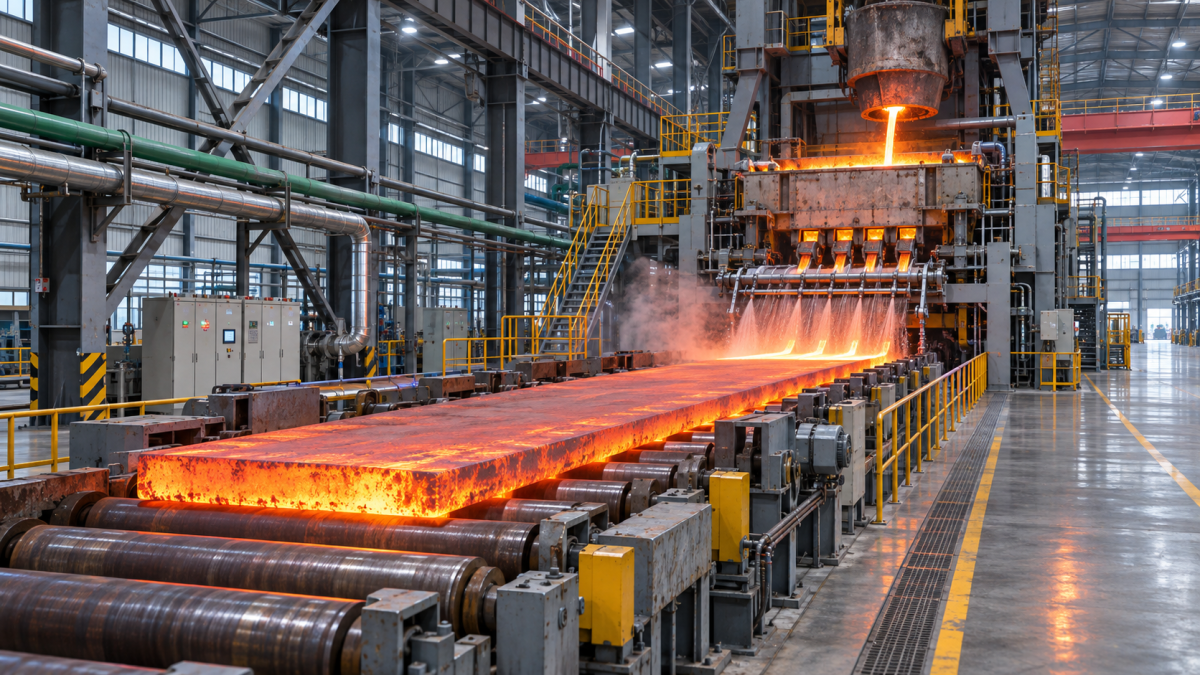
Crude steel output measures production at an early stage of the steel supply chain. A lower aggregate figure means that the reporting countries collectively produced less crude steel than in the same month a year earlier. It does not show whether the decline was widespread or concentrated among a smaller number of producers, nor does it describe changes in the mix of finished steel products.
The year-on-year comparison also captures one month. A sustained sequence of declines would offer a stronger basis for assessing a production trend than a single monthly result. Subsequent association figures can help show whether output continues to contract, stabilizes or recovers.
Implications for prices and supply chains
Lower production can affect the balance between steel supply and demand, but its effect on prices depends on both sides of that balance. If output falls more quickly than demand, available supply could tighten. If demand weakens faster, lower production alone may not prevent downward pressure on prices. The October figure does not establish which of these conditions applies.
For steel buyers, the most immediate question is whether changes in crude steel production translate into changes in the availability of the finished products they need. That relationship is not necessarily direct: inventory levels, product mix and delivery arrangements can influence what buyers experience. A global total therefore offers context for procurement planning, but it cannot substitute for information on specific products and suppliers.
For producers and other participants in the supply chain, the distinction between output and capacity also matters. A fall in production may reflect changes in how much existing capacity is used; it does not on its own demonstrate that capacity has been permanently reduced. Further production figures and company disclosures would help clarify whether the October result is associated with a longer-lasting adjustment.
Alongside future output data, changes in orders, inventories and steel prices would help assess the market response. Read together, these indicators can provide a clearer picture of whether lower crude steel production is easing supply pressure or accompanying weaker demand.
Technical Specifications
- Security and Safety Equipment Standards: How to Identify Applicable RequirementsAuthor :Safety Compliance Lead
- Visayas Grid Again Under Red Alert as Power Supply TightensAuthor :Grid Infrastructure Analyst
- World’s First 35 kV IGBT Static Full-Power Generator Enters OperationAuthor :Grid Infrastructure Analyst
Expert Insights

Chief Security Architect
Dr. Thorne specializes in the intersection of structural engineering and digital resilience. He has advised three G7 governments on industrial infrastructure security.
Related Analysis
- Nov 25, 2026Security and Safety Equipment Standards: How to Identify Applicable RequirementsAuthor :Safety Compliance Lead
- Nov 24, 2026Visayas Grid Again Under Red Alert as Power Supply TightensAuthor :Grid Infrastructure Analyst
- Nov 24, 2026World’s First 35 kV IGBT Static Full-Power Generator Enters OperationAuthor :Grid Infrastructure Analyst
Core Sector // 01
Security & Safety
- World Steel Association: Global Crude Steel Output Fell 1.1% in October 2026Author :

- India’s Steel Expansion to 2047 Puts Raw Material Security in FocusAuthor :

- McKinsey: India Needs Up to $400 Billion to Meet Steel Capacity Growth GoalAuthor :

- Japan's Steel Exports Could Fall to Lowest Level Since 1999 in 2026Author :

- EU Imposes Anti-Dumping Duties of Up to 27.9% on Cold-Rolled SteelAuthor :

- EU Imposes Anti-Dumping Duties on Cold-Rolled Steel From Five OriginsAuthor :

- US HRC Holds at $1,040 as Raw Material Costs and Section 232 Shift TradeAuthor :

- European Steel Industry Faces Rising Costs and Weak DemandAuthor :