World’s First 35 kV IGBT Static Full-Power Generator Enters Operation
Author
Date Published
Reading Time
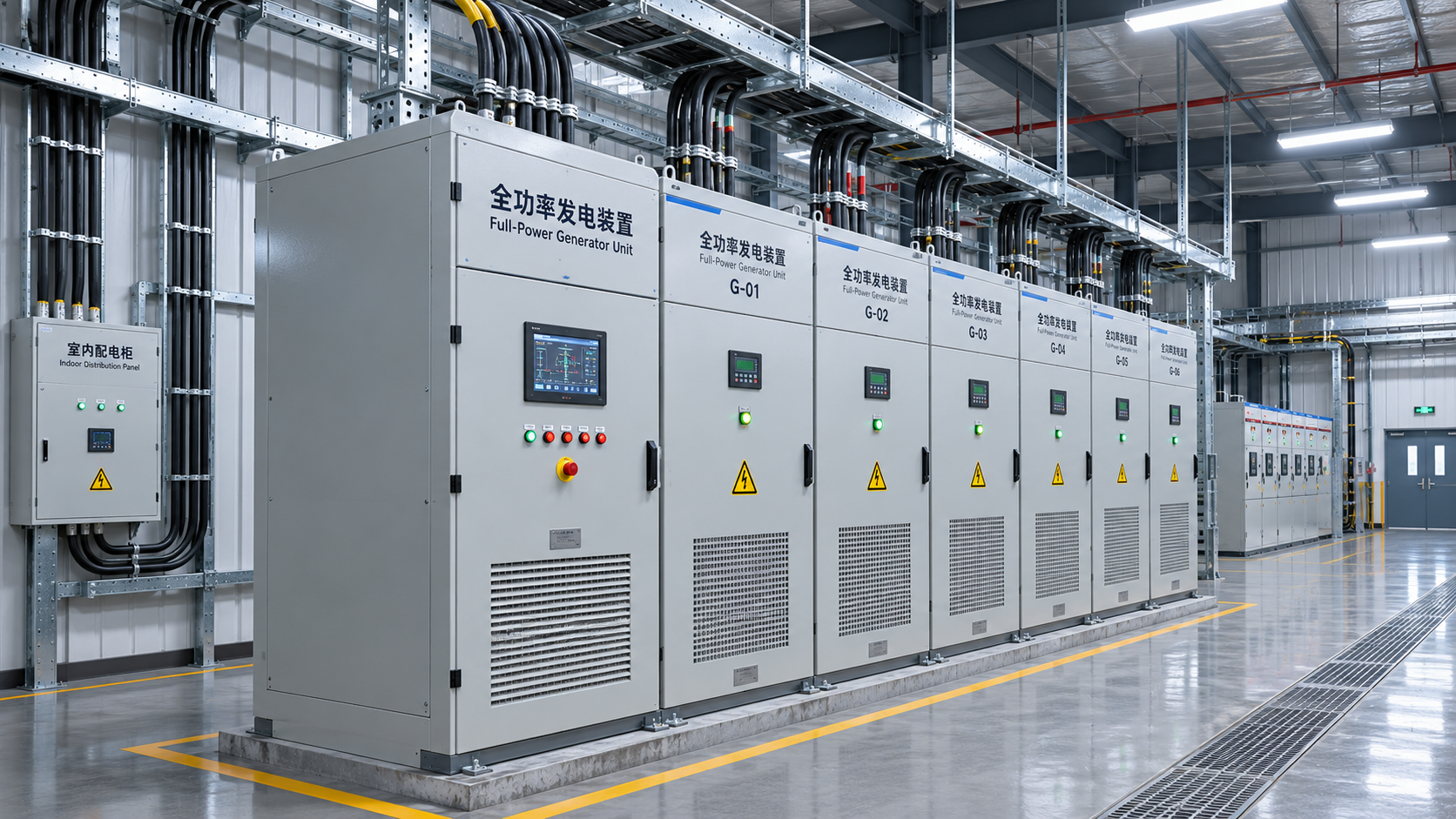
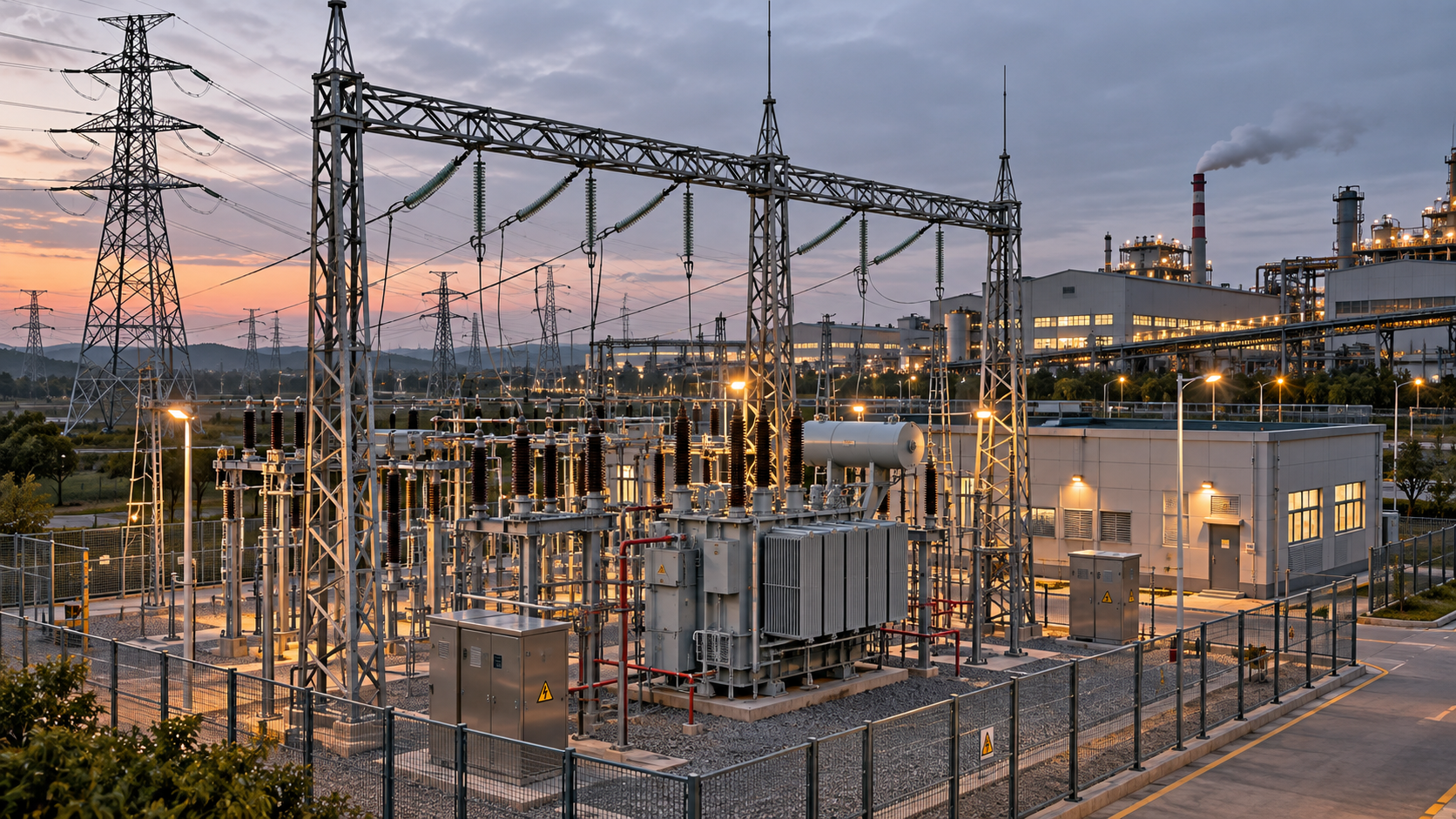
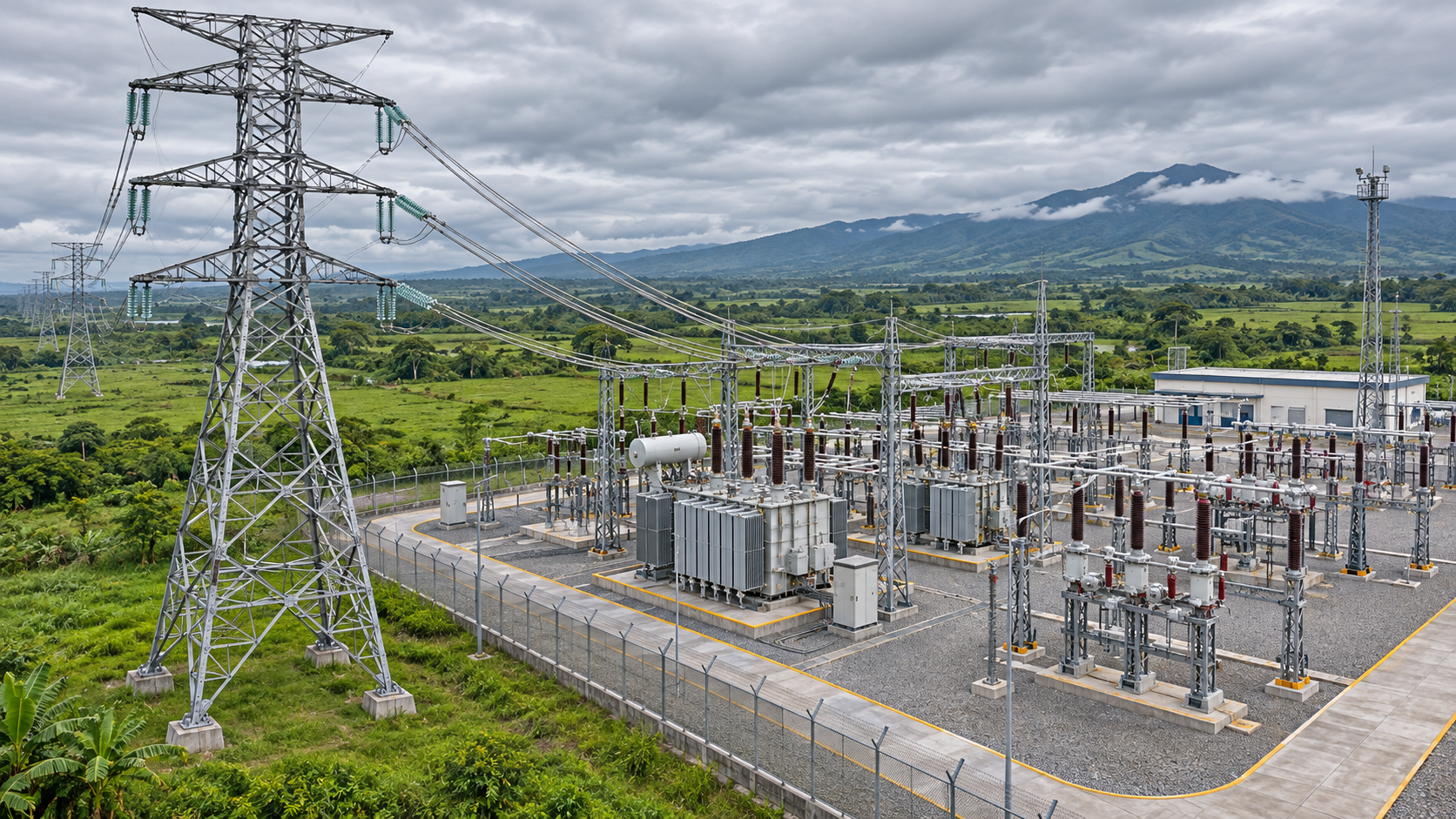
On November 20, 2026, the world’s first 35 kV, 30 MVA series-connected IGBT static full-power generator (SPG) entered operation in Yan’an, China. Developed by State Grid Corporation of China, the equipment began service after short-circuit testing and a 168-hour trial run.
The SPG uses a novel voltage-vector reshaping control technology and is designed to deliver controlled current during faults while tolerating high overload multiples. These capabilities address a challenge in collecting and transmitting electricity from areas with a high proportion of renewable energy: maintaining appropriate electrical support when the system experiences a fault.
Why controlled fault current matters
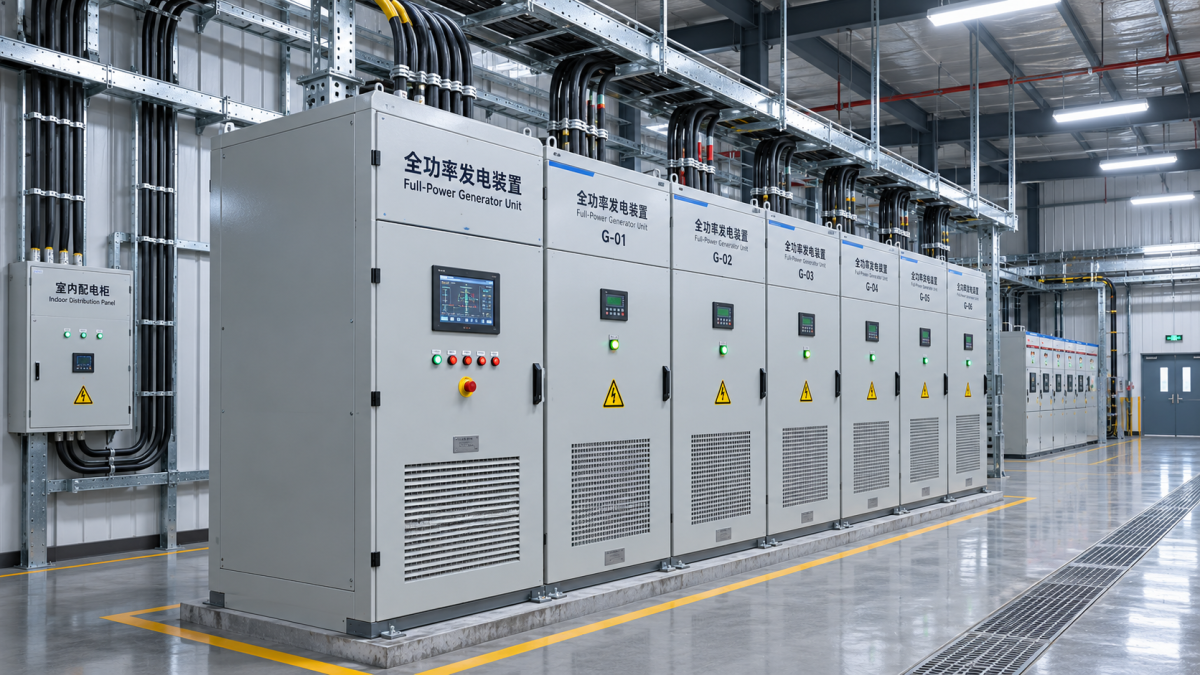
The significance of the installation lies in what the equipment is intended to do under stressed conditions. Controlled current output during a fault gives the SPG a defined role when electrical conditions depart from normal operation. Its high overload capability is relevant to the same challenge: the equipment can withstand loads above its rated level, although the specific overload multiples and durations have not been disclosed in the information available here.
These two characteristics should be considered together. A device may need both an appropriate current response and sufficient overload tolerance to contribute during a fault. The reported short-circuit testing and trial run indicate that the installation passed through stages of testing before entering service; they do not, on their own, establish how it will perform across every operating condition or network configuration.
From commissioning to wider application
The Yan’an installation demonstrates an application of a 35 kV, 30 MVA series-connected IGBT SPG to the problem of renewable energy collection and transmission. Its entry into operation is a meaningful step beyond a description of the technology, because the equipment has completed a trial run and begun service.
For grid operators considering similar equipment, the practical questions extend beyond its rating. They include how its controlled current response works alongside the protection and control arrangements of a particular network, and what operating conditions its overload capability is intended to cover. The answers would depend on the equipment’s detailed specifications and the requirements of each installation.
The reported voltage-vector reshaping control technology is central to the claimed performance, but the available description does not set out its control logic or provide comparative results. The present announcement therefore supports a focused conclusion: the SPG has entered operation with the stated fault-response and overload capabilities. Claims about its performance advantage over other approaches would require further evidence.
Longer-term attention will likely center on operating performance, the range of grid conditions under which the equipment is used, and whether similar systems are deployed elsewhere. Further technical disclosures could also clarify the fault conditions tested, the duration and extent of overload operation, and how the SPG interacts with the surrounding network. Those details would help distinguish the significance of this individual commissioning from its potential for broader use.
Technical Specifications
- Security and Safety Equipment Standards: How to Identify Applicable RequirementsAuthor :Safety Compliance Lead
- Visayas Grid Again Under Red Alert as Power Supply TightensAuthor :Grid Infrastructure Analyst
- World’s First 35 kV IGBT Static Full-Power Generator Enters OperationAuthor :Grid Infrastructure Analyst
Expert Insights

Chief Security Architect
Dr. Thorne specializes in the intersection of structural engineering and digital resilience. He has advised three G7 governments on industrial infrastructure security.
Related Analysis
- Nov 25, 2026Security and Safety Equipment Standards: How to Identify Applicable RequirementsAuthor :Safety Compliance Lead
- Nov 24, 2026Visayas Grid Again Under Red Alert as Power Supply TightensAuthor :Grid Infrastructure Analyst
- Nov 24, 2026World’s First 35 kV IGBT Static Full-Power Generator Enters OperationAuthor :Grid Infrastructure Analyst
Core Sector // 01
Security & Safety
- Visayas Grid Again Under Red Alert as Power Supply TightensAuthor :Grid Infrastructure Analyst

- World’s First 35 kV IGBT Static Full-Power Generator Enters OperationAuthor :Grid Infrastructure Analyst

- Industrial Automation Drives Ethernet Connector and Transformer Market Outlook to 2035Author :Grid Infrastructure Analyst

- Ecuador Awards Contract for 500 kV Peru–Ecuador Power InterconnectionAuthor :Grid Infrastructure Analyst

- Four Countries Sign Agreement on Cross-Border Clean Power CorridorAuthor :Grid Infrastructure Analyst

- Distribution Transformer Oil: Insulation, Cooling and Key PropertiesAuthor :Grid Infrastructure Analyst

- National Grid's 90-Kilometre Transmission Project Enters Pre-Application StageAuthor :Grid Infrastructure Analyst

- Global Data Center Switchgear Market Forecast to Reach $25.89 Billion by 2036Author :Grid Infrastructure Analyst