India’s Steel Expansion to 2047 Puts Raw Material Security in Focus
Author
Date Published
Reading Time
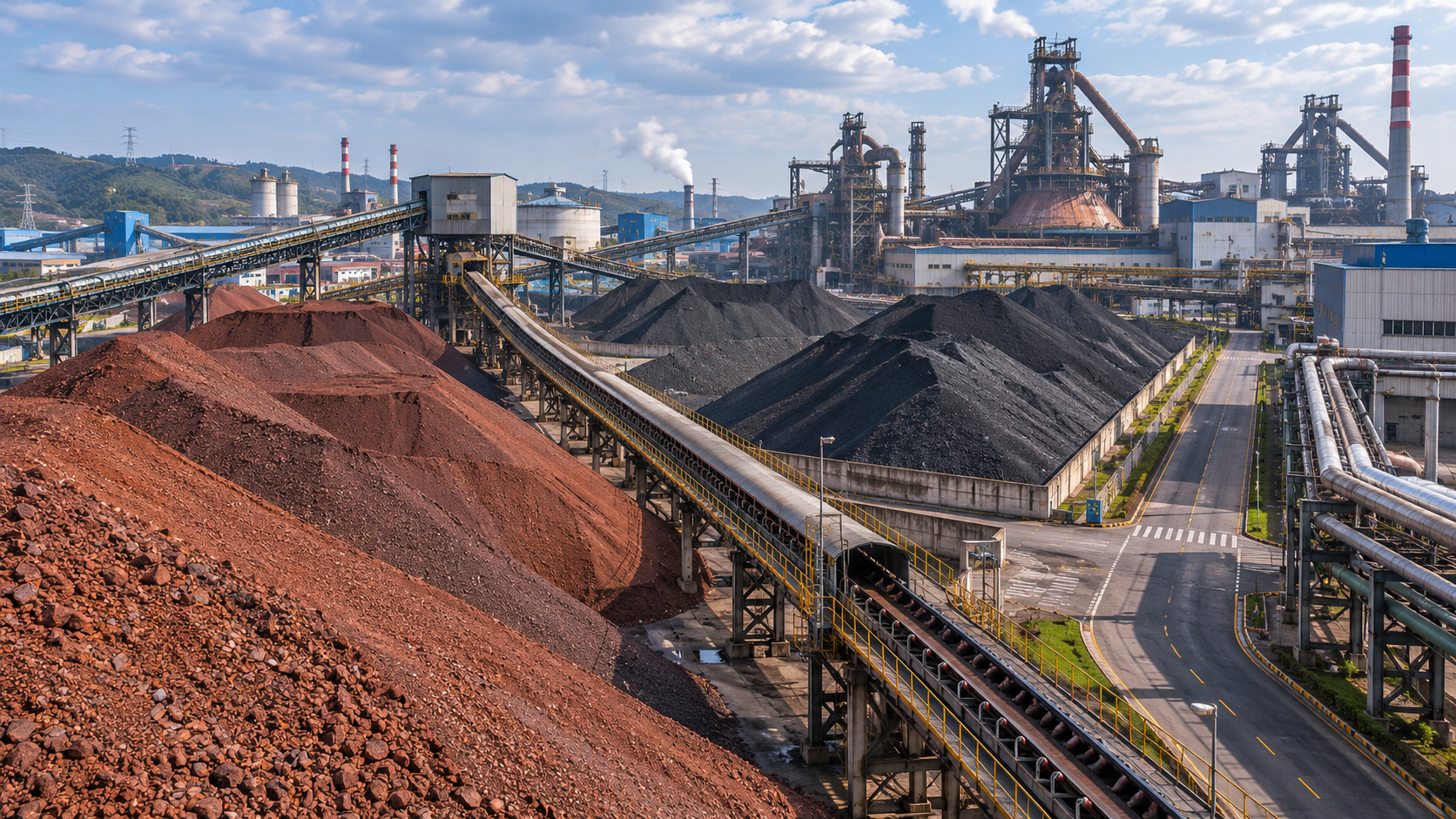
India’s plans to more than double its steelmaking capacity have put access to iron ore and coking coal at the center of the industry’s expansion to 2047. According to an IndexBox report, iron ore demand is projected to reach 772 million metric tons by 2047, while coking coal demand is expected to reach 236 million metric tons.
The coal figure carries a particular supply-chain implication: India currently imports approximately 92% of its coking coal. As steelmaking capacity expands, the ability to secure sufficient material could become as consequential as the construction of capacity itself.
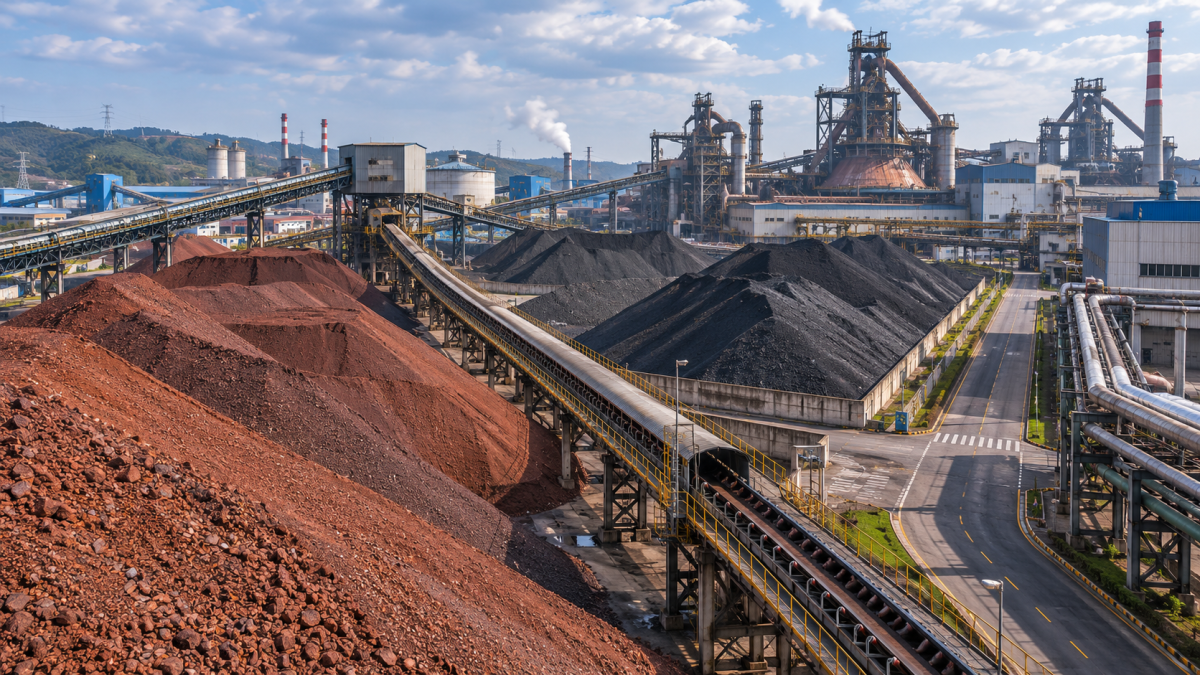
Raw materials set the pace for expansion
The projections describe the scale of demand associated with the expansion roadmap, rather than supplies that have already been secured. They also point to different questions for the two principal inputs. For iron ore, the issue is whether supply and delivery arrangements can keep pace with the projected rise in requirements. For coking coal, the additional question is how a heavily import-dependent supply chain would accommodate larger volumes.
Steelmaking capacity alone does not establish how much output will be produced. Actual material needs will depend in part on how much of that capacity is built and used. The 2047 demand figures should therefore be read as projections linked to the expansion outlook, not as evidence that consumption has already reached those levels.
For steel producers, the practical connection is between production planning and material availability. If capacity grows faster than reliable supplies can be arranged, producers could face constraints on how fully or consistently they operate. The report’s figures do not establish that such a shortfall will occur, but they explain why raw material security is central to the roadmap.
Coking coal dependence adds a supply-chain dimension
The approximately 92% import share makes coking coal a distinct concern within the expansion plan. A larger projected requirement would increase the amount of material that must be accounted for in procurement and delivery planning if the share of imports remains high. The eventual volume imported will depend on how both total demand and the import share change.
For buyers, supply security involves more than the availability of a headline volume. Delivery timing and the reliability of supply arrangements also matter when a production plan depends on a steady flow of material. Disruptions or delays could affect operations, although the information in the report does not establish that any particular disruption is occurring.
The projected increase in requirements also makes the relationship between sourcing and capacity expansion important to follow. If steelmaking projects advance while procurement arrangements develop at a different pace, the resulting pressure could appear first in purchasing and delivery planning. The extent of any effect on operations or costs would depend on the supply arrangements in place and conditions as demand develops.
What the 2047 projections do—and do not—show
The forecast of 772 million metric tons of iron ore and 236 million metric tons of coking coal gives industry participants a long-term indication of potential requirements. It does not specify the path by which demand would reach those levels, the timing of individual capacity additions or the supply arrangements that would serve them.
Nor does the current import share establish what India’s coking coal sourcing mix will be in 2047. A change in that share could alter the volume that needs to be imported even if total demand reaches the projected level. Conversely, if dependence remains close to its current level as demand grows, securing imported supply would remain a prominent consideration.
The most useful developments to watch are therefore changes in steelmaking capacity and production, the resulting demand for iron ore and coking coal, and any shift in the share of coking coal supplied through imports. Updates on sourcing and delivery arrangements would also help show how the industry intends to support the expansion as it progresses.
Technical Specifications
- Security and Safety Equipment Standards: How to Identify Applicable RequirementsAuthor :Safety Compliance Lead
- Visayas Grid Again Under Red Alert as Power Supply TightensAuthor :Grid Infrastructure Analyst
- World’s First 35 kV IGBT Static Full-Power Generator Enters OperationAuthor :Grid Infrastructure Analyst
Expert Insights

Chief Security Architect
Dr. Thorne specializes in the intersection of structural engineering and digital resilience. He has advised three G7 governments on industrial infrastructure security.
Related Analysis
- Nov 25, 2026Security and Safety Equipment Standards: How to Identify Applicable RequirementsAuthor :Safety Compliance Lead
- Nov 24, 2026Visayas Grid Again Under Red Alert as Power Supply TightensAuthor :Grid Infrastructure Analyst
- Nov 24, 2026World’s First 35 kV IGBT Static Full-Power Generator Enters OperationAuthor :Grid Infrastructure Analyst
Core Sector // 01
Security & Safety
- World Steel Association: Global Crude Steel Output Fell 1.1% in October 2026Author :

- India’s Steel Expansion to 2047 Puts Raw Material Security in FocusAuthor :

- McKinsey: India Needs Up to $400 Billion to Meet Steel Capacity Growth GoalAuthor :

- Japan's Steel Exports Could Fall to Lowest Level Since 1999 in 2026Author :

- EU Imposes Anti-Dumping Duties of Up to 27.9% on Cold-Rolled SteelAuthor :

- EU Imposes Anti-Dumping Duties on Cold-Rolled Steel From Five OriginsAuthor :

- US HRC Holds at $1,040 as Raw Material Costs and Section 232 Shift TradeAuthor :

- European Steel Industry Faces Rising Costs and Weak DemandAuthor :