US HRC Holds at $1,040 as Raw Material Costs and Section 232 Shift Trade
Author
Date Published
Reading Time
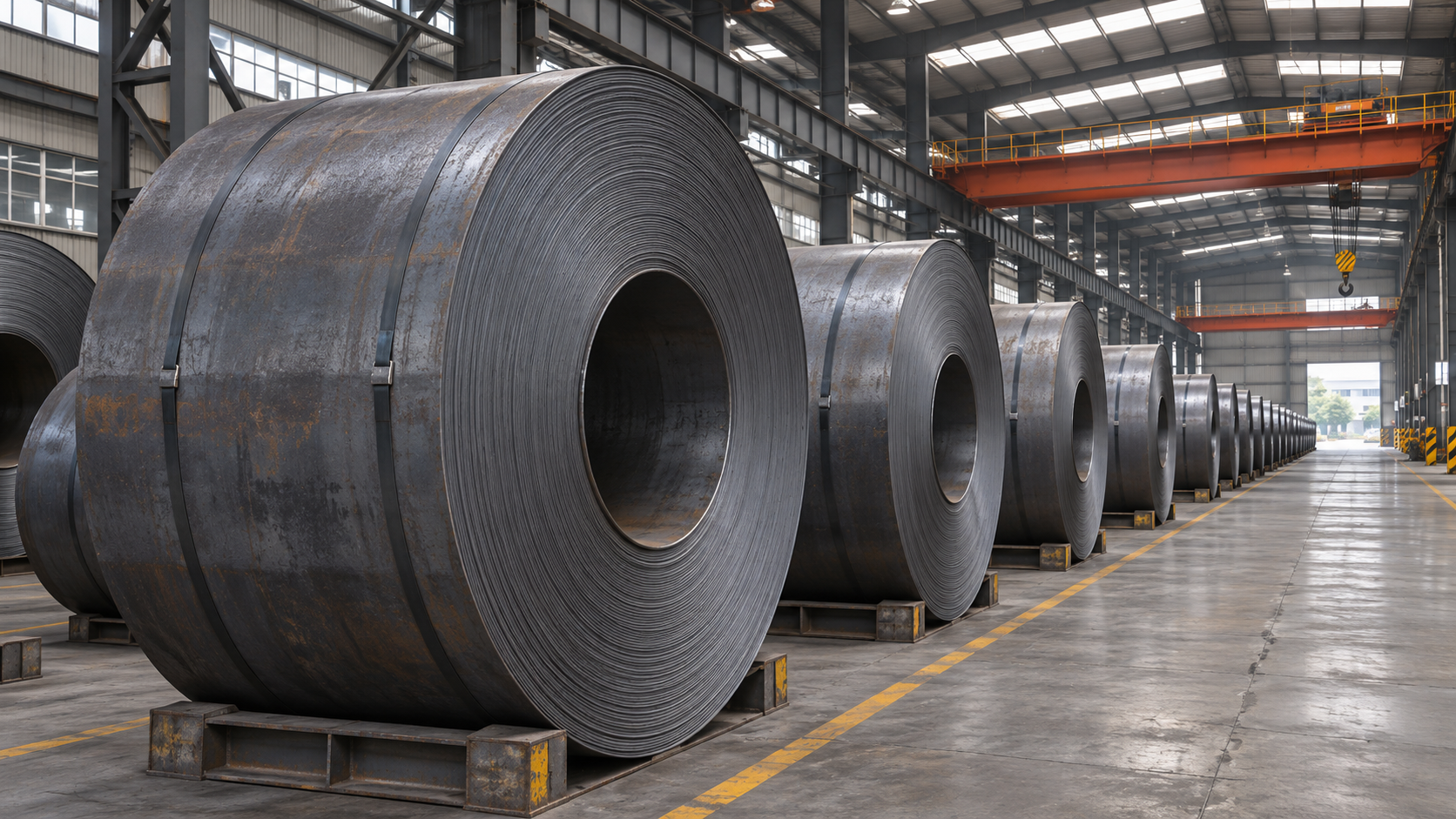
US steelmakers have reportedly consolidated hot-rolled coil (HRC) pricing at $1,040 per ton as rising raw material costs and revisions to Section 232 tariffs reshape trading conditions. The combination puts downstream buyers and importers under pressure to assess both the price of steel and the reliability of supply.
The reported price level is a reference point for the domestic market, but it does not establish the price paid in every transaction. Its significance for an individual buyer depends on the terms available for the material being purchased. Likewise, the reported change in trade conditions does not by itself show how much of the pressure comes from raw materials or from the tariff revisions.
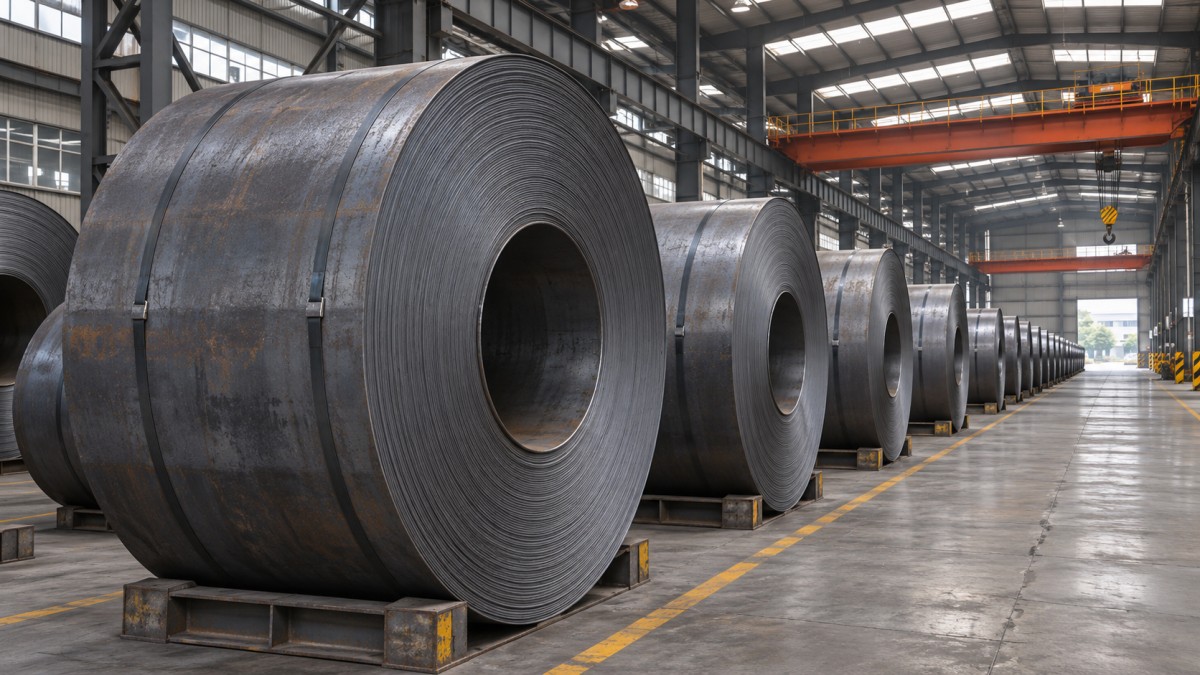
How cost and tariff pressures meet in the HRC market
Raw material costs affect the economics of producing steel, while tariffs can affect the cost of imported material. When both are changing, a buyer comparing domestic and imported HRC faces more than a simple price comparison: the relevant question is how each source’s full cost and availability will change under the applicable terms.
The reported $1,040 level indicates that domestic mills have established a pricing position at that point. Whether it persists will depend in part on how production costs and competitive conditions evolve. A sustained increase in input costs could support efforts to maintain higher prices, but the information available does not establish how those costs will move or how buyers will respond.
The effect of the Section 232 revisions also depends on their specific provisions. A change in tariff treatment could alter the relative cost of imported HRC and, in turn, the options buyers consider alongside domestic supply. The reported revision alone does not establish a uniform outcome for every import transaction.
Different questions for buyers and importers
For downstream purchasers, the immediate issue is how the reported domestic price translates into the cost of their own orders. Buyers may need to compare quotations with the timing and terms of their requirements, particularly where material costs affect commitments to customers. A quoted market level is useful context, but the commercial impact depends on the price and conditions attached to a particular purchase.
Importers face a related calculation that includes the applicable tariff treatment. If a revision changes the cost of an imported order, the difference may affect how that offer compares with domestic material. Supply decisions also depend on whether the required material can be obtained when needed; a lower quoted price alone would not settle that question.
These pressures can interact. If imported supply becomes less attractive under the revised tariff terms, some buyers could give greater weight to domestic offers. If domestic prices remain elevated, others may continue to evaluate imports where the applicable costs and supply terms make them viable. Neither response should be assumed across the market without further evidence.
What to watch
The next useful signals are whether domestic HRC pricing holds at the reported level, how raw material costs develop, and what the Section 232 revisions mean for affected transactions. The terms offered for domestic and imported material will also matter when assessing the practical effect on procurement.
The present report points to simultaneous cost and trade-policy pressure, but it does not establish the size or duration of either effect. The longer-term implications for sourcing and supply chains will become clearer as pricing and the application of the revised tariff rules develop.
Expert Insights

Chief Security Architect
Dr. Thorne specializes in the intersection of structural engineering and digital resilience. He has advised three G7 governments on industrial infrastructure security.
Related Analysis
- Nov 22, 2026McKinsey: India Needs Up to $400 Billion to Meet Steel Capacity Growth GoalAuthor :
- Nov 22, 2026Choosing Geotextile Fabric for Landfill Drainage and Liner ProtectionAuthor :Environmental Engineering Director
- Nov 21, 2026Japan's Steel Exports Could Fall to Lowest Level Since 1999 in 2026Author :
Core Sector // 01
Security & Safety
- McKinsey: India Needs Up to $400 Billion to Meet Steel Capacity Growth GoalAuthor :

- Japan's Steel Exports Could Fall to Lowest Level Since 1999 in 2026Author :

- EU Imposes Anti-Dumping Duties of Up to 27.9% on Cold-Rolled SteelAuthor :

- EU Imposes Anti-Dumping Duties on Cold-Rolled Steel From Five OriginsAuthor :

- US HRC Holds at $1,040 as Raw Material Costs and Section 232 Shift TradeAuthor :

- European Steel Industry Faces Rising Costs and Weak DemandAuthor :

- China Steel Market Softens as Tangshan Billet Price Falls to 2,860 YuanAuthor :

- SMU: Tight Supply Pushes North American Steel Prices HigherAuthor :