EU Imposes Anti-Dumping Duties on Cold-Rolled Steel From Five Origins
Author
Date Published
Reading Time
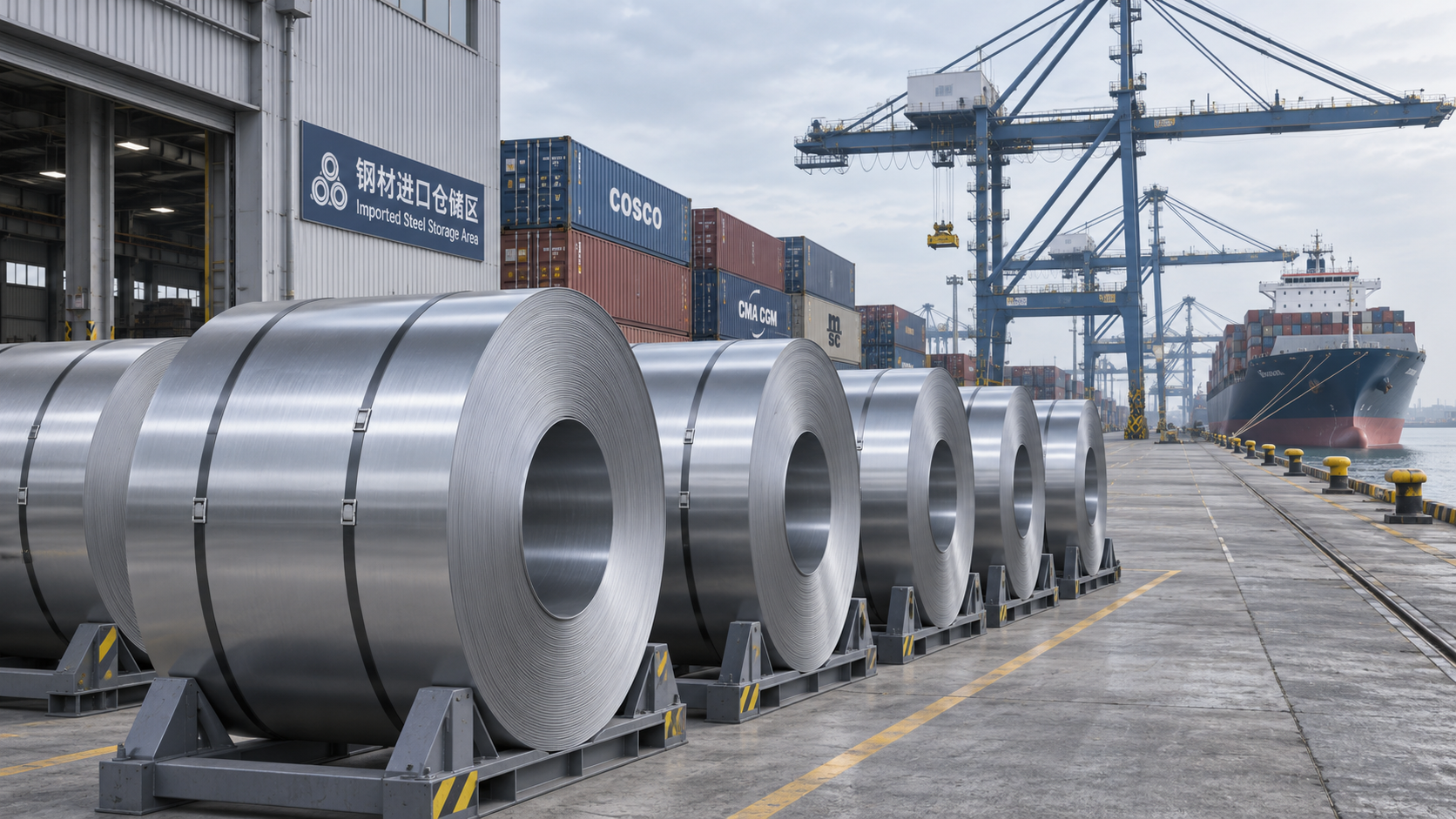
On November 16, 2026, the European Commission announced definitive anti-dumping duties on certain uncoated or unplated cold-rolled flat steel products imported from India, Japan, Taiwan, Turkey and Vietnam. The Commission said its investigation found that products from the five origins had entered the EU market at dumped prices.
The announced rates include 9.5% for products from India and 27.9% for products from Japan. Products from Taiwan are subject to rates ranging from 20.7% to 27%. The measure is intended to protect EU steel manufacturers from pressure associated with global overcapacity and increased imports.
For steel buyers and sellers, the immediate significance is that the duty becomes a factor in the cost of supplying covered products to the EU. The commercial effect will depend on the applicable rate and on how that additional cost is handled in transactions. The announcement does not establish that EU steel prices have risen or that trade flows have already changed.
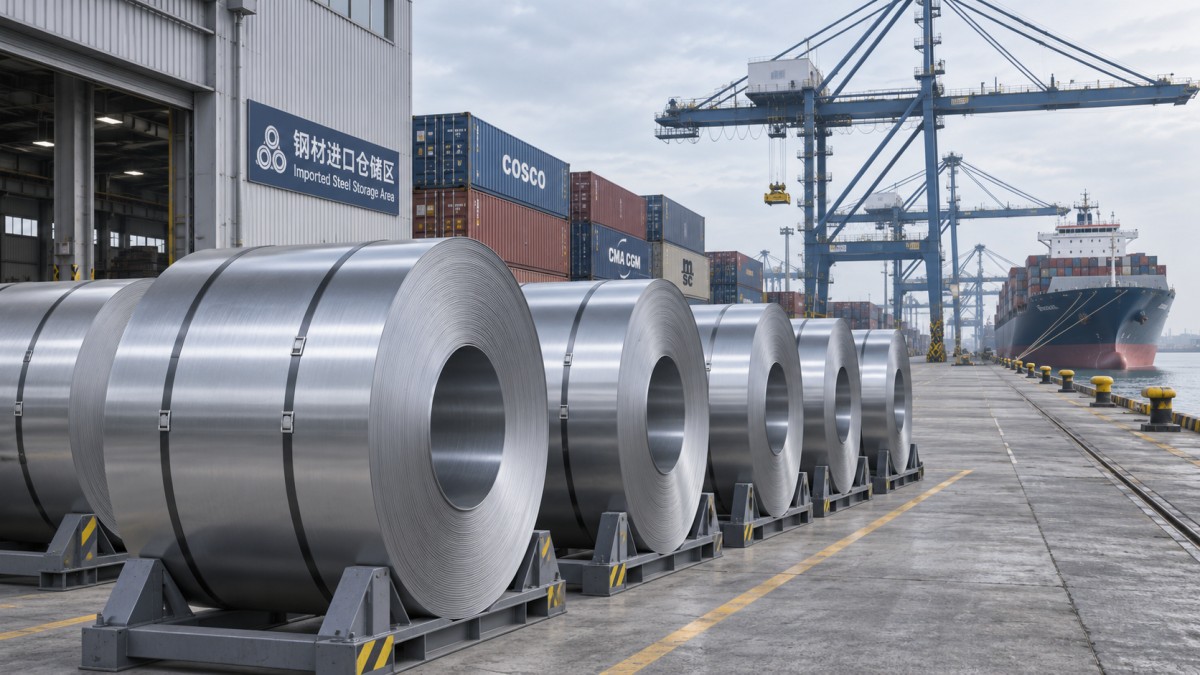
What the announced rates mean
The rates identified for India, Japan and Taiwan differ substantially. On that basis alone, the duty adds a different percentage cost to otherwise comparable covered imports, depending on their origin and applicable rate. That does not, however, establish which source will offer the lowest final price: the duty is only one part of a transaction's total cost.
The range given for Taiwan also matters when comparing offers. A calculation using 20.7% would differ from one using 27%, so the rate applicable to a particular transaction is material to its economics. The announcement also covers Turkey and Vietnam, although the rates for those origins are not stated here.
The measure concerns certain uncoated or unplated cold-rolled flat steel products. Product coverage therefore matters as much as origin: a buyer or seller cannot determine the effect on a transaction solely by looking at where the steel comes from. The precise product description and the terms of the measure are relevant to establishing whether a particular shipment falls within scope.
Where the effects could appear first
Import pricing is the clearest immediate point of exposure. For a covered product, the duty changes the cost calculation associated with entry into the EU. A supplier may seek to reflect that cost in its offer, while a buyer may compare the revised price with other available options. How much either party ultimately bears depends on the terms they agree and the alternatives available to them.
The effect on individual contracts may differ from the effect on new offers. Where parties have already agreed a price, the commercial outcome can depend on how their contract allocates duties and other import charges. For new business, the applicable duty can be considered when the price and other terms are negotiated. Neither outcome should be assumed for every transaction.
EU manufacturers could benefit if the duty reduces the price advantage of covered imports. The size of any benefit remains dependent on how suppliers and customers respond. A duty does not by itself show that EU producers will increase sales, that imports will decline by a particular amount or that domestic prices will move in a particular direction.
Downstream users face a related but different question: whether the total cost and availability of the steel they buy will change. Some may find alternative offers attractive after accounting for the duty, while others may place greater weight on the product and commercial terms they already require. The announcement alone does not establish how readily any buyer can switch suppliers.
What to watch
The most useful next details for affected transactions are the applicable rates for each covered origin, the product definitions and the conditions under which the duties apply. Official information on those points can help market participants assess individual shipments and compare offers on a consistent basis.
Over a longer period, the effect will depend on whether the measure changes purchasing decisions and competitive conditions in the EU market. Price comparisons, sourcing choices and the response of EU producers would all help show how the announced duties translate into commercial outcomes. For now, the established change is the imposition of definitive duties on the specified category of imports; the scale of their market impact remains a matter for observation.
Expert Insights

Chief Security Architect
Dr. Thorne specializes in the intersection of structural engineering and digital resilience. He has advised three G7 governments on industrial infrastructure security.
Related Analysis
- Nov 22, 2026McKinsey: India Needs Up to $400 Billion to Meet Steel Capacity Growth GoalAuthor :
- Nov 22, 2026Choosing Geotextile Fabric for Landfill Drainage and Liner ProtectionAuthor :Environmental Engineering Director
- Nov 21, 2026Japan's Steel Exports Could Fall to Lowest Level Since 1999 in 2026Author :
Core Sector // 01
Security & Safety
- McKinsey: India Needs Up to $400 Billion to Meet Steel Capacity Growth GoalAuthor :

- Japan's Steel Exports Could Fall to Lowest Level Since 1999 in 2026Author :

- EU Imposes Anti-Dumping Duties of Up to 27.9% on Cold-Rolled SteelAuthor :

- EU Imposes Anti-Dumping Duties on Cold-Rolled Steel From Five OriginsAuthor :

- US HRC Holds at $1,040 as Raw Material Costs and Section 232 Shift TradeAuthor :

- European Steel Industry Faces Rising Costs and Weak DemandAuthor :

- China Steel Market Softens as Tangshan Billet Price Falls to 2,860 YuanAuthor :

- SMU: Tight Supply Pushes North American Steel Prices HigherAuthor :