EU Imposes Anti-Dumping Duties of Up to 27.9% on Cold-Rolled Steel
Author
Date Published
Reading Time
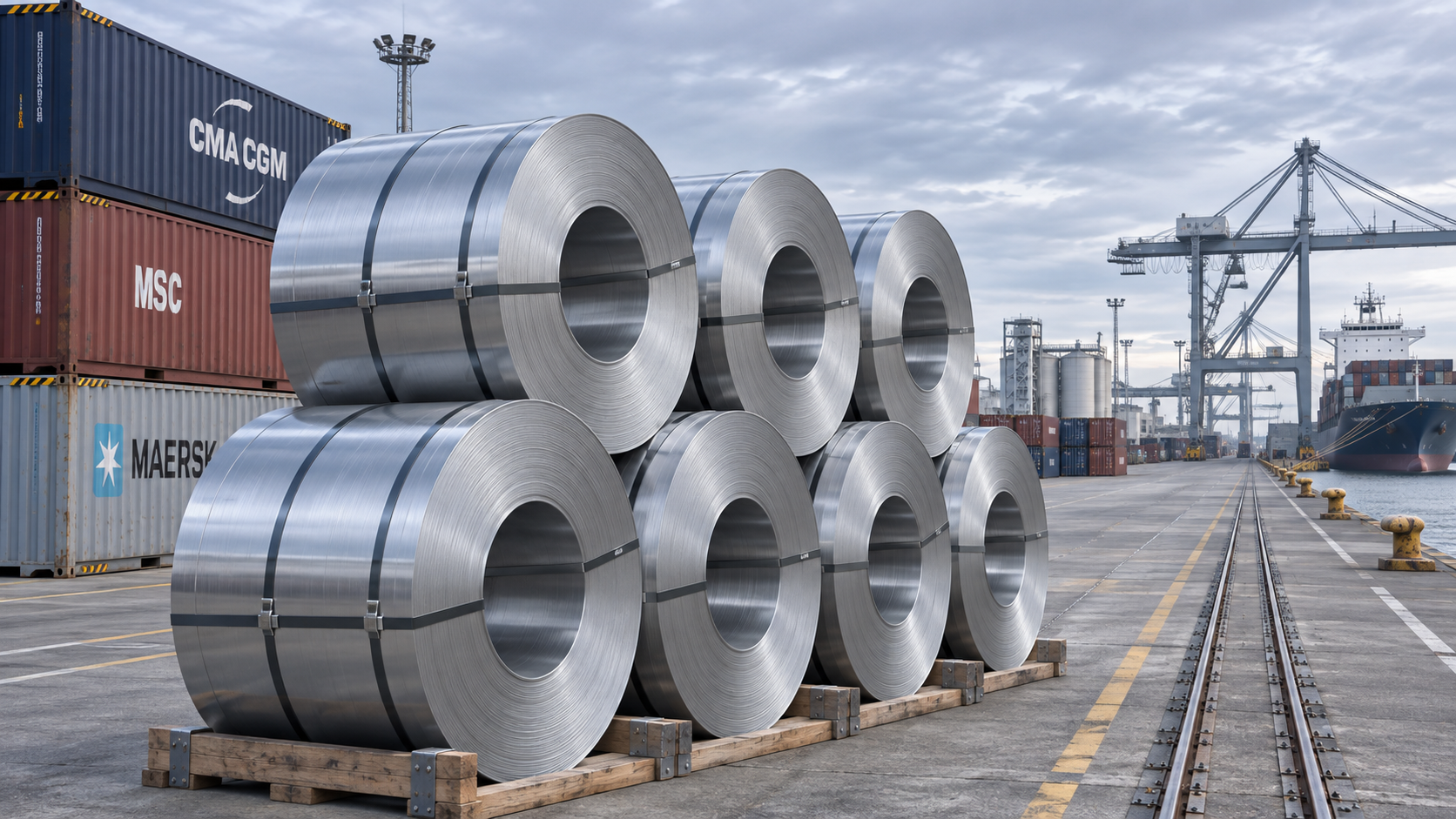
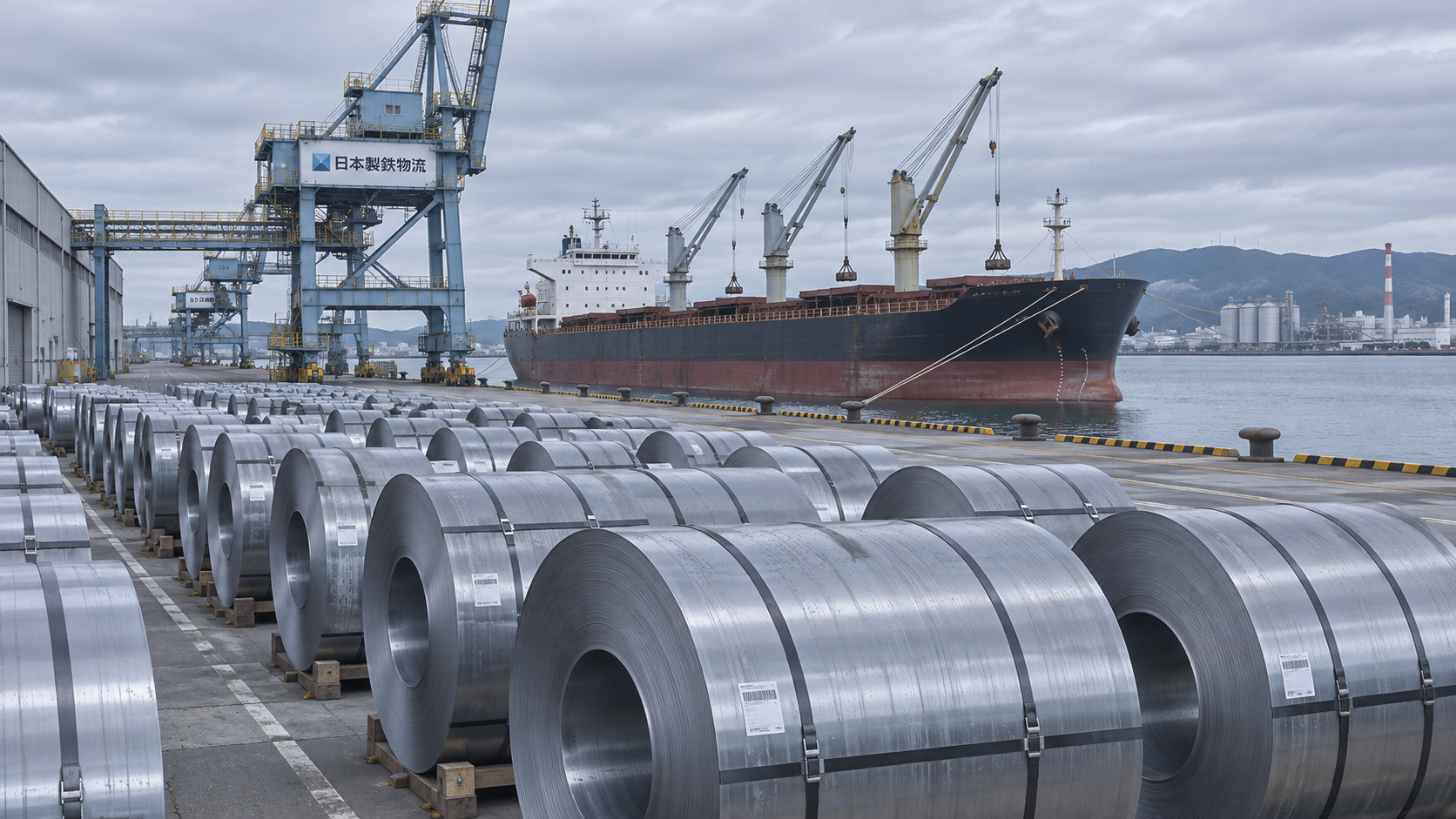
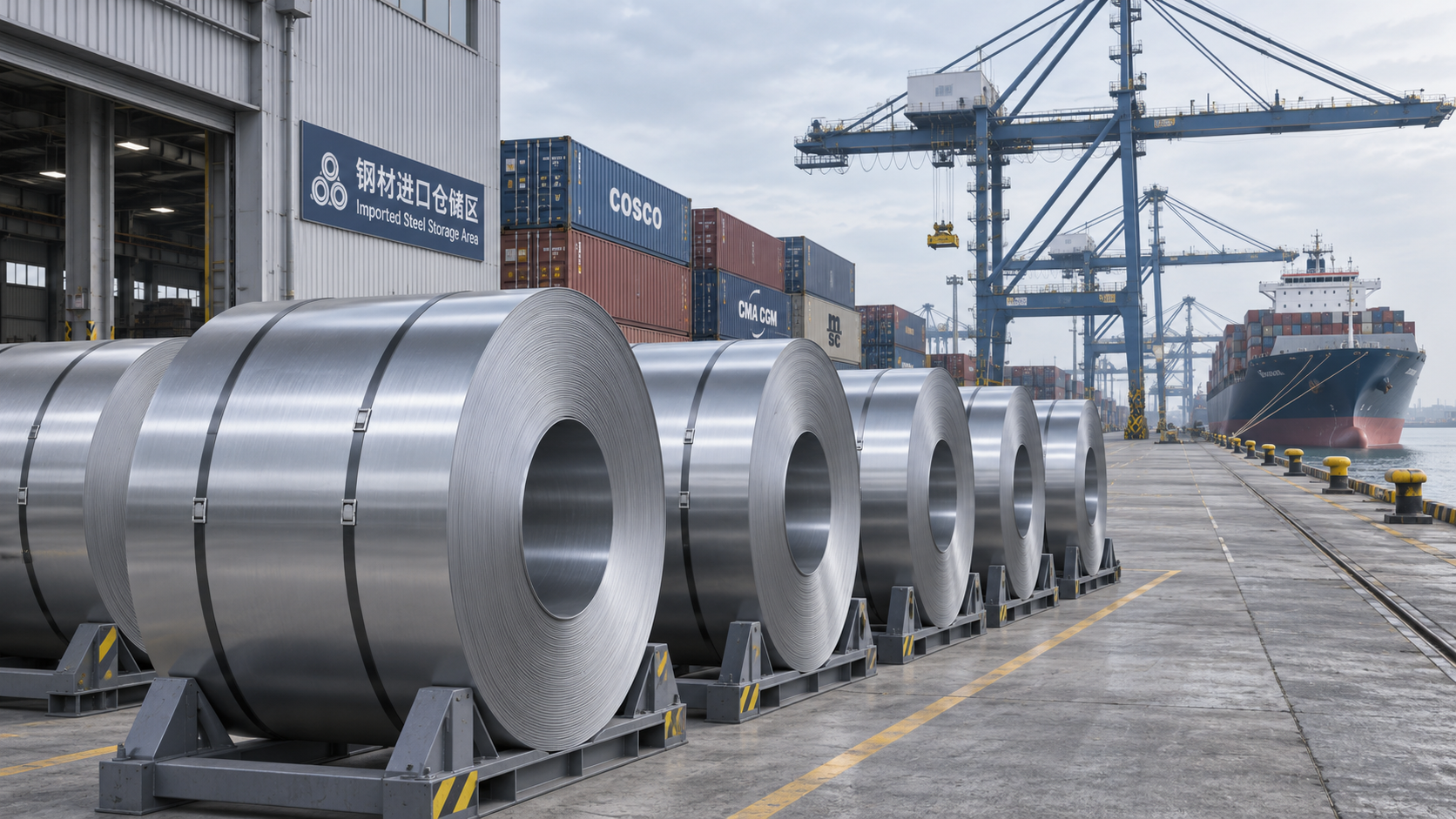
The European Commission has announced definitive anti-dumping duties of up to 27.9% on cold-rolled steel products originating in India, Japan, Taiwan, Turkey and Vietnam, effective November 17, 2026. The measure puts duty exposure at the center of purchasing and delivery decisions for affected trade with the European Union. Exporters, importers, distributors and manufacturers using the material will need to assess how the measure applies to their transactions and what it could mean for costs and supply commitments.
A definitive duty covering five origins
The European Commission announced the definitive anti-dumping measure on cold-rolled steel products originating in India, Japan, Taiwan, Turkey and Vietnam. The duties reach a maximum of 27.9%, and the measure took effect on November 17, 2026.
According to the supplied event summary, the measure is intended to address dumping of steel products from those origins in the European market and to protect the EU steel industry.
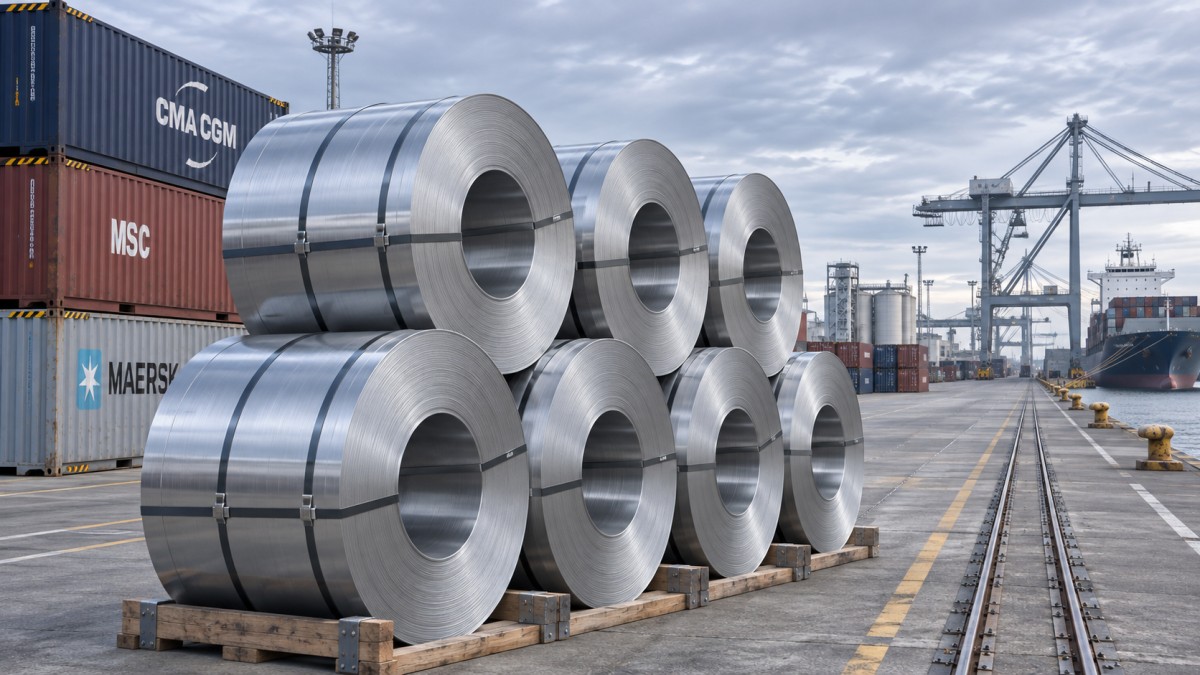
Where the duty could enter the supply chain
Export offers and European import costs
From an industry perspective, exporters serving EU customers may need to revisit how they prepare offers for cold-rolled steel. A quoted product price alone may no longer give the buyer a sufficient basis for comparing an affected shipment with other supply options. The potential duty, its applicable rate and the party responsible for paying it could all affect the commercial result.
Importers, meanwhile, may need to review the full expected cost of individual transactions. The announced maximum of 27.9% is a ceiling in the supplied information; it should not be assumed to be the rate for every product or supplier. The information provided does not specify a rate schedule, so transaction-level costing depends on checking the applicable official details.
Existing offers and orders deserve particular attention. Analysis suggests that the financial effect on a particular deal may depend on its terms and on how the measure applies to the shipment. Parties may therefore want to discuss cost responsibility before making further commitments. The supplied summary does not establish a special treatment for orders placed before the effective date.
Procurement and manufacturing decisions
Buyers that use cold-rolled steel as an input could face a different comparison between suppliers if an affected import carries an additional duty. The effect may be felt in purchase budgets, inventory planning and the timing of supplier decisions. It could also pass through to negotiations over finished products, although the extent of any price change cannot be determined from the information supplied.
For processors and manufacturers, the practical issue is not solely whether another offer is cheaper. An alternative material may need to meet the buyer's existing technical and quality expectations. Analysis suggests that procurement and technical teams may benefit from reviewing candidate supplies together, allowing time to check whether a proposed substitution is suitable before relying on it in a delivery plan.
Some buyers may prefer to maintain an established source despite a higher expected cost, while others may examine alternatives. Neither response is established by the announcement itself. The appropriate choice will depend on the product, the applicable duty, contractual commitments and the buyer's tolerance for supply or specification changes.
Distribution, documentation and delivery
Distributors and trading intermediaries may need to reassess stock purchases and customer quotations where the steel originates in one of the five named locations. If a duty changes the landed cost of a shipment, a margin calculated before the measure may no longer reflect the expected result. This is a potential commercial effect, not evidence that distributors have already changed their prices or inventories.
Supply chain service providers may also encounter requests for clearer shipment information. Importers could ask trading partners to help reconcile product descriptions, origin information and commercial documents before a declaration or delivery. The event summary does not define new documentation requirements, but it does make the accuracy and availability of relevant records a practical point for review.
Delivery schedules could come under pressure if parties need more time to establish the applicable treatment or agree on costs. That outcome is not confirmed. Businesses planning time-sensitive shipments may nevertheless find it useful to allow for questions and document checks while confirming the actual procedures with the relevant authorities or advisers.
Turning the announcement into transaction checks
Confirm the product and the applicable rate
The first practical task is to compare each product and transaction with the official measure. The supplied summary refers to cold-rolled steel products but does not set out the detailed product coverage. Companies should therefore avoid assuming that every product described commercially as cold-rolled steel is covered, or that a similar description establishes exclusion.
Businesses can review product descriptions, specifications and other information used to identify the goods, then check those details against the official text and relevant trade guidance. They should also verify how the rate is determined for the transaction in question. The stated maximum is useful for identifying potential exposure, but it is not a substitute for confirming the rate that applies.
Reconcile origin and shipment records
Because the measure identifies goods by origin, importers and exporters may wish to check that origin information is consistent across the records they rely on. Commercial invoices, supplier information and other shipment documents can be reviewed for discrepancies before the goods are presented for import. The exact evidence or procedure required is not specified in the supplied information and should be checked through official channels.
A review should also distinguish the origin of the goods from other details in a commercial chain, such as the location of a seller or the route of a shipment. The effect of any particular arrangement cannot be determined from the summary alone. Where a transaction is complex, the parties may need a case-specific assessment rather than relying on a general assumption about origin.
Review cost allocation and open commitments
Companies with outstanding quotations, purchase orders or supply agreements may want to identify who is expected to bear import duties and how a change in cost would be handled under their agreed terms. This is a commercial review, not a statement that the measure automatically changes existing contracts.
For new negotiations, buyers and sellers can make their assumptions explicit: which product is being supplied, what duty treatment has been checked, which party is responsible for import costs and what happens if an assumption proves incorrect. Clear discussion may reduce disputes, but the outcome will depend on the actual agreement and applicable rules.
Businesses should also check shipment timing against the official implementation provisions. Although the supplied information states that the measure took effect on November 17, 2026, it does not explain how particular stages of a shipment or earlier commitments are treated. Those details should be verified before assigning a duty cost to an individual delivery.
Test alternatives before changing supply plans
If the anticipated cost of an affected product changes, procurement teams may consider other sources or materials. Any comparison should include the expected purchase and import costs, delivery availability and the effort needed to confirm that an alternative meets the required specification. A lower quoted price alone may not resolve those questions.
Where a product is used in manufacturing, a proposed change may require discussion with customers or internal technical teams. The supplied information does not establish any new certification or testing obligation. Existing specifications and agreements should instead be checked to determine whether a particular substitution calls for verification or approval.
An implemented measure with details still to verify
Editorial observation: based on the supplied summary, this is best understood as an effective definitive trade measure, rather than a proposal. At the same time, the information available here is too limited to determine the treatment of a particular shipment or to measure the eventual effect on the market. The existence of a maximum rate does not establish the rate payable in every case.
What deserves closer attention is the gap between the broad announcement and transaction-level application. Detailed product coverage, rate allocation, origin treatment and implementation provisions could materially affect a company's assessment. Official clarification or subsequent trade guidance may also help businesses understand how to apply the measure in practice.
Market feedback will be relevant, but it should be interpreted separately from the rule itself. Changes in quotations, sourcing discussions or delivery plans would show how participants respond; they would not, by themselves, establish the legal scope of the measure. Conversely, a company should not assume that the absence of an immediate commercial response removes a duty exposure.
A measured approach to future orders
The immediate significance for the cold-rolled steel supply chain is the need to incorporate a definitive EU anti-dumping measure into decisions involving the five named origins. The potential consequences extend from import costing and contract discussions to supplier selection and delivery planning, but their scale remains uncertain from the information provided.
For businesses assessing current or future orders, the proportionate response is to verify the official scope and applicable rate, review the relevant transaction documents and test commercial assumptions with counterparties. Continued attention to implementation and industry feedback can help distinguish confirmed obligations from possible market effects.
Basis for this report and further verification
This article is based on the user-provided news title, event date and event summary. No specific official source link was provided in the input, so the measure and its transaction-level details require continued verification. Relevant sources for follow-up may include official announcements, information from customs or trade authorities, and industry association updates.
Further review should focus on the detailed scope and application of the measure, trade execution, any relevant changes in purchasing or tender documents, and feedback from affected businesses. These matters are identified for observation; their outcomes are not established by the supplied summary.
Expert Insights

Chief Security Architect
Dr. Thorne specializes in the intersection of structural engineering and digital resilience. He has advised three G7 governments on industrial infrastructure security.
Related Analysis
- Nov 22, 2026McKinsey: India Needs Up to $400 Billion to Meet Steel Capacity Growth GoalAuthor :
- Nov 22, 2026Choosing Geotextile Fabric for Landfill Drainage and Liner ProtectionAuthor :Environmental Engineering Director
- Nov 21, 2026Japan's Steel Exports Could Fall to Lowest Level Since 1999 in 2026Author :
Core Sector // 01
Security & Safety
- McKinsey: India Needs Up to $400 Billion to Meet Steel Capacity Growth GoalAuthor :

- Japan's Steel Exports Could Fall to Lowest Level Since 1999 in 2026Author :

- EU Imposes Anti-Dumping Duties of Up to 27.9% on Cold-Rolled SteelAuthor :

- EU Imposes Anti-Dumping Duties on Cold-Rolled Steel From Five OriginsAuthor :

- US HRC Holds at $1,040 as Raw Material Costs and Section 232 Shift TradeAuthor :

- European Steel Industry Faces Rising Costs and Weak DemandAuthor :

- China Steel Market Softens as Tangshan Billet Price Falls to 2,860 YuanAuthor :

- SMU: Tight Supply Pushes North American Steel Prices HigherAuthor :