Security and Safety Equipment Standards: How to Identify Applicable Requirements
Author
Date Published
Reading Time
Selecting industrial protection equipment requires more than checking for a familiar certification mark. Applicable security and safety equipment standards depend on intended use, environment, installation location, and jurisdiction.
For technical evaluators, overlooking these factors can lead to noncompliance, procurement delays, or avoidable safety risks. Identify legal obligations first, then assess standards and certification evidence.
How Do You Identify the Requirements That Apply?
There is no single universal list of security and safety equipment standards. Requirements depend on the equipment’s function, the hazards it addresses, and where it operates.
Start by defining the product and its intended use. Then determine the destination market, identify applicable legislation, select relevant standards, and verify evidence against the exact configuration.
Record each decision in a requirements matrix. This gives engineering, procurement, and compliance teams a shared basis for specifications, supplier comparisons, and final acceptance.
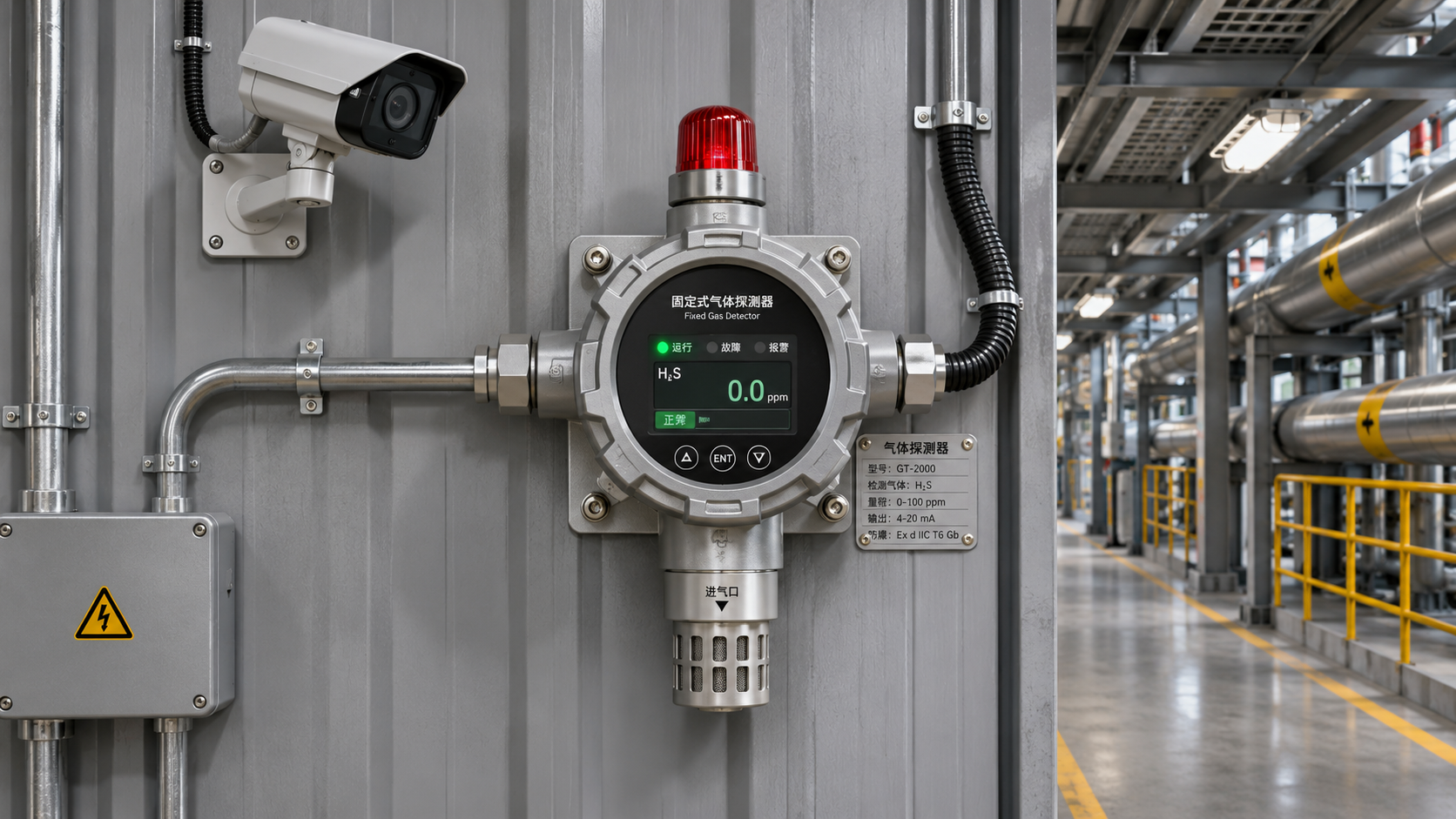
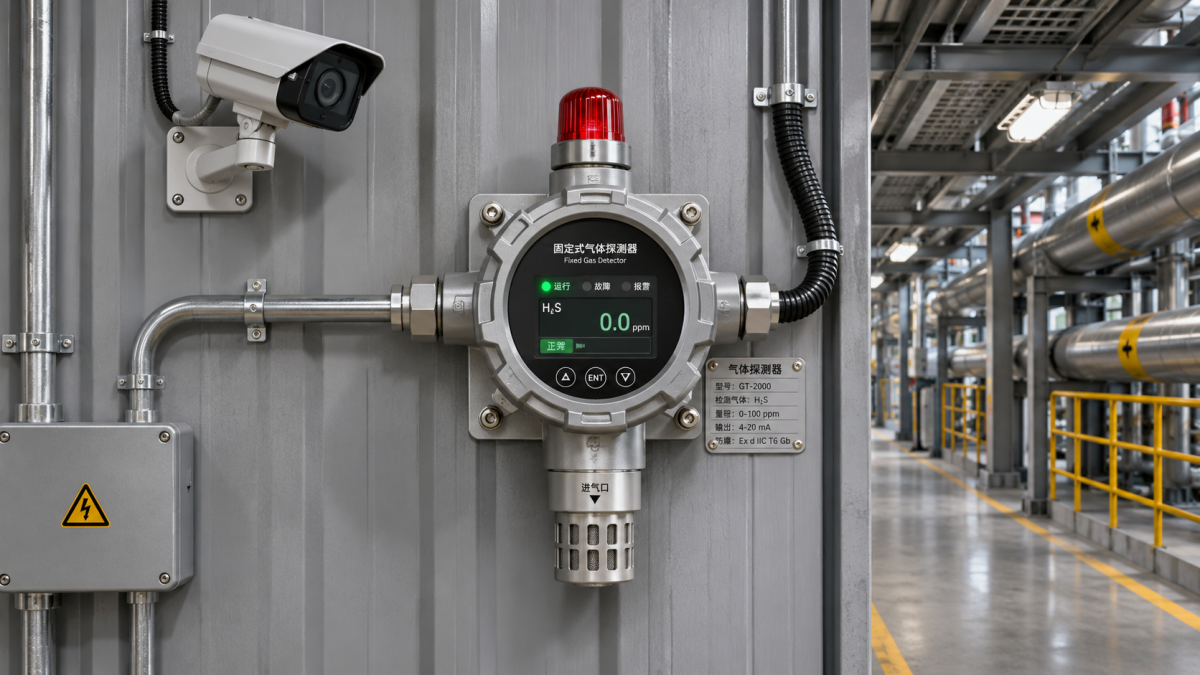
For example, a fixed gas detector may need assessment for measurement performance, electrical safety, and explosive atmospheres. Its controller and installation may introduce additional requirements.
A security camera in the same facility has a different purpose. Depending on its features and location, electrical safety, electromagnetic compatibility, cybersecurity, and installation rules may matter.
What Information Should You Collect Before Searching for Standards?
A useful search begins with a clear equipment description. Generic terms such as “safety device” or “security system” are too broad to support a reliable assessment.
Identify the manufacturer, model, variants, accessories, software version, power supply, intended users, and protective function. Note whether the purchase is a component or complete system.
Describe the hazards and operating conditions in measurable terms. The relevant details vary, but an evaluator should normally establish the following before approaching suppliers:
- Location and market: Countries where the product will be placed on the market, installed, and operated, including any relevant regional or local authority requirements.
- Hazard and function: The event to detect, prevent, or mitigate; the required response; and the consequences of failure or delayed operation.
- Environment: Temperature range, moisture, dust, corrosion, vibration, electromagnetic interference, and any classified explosive atmosphere.
- Installation: Fixed or portable use, indoor or outdoor exposure, power source, interfaces, mounting arrangements, and accessibility for inspection or maintenance.
- System role: Whether the equipment provides an alarm, initiates an automatic protective action, or supports a security function within a larger system.
Obtain the project hazard assessment, area classification drawings, applicable codes, and client specifications where available. These documents can reveal obligations that a product catalog cannot.
Distinguish intended use from foreseeable misuse. A detector approved for one gas, temperature range, or hazardous area classification should not be assumed suitable for another.
Which Requirements Are Legally Binding, and Which Are Voluntary?
Begin with laws and regulations in the destination market. Product legislation, workplace safety rules, building or fire codes, and local installation requirements may apply simultaneously.
Technical standards usually provide detailed methods or performance criteria. Their legal effect depends on the jurisdiction and how a law, contract, or authority references them.
A standard may be voluntary in general but mandatory for a project through a contract, permit condition, insurance requirement, or applicable regulation. Check the specific wording.
In the European Union, applicable product legislation determines whether CE marking is required. CE marking is not a general quality label or proof of universal approval.
For relevant EU legislation, correctly applying designated harmonised standards can provide a presumption of conformity with the requirements those standards cover. Other conformity routes may exist.
Check the current harmonised standard references and any restrictions in the European Commission’s published information. Confirm that the product legislation and standard edition are appropriate.
In the United States, requirements can arise from federal rules, state or local codes, and the authority having jurisdiction. Product listing expectations depend on the application.
Where applicable OSHA rules require equipment to be approved, evaluation by a nationally recognized testing laboratory may be relevant. Consult OSHA’s NRTL program and the applicable rule.
Do not assume that an international standard automatically overrides local law, or that a customer’s preferred certification replaces a required regulatory conformity assessment.
How Do You Select the Right Standard for Each Product?
Work from the equipment’s protective function toward the applicable standard, rather than starting with a familiar standards organization. One product can fall under several standards.
Check the scope and exclusions of each candidate document. A standard may address product construction, performance testing, system design, installation, maintenance, or management processes.
The following examples are starting points for research. Their applicability depends on the exact product, edition, jurisdiction, installation, and project requirements.
For explosive atmospheres, check gas or dust classification, equipment group, temperature class or maximum surface temperature, and the relevant protection level. Verify special conditions of use.
For functional safety, a component certificate alone does not establish the integrity of the complete safety function. Architecture, failure data, diagnostics, proof testing, and integration also matter.
For networked security equipment, assess cybersecurity as well as physical operation. Applicable requirements may cover authentication, access control, updates, vulnerability handling, and the deployment environment.
Consult the issuing organization or an authoritative regulatory source for the exact title, scope, and edition. Supplier summaries are useful leads, not substitutes for applicability checks.
How Can You Verify Certification and Test Evidence?
Ask suppliers for evidence before final selection. The required documents depend on the conformity route, but they should support each claim in the project requirements matrix.
Start with a declaration of conformity where applicable, certificates, test reports, technical datasheets, installation instructions, and a clear list of covered models and accessories.
Compare the documents with the proposed purchase, including model suffixes, firmware, ratings, materials, and optional modules. A certificate for a similar product may not apply.
Verify the issuing body and certificate status through its public directory when available. Check the covered standard, edition, validity, limitations, and any conditions attached.
For EU declarations, check the manufacturer’s identity, product identification, relevant legislation, referenced standards, and signature. A declaration’s format alone does not establish technical conformity.
Where a notified body is involved, confirm its designated scope for the relevant legislation and conformity assessment activity. Its involvement is not required for every CE-marked product.
For a US listing, confirm that the listing covers the exact product and intended application. A laboratory’s recognition for one test standard does not cover every standard.
Test reports deserve the same scrutiny. Check who performed the tests, what was tested, which methods and editions were used, and whether deviations affect the intended application.
A laboratory’s accreditation can support confidence in its competence, but verify that the relevant testing activity falls within its accredited scope. Accreditation alone does not certify every product.
Request clarification when a document says “designed to,” “tested to,” or “complies with” a standard. These phrases do not necessarily mean independent certification was obtained.
What Should Go Into a Requirements Matrix?
A requirements matrix connects each obligation to evidence and an accountable decision. Create it early enough for suppliers to respond before the specification is finalized.
Include the source and edition of each requirement, its legal or contractual status, the equipment configuration, the evidence needed, and the person responsible for acceptance.
Separate product compliance from site acceptance. A certified device can still be unsuitable if its temperature rating, mounting location, wiring, or maintenance access conflicts with project conditions.
Track open items explicitly. If a supplier promises revised evidence, assign an owner and deadline rather than treating the requirement as satisfied during bid evaluation.
Where a requirement is judged inapplicable, record the reason and supporting source. This prevents later reviewers from mistaking an intentional decision for an omission.
How Should You Handle Conflicts, Updates, and Supplier Changes?
When requirements appear to conflict, identify their sources and scopes before choosing a solution. Involve the relevant authority, project engineer, or qualified compliance specialist where necessary.
A customer specification may demand more than the legal minimum, while a supplier may propose an alternative standard. Assess equivalence against the actual performance and legal obligations.
Do not rely on a simple statement that two standards are equivalent. Compare scope, test methods, acceptance criteria, certification requirements, and any jurisdiction-specific conditions.
Record the applicable edition and transition dates at the time of assessment. Standards and regulatory references change, and their dates of legal effect can differ.
Reopen the assessment when the destination, installation environment, product configuration, firmware, or protective function changes. A previously valid decision may no longer cover the purchase.
At delivery, confirm that markings, model numbers, documentation, and accessories match the approved submission. Installation and commissioning records should address the conditions identified during evaluation.
Final Checklist for Technical Evaluators
Before approving security and safety equipment, confirm that the team can answer these questions and point to the evidence supporting each answer:
- Have we defined the exact product, intended use, hazards, destination markets, and operating conditions?
- Have we identified applicable laws, local rules, project specifications, and the standards relevant to their scope?
- Have we checked the correct editions, conformity assessment route, certificate status, model coverage, and conditions of use?
- Have we assessed system integration, installation, maintenance, and any outstanding supplier clarifications?
- Are the decision, evidence, responsible owner, and change triggers recorded in the requirements matrix?
The strongest compliance decision links a specific requirement to a specific configuration and credible evidence. Use that connection to resolve gaps before purchase and maintain it through commissioning.
Technical Specifications
- Security and Safety Equipment Standards: How to Identify Applicable RequirementsAuthor :Safety Compliance Lead
- Visayas Grid Again Under Red Alert as Power Supply TightensAuthor :Grid Infrastructure Analyst
- World’s First 35 kV IGBT Static Full-Power Generator Enters OperationAuthor :Grid Infrastructure Analyst
Expert Insights

Chief Security Architect
Dr. Thorne specializes in the intersection of structural engineering and digital resilience. He has advised three G7 governments on industrial infrastructure security.
Related Analysis
- Nov 25, 2026Security and Safety Equipment Standards: How to Identify Applicable RequirementsAuthor :Safety Compliance Lead
- Nov 24, 2026Visayas Grid Again Under Red Alert as Power Supply TightensAuthor :Grid Infrastructure Analyst
- Nov 24, 2026World’s First 35 kV IGBT Static Full-Power Generator Enters OperationAuthor :Grid Infrastructure Analyst
Core Sector // 01
Security & Safety
- Security and Safety Equipment Standards: How to Identify Applicable RequirementsAuthor :Safety Compliance Lead

- Global Sourcing of Industrial Equipment: A Supplier Vetting ChecklistAuthor :Safety Compliance Lead

- Product Category Insights for Sourcing: Assessing Cost and Supply RiskAuthor :Safety Compliance Lead

- Machinery Components Sourcing: How to Evaluate Suppliers and Lead TimesAuthor :Safety Compliance Lead

- Industrial Supplier Insights: Assessing Capacity, Lead Times and RiskAuthor :Safety Compliance Lead

- Facility Upgrade Solutions: Prioritizing Safety and Energy ImprovementsAuthor :Safety Compliance Lead

- Industrial Supplier Assessment Tools: Comparing Scorecards and AuditsAuthor :Safety Compliance Lead

- How to Build an Equipment Budget for EPC Projects Without Underestimating Lifecycle CostsAuthor :Safety Compliance Lead