European Steel Industry Faces Rising Costs and Weak Demand
Author
Date Published
Reading Time
Europe's steel industry is facing pressure from rising costs and weak demand, according to a SteelRadar report dated November 12, 2026. Restricted import supply and higher energy and logistics costs are adding to the strain on a market where demand is already weak.
The combination matters because it affects both sides of a steel transaction. Higher costs can increase the price suppliers need to cover their expenses, while subdued demand can limit buyers' willingness to accept those increases. The result is pressure on pricing decisions, although the report does not establish how prices have changed or how widely the effects are being felt.
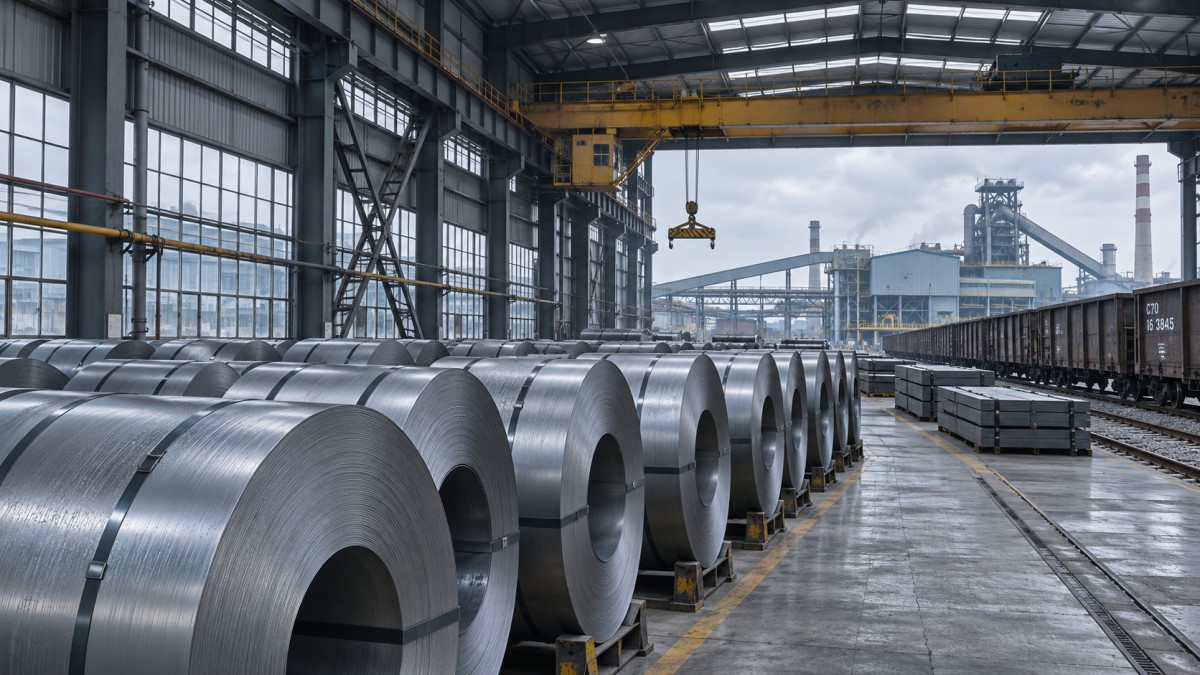
Cost pressure meets a weak market
Energy and logistics are relevant to the cost of producing and moving steel. If those expenses continue to rise, suppliers may seek higher prices or absorb a greater share of the increase in their margins. Which outcome prevails will depend in part on demand and on the terms of individual transactions.
Weak demand complicates that adjustment. Buyers with limited immediate requirements may be less inclined to place orders at higher prices, making it harder for suppliers to pass on additional costs. Conversely, if available supply becomes tighter for a particular purchase, buyers may have fewer alternatives when negotiating. The balance between those pressures can differ across transactions.
What restricted imports could mean for purchasing
Restricted import supply can narrow the options available to buyers who rely on steel from outside Europe. Depending on the products and alternatives available to them, procurement teams may need to pay closer attention to supplier availability, delivery terms and the cost of obtaining material.
Those effects should not be treated as uniform across the market. The reported information does not specify which steel products are affected, the reasons for the import restrictions or their duration. It therefore supports a broad assessment of supply pressure, rather than a conclusion about shortages or delivery disruptions for any particular product.
For producers and suppliers, the immediate question is how much of the increase in energy and logistics costs can be reflected in prices while demand remains weak. For buyers, the central issue is whether changes in supply availability and delivered costs outweigh the negotiating room that weak demand might otherwise provide.
Signals to watch
The direction of energy and logistics costs, the availability of imported steel and the strength of demand will shape how this pressure develops. If costs continue to rise while demand remains subdued, suppliers' margins could come under further strain. If supply tightens more sharply, buyers could face greater pressure on prices or purchasing options even without a recovery in demand.
The current report describes a challenging combination of conditions, but it does not establish how long they will last or predict a specific price movement. Further market reporting on costs, supply availability and demand will help clarify which of these forces is having the greatest effect.
Expert Insights

Chief Security Architect
Dr. Thorne specializes in the intersection of structural engineering and digital resilience. He has advised three G7 governments on industrial infrastructure security.
Related Analysis
- Nov 22, 2026McKinsey: India Needs Up to $400 Billion to Meet Steel Capacity Growth GoalAuthor :
- Nov 22, 2026Choosing Geotextile Fabric for Landfill Drainage and Liner ProtectionAuthor :Environmental Engineering Director
- Nov 21, 2026Japan's Steel Exports Could Fall to Lowest Level Since 1999 in 2026Author :
Core Sector // 01
Security & Safety
- McKinsey: India Needs Up to $400 Billion to Meet Steel Capacity Growth GoalAuthor :

- Japan's Steel Exports Could Fall to Lowest Level Since 1999 in 2026Author :

- EU Imposes Anti-Dumping Duties of Up to 27.9% on Cold-Rolled SteelAuthor :

- EU Imposes Anti-Dumping Duties on Cold-Rolled Steel From Five OriginsAuthor :

- US HRC Holds at $1,040 as Raw Material Costs and Section 232 Shift TradeAuthor :

- European Steel Industry Faces Rising Costs and Weak DemandAuthor :

- China Steel Market Softens as Tangshan Billet Price Falls to 2,860 YuanAuthor :

- SMU: Tight Supply Pushes North American Steel Prices HigherAuthor :