Sintered Steel Market: Demand Drivers and Supply Risks for Component Sourcing
Author
Date Published
Reading Time
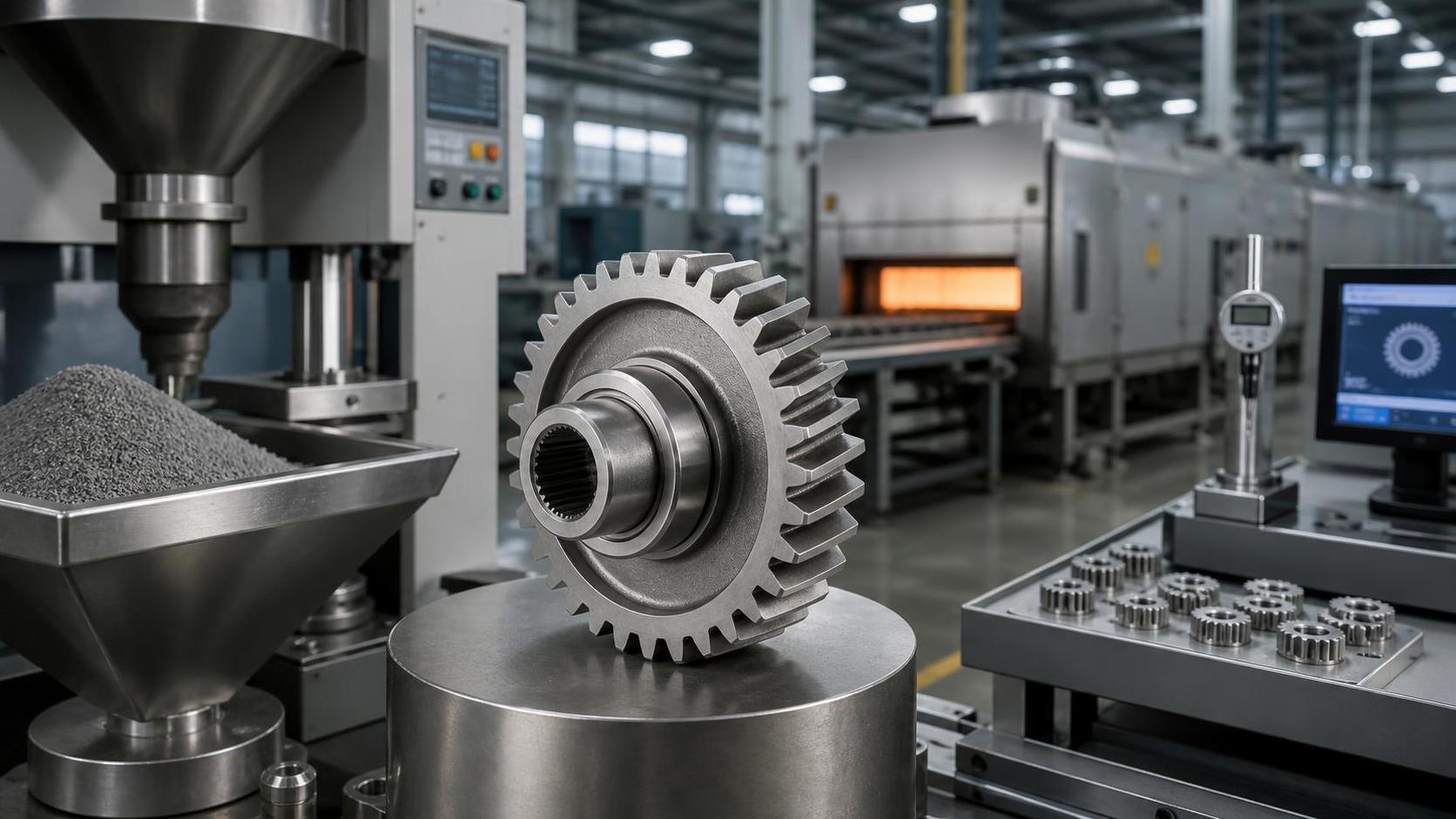
The sintered steel market matters because it offers a practical route to high-volume metal components with controlled material use, repeatable geometry, and fewer machining steps. Yet the sourcing decision has become less straightforward. A part that looks economical on a quotation can become expensive when powder chemistry drifts, tooling capacity is constrained, secondary operations are omitted from the scope, or a supplier cannot prove process consistency across production lots.
For buyers of automotive, industrial equipment, pumps, electric drives, agricultural machinery, and power-system hardware, the real question is not simply whether sintered steel is cheaper than machined or cast steel. It is whether the chosen material-process combination can meet load, wear, corrosion, dimensional, and delivery requirements over the life of the program.
This distinction is shaping the market. Demand is expanding in applications where near-net-shape production, consistent repeat orders, and material efficiency matter. At the same time, supply exposure has increased around alloying elements, metal powders, specialized furnaces, tooling, and qualified production capacity.
What Is Moving the Sintered Steel Market?
Sintered steel components are produced by compacting metal powder in a die and heating the compact below the melting point so particles bond together. The process is well established, but the market is changing because end users are asking more from it: higher strength, tighter tolerances, better fatigue performance, improved corrosion resistance, and traceable quality documentation.
The strongest demand driver remains high-volume production. When a component design is stable and annual quantities are meaningful, powder metallurgy can reduce waste compared with machining a shape from bar stock or forging it and then removing material. Gears, hubs, sprockets, bushings, structural parts, sensor rings, lock components, and transmission elements are common examples.
There is also renewed interest in replacing multi-piece assemblies with a single sintered component. A part can sometimes incorporate geometric features that would otherwise require several machining, welding, or fastening operations. That can reduce handling and improve repeatability, but only when the design has been developed for the process. Trying to transfer a conventional machined part directly into a powder-metal process often creates avoidable cost or quality problems.
Electrification is creating a more selective demand pattern. Some internal-combustion applications may decline over time, while industrial motors, e-mobility systems, automation equipment, and energy infrastructure continue to require compact precision components. This does not mean every steel part belongs in a sintering route. It means buyers need to assess the component function rather than rely on broad assumptions about a sector.
A useful rule is simple: sintered steel performs best where geometry is repeatable, production volume supports tooling investment, material properties can be achieved through the selected powder and heat-treatment route, and controlled porosity is acceptable or beneficial. It is less suitable for very low-volume parts, highly variable designs, exceptionally large sections, or components requiring fully dense material throughout for extreme impact or fatigue service.
Demand Is Rising, but Capability Is Not Interchangeable
One common sourcing mistake is treating all sintered steel suppliers as if they offer the same technical capability. They do not. A producer focused on basic structural components may not have the tooling precision, atmosphere control, heat-treatment capability, density control, or inspection discipline needed for a loaded drivetrain part.
Material naming can also mislead. Two suppliers may describe a part as “alloy sintered steel,” yet use different powder blends, lubricants, compaction pressures, sintering cycles, and secondary operations. Their final density, microstructure, hardness profile, dimensional response, and fatigue behavior can differ materially.
For a non-critical bracket, that variation may be acceptable. For a gear, cam component, safety-related mechanism, or high-cycle power-transmission part, it can become a warranty and continuity risk.
Buyers should therefore separate a supplier’s commercial offer from its validated manufacturing route. Ask what powder grade is proposed, whether it is pre-alloyed or diffusion-alloyed, what density range is controlled, whether sizing, coining, infiltration, impregnation, steam treatment, carburizing, induction hardening, or machining is included, and how critical dimensions are verified after each relevant step.
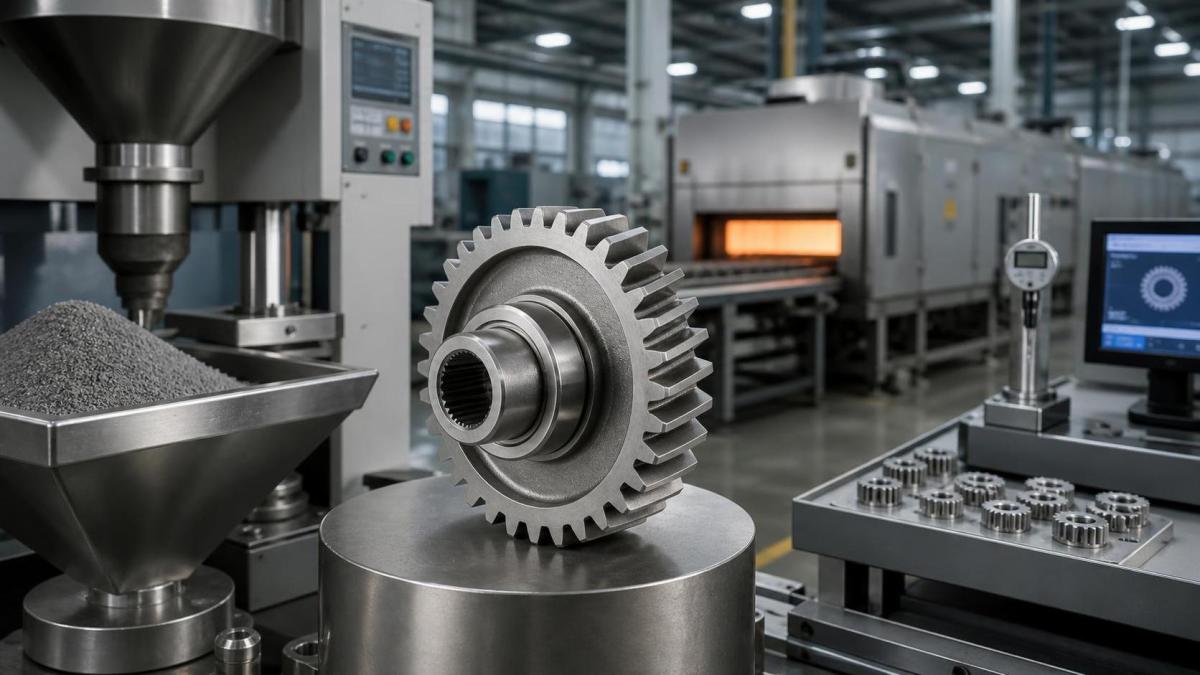
The image opportunity here is a simple sourcing flow: powder specification, compaction, sintering, secondary treatment, inspection, and final component release. It helps illustrate why a finished-part quotation cannot be evaluated only by part weight and piece price.
Supply Risks That Can Disrupt Component Programs
The most visible risk is raw material availability. Iron powder is not a single uniform commodity. Availability depends on powder grade, particle-size distribution, alloy additions, regional production, transport conditions, and the relationship between powder suppliers and component manufacturers. Nickel, molybdenum, copper, chromium, and other alloying inputs can introduce further volatility or qualification constraints.
That does not mean a buyer should react to every price movement by changing material specifications. Frequent material substitution can create much larger downstream problems than a modest cost increase. A better response is to identify which inputs are technically critical, where approved alternatives exist, and which changes would require requalification.
Capacity is another issue. Sintering furnaces, precision presses, tooling departments, and specialized secondary-processing lines are not instantly expandable. A supplier may have spare press time but limited furnace throughput. Another may be able to make the green compact but outsource heat treatment, adding lead-time and traceability exposure. These constraints are easy to miss during early sourcing because prototype quantities rarely reveal what a full production schedule will demand.
Geographic concentration deserves attention as well. Powder production, furnace equipment, tooling expertise, and component manufacturing are distributed unevenly across regions. Long supply chains can introduce port delays, customs disruption, currency exposure, and a slower response to quality escapes. Regional sourcing may reduce logistics risk, but it can also limit access to a specific process capability. The right decision depends on the criticality of the part and the cost of interruption.
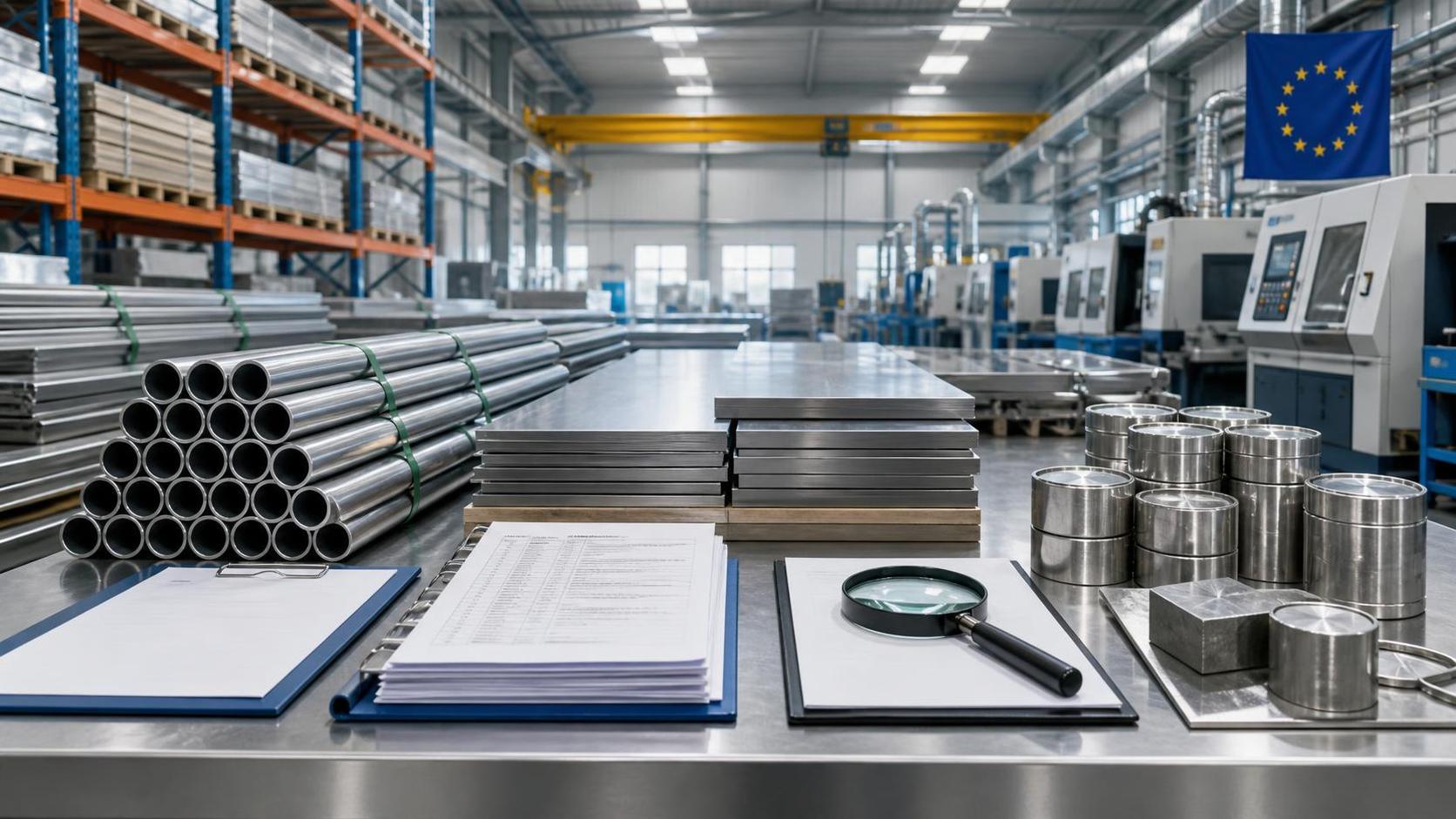
Quality documentation should be viewed as a supply-risk control, not an administrative burden. Material certificates, lot traceability, control plans, process capability records, inspection reports, and change-notification procedures give a buyer a way to detect whether a supplier is managing the process rather than merely shipping parts. Requirements should reflect the application. Demanding automotive-level documentation for a simple low-risk spacer can inflate cost without meaningful benefit; accepting vague declarations for a safety or power-transmission component is equally unwise.
How to Read a Sintered Steel Quotation Properly
The lowest quoted unit price often hides differences in scope. One supplier may price a pressed-and-sintered blank. Another may include sizing, heat treatment, machining of a datum, rust prevention, full inspection, and export packaging. Both quotations can appear to describe the same part number.
Before comparing offers, normalize the commercial and technical assumptions. The following items are usually more useful than a broad request for “best price”:
- Annual demand, release pattern, prototype requirement, and forecast horizon.
- Approved drawing revision, critical-to-quality dimensions, and measurement method.
- Target material properties, density, hardness, load case, and operating environment.
- Tooling ownership, tool maintenance responsibility, expected tool life, and replacement trigger.
- Included secondary operations and any outsourced process steps.
- Lot traceability, inspection frequency, sample retention, and nonconformance response.
- Lead-time assumptions for powder, tooling, production, and transport.
Tooling deserves particular attention. Powder-compaction tooling is a production asset, not a minor setup charge. A low upfront tooling price can be attractive, but only if the tool design supports the required life, dimensional control, and maintenance access. Confirm who owns the tool, where it is stored, whether it can be transferred, and how engineering changes are handled. Those questions are especially important when a component has only one approved source.
There is a similar issue with tolerances. Tight tolerances are possible in sintered components, particularly after sizing or machining, but every added operation affects cost and capacity. It is worth reviewing whether each tolerance is functionally necessary. A drawing that applies machined-part tolerances everywhere may force unnecessary secondary processing and erase much of the process advantage.
Design and Material Choices Have Procurement Consequences
Engineering decisions made early in the program determine how resilient the supply base will be later. A design that depends on an unusually narrow density window, a proprietary powder blend, or a specialized heat-treatment sequence may deliver strong performance, but it can leave the program tied to one capable producer. That is not automatically wrong. It simply needs to be recognized and managed as a deliberate single-source risk.
When reviewing a proposed conversion to sintered steel, ask whether the design team has considered section thickness changes, undercuts, sharp corners, ejection direction, hole geometry, and density distribution. Press-and-sinter manufacturing has physical limits. Features that look minor in CAD can cause cracks during ejection, non-uniform density, tool wear, or difficult inspection in actual production.
Porosity is another area where assumptions cause trouble. Controlled porosity can support oil retention in self-lubricating applications or enable impregnation. In other cases, it may reduce fatigue strength, permit corrosion pathways, or complicate sealing. The specification should state what the component needs to do, not merely copy a material label from an older drawing.
For high-load or high-fatigue service, buyers should request evidence relevant to the actual duty cycle: density verification, metallographic examination where appropriate, hardness or case-depth records after heat treatment, dimensional results, and functional validation. Generic material data may be useful for screening, but it is not a substitute for component-level qualification.
Building a More Resilient Sourcing Strategy
A robust approach usually starts with component segmentation. Separate simple, non-critical parts from high-consequence components. The first group may be managed through price, lead time, and routine quality controls. The second needs a deeper plan covering process validation, approved material routes, capacity visibility, contingency inventory, and change control.
Dual sourcing is often recommended too casually. A second supplier is valuable only when it has been qualified against the same functional and dimensional requirements and can access comparable powder, tooling, and secondary operations. A nominal backup source that has never run production parts is not real continuity protection.
Some programs are better served by a primary supplier plus an approved technical alternative. This may involve duplicate tooling, a transferable tool design, a defined material equivalency window, or retained qualification data that speeds reapproval after a disruption. The expense has to be weighed against downtime exposure. For a low-value item that can stop an entire line, the calculation is usually different from the calculation for a readily available standard component.
Global Industrial Core frames this issue correctly for industrial infrastructure: sourcing resilience is a combination of technical compliance, evidence-based qualification, and practical supply-chain visibility. Buyers handling critical mechanical components should use that lens when comparing suppliers, particularly where a specification intersects with safety, power, measurement, or harsh-environment performance requirements.
Questions Often Asked About Sintered Steel Supply
Is sintered steel always less expensive than machined steel?
No. It is often competitive at stable, repeatable volumes because it can reduce material waste and machining. For low quantities, frequent design changes, or parts requiring extensive secondary machining, conventional routes may be more economical.
Can one sintered steel grade be replaced with another during a supply disruption?
Only after technical review and, where required, formal requalification. Similar names do not guarantee equivalent density, chemistry, heat-treatment response, corrosion behavior, or fatigue performance.
What is the most overlooked commercial risk?
Unclear scope around tooling, sizing, heat treatment, machining, inspection, and packaging. Normalize these items before comparing unit prices.
When should a second source be qualified?
Before the part becomes a production bottleneck. Qualification takes time because the second source must prove both dimensional conformity and process capability under real production conditions.
The Near-Term View of the Sintered Steel Market
The sintered steel market will continue to reward disciplined sourcing rather than simple price shopping. Demand for efficient, compact, repeatable metal components remains solid across industrial machinery and many transportation and energy applications. The strongest suppliers will differentiate themselves through material control, engineering support, reliable secondary processing, traceability, and transparent capacity planning.
For the buyer, the practical next step is to review critical sintered components as complete manufacturing systems: powder source, tooling, pressing, furnace route, finishing operations, inspection, and logistics. That view exposes risks early, creates a fairer basis for supplier comparison, and helps preserve component availability when the market becomes less predictable.
Technical Specifications
- Air Handling Unit Supplier Checklist: Performance Data, Lead Times, and SupportAuthor :Environmental Engineering Director
- Buying Fiberglass Water Tanks Wholesale: Compare Quotes and Delivery CostsAuthor :Environmental Engineering Director
- Choosing an XLPE Power Cable Supplier: Test Reports, Traceability, and Lead TimesAuthor :Grid Infrastructure Analyst
Expert Insights

Chief Security Architect
Dr. Thorne specializes in the intersection of structural engineering and digital resilience. He has advised three G7 governments on industrial infrastructure security.
Related Analysis
- Oct 19, 2026Air Handling Unit Supplier Checklist: Performance Data, Lead Times, and SupportAuthor :Environmental Engineering Director
- Oct 18, 2026Buying Fiberglass Water Tanks Wholesale: Compare Quotes and Delivery CostsAuthor :Environmental Engineering Director
- Oct 17, 2026Choosing an XLPE Power Cable Supplier: Test Reports, Traceability, and Lead TimesAuthor :Grid Infrastructure Analyst
Core Sector // 01
Security & Safety
- Cold-Formed Steel Market: Price, Capacity, and Lead-Time Signals for BuildersAuthor :

- Heat-Resisting Steel Market Trends: Availability Risks for High-Temperature FabricatorsAuthor :

- Sintered Steel Market: Demand Drivers and Supply Risks for Component SourcingAuthor :

- Structural Steel Market Outlook: What Project Buyers Should Track in 2026Author :

- EU Nickel Supply Chain Compliance: Due Diligence Steps for Industrial BuyersAuthor :

- Comparing Stock vs Custom Galvanized Square Tube for Stable Project DeliveryAuthor :

- How Rebar Traceability Is Shaping Procurement and QA ExpectationsAuthor :

- Galvalume Coil Applications: How Buyers Match Coated Steel to Real ProjectsAuthor :