Heat-Resisting Steel Market Trends: Availability Risks for High-Temperature Fabricators
Author
Date Published
Reading Time
Heat-Resisting Steel Market Trends: Availability Risks for High-Temperature Fabricators
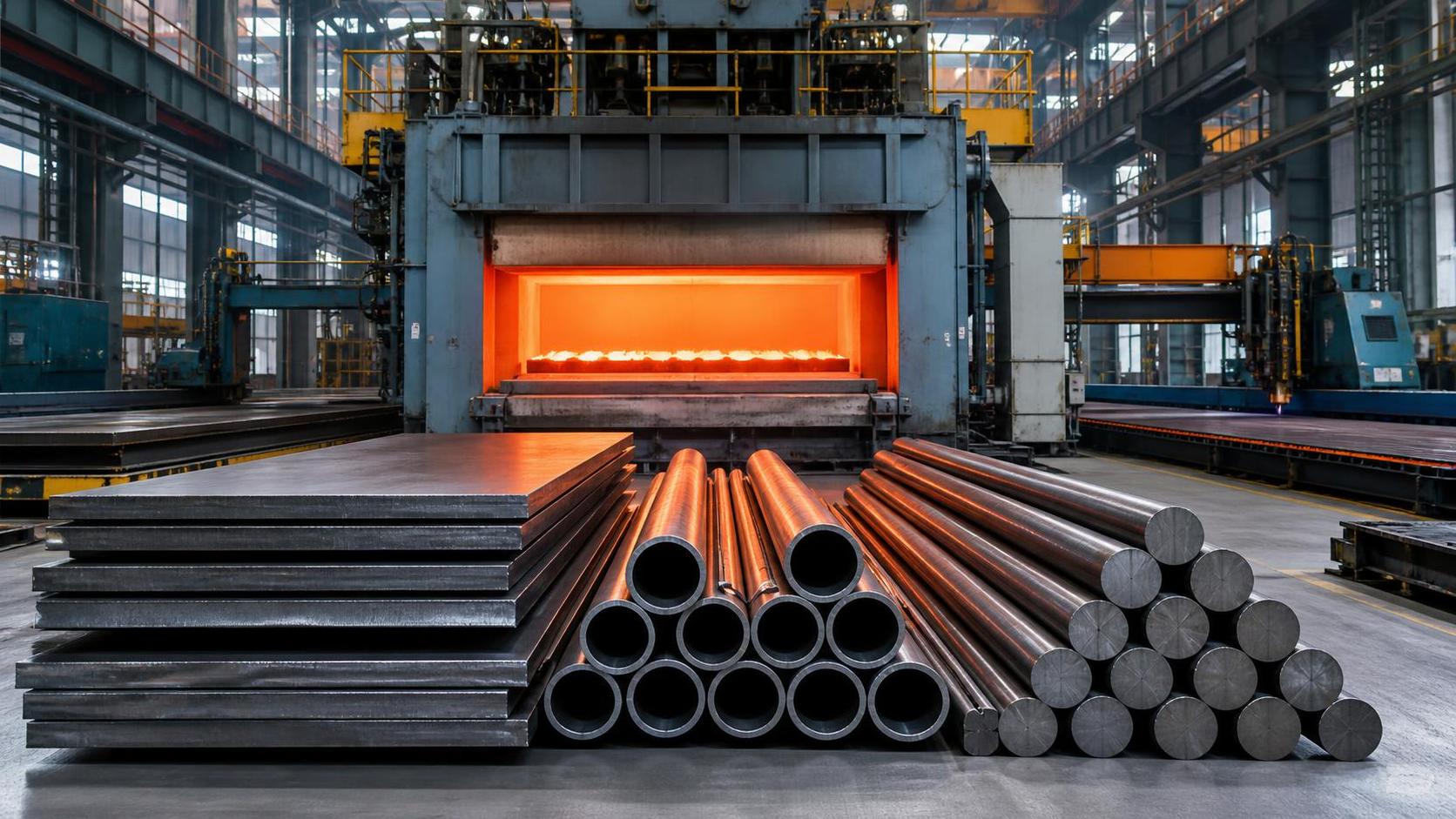
The heat resisting steel market is entering a more demanding phase. High-temperature fabricators are facing a combination of tighter mill allocations, volatile alloying-element costs, longer qualification cycles, and growing pressure to prove material traceability. For organizations building furnaces, petrochemical equipment, thermal processing systems, power-generation components, waste-to-energy assets, or high-temperature ducting, heat-resistant steel is no longer a straightforward line item on a bill of materials.
The commercial risk is rarely limited to a price increase. A delayed plate, tube, casting, or bar can hold up fabrication sequencing, welding procedure qualification, pressure testing, site installation, and commissioning. An apparently similar substitute may create a more serious issue: reduced creep resistance, accelerated oxidation, sensitization risk after welding, or a mismatch with a customer’s approved material specification. As availability becomes less predictable, material decisions need to move earlier in project planning.
This is the central shift in the current heat resisting steel market: procurement teams are being asked to assess metallurgical suitability and supply resilience at the same time.
Why availability has become a fabrication risk
Heat-resisting steels occupy a narrower supply lane than general structural steels. Many grades depend on controlled additions of chromium, nickel, molybdenum, silicon, niobium, titanium, nitrogen, or other alloying elements selected for particular combinations of oxidation resistance, hot strength, thermal fatigue performance, and corrosion behavior. That means the market is exposed not only to steelmaking capacity but also to the availability and pricing of alloy inputs.
In practice, supply constraints often appear at the product-form level rather than at the grade-family level. A buyer may find a nominally suitable alloy available as round bar but not as heavy plate; as seamless tube but not as centrifugally cast tube; or in standard mill dimensions but not in a thickness that supports the required corrosion allowance and fabrication method. The same complication applies to forged fittings, high-temperature fasteners, and welded assemblies where parent material, filler metal, and post-weld heat-treatment requirements are interdependent.
Fabricators also face an uncomfortable timing mismatch. End users increasingly want final specifications confirmed before issuing purchase orders, while mills may require earlier commitments to reserve production windows. This tension is especially visible in capital projects, where an EPC contractor must protect schedule certainty without buying material that may later fail a technical review.
A material can be commercially available and still be operationally unavailable. If the mill test certificate does not satisfy the purchase specification, if heat traceability is incomplete, if testing scope is unclear, or if delivery condition does not align with the applicable standard, the shipment may not be usable when it reaches the workshop.
The market is being shaped by performance requirements, not volume alone
Demand for high-temperature alloys is linked to industrial activity across several sectors, but buyers should avoid treating all heat-resistant materials as interchangeable. A furnace retort, radiant tube, reformer component, incinerator grate, exhaust manifold, kiln fixture, and high-temperature reactor internals may all operate at elevated temperatures, yet their degradation mechanisms differ substantially.
Some environments are dominated by oxidation. Others involve carburizing gases, sulfur-bearing streams, thermal cycling, ash deposition, molten salts, chlorides, reducing atmospheres, or high mechanical loads sustained over long periods. Temperature alone is not enough to select a grade. The metal temperature, atmosphere, cycle frequency, stress level, component geometry, expected service life, and maintenance philosophy all influence the correct choice.
This matters to the heat resisting steel market because demand can concentrate around a relatively small number of proven grades and forms. When fabricators are reluctant to deviate from a customer-approved alloy, alternatives that look equivalent in a catalogue may not be acceptable in service or contractually approved for the project. The supply challenge therefore becomes concentrated around qualified materials rather than broad categories such as “stainless steel” or “high-alloy steel.”
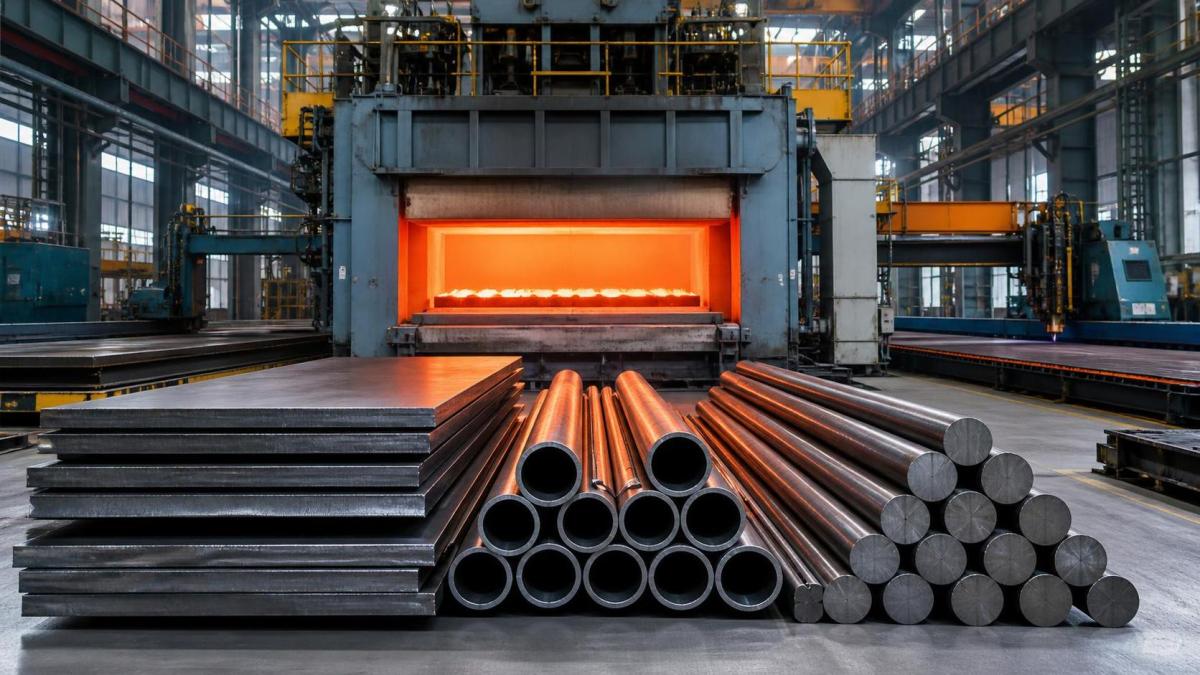
The growing emphasis on energy efficiency adds another layer. Equipment operators may seek higher process temperatures, lower heat losses, longer maintenance intervals, or reduced emissions. These objectives can increase the material duty placed on tubes, casings, supports, fixtures, and internal components. A material that performed acceptably in an older operating envelope may offer insufficient margin after a process upgrade.
The hidden exposure in “equivalent” grade substitutions
When lead times lengthen, procurement teams naturally look for equivalents. That is sensible, but it requires discipline. Cross-reference tables can be useful starting points, not engineering approvals. Grade names across ASTM, ASME, EN, ISO, JIS, and proprietary specifications do not always denote identical chemistry limits, mechanical-property requirements, product forms, heat-treatment conditions, or test obligations.
A substitution review should go beyond nominal alloy composition. The questions that matter include whether the alternative has comparable high-temperature strength; whether its carbon and stabilizing-element balance is suitable for the welding cycle; whether it has acceptable resistance in the actual process atmosphere; and whether the supplied condition supports the intended fabrication route. A change in section thickness can also alter cooling behavior, distortion risk, weld heat input, and the practical need for thermal treatment.
For pressure-retaining or safety-critical equipment, technical equivalence may also be governed by the project code, customer specification, design registration requirements, and approved welding procedures. A substitute is not low risk merely because it is more readily available. It may require a revised material data sheet, additional corrosion assessment, design recalculation, or formal approval from the responsible engineer.
The most expensive substitutions are often made too late, after cutting has begun or after a fabrication drawing has been released. At that point, the apparent savings from an alternative grade can disappear through rework, new procedure qualifications, additional inspections, and schedule disruption.
Where supply risk is most likely to surface
Supply risk is not evenly distributed. It is typically more pronounced where specifications require non-standard dimensions, heavy-wall sections, small-volume production runs, specialist castings, strict ultrasonic examination, supplementary impact testing, controlled grain structure, or project-specific documentation. Complex machining and fabrication demands can narrow the supplier field further.
The risk is also higher when a project requires continuity of heat numbers across a large production batch, rapid replacement parts for existing equipment, or material matching with legacy components. In maintenance work, the original grade may be known only through incomplete records or historical designations. A careful identification process may be needed before new material is ordered, particularly if the component has experienced long-term exposure and microstructural change.
Geography matters as well. Trade restrictions, transport disruption, regional melting capacity, customs procedures, and different standard preferences can affect what is genuinely available in a project location. A global sourcing strategy should not assume that stock held in one region can be transferred quickly or accepted without further documentation in another.
A more practical procurement framework
For high-temperature fabricators, the strongest response is not simply holding more inventory. Excess stock can create its own exposure when grades are specialized, dimensions are project-specific, or material requirements change. A better approach separates materials by technical criticality and supply sensitivity.
The first category includes materials with few approved alternatives and direct implications for safety, uptime, or code compliance. These need early technical definition, supplier engagement before final release where possible, and clear documentation requirements. The second category may allow qualified substitutions, but only if the review path is established before a shortage occurs. The third includes more standard materials where inventory flexibility and regional sourcing can be used more aggressively.
A useful pre-order review should confirm more than grade and quantity:
- Applicable material standard, specification revision, and product form.
- Required delivery condition, heat treatment, dimensional tolerances, and surface condition.
- Chemical analysis, mechanical testing, non-destructive examination, and certification expectations.
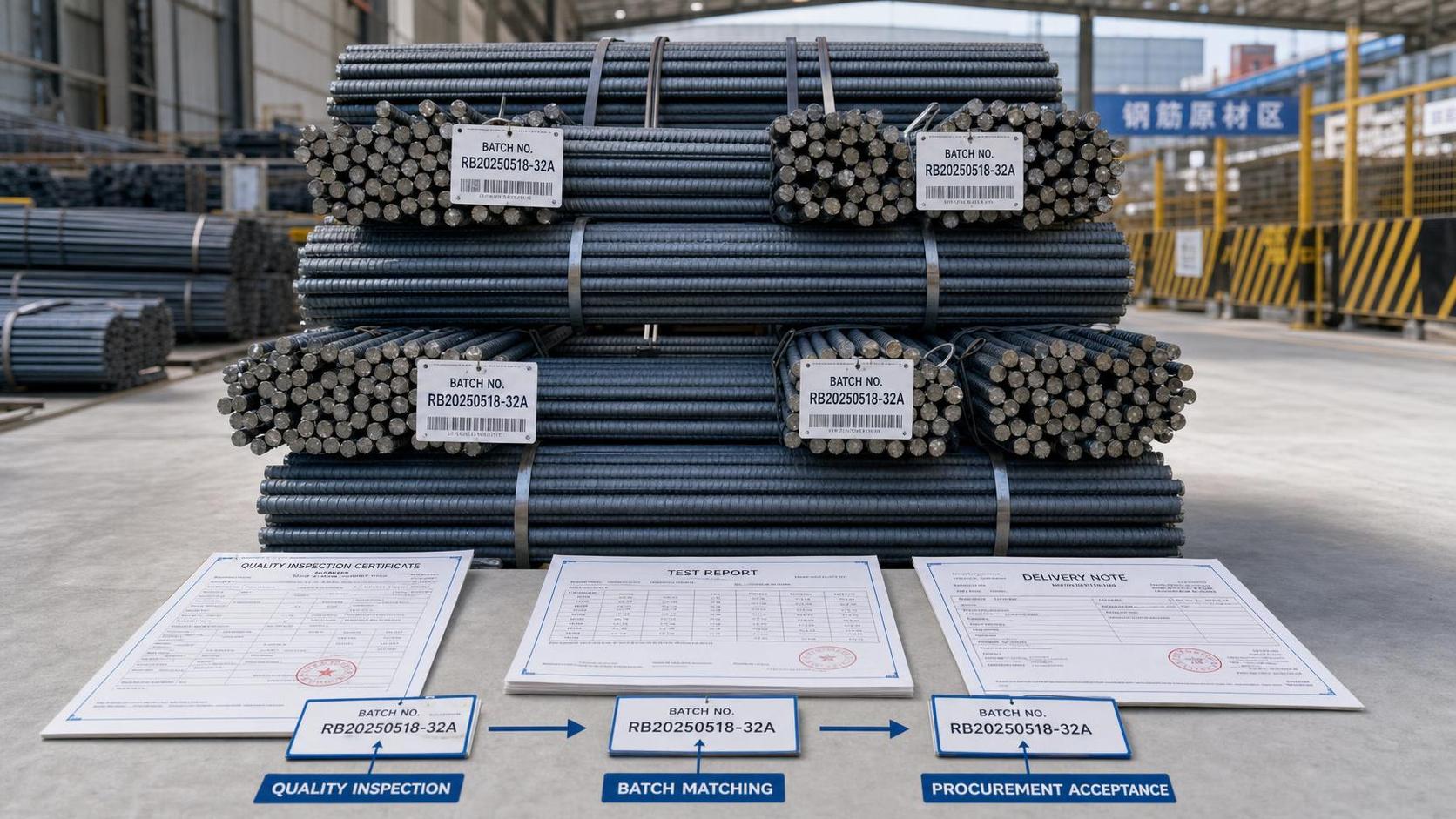
- Traceability needs from mill heat to finished component.
- Welding consumables, procedure qualifications, and any post-weld heat-treatment constraints.
- A technically reviewed fallback option if the primary material is delayed.
This level of preparation reduces the chance that procurement receives an urgent request with insufficient engineering context. It also gives suppliers a clearer basis for confirming whether they can meet the order rather than merely quoting a familiar alloy designation.
Documentation is part of the material, not an administrative afterthought
For industrial infrastructure, a heat-resistant steel component is only as defensible as its records. Material certificates, identification controls, inspection reports, welding documentation, and conformity evidence need to survive the handover from mill to stockholder, fabricator, EPC contractor, and asset owner. Missing documentation can stop a component from being accepted even when the chemistry is likely correct.
This is particularly relevant where projects must demonstrate compliance with customer specifications or recognized standards. References to CE, UL, ISO, ASME, EN, or ASTM requirements should never be treated as generic labels. Their relevance depends on the equipment, jurisdiction, product scope, and contractual requirements. Procurement should confirm which documents are needed for the specific assembly rather than requesting broad certificates that do not address the actual acceptance criteria.
Independent verification may be appropriate when the consequence of failure is high or when supply is routed through multiple intermediaries. Positive material identification, review of mill certificates, dimensional verification, and targeted inspection can help manage uncertainty, but the inspection plan should match the component’s duty. Testing without a clear acceptance basis can add cost without resolving the underlying engineering question.
What decision-makers should watch next
The most relevant market signals are often operational rather than headline price movements. Watch for repeated quote exclusions, reluctance to commit to delivery dates, limited availability in specific thicknesses or diameters, changes in minimum order quantities, and requests to relax documentation or testing requirements. These are early indicators that a supply plan may need adjustment.
It is also worth monitoring where material choice is being driven by design assumptions that have not been revisited. If a high-temperature system is expected to run hotter, cycle more frequently, process a different feedstock, or remain in service longer than originally planned, the procurement specification may no longer reflect the real duty. This is a technical issue before it becomes a sourcing issue.
Global Industrial Core approaches these questions from the point where mechanical components, metallurgy, safety requirements, measurement practice, and industrial operating conditions meet. For EPC teams and facility operators, useful sourcing intelligence is not a list of suppliers or a generic price forecast. It is a structured view of material suitability, documentation integrity, inspection needs, and delivery exposure across the equipment lifecycle.
The heat resisting steel market will remain sensitive to alloy inputs, specialized production capacity, and rising expectations for dependable high-temperature service. Fabricators that treat availability as an engineering variable—not just a purchasing problem—will be better positioned to protect schedules and avoid rushed substitutions. Before committing a critical order, confirm the operating environment, applicable standard, delivery condition, traceability route, and realistic fallback path. Those details determine whether material is merely delivered or genuinely fit for installation.
Technical Specifications
- Air Handling Unit Supplier Checklist: Performance Data, Lead Times, and SupportAuthor :Environmental Engineering Director
- Buying Fiberglass Water Tanks Wholesale: Compare Quotes and Delivery CostsAuthor :Environmental Engineering Director
- Choosing an XLPE Power Cable Supplier: Test Reports, Traceability, and Lead TimesAuthor :Grid Infrastructure Analyst
Expert Insights

Chief Security Architect
Dr. Thorne specializes in the intersection of structural engineering and digital resilience. He has advised three G7 governments on industrial infrastructure security.
Related Analysis
- Oct 19, 2026Air Handling Unit Supplier Checklist: Performance Data, Lead Times, and SupportAuthor :Environmental Engineering Director
- Oct 18, 2026Buying Fiberglass Water Tanks Wholesale: Compare Quotes and Delivery CostsAuthor :Environmental Engineering Director
- Oct 17, 2026Choosing an XLPE Power Cable Supplier: Test Reports, Traceability, and Lead TimesAuthor :Grid Infrastructure Analyst
Core Sector // 01
Security & Safety
- Cold-Formed Steel Market: Price, Capacity, and Lead-Time Signals for BuildersAuthor :

- Heat-Resisting Steel Market Trends: Availability Risks for High-Temperature FabricatorsAuthor :

- Sintered Steel Market: Demand Drivers and Supply Risks for Component SourcingAuthor :

- Structural Steel Market Outlook: What Project Buyers Should Track in 2026Author :

- EU Nickel Supply Chain Compliance: Due Diligence Steps for Industrial BuyersAuthor :

- Comparing Stock vs Custom Galvanized Square Tube for Stable Project DeliveryAuthor :

- How Rebar Traceability Is Shaping Procurement and QA ExpectationsAuthor :

- Galvalume Coil Applications: How Buyers Match Coated Steel to Real ProjectsAuthor :