Galvalume Coil Applications: How Buyers Match Coated Steel to Real Projects
Author
Date Published
Reading Time
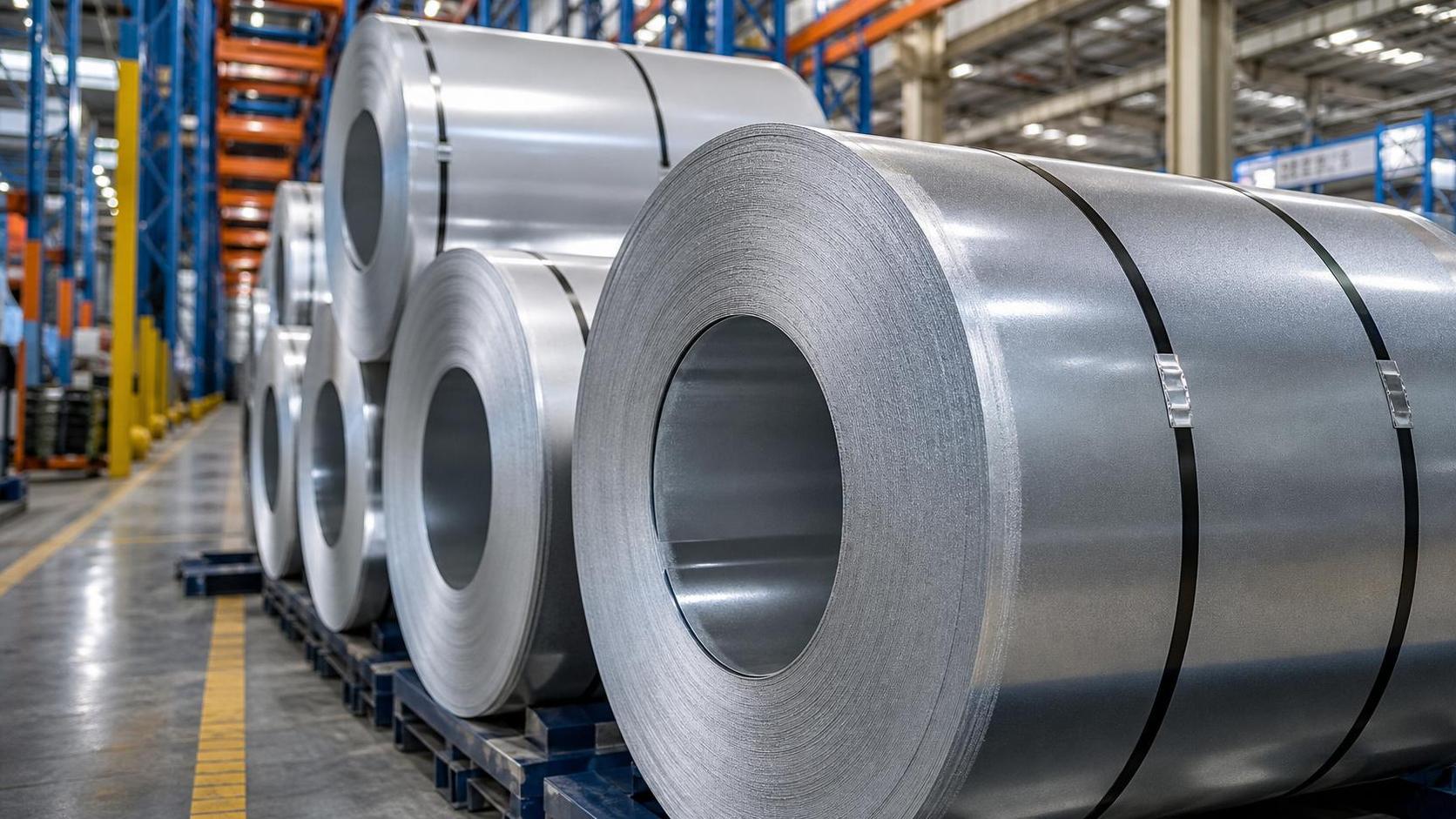
For roofing manufacturers, building envelope suppliers, light fabrication workshops, and export distributors, galvalume coil is often selected when buyers want a coated flat steel material that can support corrosion resistance, heat reflection, forming efficiency, and visible surface stability in one sourcing plan.
The application decision is not only about choosing a coated coil from a product list. Buyers need to connect the material with roof pitch, panel profile, local climate, storage conditions, forming equipment, cutting method, packaging route, and project expectations. A coil that works well for a dry indoor panel may not be the right choice for an exposed roofing sheet. A material that arrives in good condition at the port may still create losses if it is stored incorrectly before roll forming. This is why application matching matters.
Galvalume is commonly discussed as an aluminum-zinc coated steel product. In practical procurement, the value of the material depends on whether the coating, substrate, surface finish, thickness, width, and packaging match the buyer's downstream process. When these details are defined clearly, it can become a dependable option for building materials, prefabricated structures, agricultural buildings, industrial sheds, and general metal processing.
Why Application Matching Matters More Than a Generic Coil Quote
Many coated steel orders begin with a simple request for thickness, width, and tonnage. That is not enough for a reliable application plan. A roofing sheet producer may need a coil that runs consistently through corrugating equipment. A wall panel manufacturer may focus on surface appearance, profile accuracy, and scratch control. A distributor may want a specification that can serve different customers without creating excessive inventory risk. Each use case changes the right balance between coating, substrate, hardness, and packaging.
Application matching also reduces commercial disputes. If the buyer and supplier discuss only price, important details may be left uncertain: whether the coil will be cut into narrow strips, whether it will be stored near humidity, whether the finished panel will be installed outdoors, whether a customer expects a bright metallic surface, and whether the coil package must handle a long sea route plus inland transport. Clear application information allows the supplier to recommend a more suitable product configuration.
In export procurement, the buyer should treat the order as a chain of decisions rather than a single purchase. The coil must survive production, packing, shipping, unloading, warehouse handling, processing, installation, and end use. If one link is ignored, the material may not deliver the expected value even when the base specification looks acceptable on paper.
Common Project Uses for Galvalume-Coated Steel
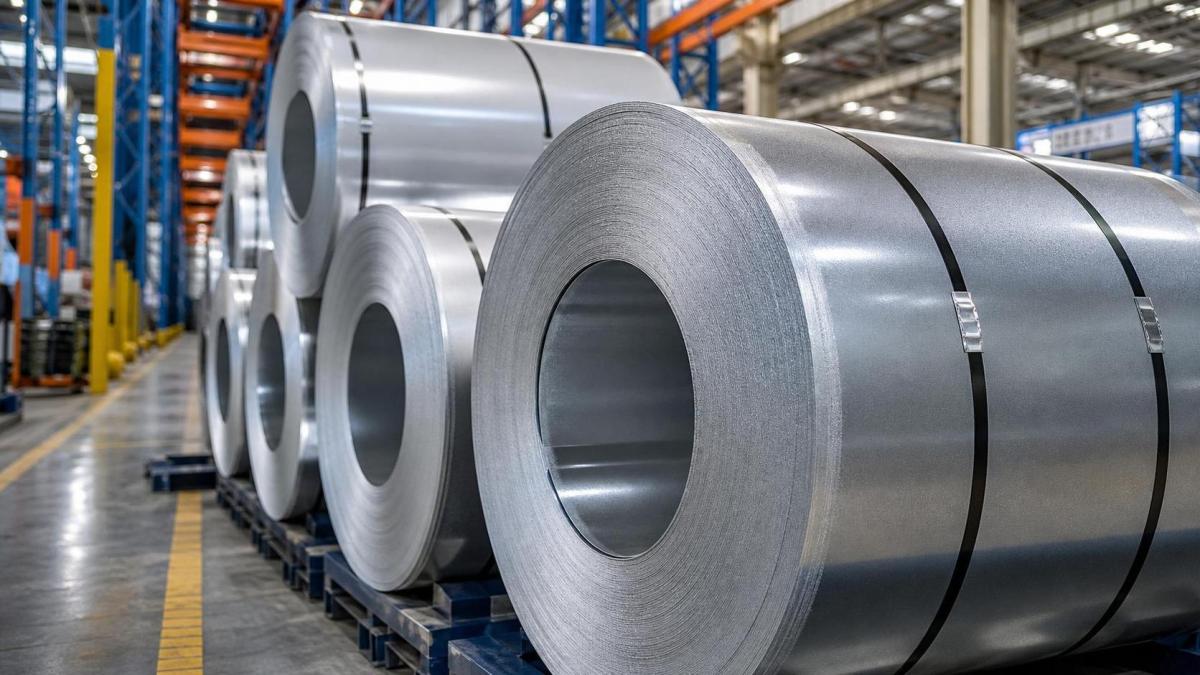
One of the most common uses is roofing sheet production. Galvalume-coated coil is often considered for roof panels, corrugated sheets, standing seam panels, and related building envelope products. In this application, buyers usually care about forming behavior, surface appearance, corrosion protection, and storage discipline before installation. Roof sheets are highly visible, so the surface condition and consistency of the finished panel matter to both contractors and property owners.
Another important use is wall cladding and building panels. Industrial buildings, warehouses, agricultural facilities, and prefabricated structures often require metal panels that balance appearance with practical durability. For panel manufacturers, stable coil width, predictable forming response, and consistent surface quality can help reduce rejects during production. For project buyers, batch consistency matters when panels from different shipments must be installed on the same building.
Light fabrication is also a relevant area. Workshops may use coated flat steel for ducts, enclosures, covers, cabinets, partition components, and non-structural parts. In these cases, buyers should consider cutting quality, bending behavior, edge exposure, and handling marks. The material may not face the same outdoor stress as roofing, but production efficiency and surface protection still matter.
Application Planning Table for Buyers
Roofing and Building Envelope Considerations
Roofing applications require a practical balance between formability, surface condition, and protection. The coil may be corrugated, roll formed, cut, stacked, transported to a jobsite, and installed by different teams. Scratches, moisture marks, inconsistent surface appearance, or poor forming behavior can lead to customer complaints. A buyer should therefore define not only the coil size but also the production process and installation environment.
For roofing sheet production, coil hardness and thickness must suit the profiling equipment. If the material is too difficult to form, the line may slow down or the panel may fail to meet shape expectations. If the material is too soft for the intended use, the finished sheets may be more vulnerable to handling dents. The correct balance depends on local market expectations, panel design, and installation practice.
Storage deserves attention as well. Coated steel can be affected by moisture, condensation, and poor ventilation if it is kept in unsuitable conditions. Buyers should plan how long coils may remain in port, warehouse, or jobsite storage before processing. Good packaging helps, but packaging is not a substitute for careful handling and timely use.
How Galvalume Coil Fits Fabrication Workflows
For fabrication workshops, the main question is whether the coil supports efficient processing with fewer avoidable defects. Cutting, slitting, bending, punching, and forming can expose edges or create marks if material and equipment are not aligned. Buyers should discuss whether the coil will be processed into narrow strips, flat sheets, roof profiles, small components, or larger panels. Each route creates different quality risks.
Edge condition can become important when parts are exposed or handled frequently. Although coated steel provides surface protection, cut edges may need attention depending on the application and environment. Buyers producing visible components should also ask about surface appearance, packaging protection, and the likelihood of handling marks during transport and processing.
Production teams can support procurement by sharing line feedback. If previous coils caused wave issues, scratches, shape instability, or abnormal tool wear, those details should be communicated in the next inquiry. A supplier can make a better recommendation when the buyer describes the actual production problem rather than only requesting the same size at a lower price.
Export Procurement and Supplier Communication
International buyers should build the order around clear communication. A complete inquiry can include thickness, width, coil weight, surface requirement, application, processing method, destination port, packaging expectation, and document needs. This information helps the supplier understand whether the order is for roofing, cladding, fabrication, or resale. It also reduces the risk of mismatched assumptions.
Before shipment, buyers can request packing photos, coil labels, specification confirmation, and basic document review. These steps are not meant to make procurement slow. They help identify mistakes before cargo leaves the supplier. For repeat purchases, the buyer should also keep records of accepted specifications, customer feedback, and production performance. Over time, this creates a more stable sourcing system.
Portal readers who manage steel purchasing should remember that coated coil sourcing is often judged by what happens after delivery. If the coil processes smoothly, protects customer appearance expectations, and reduces claims, the purchase is successful. If it produces rework, disputes, or storage losses, a low quoted price does not protect the buyer's margin.
Pre-Order Checklist for Application-Based Buying
- Define whether the coil will be used for roofing, cladding, fabrication, resale, or project stock.
- Confirm thickness, width, coil weight, inner diameter, and tolerance expectations.
- Explain the downstream process, including roll forming, corrugating, cutting, bending, or slitting.
- Discuss surface appearance expectations and whether visible panel consistency is important.
- Review climate, storage time, and warehouse handling before choosing packing requirements.
- Ask for coil labels, packing photos, and document confirmation before shipment.
- Use trial orders or sample checks when entering a new application or customer segment.
- Record production feedback so future orders can be adjusted with better evidence.
FAQ
What is galvalume coil commonly used for?
It is commonly considered for roofing sheets, wall panels, prefabricated building components, industrial sheds, light fabrication parts, and distributor stock where coated flat steel is required. The exact fit depends on specification, processing method, and exposure environment.
Is it enough to compare only thickness and price?
No. Thickness and price are important, but buyers should also review coating, surface condition, mechanical properties, coil width, packaging, processing route, storage, and end-use requirements. A narrow price comparison can miss important application risks.
Why does packaging matter for coated coil?
Export coil may pass through several handling stages before processing. Strong packaging, clear labels, moisture protection, and careful storage reduce the chance of surface marks, water-related issues, and receiving disputes.
When should buyers request a trial order?
A trial order is useful when the buyer is testing a new panel profile, entering a new market, changing suppliers, or serving customers with strict appearance requirements. It helps verify processing behavior before a larger purchase.
Final Application View
Galvalume-coated steel is best selected through an application-first process. Buyers should define where the material will be used, how it will be processed, how it will be stored, and what the end customer will inspect. When those conditions are clear, the procurement team can compare suppliers more accurately and reduce the risk of disputes after shipment. For roofing, cladding, prefabricated structures, and light fabrication, this approach turns a coated coil purchase into a more controlled project material decision.
Editorial Review Note
This article is buyer-facing guidance for steel and building-material procurement teams. It avoids fabricated prices, unsupported statistics, invented project cases, and exaggerated performance claims.
Technical Specifications
- How to Select Electronic Hotel Key Card Locks for Guest Rooms and Staff AreasAuthor :Safety Compliance Lead
- How to Select Lab Instruments for Reliable Chemical Analysis WorkflowsAuthor :Precision Metrology Expert
- How to Size a UPS for Server Rooms: Load, Runtime, and Redundancy FactorsAuthor :Grid Infrastructure Analyst
Expert Insights

Chief Security Architect
Dr. Thorne specializes in the intersection of structural engineering and digital resilience. He has advised three G7 governments on industrial infrastructure security.
Related Analysis
- Sep 17, 2026How to Select Electronic Hotel Key Card Locks for Guest Rooms and Staff AreasAuthor :Safety Compliance Lead
- Sep 16, 2026How to Select Lab Instruments for Reliable Chemical Analysis WorkflowsAuthor :Precision Metrology Expert
- Sep 15, 2026How to Size a UPS for Server Rooms: Load, Runtime, and Redundancy FactorsAuthor :Grid Infrastructure Analyst
Core Sector // 01
Security & Safety
- Cold-Formed Steel Market: Price, Capacity, and Lead-Time Signals for BuildersAuthor :

- Heat-Resisting Steel Market Trends: Availability Risks for High-Temperature FabricatorsAuthor :

- Sintered Steel Market: Demand Drivers and Supply Risks for Component SourcingAuthor :

- Structural Steel Market Outlook: What Project Buyers Should Track in 2026Author :

- EU Nickel Supply Chain Compliance: Due Diligence Steps for Industrial BuyersAuthor :

- Comparing Stock vs Custom Galvanized Square Tube for Stable Project DeliveryAuthor :

- How Rebar Traceability Is Shaping Procurement and QA ExpectationsAuthor :

- Galvalume Coil Applications: How Buyers Match Coated Steel to Real ProjectsAuthor :