SMU: Tight Supply Pushes North American Steel Prices Higher
Author
Date Published
Reading Time
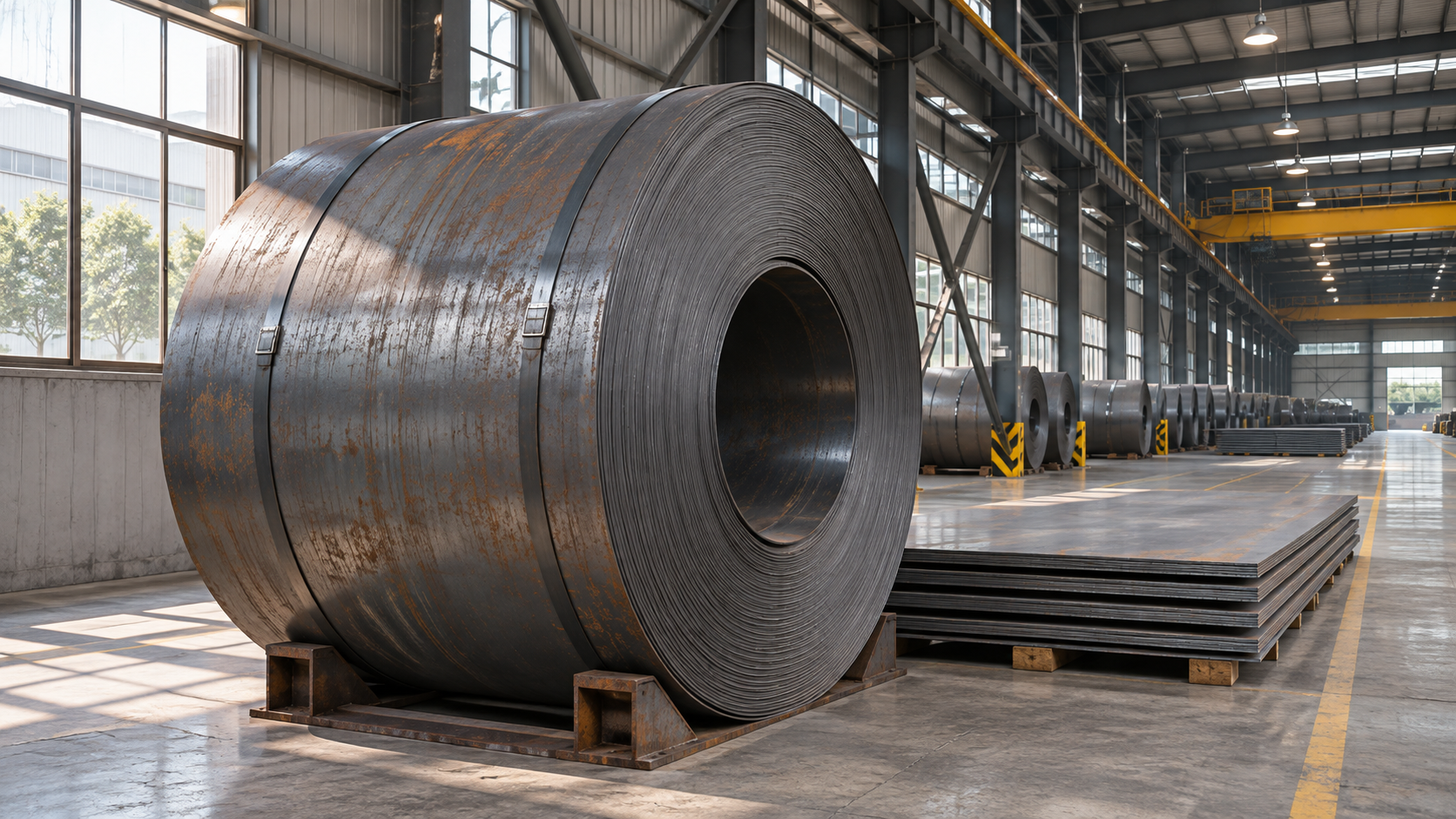
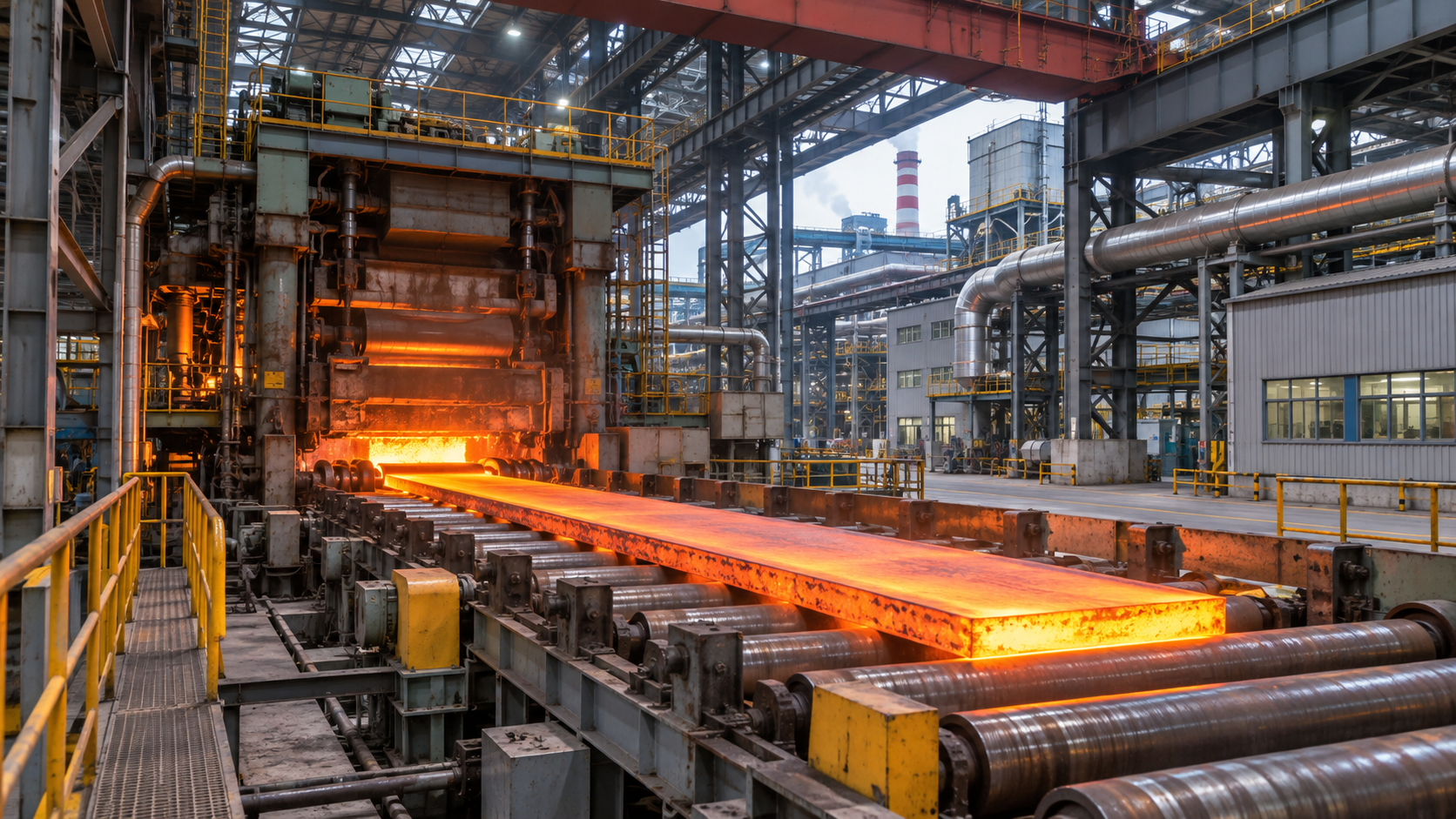
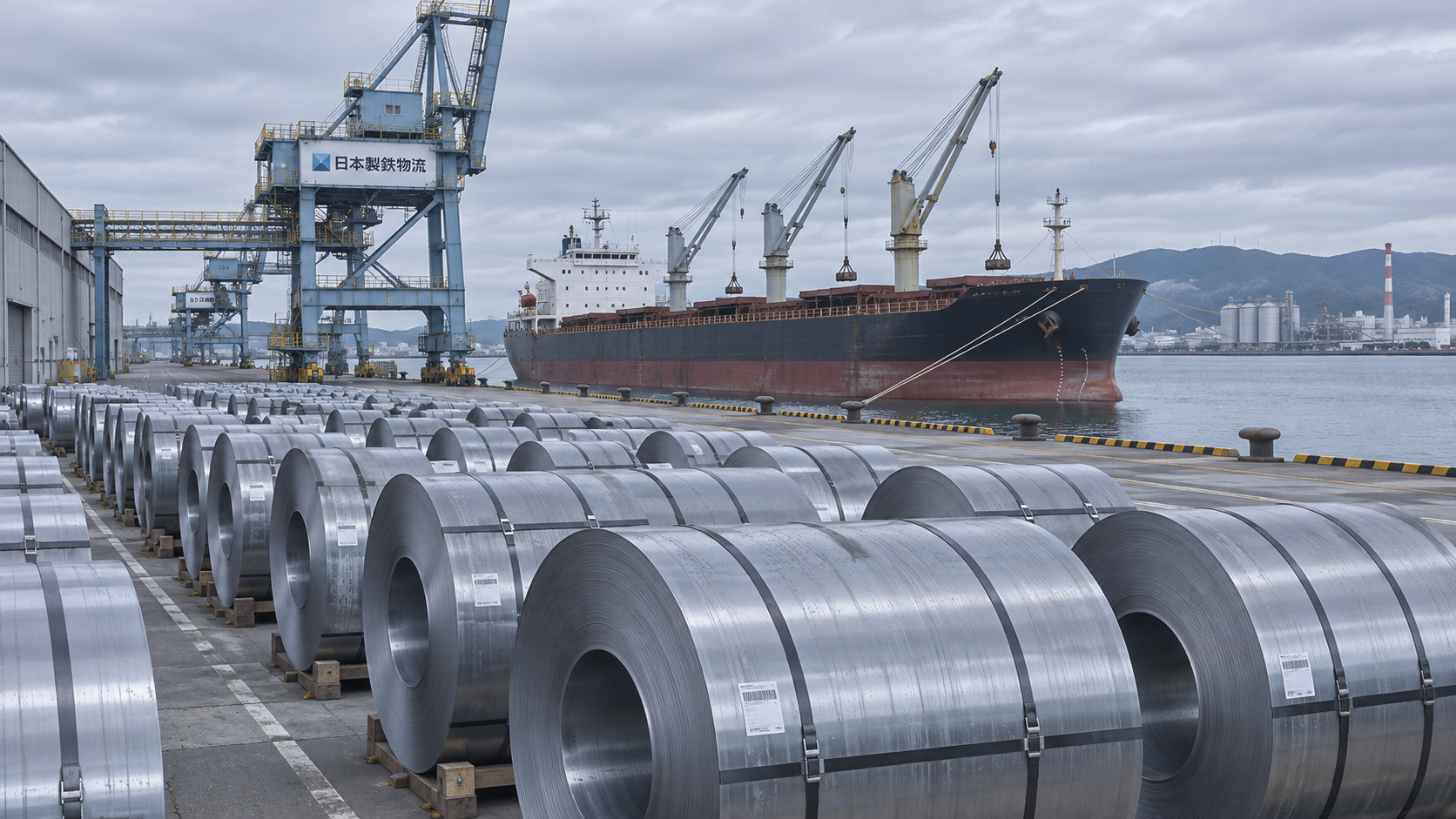
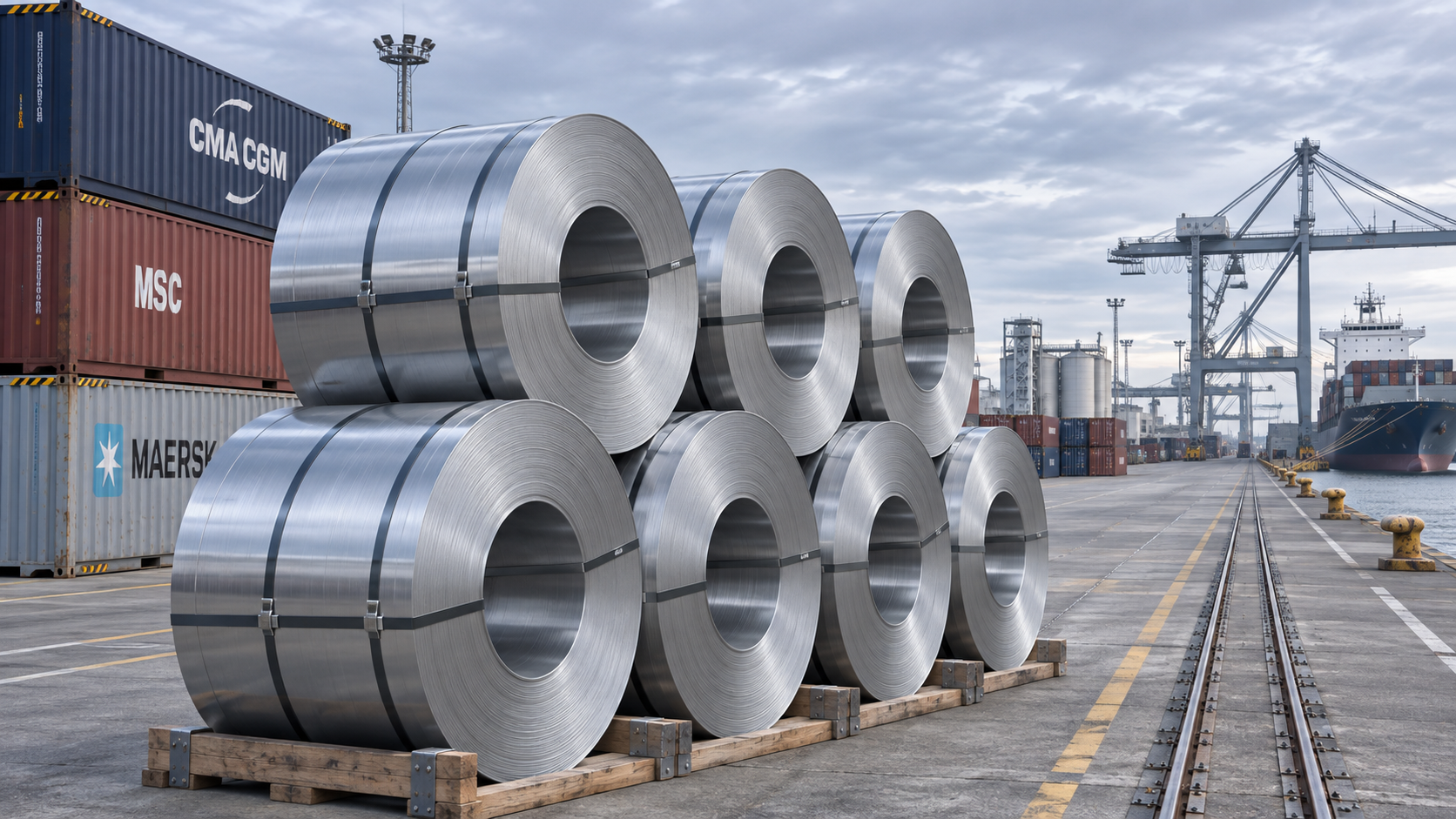
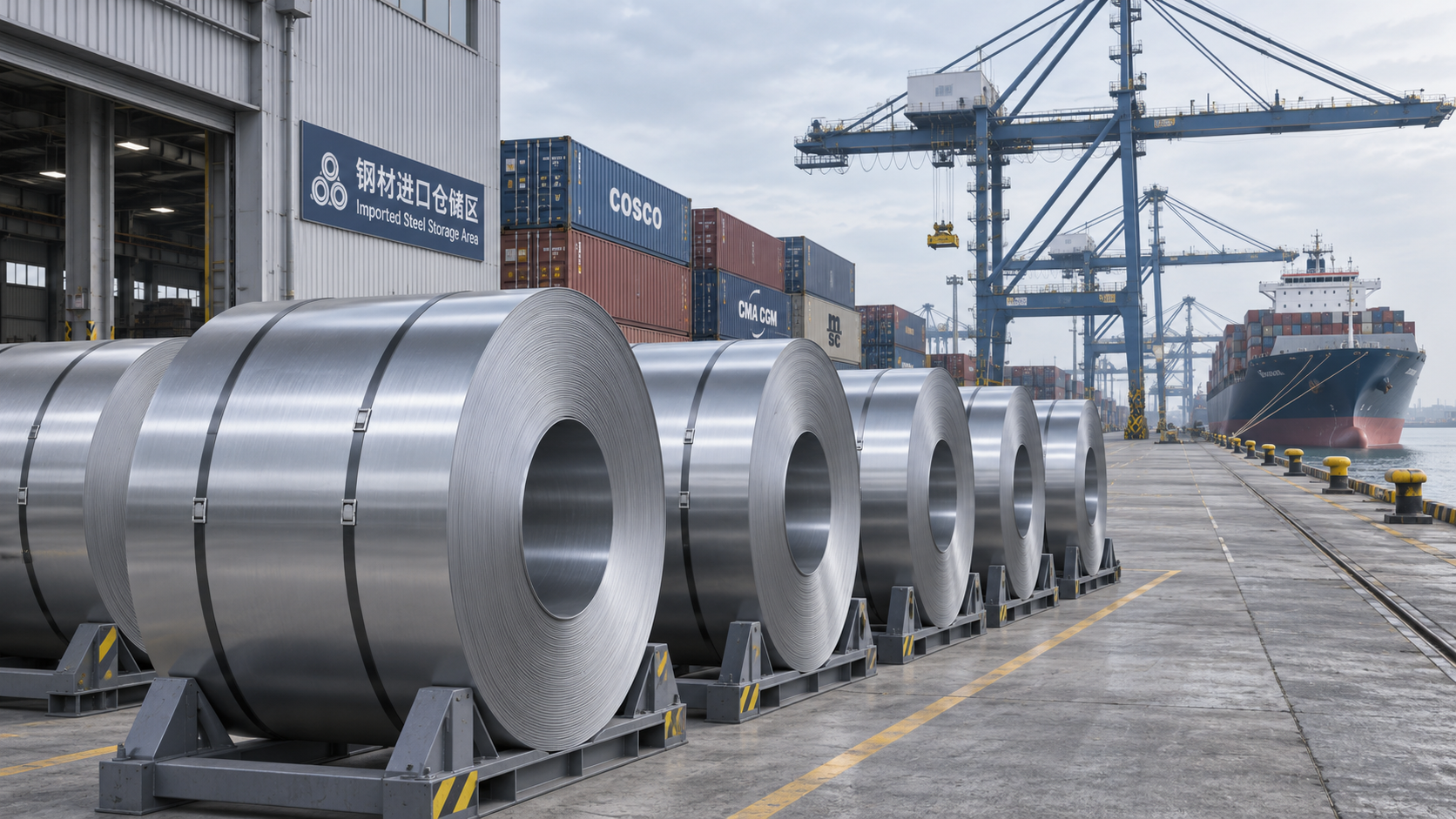
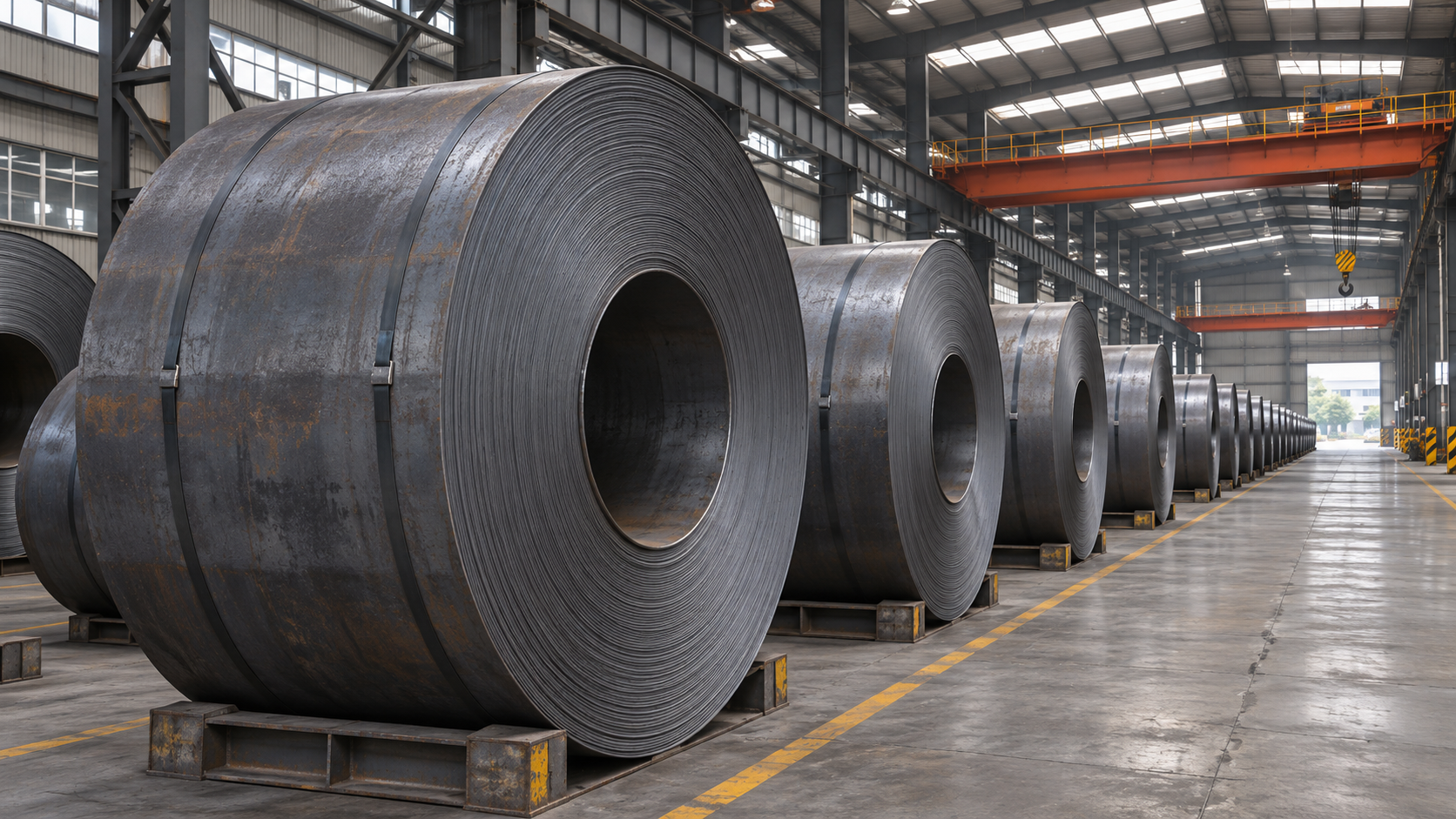
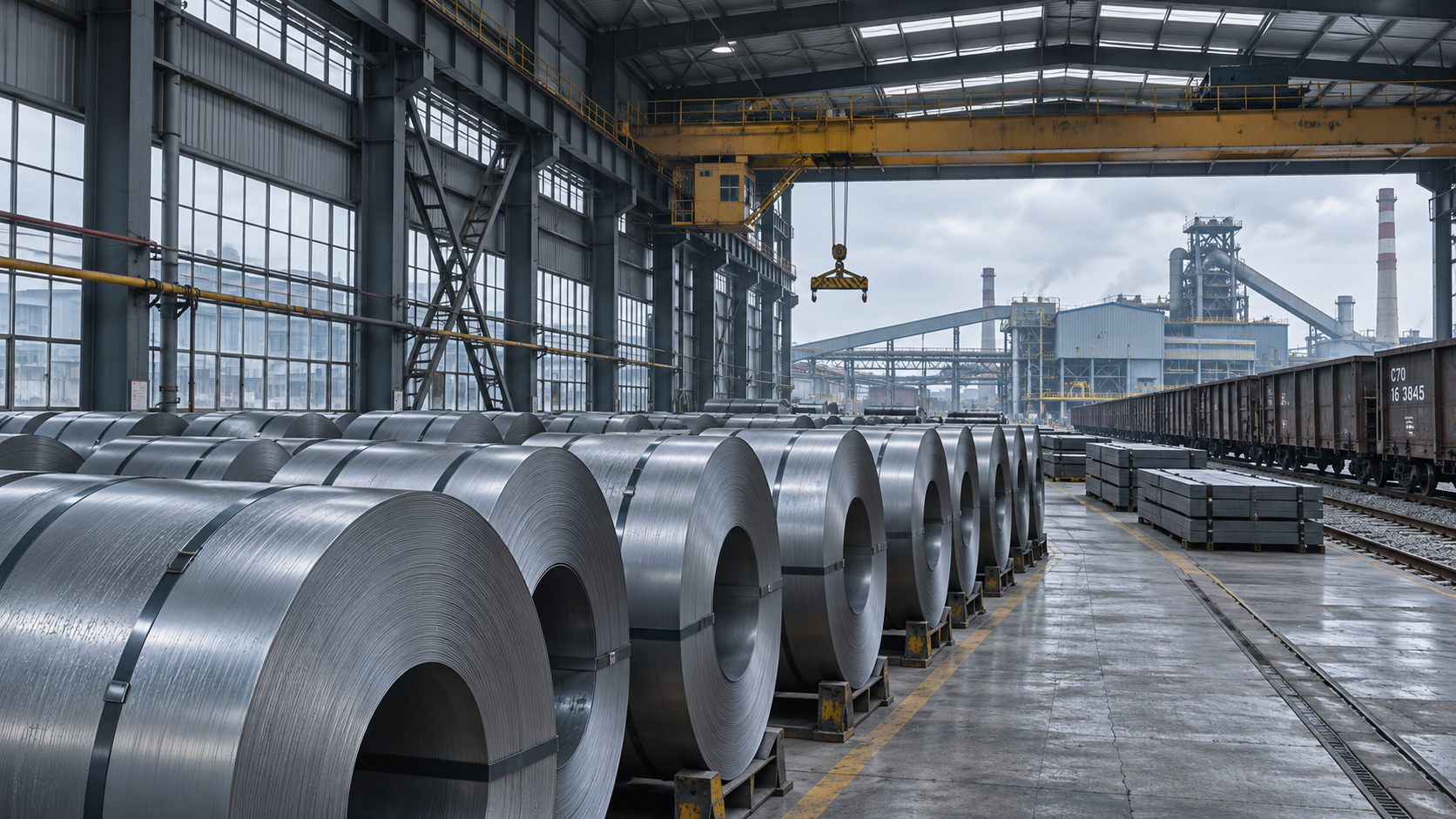
North American hot-rolled coil prices rose as tight supply continued to shape the steel market, according to data released by Steel Market Update (SMU) on November 10. SMU’s average price assessment increased by $25 to $1,375 per short ton, while coil and plate prices continued to climb.
Availability is also becoming more difficult for certain plate sizes and 72-inch-wide coil. SMU reported no sign of a year-end slowdown in demand, suggesting that buyers seeking specific products may continue to face a tight market as the end of the year approaches.
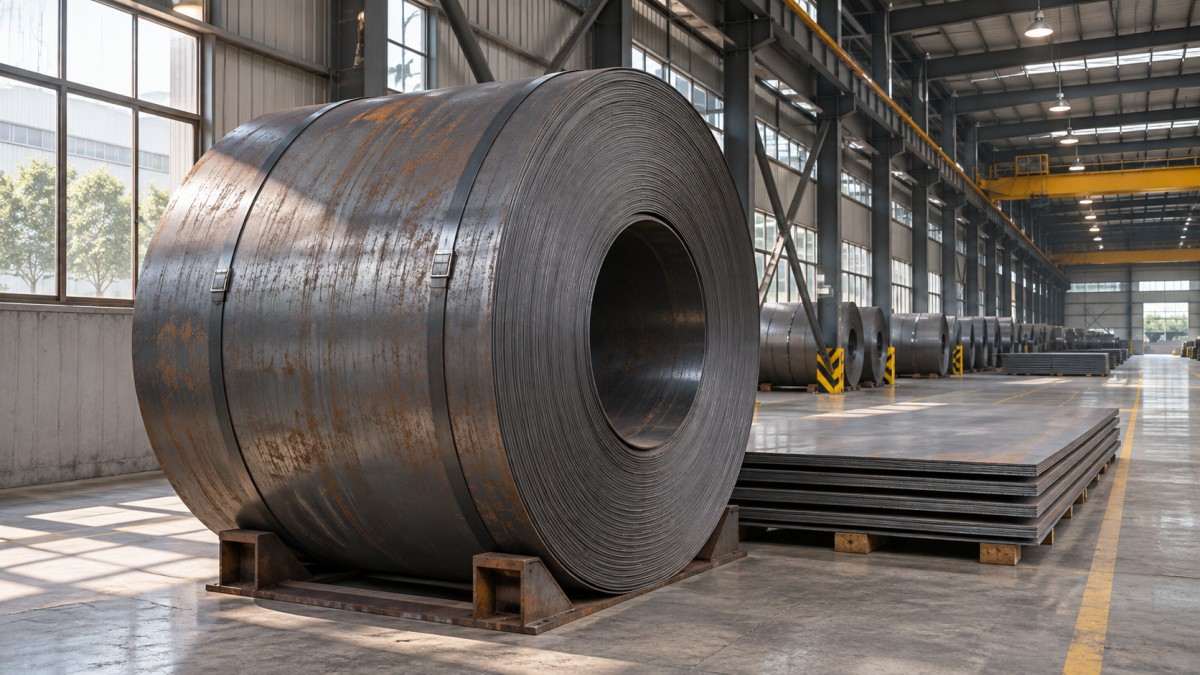
Availability adds to the price pressure
The rise in the hot-rolled coil assessment provides a broad measure of the current price movement, but the difficulty obtaining particular sizes points to a separate purchasing concern. Buyers do not necessarily have the same flexibility to substitute one steel product or dimension for another. Where a required size is harder to obtain, a buyer may need to weigh availability alongside the assessed market price.
The reported increase of $25 per short ton represents the change in SMU’s average assessment. It does not establish the price paid for every order, nor does it show how much the harder-to-source sizes may cost relative to other products. The distinction matters for companies budgeting purchases: a market average can indicate direction, while the terms available for a specific requirement may differ.
For purchasers of plate and wide coil, the immediate questions are therefore both commercial and practical: whether the required dimensions can be secured and what price and delivery terms are available. If supply remains tight, those considerations could affect purchasing schedules and the cost of fulfilling downstream orders. The extent of any impact will depend on each buyer’s specifications and supply arrangements.
Year-end demand is a key variable
The absence of a reported year-end demand slowdown matters because easing demand could otherwise reduce pressure on limited availability. If demand holds up while supply remains constrained, competition for available material could continue to support prices. A change in either condition, however, could alter that relationship.
The current assessment does not establish how long the price increases will last or whether availability will become more restrictive. Subsequent price assessments, together with changes in the availability of the affected plate sizes and 72-inch-wide coil, will be useful indicators of whether the pressure persists.
Expert Insights

Chief Security Architect
Dr. Thorne specializes in the intersection of structural engineering and digital resilience. He has advised three G7 governments on industrial infrastructure security.
Related Analysis
- Nov 22, 2026McKinsey: India Needs Up to $400 Billion to Meet Steel Capacity Growth GoalAuthor :
- Nov 22, 2026Choosing Geotextile Fabric for Landfill Drainage and Liner ProtectionAuthor :Environmental Engineering Director
- Nov 21, 2026Japan's Steel Exports Could Fall to Lowest Level Since 1999 in 2026Author :
Core Sector // 01
Security & Safety
- McKinsey: India Needs Up to $400 Billion to Meet Steel Capacity Growth GoalAuthor :

- Japan's Steel Exports Could Fall to Lowest Level Since 1999 in 2026Author :

- EU Imposes Anti-Dumping Duties of Up to 27.9% on Cold-Rolled SteelAuthor :

- EU Imposes Anti-Dumping Duties on Cold-Rolled Steel From Five OriginsAuthor :

- US HRC Holds at $1,040 as Raw Material Costs and Section 232 Shift TradeAuthor :

- European Steel Industry Faces Rising Costs and Weak DemandAuthor :

- China Steel Market Softens as Tangshan Billet Price Falls to 2,860 YuanAuthor :

- SMU: Tight Supply Pushes North American Steel Prices HigherAuthor :