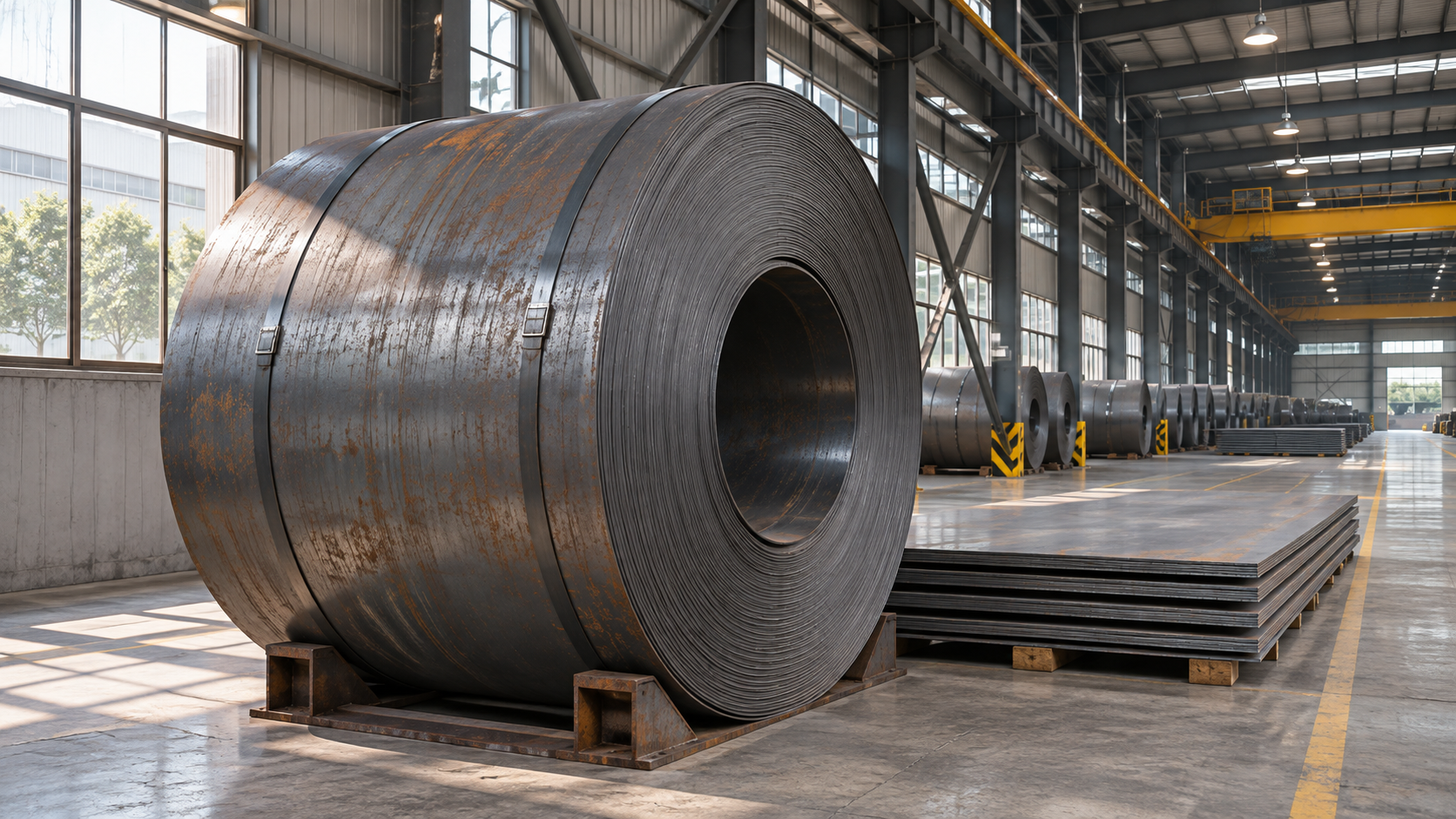
China Steel Exports Fall 2.3% in January–October; October Volume Drops 6.1% on Month
Author
Date Published
Reading Time
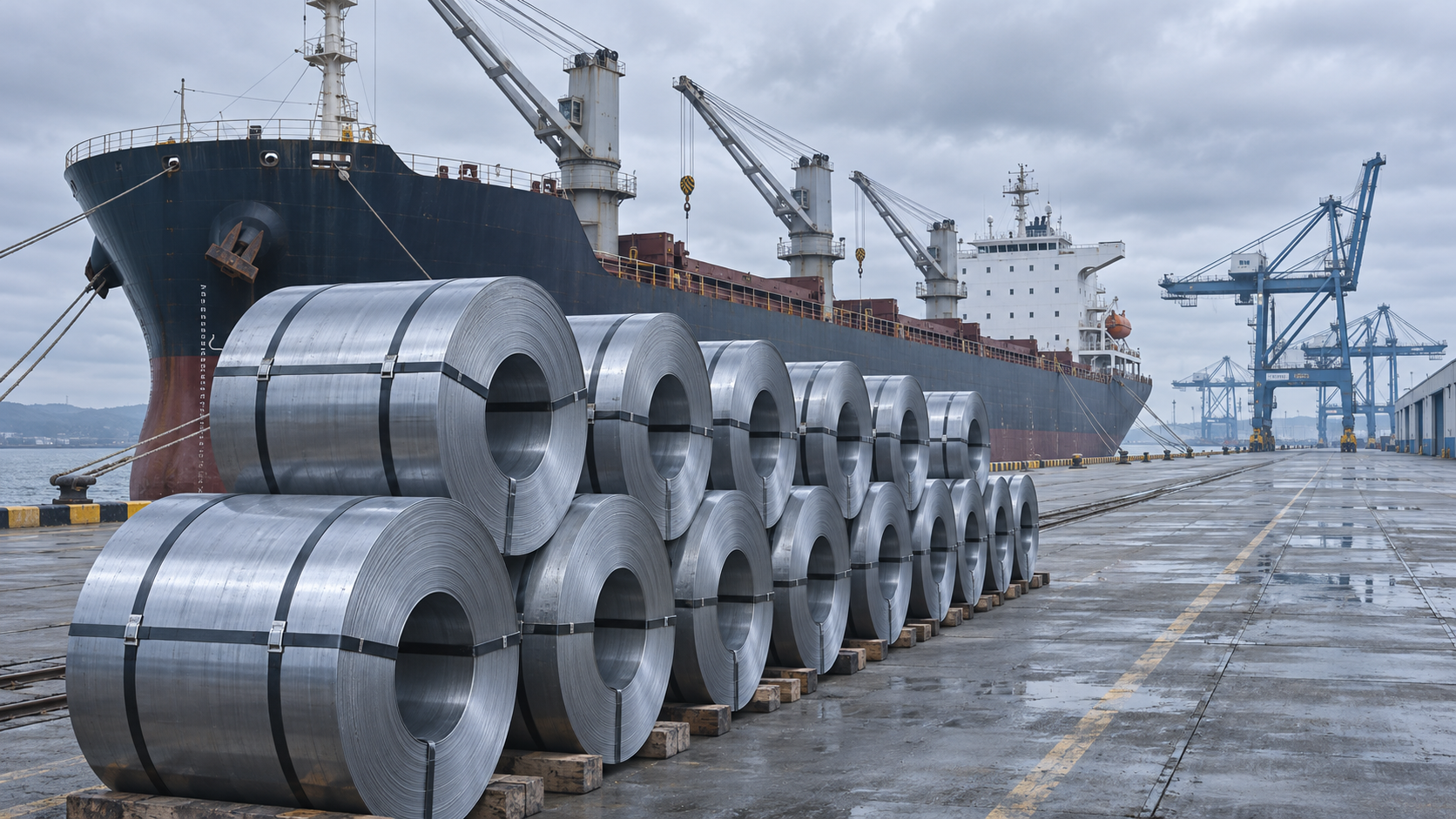
China’s steel exports declined year on year in the first ten months of 2026, while October shipments of finished steel fell from the previous month, according to figures reported by SteelOrbis. The report links the recent monthly decline to a new Chinese export licensing policy in effect since January 2026. For exporters, traders and buyers, the figures make it important to examine how licensing may affect shipment planning and what further evidence is needed to assess the policy’s effect on trade.
October shipments fall as the licensing policy remains in effect
SteelOrbis data show that China’s steel exports in January–October 2026 were down 2.3% compared with the same period a year earlier. In October, finished steel exports totaled 9.854 million tonnes, a decrease of 6.1% from September and an increase of 0.74% from October 2025.
The report states that China’s new export licensing policy took effect in January 2026 and has had a continuing restraining effect on finished steel exports. It associates that effect with the recent month-on-month decline. The supplied information does not specify the policy’s detailed provisions or provide an official link to them.
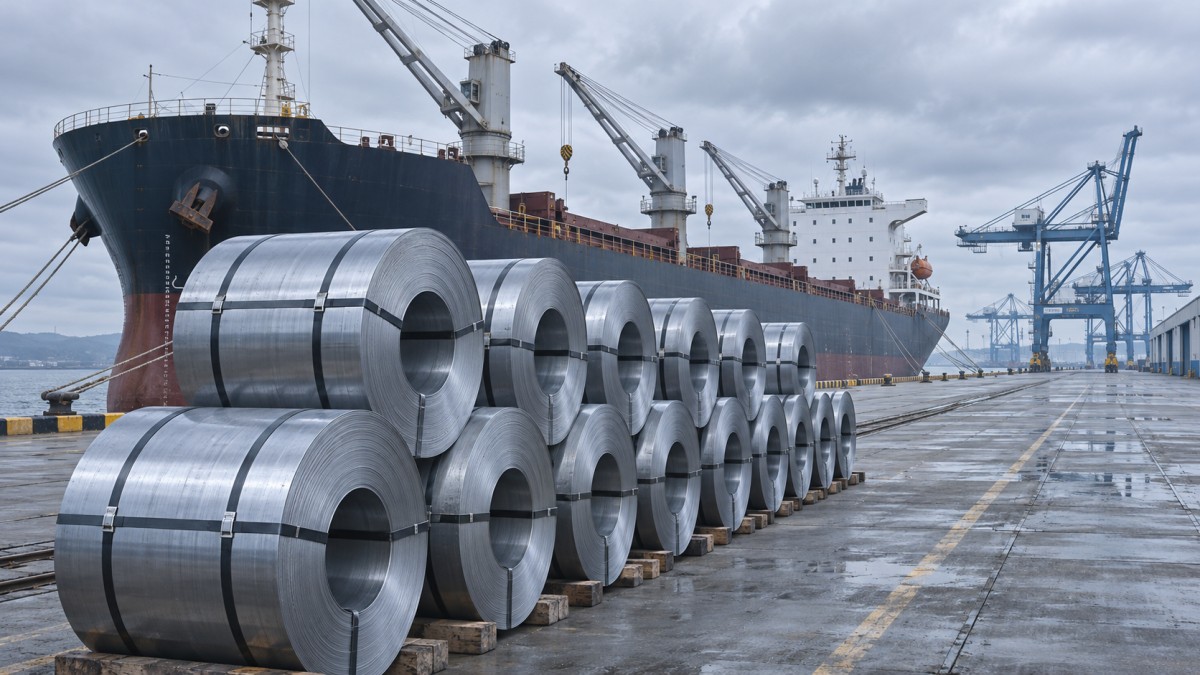
Where licensing may affect the route from order to delivery
Exporters face questions about shipment readiness
From an industry perspective, the immediate area for exporters to examine is the relationship between licensing and the steps needed to ship finished steel. A policy that applies to exports may affect how companies organize order confirmation, document preparation and dispatch planning. The information supplied does not establish which products or transactions are covered, how applications are handled, or how long any licensing process takes.
Analysis suggests that exporters may therefore benefit from checking the requirements applicable to each proposed transaction before treating a shipment date as firm. If licensing steps must be completed before a particular order can move, their place in the schedule could matter as much as production and transport planning. That is a planning consideration, not a finding that any individual shipment has been delayed.
The October data also call for care when discussing performance. The monthly decline concerns finished steel exports, whereas the January–October comparison is stated for steel exports. These measures describe different periods, and the supplied information does not provide enough detail to determine how individual exporters or product categories performed.
Traders and buyers may need clearer delivery assumptions
For trading companies, a possible effect lies in coordinating commitments made to suppliers and customers. If a transaction depends on a licence, a trader may need to understand when relevant documentation can be confirmed and whether the delivery schedule allows for that step. The report does not identify a specific documentation problem, so any exposure should be assessed against the actual transaction and applicable rules.
Buyers of finished steel may similarly wish to ask suppliers how export compliance is reflected in proposed delivery dates. A month-on-month fall in aggregate exports does not establish that a particular buyer will face a shortage or a late delivery. It does, however, provide a reason to test whether a quotation includes realistic assumptions about the steps between order placement and shipment.
Analysis suggests that the quality of communication along the chain may become especially relevant where several parties handle an order. A buyer may rely on a trader for delivery information, while the trader relies on an exporter for the status of the necessary preparations. Confirming who can provide an update, and what that update covers, may help each party assess its own schedule.
Processors and downstream purchasers may reassess timing
Companies that purchase finished steel for processing or other downstream use may be exposed indirectly if their material arrives later than planned. Whether that risk exists will depend on their contracts, suppliers, products and delivery arrangements; none of those details is established by the supplied report.
From a planning perspective, such companies may consider comparing expected arrival dates with the dates on which material is needed. Where timing is sensitive, discussions with suppliers could cover the status of export preparations and possible alternatives if a shipment date changes. The figures alone do not show that downstream production has been disrupted or that replacement material is required.
Checks that can make export plans more reliable
Confirm the applicable rules for each order
The policy is described as implemented, but the supplied information does not identify its detailed scope or procedures. Companies considering an export transaction should therefore verify the current official requirements relevant to the products and parties involved. Particular questions may include whether a licence is needed for the proposed goods and what information is needed to support the transaction.
Those questions are suggested checks, not a statement of the policy’s contents. Companies should avoid assuming that all steel products follow the same process or that a procedure used for one transaction necessarily applies to another. Any internal compliance review will be more useful if it records the source and date of the information used, so that the position can be revisited when official guidance changes.
Align documents with the shipment plan
Exporters and their trading partners may wish to review the consistency of product descriptions and transaction details across the documents used for an order. The supplied report does not list required documents, prescribe document formats or identify certification requirements. The appropriate set of records must be confirmed for the transaction rather than inferred from the aggregate export figures.
Once the applicable requirements are understood, parties can consider when the necessary information is likely to be available and who is responsible for providing it. This may help prevent uncertainty over whether a shipment is ready to proceed. Where information remains unconfirmed, it may be useful to distinguish an intended shipment date from a date supported by completed preparations.
Test delivery commitments with suppliers and customers
Businesses may also review whether their purchasing and sales schedules leave room for licensing-related steps where those steps apply. This does not mean that the policy has a known standard processing time or that all deliveries require extra time. The supplied information provides no such detail.
For orders with tight deadlines, a practical discussion could cover when the supplier expects to confirm export readiness, how changes will be communicated and what options the parties would evaluate if the schedule moves. A buyer considering an alternative supplier or product would still need to verify suitability and delivery arrangements for its own requirements. The report does not establish that substitution is necessary.
Separate company experience from the headline data
Companies can compare their own order and shipment records with the issues raised by the report, while avoiding a direct assumption that the national figures explain an individual outcome. A delayed order, for example, would need to be assessed on its own facts. Likewise, a company with stable shipments should not assume the policy has no effect on other transactions.
For internal reviews, it may be useful to record when export requirements were checked, when relevant documentation became available and whether the agreed shipment schedule changed. Such records could help businesses identify questions for suppliers or advisers. They would not, by themselves, establish the policy’s contribution to changes in total exports.
What the figures do and do not show about implementation
The report presents the licensing policy as a change already in effect from January 2026. Its assessment that the policy has continued to restrain finished steel exports is also part of the supplied report. At this stage, the figures are best read as a signal to examine implementation and trade execution, rather than as a complete measurement of the policy’s independent effect.
That distinction matters because the comparisons have different reference points. October finished steel exports were lower than in September but slightly higher than in the same month a year earlier. The cumulative January–October figure for steel exports was lower year on year. Together, these observations describe changes over different periods; they do not specify the reasons for every change or show how particular product groups performed.
Further observation could focus on official policy details, any subsequent clarification of the applicable procedures, and how businesses report their experience of preparing and executing exports. Additional trade data may help readers assess whether the October monthly decline persists, although later figures would still need to be interpreted in context. No conclusion about future volumes can be drawn from the supplied information alone.
Analysis also suggests that the commercial effect of a licensing requirement may vary between transactions. The relevant product, the timing of an order and the parties’ ability to prepare the necessary information could all matter if they are material under the applicable rules. The current report does not provide the detail needed to rank those factors or quantify their effects.
A measured approach to the export signal
The reported decline in October finished steel exports and the lower cumulative steel export figure place attention on a policy that has been in effect since January. For businesses, the most useful response is to verify the requirements that apply to their own transactions and reflect any confirmed steps in procurement and delivery planning.
The report’s attribution of a continuing restraining effect deserves attention, while its aggregate figures should not be treated as proof of a particular company’s experience. Until more detailed official information and execution feedback are available, the development is best understood as an implemented policy accompanied by a trade signal that requires continued observation.
Basis for this report and points to verify
This article is based on the supplied news title, event timing and summary, including the figures attributed to SteelOrbis. The input did not provide a specific official source link; official information and the policy’s detailed requirements therefore remain subject to verification. Relevant materials to monitor may include official announcements, information from trade or customs authorities, and industry reporting. Subsequent checks should focus on policy details, how the rules are applied in trade, and feedback from companies handling exports.
Expert Insights

Chief Security Architect
Dr. Thorne specializes in the intersection of structural engineering and digital resilience. He has advised three G7 governments on industrial infrastructure security.
Related Analysis
- Nov 22, 2026McKinsey: India Needs Up to $400 Billion to Meet Steel Capacity Growth GoalAuthor :
- Nov 22, 2026Choosing Geotextile Fabric for Landfill Drainage and Liner ProtectionAuthor :Environmental Engineering Director
- Nov 21, 2026Japan's Steel Exports Could Fall to Lowest Level Since 1999 in 2026Author :
Core Sector // 01
Security & Safety
- McKinsey: India Needs Up to $400 Billion to Meet Steel Capacity Growth GoalAuthor :

- Japan's Steel Exports Could Fall to Lowest Level Since 1999 in 2026Author :

- EU Imposes Anti-Dumping Duties of Up to 27.9% on Cold-Rolled SteelAuthor :

- EU Imposes Anti-Dumping Duties on Cold-Rolled Steel From Five OriginsAuthor :

- US HRC Holds at $1,040 as Raw Material Costs and Section 232 Shift TradeAuthor :

- European Steel Industry Faces Rising Costs and Weak DemandAuthor :

- China Steel Market Softens as Tangshan Billet Price Falls to 2,860 YuanAuthor :

- SMU: Tight Supply Pushes North American Steel Prices HigherAuthor :