China Steel Market Softens as Tangshan Billet Price Falls to 2,860 Yuan
Author
Date Published
Reading Time
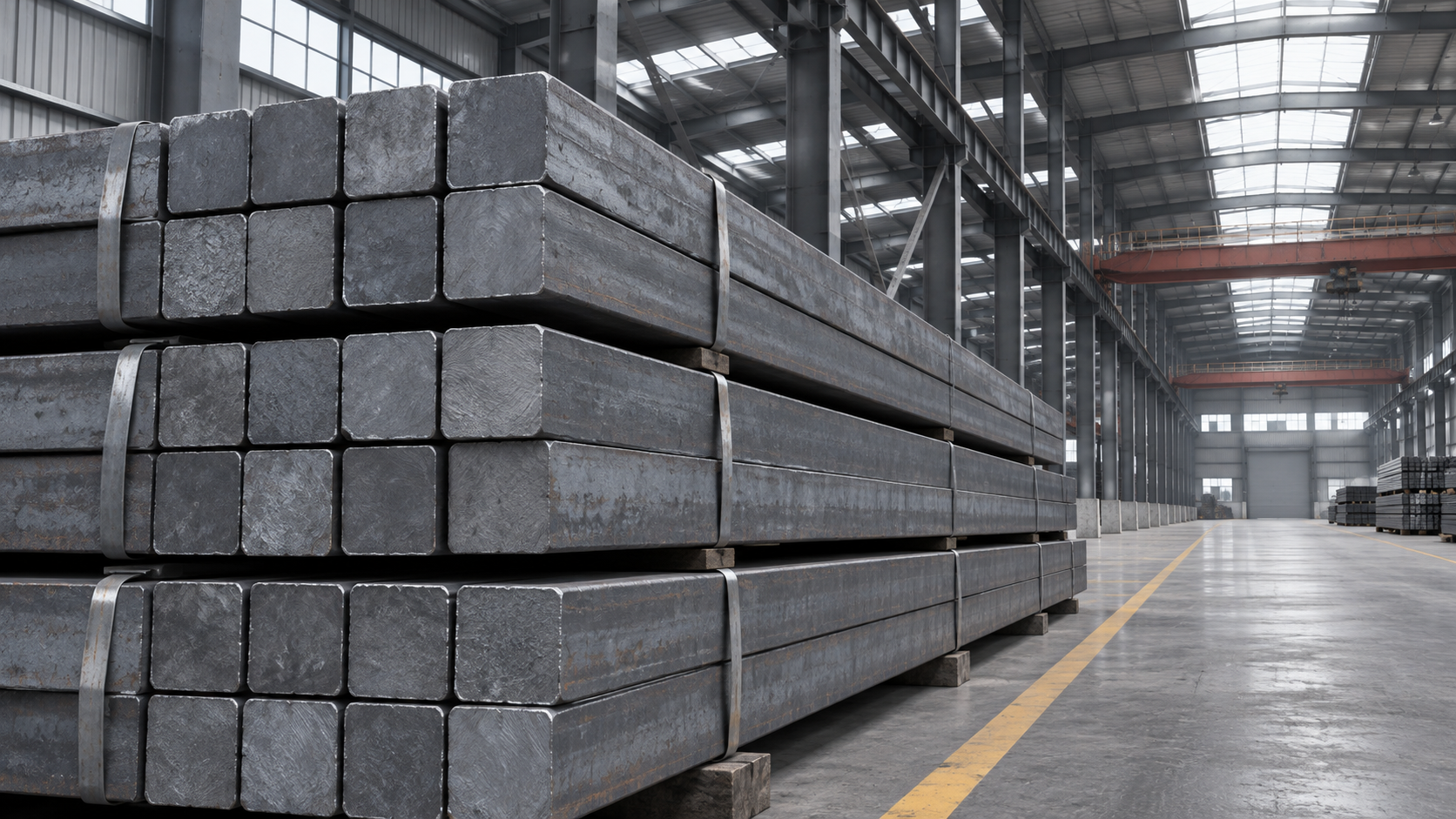
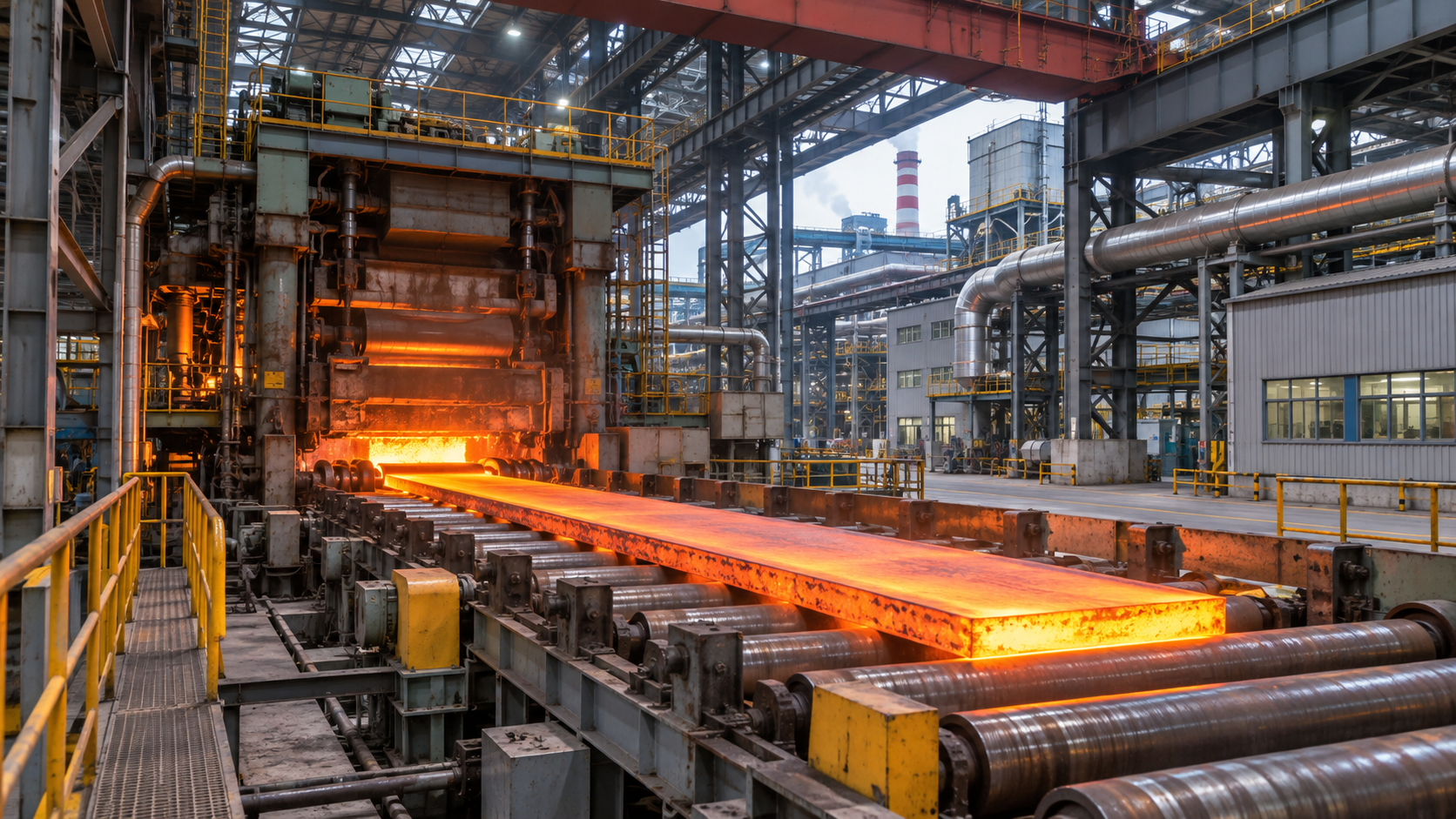
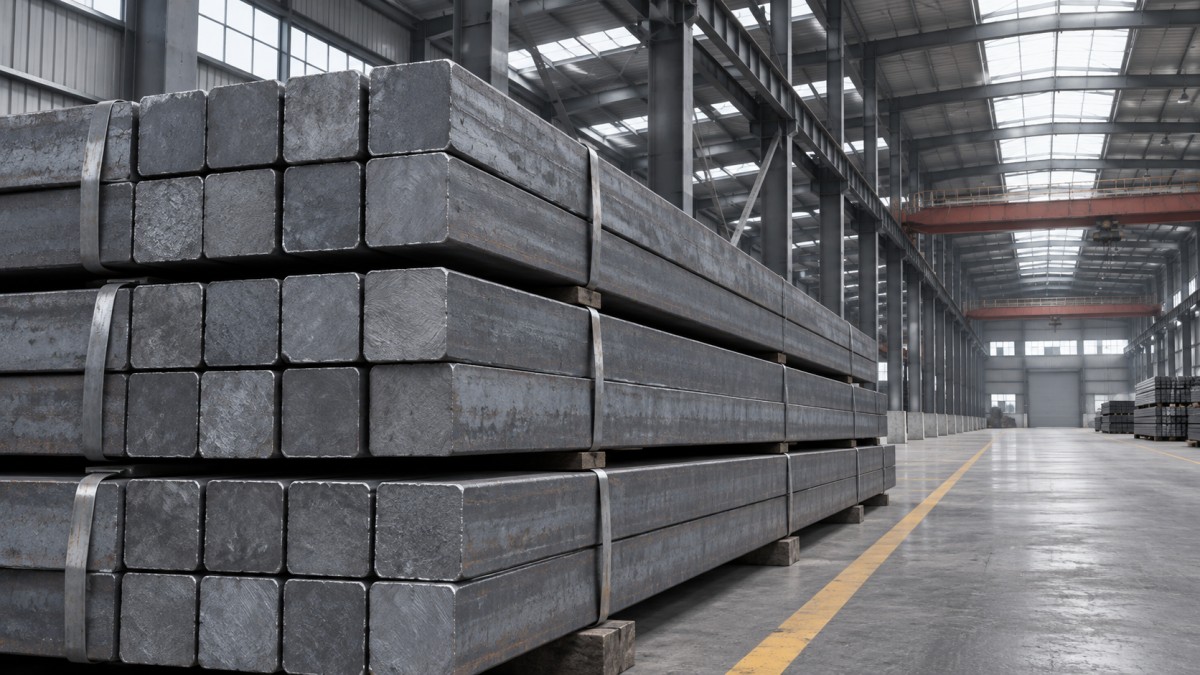
China’s steel market traded on a weaker footing on November 12, 2026, as the tax-inclusive ex-works price of common square billet in Qian’an, Tangshan, fell by 10 yuan to 2,860 yuan per metric ton. Rebar futures declined, while spot steel prices were stable to lower.
The billet price cut adds to a picture of weak supply and demand across the domestic steel market. Cost support has also moved lower, and market institutions expect steel prices to continue fluctuating on the weak side in the short term.
What the billet price cut signals
Billet is an input for finished steel products, so a lower ex-works price can reduce the cost of material purchased at that price. The 10-yuan adjustment is a specific change at the billet stage, however, and does not mean that finished steel prices have fallen by the same amount. The reported spot market was mixed between stable and lower prices.
The decline in rebar futures points in the same direction as the softer physical market, but the two should be read separately. Futures reflect pricing for contracts, while the reported spot movement describes prices for physical steel. Their declines are consistent with a weak market on the day; they do not establish how far either will move next.
Where the effects may appear
For steel buyers, the immediate question is whether the lower billet quotation is followed by changes in offers for the finished products they need. A billet adjustment may ease some input costs for producers, but the effect on a particular finished product will depend on its own pricing and demand conditions.
For sellers and processors, weak demand can make it harder to maintain prices even when supply is also subdued. At the same time, lower cost support may leave less resistance to further price declines. Neither relationship fixes the size or timing of a change in finished steel prices.
The near-term outlook therefore rests on how supply, demand and costs develop together. If demand remains weak and cost support continues to slip, steel prices could remain under pressure. A change in those conditions could alter that outlook. The current forecast describes a weak, fluctuating market rather than a certain or uninterrupted decline.
Expert Insights

Chief Security Architect
Dr. Thorne specializes in the intersection of structural engineering and digital resilience. He has advised three G7 governments on industrial infrastructure security.
Related Analysis
- Nov 22, 2026McKinsey: India Needs Up to $400 Billion to Meet Steel Capacity Growth GoalAuthor :
- Nov 22, 2026Choosing Geotextile Fabric for Landfill Drainage and Liner ProtectionAuthor :Environmental Engineering Director
- Nov 21, 2026Japan's Steel Exports Could Fall to Lowest Level Since 1999 in 2026Author :
Core Sector // 01
Security & Safety
- McKinsey: India Needs Up to $400 Billion to Meet Steel Capacity Growth GoalAuthor :

- Japan's Steel Exports Could Fall to Lowest Level Since 1999 in 2026Author :

- EU Imposes Anti-Dumping Duties of Up to 27.9% on Cold-Rolled SteelAuthor :

- EU Imposes Anti-Dumping Duties on Cold-Rolled Steel From Five OriginsAuthor :

- US HRC Holds at $1,040 as Raw Material Costs and Section 232 Shift TradeAuthor :

- European Steel Industry Faces Rising Costs and Weak DemandAuthor :

- China Steel Market Softens as Tangshan Billet Price Falls to 2,860 YuanAuthor :

- SMU: Tight Supply Pushes North American Steel Prices HigherAuthor :