Security & Safety Price Gaps: What Actually Drives the Difference
Author
Date Published
Reading Time
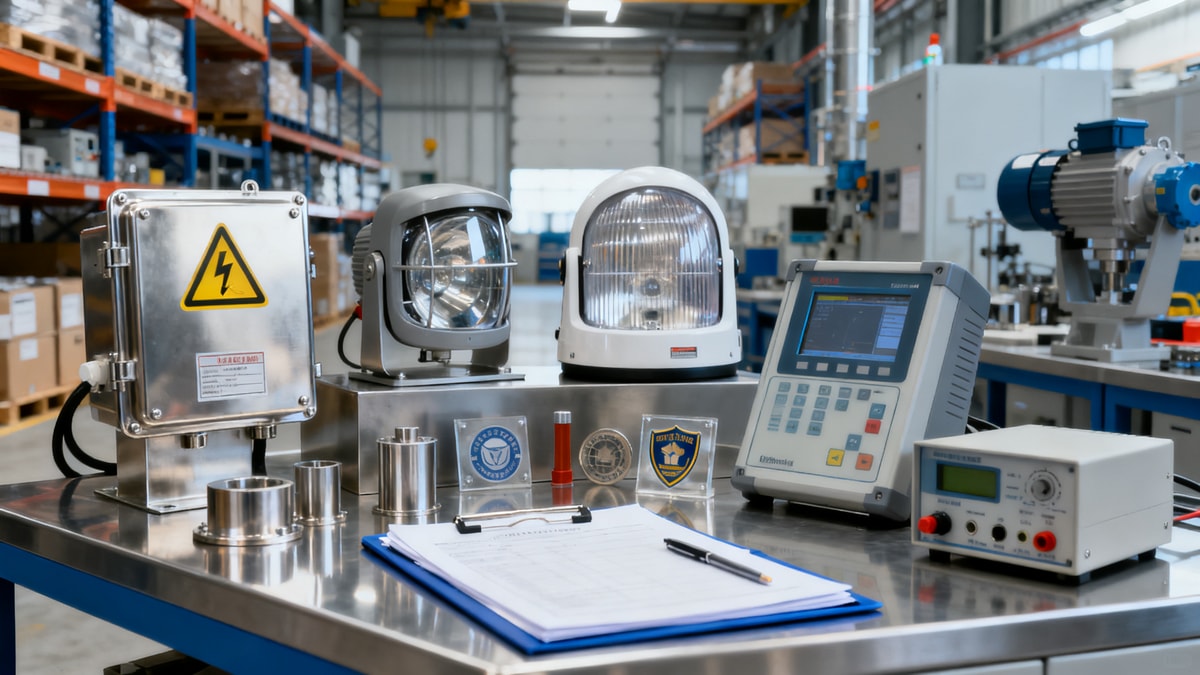
Why does one compliant product cost significantly more than another? For financial approvers, understanding the real drivers behind Security & Safety price gaps is essential to balancing budget control with operational risk. This article breaks down how certification, materials, testing rigor, lifecycle performance, and supplier credibility shape total value—so you can make procurement decisions that protect both capital and compliance.
Why do Security & Safety price differences attract so much scrutiny from finance teams?
Security & Safety price is rarely just a purchasing line item. In industrial settings, it influences insurance exposure, compliance posture, downtime risk, audit outcomes, and even board-level liability. A lower upfront quote may look efficient on paper, but if the item fails a site inspection, requires replacement after installation, or creates a recordable incident, the true cost can multiply quickly.
This is why financial approvers are increasingly asking a more useful question than “Which offer is cheaper?” They want to know what actually causes the price gap between two products that appear similar in a catalog. In practice, the gap often comes from factors that are not obvious in a short quotation: certification scope, traceable raw materials, enclosure ratings, test frequency, production consistency, technical documentation, and after-sales accountability.
For procurement leaders working with EPC contractors, plant operators, or industrial maintenance teams, a sound Security & Safety price evaluation should therefore connect commercial terms to operational consequences. That approach aligns cost control with risk control, rather than treating them as separate decisions.
What are you really paying for when one compliant product costs more?
The short answer is confidence. The more expensive option may not always be the better one, but higher Security & Safety price frequently reflects a greater level of validated performance. In heavy industry, compliance is not binary in the simplistic sense many buyers assume. Two products may both claim compatibility with a standard, yet differ dramatically in the depth of testing, the quality of components, and the manufacturer’s ability to reproduce the same performance lot after lot.
For example, a safety device with verified CE, UL, or ISO-aligned production controls often carries embedded costs tied to documented design review, third-party auditing, failure testing, and ongoing quality surveillance. A low-cost alternative may rely on partial declarations, narrower applicability, or inconsistent subcontracted production. To finance, both may initially appear as “compliant.” To operations, they are not equivalent.
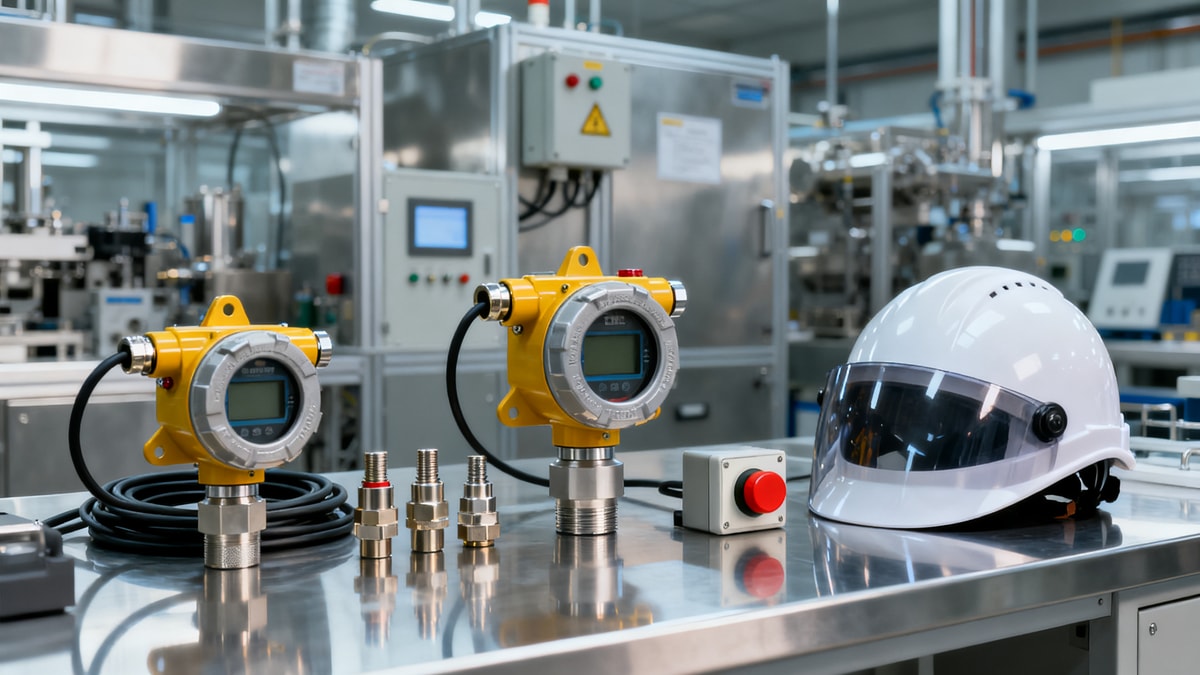
Another hidden cost driver is engineering tolerance. Security & Safety components used in industrial environments must often resist vibration, temperature swings, dust ingress, moisture, chemical exposure, and repeated mechanical stress. Better seals, more stable metals, more robust plastics, and tighter manufacturing tolerances all raise cost. However, they also reduce field failure rates and replacement frequency.
When comparing Security & Safety price, financial approvers should view these not as abstract quality markers but as cost stabilizers across the asset lifecycle.
How much of the Security & Safety price gap comes from certification and compliance?
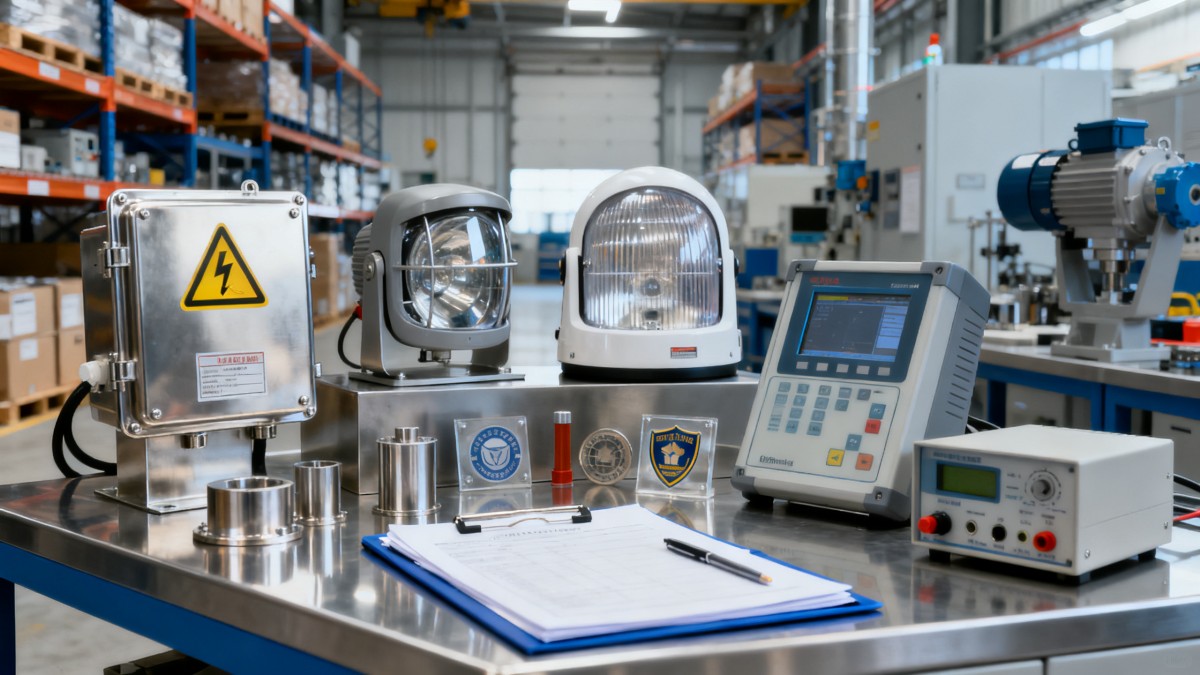
Quite a lot. Certification is one of the most common reasons two similar-looking products have very different pricing. The gap is not just the fee for a logo or certificate. It includes design adjustments to meet standards, retesting when specifications change, controlled production processes, record retention, factory inspections, and quality management discipline.
From a finance perspective, certification should be evaluated in terms of commercial utility. Ask whether the certification is recognized in the destination market, whether it applies to the exact model being quoted, and whether it covers the operating conditions of your use case. A product that is inexpensive but unusable in your jurisdiction or unacceptable to your client creates a false economy.
There is also an important distinction between self-declared compliance and independently verified conformity. In low-risk purchases, that difference may be manageable. In industrial Security & Safety applications, especially where worker protection, emergency response, access control, or hazardous-area reliability is involved, the difference can materially affect both legal defensibility and total project cost.
That is why Global Industrial Core consistently advises buyers to compare not only the stated standard, but also the quality of the compliance evidence. In many procurements, the real Security & Safety price advantage belongs to the item that clears client review faster and survives external scrutiny with fewer exceptions.
Are raw materials and manufacturing controls a legitimate reason for higher prices?
Yes, and often more than buyers expect. A noticeable share of Security & Safety price variation comes from what the product is made of and how consistently it is made. Stainless grades, flame-retardant polymers, optical clarity, corrosion-resistant coatings, reinforced housings, and precision-machined interfaces all affect durability and performance in real operating conditions.
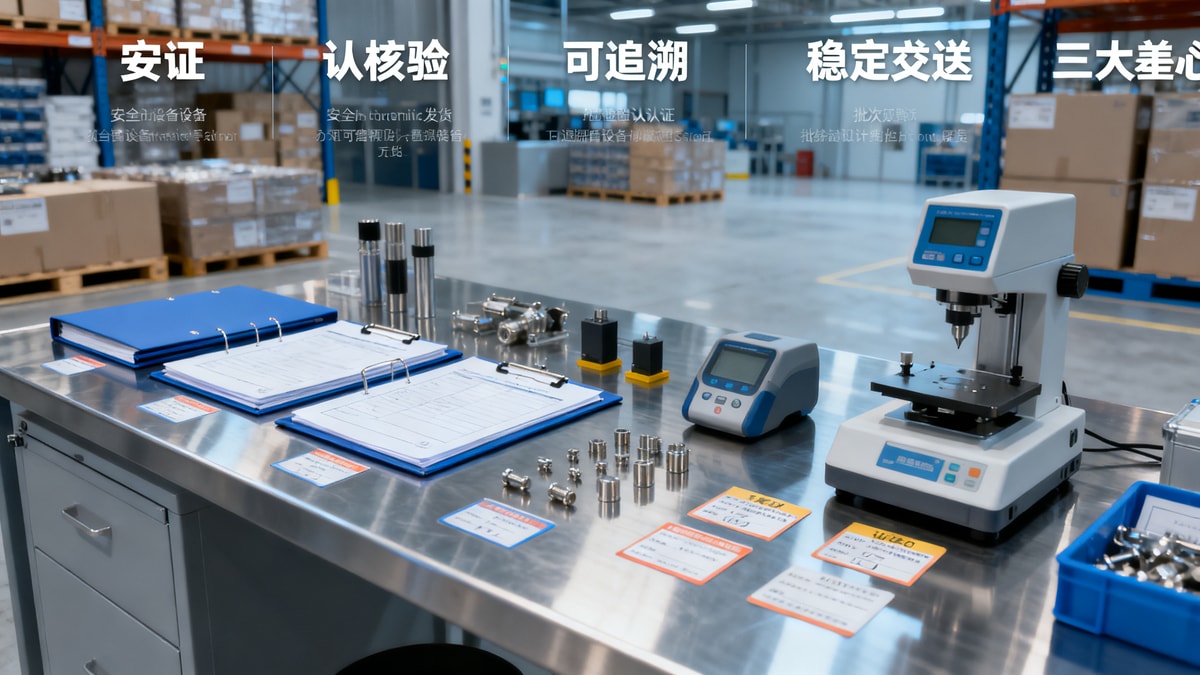
Manufacturing controls matter just as much as materials. A supplier with calibrated equipment, batch traceability, incoming material inspection, and final functional testing is spending money to reduce variability. That discipline does not always show up in a glossy brochure, but it often shows up in lower defect rates and fewer site complaints.
For financial approvers, this issue is highly practical. If a lower-price product fails early in service, the replacement cost is not only the new unit. It may also include labor, shutdown coordination, logistics, permit delays, contractor callout fees, and risk exposure while the system is impaired. In that context, a somewhat higher Security & Safety price can be the less expensive decision over 12 to 36 months.
How should financial approvers compare low upfront cost versus total lifecycle value?
This is the central question. The right comparison framework is not unit price versus unit price, but total installed and operating cost versus expected service outcome. A disciplined review should include at least five cost layers: purchase price, installation effort, compliance acceptance, maintenance frequency, and failure consequence.
Consider a common industrial scenario: one option has a lower Security & Safety price but shorter warranty, limited technical documentation, and uncertain spare-part continuity. The second option is 15% more expensive but offers tested compatibility, longer service life, and stronger supplier support. If the product is installed in a critical zone where access is difficult or interruptions are expensive, the premium may be justified quickly.
A useful internal rule is to segment purchases by consequence of failure. For low-consequence, non-critical applications, lower-cost alternatives may be acceptable if documentation and baseline compliance are solid. For mission-critical environments, a tighter evaluation threshold is appropriate. Finance teams benefit when the approval model reflects asset criticality instead of applying the same pricing logic to every category.
A practical comparison checklist
Before approving a quote, ask the following:
- Is the quoted Security & Safety price tied to verifiable certifications for the exact model?
- What is the expected operating life under your actual environmental conditions?
- How often do failures occur, and what is the documented field performance?
- What costs arise if replacement requires shutdown, permit control, or specialist labor?
- Does the supplier provide test reports, traceability, and claim support?
- Is there any reputational, contractual, or insurance downside to choosing the cheaper option?
What common mistakes make a lower Security & Safety price more expensive later?
The first mistake is assuming compliance claims are interchangeable. Many buyers compare only the presence of standards, not the scope or credibility behind them. The second is ignoring application conditions. A product that performs adequately in mild indoor use may fail rapidly in dusty, wet, corrosive, or vibration-heavy environments.
The third mistake is treating supplier credibility as a soft factor. In reality, supplier reliability affects lead times, replacement support, warranty honor, and documentation responsiveness. A lower Security & Safety price from an unstable supplier can become expensive when urgent resupply is needed or when client audits demand records that cannot be produced.
The fourth mistake is overlooking hidden implementation cost. Some lower-cost products require adapter changes, rework, repeated inspections, or additional protective measures to reach acceptable performance. Those costs often sit outside the initial purchase order, which is why finance teams may underestimate them.
Finally, organizations sometimes chase nominal savings without ranking procurement by risk exposure. This can distort decision-making, especially in environments where one small component failure can halt a larger system. Stronger governance starts with recognizing that not every Security & Safety price comparison should be handled the same way.
How can you tell whether a premium price is justified or just marketing?
A premium is justified when it can be linked to measurable commercial protection. That means the supplier should be able to explain the difference using evidence, not brand language alone. Ask for certification files, batch traceability, test protocols, failure-rate data, warranty terms, and references in similar industrial settings. If the seller cannot show why the Security & Safety price is higher, skepticism is appropriate.
You should also test whether the premium maps to your actual risk. A high-end product may be excellent but unnecessary for a low-demand use case. Conversely, a premium offering may be entirely appropriate if the application is safety-sensitive, heavily regulated, or difficult to access after installation. The best finance decisions do not reward low price or high price by default; they reward fit-for-risk value.
This is where cross-functional review helps. Procurement can validate supplier terms, engineering can assess technical suitability, EHS can confirm compliance implications, and finance can model lifecycle exposure. When these views are combined, Security & Safety price becomes easier to defend internally and externally.
What should financial approvers confirm before signing off on a quote?
Start with the basics: exact model, applicable standards, origin, warranty, lead time, and replacement process. Then move to the deeper questions that often determine whether a quote remains cost-effective after installation. Confirm whether the supplier has delivered to comparable sectors, whether documentation will satisfy your client or regulator, and whether there is continuity for future supply.
If you need to further confirm a specific solution, parameters, timeline, quotation logic, or cooperation model, prioritize these questions in early discussions: What operating environment was the quoted product designed for? Which certifications are current and model-specific? What are the known maintenance intervals and expected failure points? What commercial remedies apply if field performance does not match the stated specification? And what support is available for installation, audits, and replacement planning?
For organizations managing industrial procurement at scale, the most defensible approvals come from evidence-based comparison rather than headline price compression. Security & Safety price gaps are usually driven by a mix of compliance burden, engineering robustness, process control, and supplier accountability. Once those drivers are made visible, finance teams can approve budgets with greater confidence—protecting both capital discipline and operational resilience.
Technical Specifications
- US DOE Level 3 Transformer Efficiency Rule Takes Effect July 1, 2026Author :Grid Infrastructure Analyst
- INMETRO Proposes EMP Immunity Requirement for Industrial Laser Distance Meters in BrazilAuthor :Precision Metrology Expert
- Indonesia BPOM Fast-Tracks Chinese Industrial Air PurifiersAuthor :Environmental Engineering Director
Expert Insights

Chief Security Architect
Dr. Thorne specializes in the intersection of structural engineering and digital resilience. He has advised three G7 governments on industrial infrastructure security.
Related Analysis
- May 05, 2026US DOE Level 3 Transformer Efficiency Rule Takes Effect July 1, 2026Author :Grid Infrastructure Analyst
- May 05, 2026INMETRO Proposes EMP Immunity Requirement for Industrial Laser Distance Meters in BrazilAuthor :Precision Metrology Expert
- May 05, 2026Indonesia BPOM Fast-Tracks Chinese Industrial Air PurifiersAuthor :Environmental Engineering Director
Core Sector // 01
Security & Safety
- How to Compare Safety Equipment Suppliers When Specs Look SimilarAuthor :Safety Compliance Lead

- Safety Equipment Standards That Change Product Selection OutcomesAuthor :Safety Compliance Lead

- Security & Safety Price Gaps: What Actually Drives the DifferenceAuthor :Safety Compliance Lead

- How to Vet a Security & Safety Supplier Before a Large RolloutAuthor :Safety Compliance Lead

- ANVISA Updates Biocompatibility Requirements for Industrial Respirators in BrazilAuthor :Safety Compliance Lead

- Construction safety gaps often missed before site auditsAuthor :Safety Compliance Lead

- Electrical safety equipment mistakes that raise downtimeAuthor :Safety Compliance Lead

- Vietnam Enforces QCVN 16:2026/BCT for Respiratory PPE from July 2026Author :Safety Compliance Lead