Safety Equipment Standards That Change Product Selection Outcomes
Author
Date Published
Reading Time
For technical evaluators, safety equipment standards do more than define compliance—they directly influence product selection outcomes, lifecycle risk, and procurement confidence. In industrial environments where failure is unacceptable, understanding how standards shape testing, certification, interoperability, and long-term reliability is essential for making defensible sourcing decisions.
Why do safety equipment standards affect product selection more than many buyers expect?
Many sourcing teams still treat compliance as a final checkpoint, but technical evaluators know that safety equipment standards often determine the shortlist before pricing is even discussed. In heavy industry, a product that lacks the right certification path, test data, or documented conformity may create installation delays, insurance concerns, audit failures, or operational restrictions. That means standards are not simply legal labels; they are practical filters that shape which products are technically acceptable for a site, project, or region.
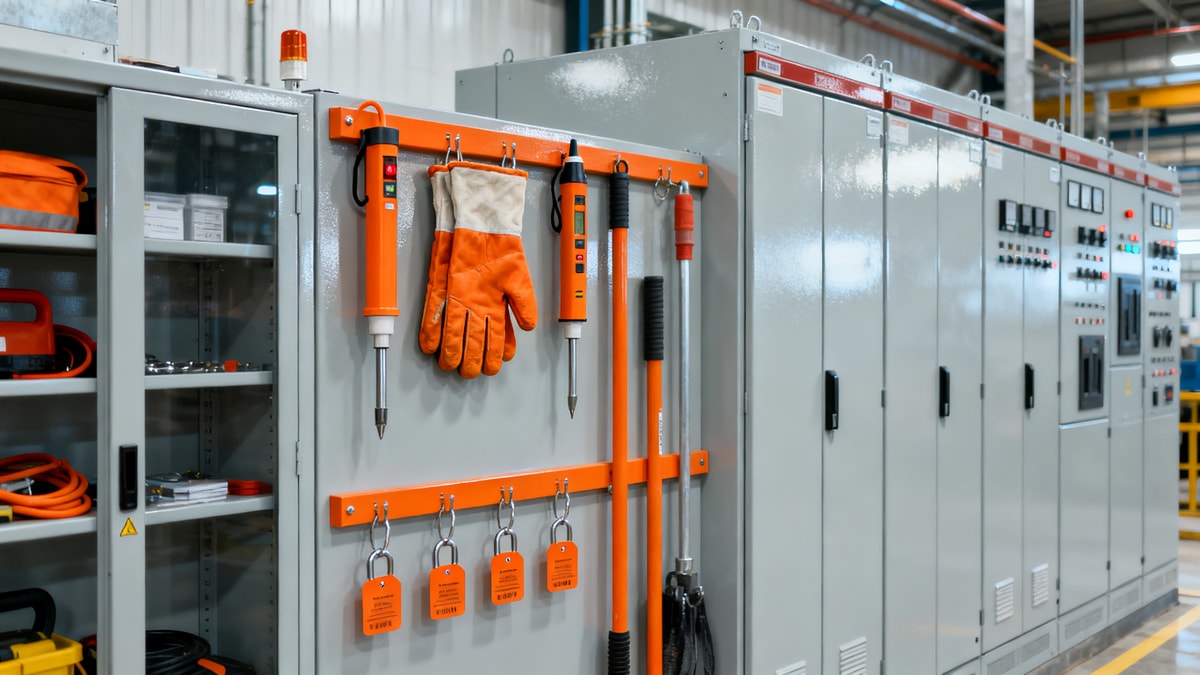
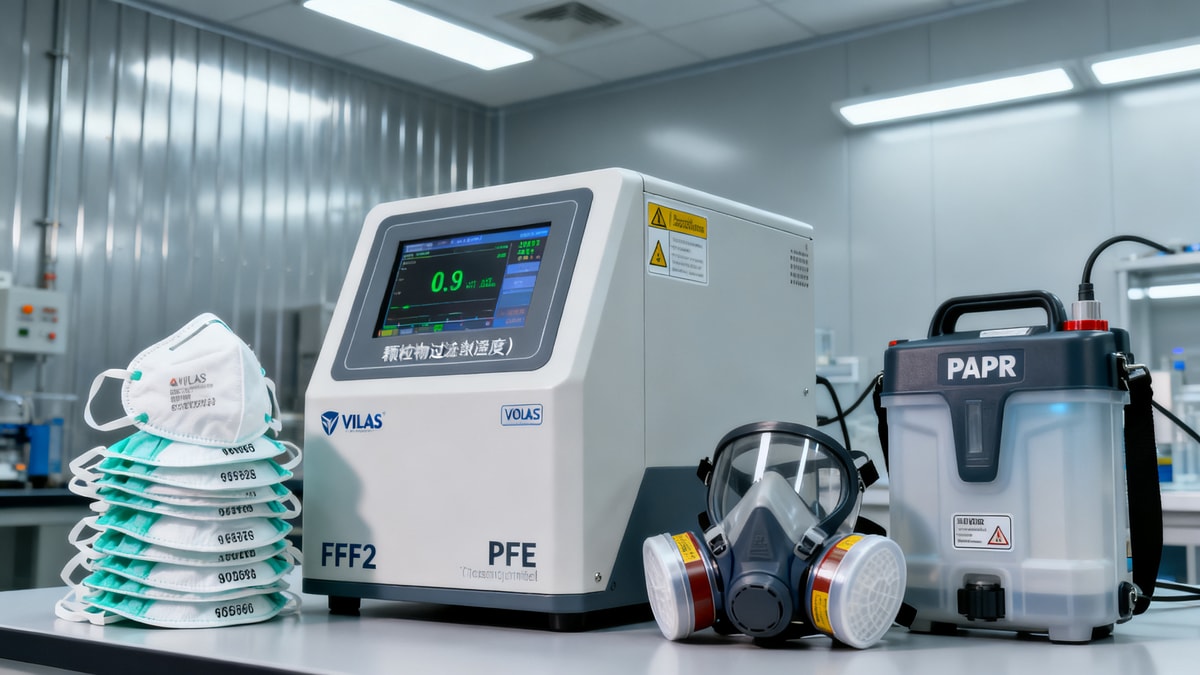
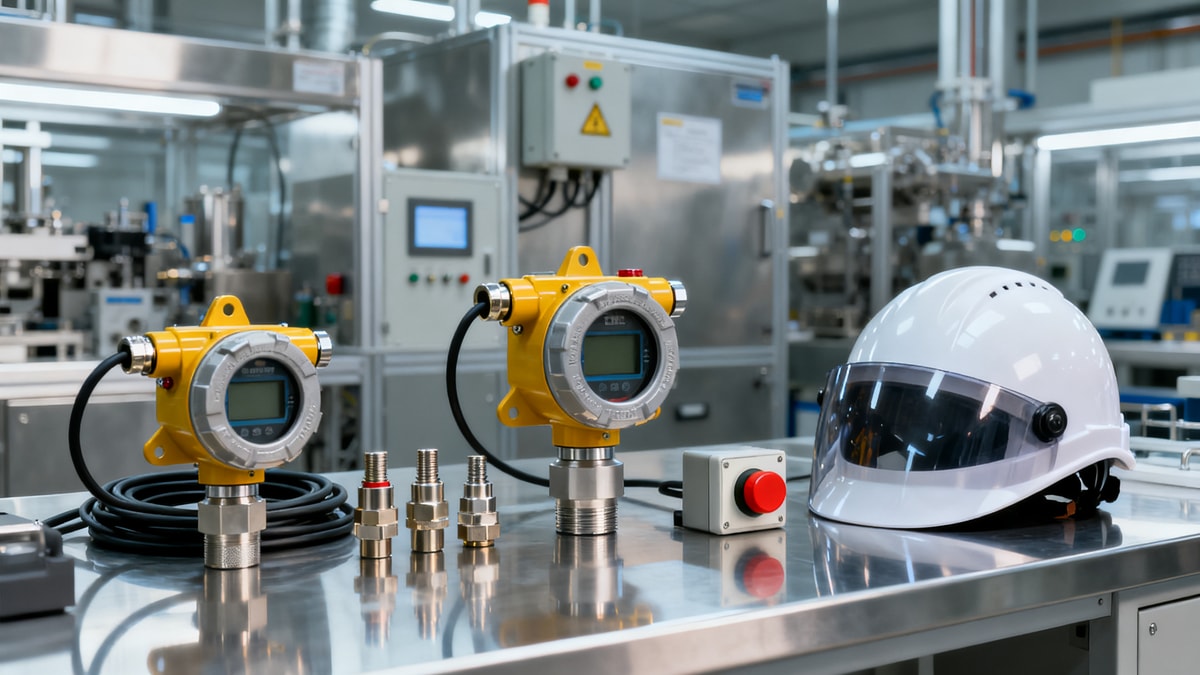
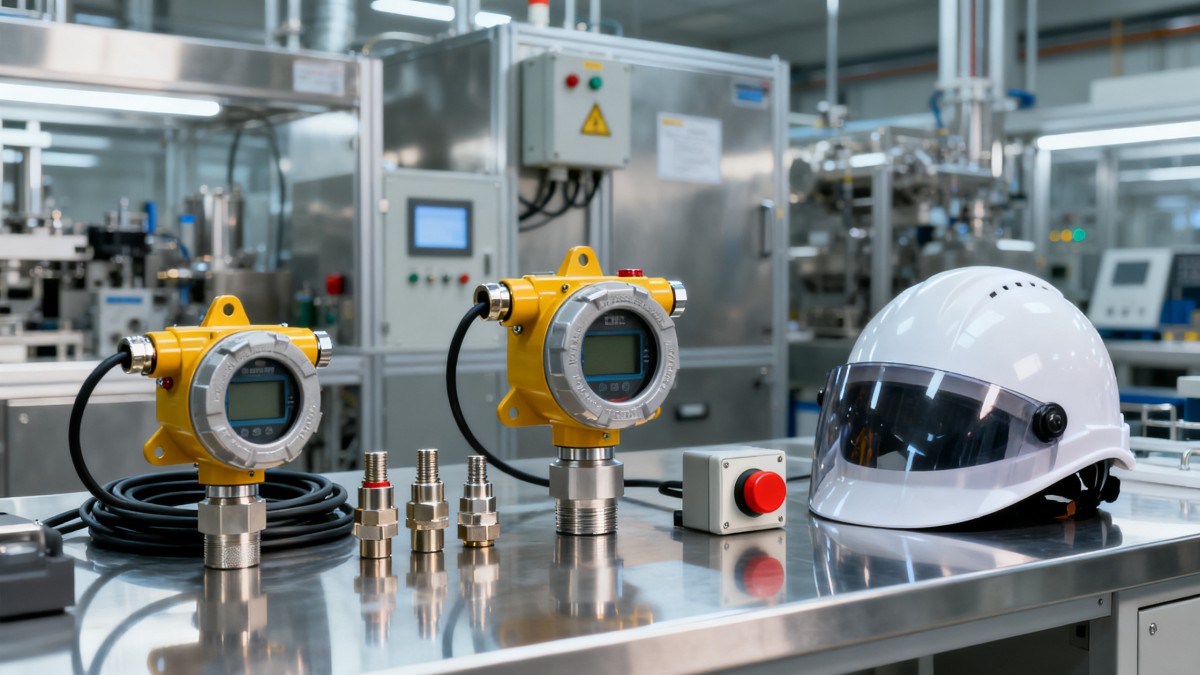
The impact is especially visible when projects involve cross-border procurement, hazardous environments, or critical infrastructure. A cable gland, gas detector, lockout device, emergency light, or industrial helmet may appear equivalent on a datasheet, yet different safety equipment standards can reveal meaningful differences in fire resistance, ingress protection, arc exposure tolerance, impact performance, electromagnetic compatibility, or calibration stability. Those differences change risk exposure over the full asset lifecycle.
For technical evaluators, the main lesson is clear: standards influence selection outcomes because they convert broad safety claims into measurable evidence. Products that align with recognized frameworks such as CE, UL, ISO, IEC, NFPA, ANSI, or EN standards are easier to defend internally, easier to compare across suppliers, and easier to integrate into site safety governance.
What exactly should technical evaluators look for when reviewing safety equipment standards?
A common mistake is to look only for a certification mark on the product label. In reality, effective review goes deeper. Technical evaluators should confirm whether the relevant safety equipment standards apply to the product category, whether the certification body is recognized in the target market, and whether the test scope matches the intended industrial use case.
In practice, evaluators should verify at least five points. First, identify the exact standard number and edition, because revised editions may introduce stricter test thresholds or new documentation rules. Second, confirm the use environment, such as explosive atmospheres, high humidity, washdown areas, high temperature zones, confined spaces, or substations. Third, review whether the certification covers the full assembled product or only a subcomponent. Fourth, examine maintenance and recalibration requirements. Fifth, check whether local authorities, insurers, or EPC specifications require an additional regional approval.
For example, a detector certified for general industrial use is not automatically suitable for hazardous area classification. Likewise, hand protection that meets one cut-resistance method may not perform equally well under heat, chemical splash, or electrical exposure conditions. The phrase “meets safety standards” is therefore too broad to support product selection on its own.
A practical review checklist
How do different standards change the outcome between two similar products?
This is where safety equipment standards become commercially decisive. Two suppliers may offer products with near-identical dimensions, materials, and headline ratings, but their compliance pathways can produce very different risk profiles. One product may be tested to a narrow domestic standard, while the other is validated under a broader international framework with traceable third-party audit records. To a non-technical buyer, both seem acceptable. To a technical evaluator, only one may be suitable for a multi-site or export-oriented operation.
Standards also change interoperability. Emergency stop devices, relays, sensors, and protective enclosures must work within larger systems. If the applicable safety equipment standards define electrical clearances, response times, fail-safe behavior, or communication integrity, then a compliant component can reduce integration risk. A cheaper but less rigorously certified component may introduce hidden engineering time, retesting requirements, or commissioning delays.
Another major selection factor is documentation quality. Products certified under mature standards frameworks usually come with declaration files, test reports, installation conditions, inspection guidance, and traceability records. That package helps technical evaluators justify approval decisions to project managers, compliance officers, and end users. In high-consequence sectors, the value of that documentation often exceeds a modest unit-price difference.
Which application scenarios make safety equipment standards especially critical?
Not every industrial purchase carries the same exposure. Safety equipment standards become especially influential in scenarios where environmental severity, worker exposure, or system dependency is high. Technical evaluators should increase scrutiny when selecting equipment for oil and gas facilities, power distribution systems, water treatment plants, mining operations, metals processing lines, data-critical manufacturing, and transportation infrastructure.
In explosive or flammable zones, certification scope is fundamental. In electrical environments, standards related to insulation, arc performance, grounding, and fault interruption are central to product selection outcomes. In environmental control systems, standards linked to sensor precision, alarm integrity, and corrosion resistance matter because inaccurate readings can create both safety and regulatory failures. Even in general facilities, items such as ladders, eyewash stations, signage, fall protection components, and PPE require standards-based verification when they support emergency response or worker protection obligations.
For global EPC contractors and procurement directors, standards become even more critical when one product family is expected to serve multiple countries. A device acceptable in one market may require relabeling, supplementary testing, or an alternate design revision elsewhere. Evaluators who identify those constraints early can prevent redesign loops and procurement fragmentation later.
What are the most common mistakes buyers make when comparing compliant products?
The first mistake is assuming that all certifications carry equal practical value. Some approvals are self-declared, some are component-level, and some involve full third-party testing with factory surveillance. Technical evaluators should understand that the certification model itself affects confidence.
The second mistake is ignoring application limits. A product may satisfy safety equipment standards under laboratory conditions but still require derating, shielding, enclosure changes, or maintenance controls in the field. Selection decisions should therefore consider the installation context, not just the certificate.
The third mistake is separating compliance from total cost of ownership. A lower-cost item can become more expensive if it needs frequent recalibration, replacement parts with long lead times, or specialized technician support to maintain conformity. Evaluators should compare not only purchase price but inspection burden, downtime risk, spare strategy, and documentation readiness.
The fourth mistake is failing to monitor standard revisions. Safety equipment standards evolve in response to incidents, technological changes, and regulatory alignment. A product approved five years ago may still operate, but it may not be the best choice for a new installation. New projects should be matched against current requirements, not historical assumptions.
How can technical evaluators build a defensible selection process around safety equipment standards?
A defensible process starts by mapping hazards before products are compared. Instead of beginning with brands or pricing tiers, evaluators should define the risk scenario: electrical shock, fire spread, toxic gas release, mechanical entanglement, slip exposure, or emergency evacuation failure. Once hazards are ranked, the relevant safety equipment standards can be tied to each control layer.
Next, build a weighted decision matrix. Standards compliance should not be a simple pass-fail box if the project is complex. It can be weighted alongside reliability data, serviceability, supply continuity, compatibility, and field performance history. This approach helps distinguish between “minimally compliant” and “procurement-optimal” products.
It is also wise to request original test documentation, certificates of conformity, and installation limitations early in the RFQ cycle. Doing so reduces late-stage surprises. For higher-risk categories, many technical evaluators also ask suppliers to explain how design changes are controlled, how recertification is triggered, and how counterfeit risk is managed within the distribution chain.
Finally, selection should include post-purchase governance. Even the best standards-aligned product can underperform if storage, commissioning, inspection intervals, or operator training are weak. Safety equipment standards support safer outcomes, but only if procurement, engineering, and operations apply them consistently.
Quick decision guide for evaluators
When should a team reject a product even if it appears compliant?
A product should be rejected when compliance evidence is incomplete, outdated, market-inappropriate, or disconnected from the actual operating environment. Technical evaluators should be cautious if the supplier cannot provide traceable certification records, if markings do not match documentation, if the approved configuration differs from the quoted configuration, or if accessories required for safe use are excluded from the approval basis.
Rejection may also be justified when a product meets baseline safety equipment standards but creates unacceptable system-level risk. For instance, a component may be compliant individually yet introduce signal instability, spare part dependency, cyber-physical integration problems, or operator confusion when installed in a broader safety chain. Selection is not only about isolated legality; it is about operational suitability and risk coherence.
Another red flag is poor manufacturer quality discipline. If the supplier cannot explain change control, batch traceability, warranty boundaries, or field failure response, the compliance claim may not translate into dependable real-world performance. In sectors where uptime and worker protection are inseparable, that uncertainty alone can justify disqualification.
What should be confirmed before moving forward with sourcing or supplier discussions?
Before finalizing a shortlist, technical evaluators should confirm the intended use case, governing codes, site conditions, certification jurisdictions, maintenance expectations, and evidence package required for internal approval. These questions bring structure to supplier conversations and prevent late-stage changes.
Useful questions include: Which safety equipment standards apply to this exact installation? Are the certificates current and issued by an accepted body? What operating limits or exclusions exist? What inspection, recalibration, or replacement schedule is necessary to stay compliant? Can the supplier provide test reports, declarations, and traceability records? Has this product been used successfully in similar industrial environments? What happens if standards are revised during the project lifecycle?
For organizations managing critical infrastructure, these questions are not administrative details. They are the foundation of a resilient procurement decision. If you need to confirm a specific solution, parameter set, project direction, timeline, quotation basis, or cooperation model, it is best to start by aligning on the applicable safety equipment standards, the exact operating environment, the required documentation set, and the lifecycle support obligations the supplier is prepared to guarantee.
Technical Specifications
- US DOE Level 3 Transformer Efficiency Rule Takes Effect July 1, 2026Author :Grid Infrastructure Analyst
- INMETRO Proposes EMP Immunity Requirement for Industrial Laser Distance Meters in BrazilAuthor :Precision Metrology Expert
- Indonesia BPOM Fast-Tracks Chinese Industrial Air PurifiersAuthor :Environmental Engineering Director
Expert Insights

Chief Security Architect
Dr. Thorne specializes in the intersection of structural engineering and digital resilience. He has advised three G7 governments on industrial infrastructure security.
Related Analysis
- May 05, 2026US DOE Level 3 Transformer Efficiency Rule Takes Effect July 1, 2026Author :Grid Infrastructure Analyst
- May 05, 2026INMETRO Proposes EMP Immunity Requirement for Industrial Laser Distance Meters in BrazilAuthor :Precision Metrology Expert
- May 05, 2026Indonesia BPOM Fast-Tracks Chinese Industrial Air PurifiersAuthor :Environmental Engineering Director
Core Sector // 01
Security & Safety
- How to Compare Safety Equipment Suppliers When Specs Look SimilarAuthor :Safety Compliance Lead

- Safety Equipment Standards That Change Product Selection OutcomesAuthor :Safety Compliance Lead

- Security & Safety Price Gaps: What Actually Drives the DifferenceAuthor :Safety Compliance Lead

- How to Vet a Security & Safety Supplier Before a Large RolloutAuthor :Safety Compliance Lead

- ANVISA Updates Biocompatibility Requirements for Industrial Respirators in BrazilAuthor :Safety Compliance Lead

- Construction safety gaps often missed before site auditsAuthor :Safety Compliance Lead

- Electrical safety equipment mistakes that raise downtimeAuthor :Safety Compliance Lead

- Vietnam Enforces QCVN 16:2026/BCT for Respiratory PPE from July 2026Author :Safety Compliance Lead