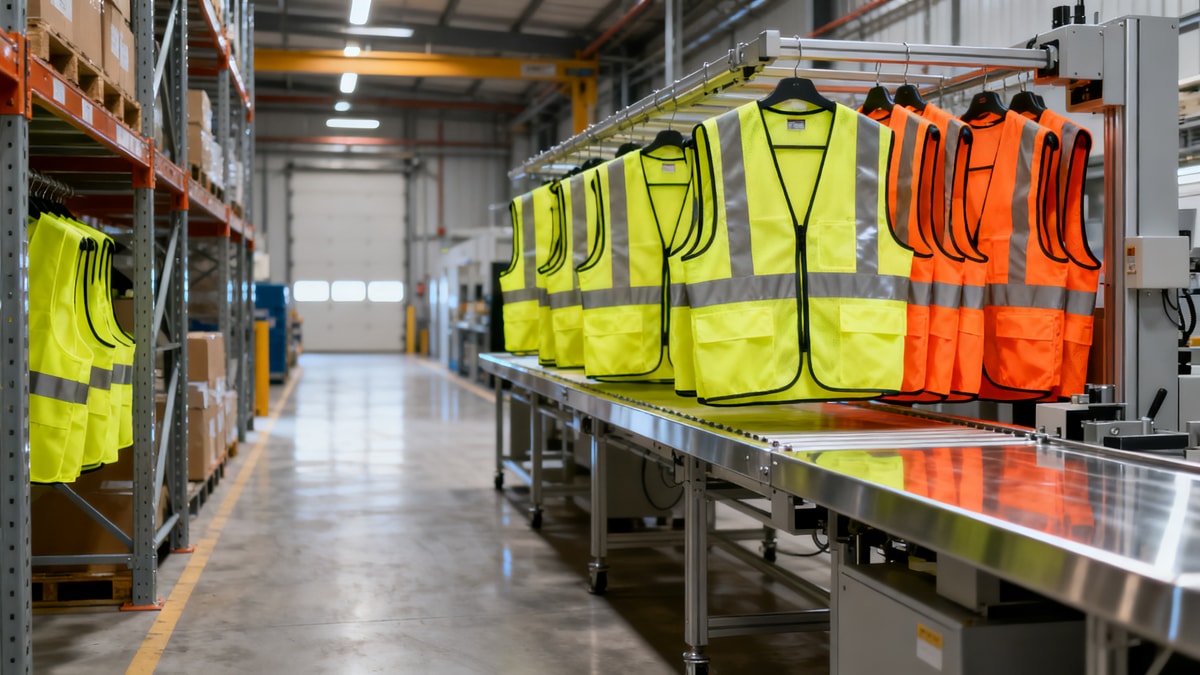
Custom high visibility clothing without long lead time problems
Author
Date Published
Reading Time
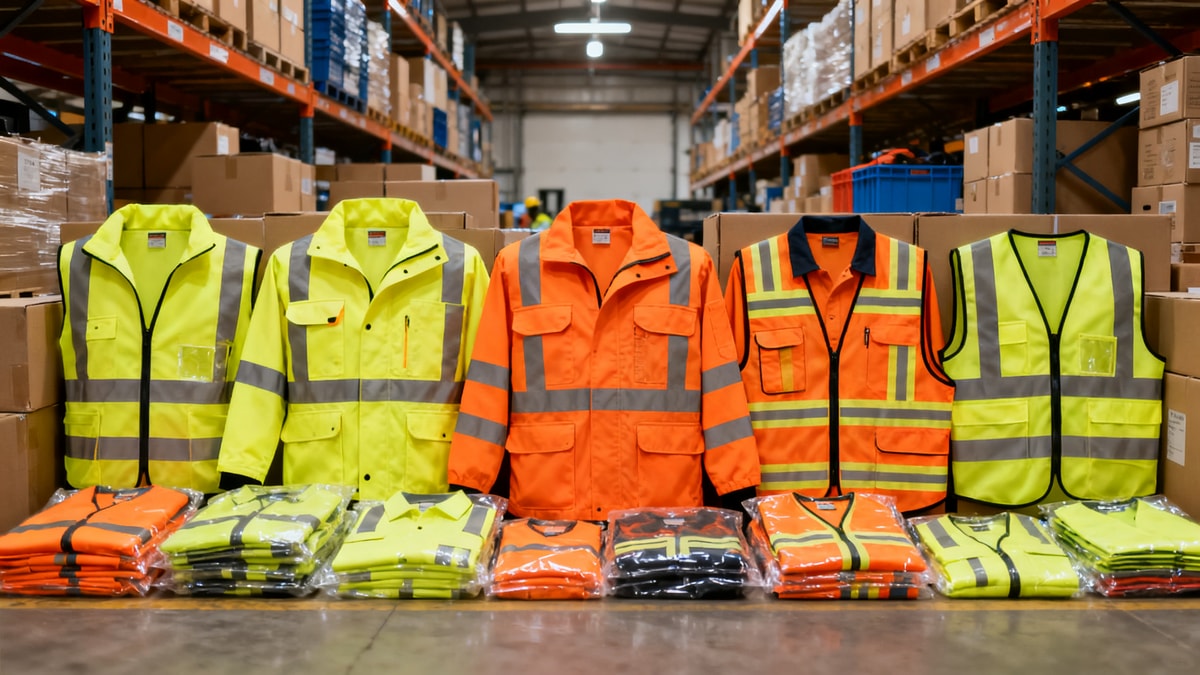
When project timelines are tight, sourcing custom high visibility clothing should not create new delays or compliance risks. For project managers and engineering leaders, the real challenge is finding garments that balance fast turnaround, certified safety performance, and consistent quality across teams and sites. This article explores how to secure reliable custom high visibility clothing without long lead time problems while protecting operational efficiency and workforce safety.
Why lead time pressure looks different across project scenarios
For industrial buyers, custom high visibility clothing is rarely a simple branding purchase. It often supports site mobilization, contractor onboarding, safety compliance, and workforce visibility in active risk zones. A delay of even a few days can disrupt induction schedules, postpone field access, or force teams to use non-standard garments that create confusion across supervisors, subcontractors, and inspectors.
That is why project managers should not evaluate custom high visibility clothing as a single generic category. The needs of a highway expansion team differ from those of a warehouse retrofit crew, an EPC commissioning team, or a utility maintenance contractor. Some projects need flame-resistant options. Others need rapid logo application across mixed garment sizes. Some require compliance with local reflective strip placement rules, while others focus on weather resistance, laundering durability, or role-based color coding.
The practical question is not just who can print a logo quickly. It is who can deliver compliant, fit-for-purpose custom high visibility clothing fast enough for your operating context, with enough process control to avoid rework, shortages, and safety exceptions.
Where custom high visibility clothing is most commonly needed
In industrial and infrastructure operations, custom high visibility clothing usually appears in time-sensitive scenarios. The following comparison helps clarify where urgency comes from and what the real buying criteria should be.
This table shows why lead time should never be reviewed in isolation. A supplier that offers rapid shipping but cannot maintain compliance, size accuracy, or repeatability may increase project risk rather than reduce it.
Scenario 1: New project mobilization with multiple subcontractors
One of the most common use cases for custom high visibility clothing is the early mobilization phase of a construction or industrial project. Teams arrive from different companies, supervisors need fast visual identification, and site management wants a consistent professional appearance from day one. In this scenario, the customization itself is not only about branding. It supports access control, trade differentiation, and command visibility.
Project leaders should focus on suppliers that can handle mixed size curves, multiple logo files, and segmented packing by contractor, trade, or work zone. If garments arrive unsorted, your internal team loses valuable hours redistributing stock. If logos differ in placement or quality, site identity breaks down immediately.
For this scenario, the best custom high visibility clothing programs usually include pre-approved artwork templates, standard garment models, and a fast repeat-order workflow. This reduces approval cycles and prevents last-minute confusion when new subcontractors join after the original order has closed.
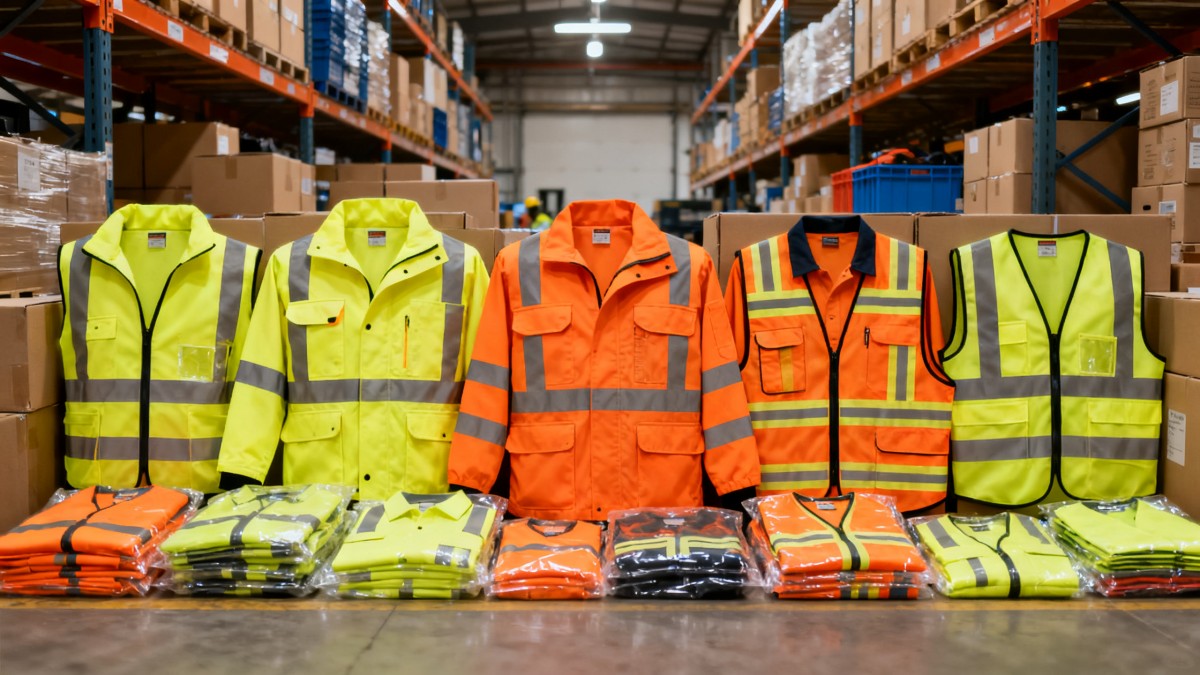
Scenario 2: Shutdowns, turnarounds, and outage work with compressed schedules
Shutdown environments create a different sourcing challenge. The workforce ramps up quickly, labor counts may change every few days, and safety managers cannot tolerate garments that fail on visibility, comfort, or durability. In these cases, custom high visibility clothing must support speed without sacrificing workforce performance during long shifts.
The most important buying factors here are buffer stock availability, decoration speed, and the supplier’s ability to ship partial releases in sequence. A project may need 300 units immediately and another 200 after final labor confirmation. Suppliers that require long production lock-ins can become a bottleneck.
Project managers should also verify whether custom elements interfere with reflective tape zones or certification labeling. During outages, buyers sometimes prioritize speed so heavily that they approve oversized back prints or chest graphics that reduce compliant reflective surface visibility. That mistake can trigger safety objections after garments arrive on site, creating exactly the delay the rush order was meant to avoid.
Scenario 3: Ongoing operations that need fast replenishment, not just one-time supply
Not every order is tied to a one-off project. Warehouses, manufacturing facilities, distribution hubs, and utility service teams often need custom high visibility clothing as an ongoing replenishment program. Here, the issue is less about first delivery and more about continuity. If one batch fits well and the next batch uses different fabric weight, different cut sizing, or lower-grade reflective trim, employee acceptance drops and uniform control weakens.
This scenario requires a supplier with documented product consistency, stable garment specifications, and reorder discipline. The best partners maintain digital artwork archives, approved color references, and SKU-level repeatability. They should also be able to support low-volume top-up orders without forcing a full lead time reset every time ten new workers are hired or seasonal staff are added.
For operations managers, this is where total cost matters more than unit price alone. Cheap custom high visibility clothing that requires frequent replacement, causes logo peeling, or generates staff complaints usually increases hidden cost through repurchasing, administration, and operational inconsistency.
Scenario 4: Harsh environment sites where garment performance matters as much as visibility
Field environments introduce another layer of judgment. In mining support, power infrastructure, marine yards, or heavy outdoor maintenance, custom high visibility clothing may need to resist rain, abrasion, dirt loading, heat stress, or cold-weather use. In these settings, a fast supplier is only suitable if they can also provide the right garment architecture for actual work conditions.
Project teams should evaluate fabric breathability, layering options, closure durability, reflective tape longevity after washing, and any relevant standard alignment such as ISO visibility requirements or industry-specific flame-resistant needs. A generic vest with a printed logo may solve site access for one day, but not for months of real field exposure.
In these scenarios, custom high visibility clothing should be selected through a job-task lens. Ask where workers bend, kneel, climb, lift, or wear harnesses. Customization must not create stiffness, trap heat, or interfere with PPE combinations.
How to judge a supplier beyond promised fast turnaround
Many vendors advertise rapid delivery, but project managers need a more disciplined qualification method. Strong sourcing decisions usually depend on five practical checkpoints:
- Whether base garments are stocked locally or regionally, not only made to order.
- Whether artwork approval and sample confirmation are standardized and time-bound.
- Whether safety certifications remain valid after customization.
- Whether the supplier can pack by team, shift, contractor, or location.
- Whether replenishment orders can follow the same specification without restarting the process.
For buyers in large industrial organizations, vendor maturity often matters more than headline speed. A controlled seven-day process with reliable QC is usually safer than an unstructured three-day promise that leads to errors, missing sizes, or rejected garments.
Common misjudgments that create hidden delays
Several avoidable mistakes repeatedly slow down custom high visibility clothing procurement. First, teams approve artwork before confirming the exact garment model and reflective layout. Second, they underestimate the size spread needed for mixed crews, especially when subcontractor labor changes late. Third, they treat compliance as a post-order check instead of a pre-order requirement. Fourth, they do not ask about replacement lead times for shortages, damaged goods, or onboarding additions.
Another common problem is assuming every site needs the same garment type. A lightweight vest may be enough for indoor logistics, while an outdoor utility team may require jackets, two-tone color coding, or weather-resistant options. Matching the wrong product to the wrong scenario forces emergency repurchasing and undermines confidence in the procurement team.
A practical selection framework for project managers
If your goal is to buy custom high visibility clothing without long lead time problems, use a scenario-based review process. Start with site conditions, labor volatility, compliance rules, and identity needs. Then match those realities to garment type, customization method, and supplier responsiveness.
FAQ for teams sourcing custom high visibility clothing fast
Can custom high visibility clothing still be compliant after logo application?
Yes, but only if the garment design, reflective coverage, and print placement are managed correctly. Always confirm that customization does not compromise required visibility performance or certification labeling.
What is the best option for projects with uncertain labor counts?
Use a phased ordering strategy. Place an initial core order, reserve matching stock if possible, and confirm a rapid replenishment path for additions. This is often more effective than over-ordering sizes you may never use.
Is a faster supplier always the better supplier?
No. The better supplier is the one that can deliver custom high visibility clothing quickly while maintaining compliance, consistency, and organized fulfillment. Speed without control can increase total delay.
Final takeaway for industrial project planning
Custom high visibility clothing becomes a procurement advantage when it is matched to the real scenario, not treated as a generic uniform item. For project managers, the smartest approach is to define the work environment, compliance threshold, crew variability, and replenishment risk before selecting the supplier. That is how you avoid long lead time problems without creating new safety or operational issues.
If your organization is preparing for mobilization, shutdown work, site expansion, or ongoing facility operations, build your supplier review around scenario fit, not just speed claims. The right custom high visibility clothing program should help your teams start work faster, stay visible in the right conditions, and maintain a professional, compliant standard across every site.
Technical Specifications
Expert Insights

Chief Security Architect
Dr. Thorne specializes in the intersection of structural engineering and digital resilience. He has advised three G7 governments on industrial infrastructure security.
Related Analysis
- May 01, 2026PTZ dome camera placement mistakes that waste zoom performanceAuthor :Safety Compliance Lead
- May 01, 2026Biometric access control systems: where integration gets expensiveAuthor :Safety Compliance Lead
- May 01, 2026Facial recognition door lock accuracy drops in these common settingsAuthor :Safety Compliance Lead
Core Sector // 01
Security & Safety
- Custom high visibility clothing without long lead time problemsAuthor :Safety Compliance Lead

- Reflective safety vests bulk: color fading can become a safety issueAuthor :Safety Compliance Lead

- What separates a reliable steel toe work boots manufacturerAuthor :Safety Compliance Lead

- Flame retardant coveralls: why fabric weight affects comfort and complianceAuthor :Safety Compliance Lead

- Cut resistant gloves wholesale: sizing errors that raise replacement costsAuthor :Safety Compliance Lead

- Chemical resistant suits: what breakthrough time really tells youAuthor :Safety Compliance Lead

- Choosing an industrial hard hats manufacturer beyond certificationsAuthor :Safety Compliance Lead

- Fall protection harnesses: fit problems that reduce real safetyAuthor :Safety Compliance Lead