Facial recognition door lock accuracy drops in these common settings
Author
Date Published
Reading Time
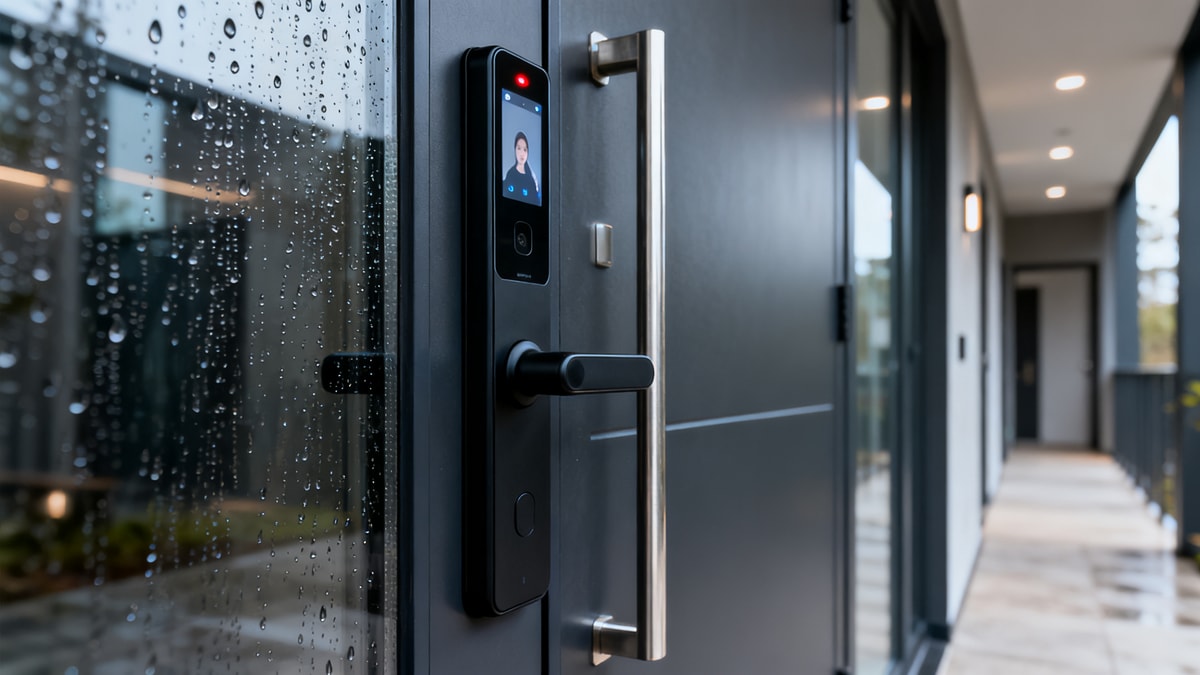
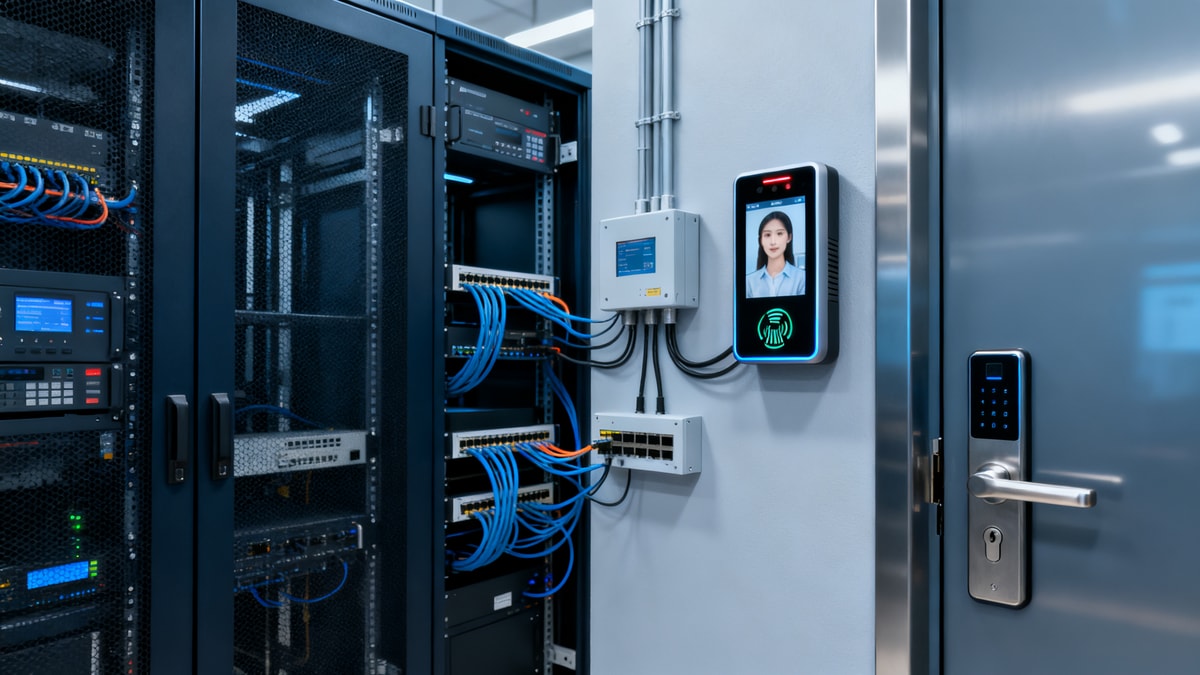
A facial recognition door lock can feel seamless—until lighting changes, kids rush past, or rain, glare, and masks get in the way. In everyday settings like dim entryways, crowded hallways, and outdoor doors, accuracy can drop faster than most buyers expect. Before you rely on this smart security upgrade, it’s worth understanding where recognition struggles and what practical factors affect real-world performance.
Why does a facial recognition door lock fail in normal daily use?
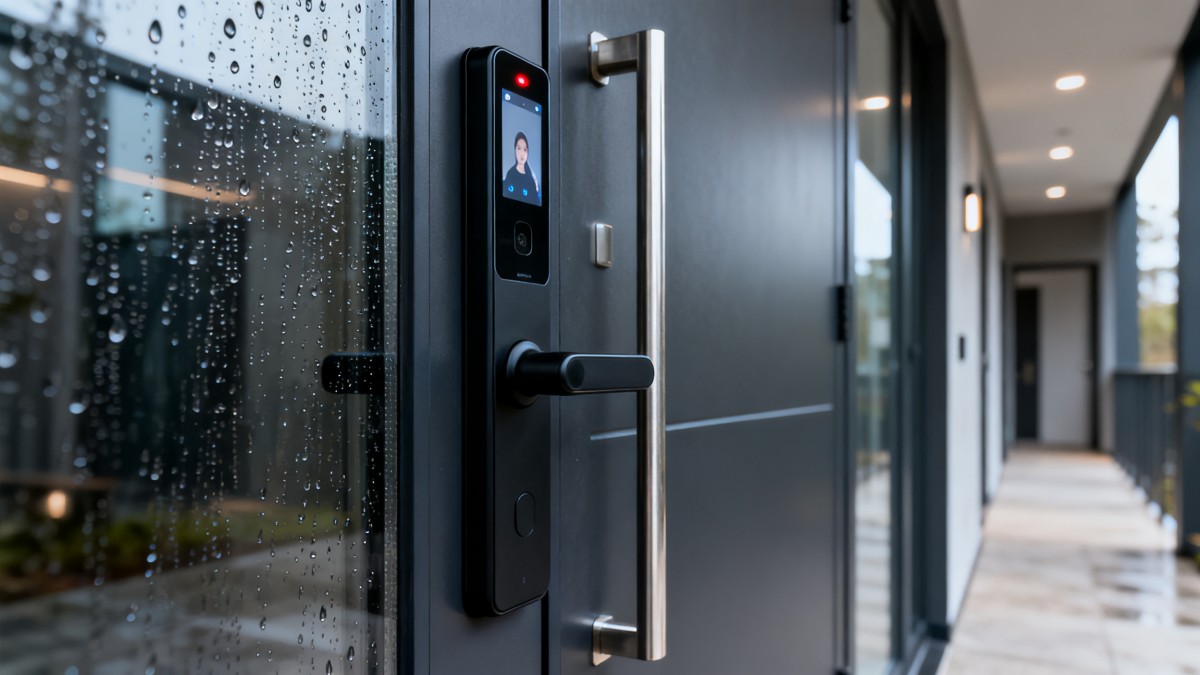
Many buyers assume a facial recognition door lock works like a smartphone face unlock: look at the device, and it opens. Real front-door conditions are less controlled. A phone usually reads your face from a short distance, indoors, at a stable angle, and in predictable lighting. A smart lock on a home entrance must identify faces from changing heights, wider angles, mixed light, moving subjects, and sometimes wet or dusty surfaces.
That is why accuracy claims in product listings do not always match lived experience. Lab testing often measures recognition in ideal conditions. At the door, the lock has to process shadows, sunglasses, hats, reflective backgrounds, and shifting daylight. If the camera, infrared module, or algorithm is only moderately tuned, the result may be hesitation, repeated scans, or false rejections.
From a security and safety perspective, the issue is not only convenience. A facial recognition door lock that misreads family members during bad weather or low light can push users toward weaker backup habits, such as leaving the door on passage mode or sharing a simple PIN. That is why performance should be judged as a real-world access system, not just a gadget feature.
- Recognition depends on camera quality, infrared sensing, chip processing, and anti-spoofing logic working together.
- Environmental variables like glare, backlight, rain, and narrow porches reduce usable image quality.
- Human variables such as height differences, masks, makeup changes, and fast movement also affect success rate.
Which common settings reduce facial recognition accuracy the most?
If you are shopping for a facial recognition door lock, it helps to think in scenes rather than features. The same lock can feel excellent on one doorway and frustrating on another. The table below maps common home settings to the type of accuracy drop consumers often experience.
The pattern is simple: accuracy drops when the lock must interpret faces under unstable environmental inputs. For consumers, this means the door location matters nearly as much as the product itself. A high-feature model can still underperform if the entrance geometry and lighting are poor.
Low light is not the same as no light
Some buyers think infrared support solves all dark-scene problems. It helps, but not equally in every product. In a dim corridor, low-cost sensors may still struggle with facial contours, especially when the user approaches quickly or turns the head. A facial recognition door lock with better infrared fill and stronger image processing will usually recover more detail, but it still benefits from a basic porch or hallway light.
Sunlight and glare can be worse than darkness
Direct afternoon sun creates harsh highlights and deep shadows on the face. Reflective metal doors, polished walls, and nearby windows can create glare that distorts the image. This is one reason outdoor installations need more than a weather-resistant label; they need optics and sensing designed for variable illumination.
Children and shorter users face a hidden usability issue
Camera placement often favors average adult height. If the lens angle is narrow or the recognition zone is limited, children may need to stand in an exact spot. That turns a supposedly frictionless entry method into a stop-and-adjust routine, especially in households where several users have very different heights.
What technical factors matter more than marketing claims?
Consumers often compare a facial recognition door lock by battery life, app design, or unlock speed shown in ads. Those matter, but recognition stability depends on a narrower set of technical factors. These factors are especially important when the lock is exposed to changing weather, mixed lighting, or frequent daily traffic.
- Sensor type: A stronger camera and a reliable infrared module improve detection when visible light is poor.
- Field of view: A wider and better-positioned sensing area helps with height differences and side approaches.
- Processing speed: Faster onboard processing reduces lag when a user is walking rather than standing still.
- Anti-spoofing method: Liveness checks reduce the chance that a photo or screen image can trigger unlock.
- Mechanical reliability: Recognition is only part of the system; lock body alignment and motor strength affect the final unlock action.
This is where a more industrial view of security hardware becomes useful. At Global Industrial Core, the emphasis on security, safety, measurement, and reliability translates into a practical question for end users: does the product maintain dependable performance when variables are imperfect? That mindset is more valuable than chasing the longest feature list.
The following table can help you separate headline features from real performance criteria when comparing facial recognition door lock options.
A balanced decision usually favors stable sensing, reasonable environmental protection, and strong backup methods over flashy interface extras. For most households, that mix produces fewer lockouts and lower frustration.
How should consumers choose the right facial recognition door lock for their entrance?
The best buying process starts with your doorway, not the product page. If you understand how the entrance behaves across daylight, weather, traffic, and user height, you can avoid buying a lock that performs well only in controlled demos.
A simple site-check before you buy
- Stand outside your door in the morning, afternoon, and evening. Check for direct sun, deep shade, and reflective glare.
- Measure whether the entrance is covered or exposed. Even small rain exposure can affect lens clarity and user posture.
- Consider who uses the door most: adults only, children, elderly users, delivery access, or mixed-height family members.
- Decide which backup method you trust most if the facial recognition door lock does not read properly on the first try.
When face unlock makes sense
- Your door area has stable lighting or can be improved with a simple fixture.
- The entrance is semi-covered and not heavily exposed to rain or strong west-facing sun.
- You want hands-free access while carrying bags, pushing a stroller, or returning from work.
- You are comfortable using secondary methods like fingerprint or PIN when needed.
When another smart lock type may be better
- The door is fully exposed to weather with no shelter and wide seasonal temperature swings.
- The entry path forces a sharp side approach instead of a front-facing position.
- Most users wear helmets, masks, caps, or sunglasses during normal entry.
- You want the most predictable unlock method with minimal sensitivity to light and angle.
Facial recognition door lock vs fingerprint, PIN, and key access
A facial recognition door lock is not automatically the best choice just because it is newer. Each unlock method has strengths and trade-offs. The comparison below is useful for households balancing convenience, weather exposure, and user diversity.
For most homes, the safest choice is not a single method. It is a layered setup. A facial recognition door lock can be the primary convenience tool, while fingerprint, PIN, and a mechanical key remain practical fallbacks. This reduces the risk of depending on one sensor type in all conditions.
What standards, reliability checks, and installation details should you review?
End consumers do not need to read a full engineering specification, but a few compliance and reliability signals are worth checking. In the broader security and electrical landscape, trustworthy products are usually clearer about material durability, operating conditions, and electrical safety than products built only for fast online sales.
- Look for clear statements on operating temperature, moisture exposure, and whether the lock is intended for indoor, sheltered outdoor, or exposed outdoor installation.
- Check whether the product references common safety or conformity frameworks such as CE, UL, or relevant ISO-based manufacturing controls where applicable.
- Confirm door compatibility, including thickness, backset, lock body dimensions, and handle orientation if relevant.
- Review battery behavior in cold weather and the available emergency power option if the main battery is depleted.
Installation quality matters more than many buyers expect. Even an advanced facial recognition door lock can feel unreliable if the door sags, the strike plate is misaligned, or the closing force changes with humidity. Sometimes users blame the recognition system when the true problem is mechanical resistance preventing smooth unlocking after identification succeeds.
Common misconceptions and FAQ about facial recognition door lock performance
Does a higher price always mean better recognition?
Not always. Price can reflect materials, app ecosystem, finish quality, or extra access methods. Better recognition usually comes from stronger sensing hardware, better processing, and more robust adaptation to lighting and angle changes. Buyers should focus on scenario fit, not price alone.
Will a facial recognition door lock work well for children and elderly users?
It can, but only if the recognition zone and installation height support them. Children may be below the ideal camera angle. Elderly users may benefit from slower, more deliberate interaction, but they also need a backup method that is easy to remember and use under stress. Test height range and fallback access before finalizing your choice.
Is face unlock suitable for an outdoor front door?
Yes, if the product is designed for that exposure level and the entrance is reasonably protected. Covered porches are easier than doors fully exposed to rain, dust, and direct sun. If the location is harsh, verify sealing, lens protection, and temperature guidance before buying.
What is the biggest mistake consumers make?
They buy based on feature count without checking the doorway conditions. A facial recognition door lock should be matched to light, weather, door position, and user habits. The wrong installation scene creates more complaints than the concept of face unlock itself.
Why choose us for guidance on selection and next-step evaluation?
Global Industrial Core approaches security hardware with the same discipline used in serious infrastructure environments: performance must hold under real conditions, not just on a product page. For end consumers, that means clearer guidance on how a facial recognition door lock behaves in low light, mixed weather, varied user heights, and multi-method access setups.
If you are comparing options and want a more informed shortlist, you can reach out for practical support on the points that usually decide satisfaction after installation.
- Parameter review for your entrance conditions, including lighting, exposure, and user height range.
- Product selection advice between facial recognition, fingerprint, PIN, and hybrid smart lock solutions.
- Door compatibility checks related to thickness, lock body fit, and installation constraints.
- Discussion of delivery timing, replacement planning, and whether a sample or demonstration route is appropriate.
- Clarification of certification expectations, operating environment concerns, and quote communication for the options you are considering.
A facial recognition door lock can be a smart upgrade, but only when the technology matches the doorway and the household using it. If you want help narrowing the field based on real performance factors rather than marketing claims, contact us with your door type, usage pattern, and environment details for a more targeted recommendation path.
Technical Specifications
Expert Insights

Chief Security Architect
Dr. Thorne specializes in the intersection of structural engineering and digital resilience. He has advised three G7 governments on industrial infrastructure security.
Related Analysis
- May 01, 2026PTZ dome camera placement mistakes that waste zoom performanceAuthor :Safety Compliance Lead
- May 01, 2026Biometric access control systems: where integration gets expensiveAuthor :Safety Compliance Lead
- May 01, 2026Facial recognition door lock accuracy drops in these common settingsAuthor :Safety Compliance Lead
Core Sector // 01
Security & Safety
- PTZ dome camera placement mistakes that waste zoom performanceAuthor :Safety Compliance Lead

- Biometric access control systems: where integration gets expensiveAuthor :Safety Compliance Lead

- Facial recognition door lock accuracy drops in these common settingsAuthor :Safety Compliance Lead

- Smart security alarms: fewer alerts can mean better protectionAuthor :Safety Compliance Lead

- RFID card readers wholesale: hidden differences in reading stabilityAuthor :Safety Compliance Lead

- Network video recorder NVR limits that only appear after expansionAuthor :Safety Compliance Lead

- CCTV camera wholesale: why image sensors change return ratesAuthor :Safety Compliance Lead

- What affects wholesale traffic cone pricing more than volumeAuthor :Safety Compliance Lead