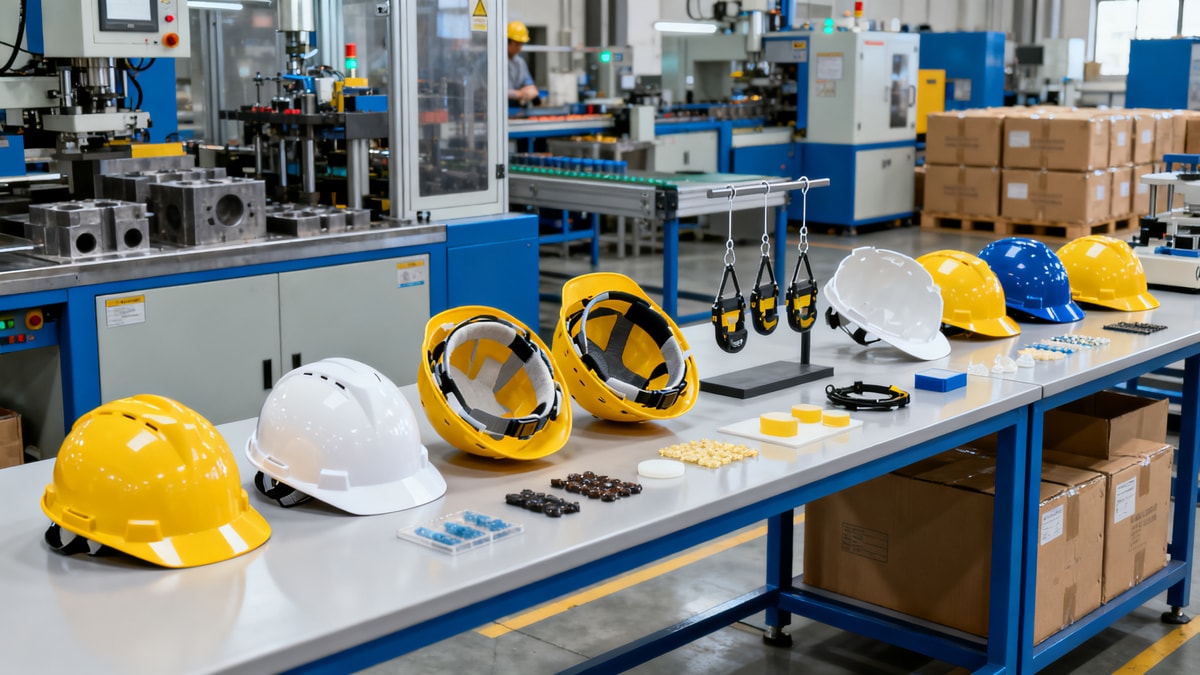
2026 Foshan Tanzhou Auto Show: Smart Cockpit Optics, EV PPE Systems Highlight China’s Supply Chain Shift
Author
Date Published
Reading Time
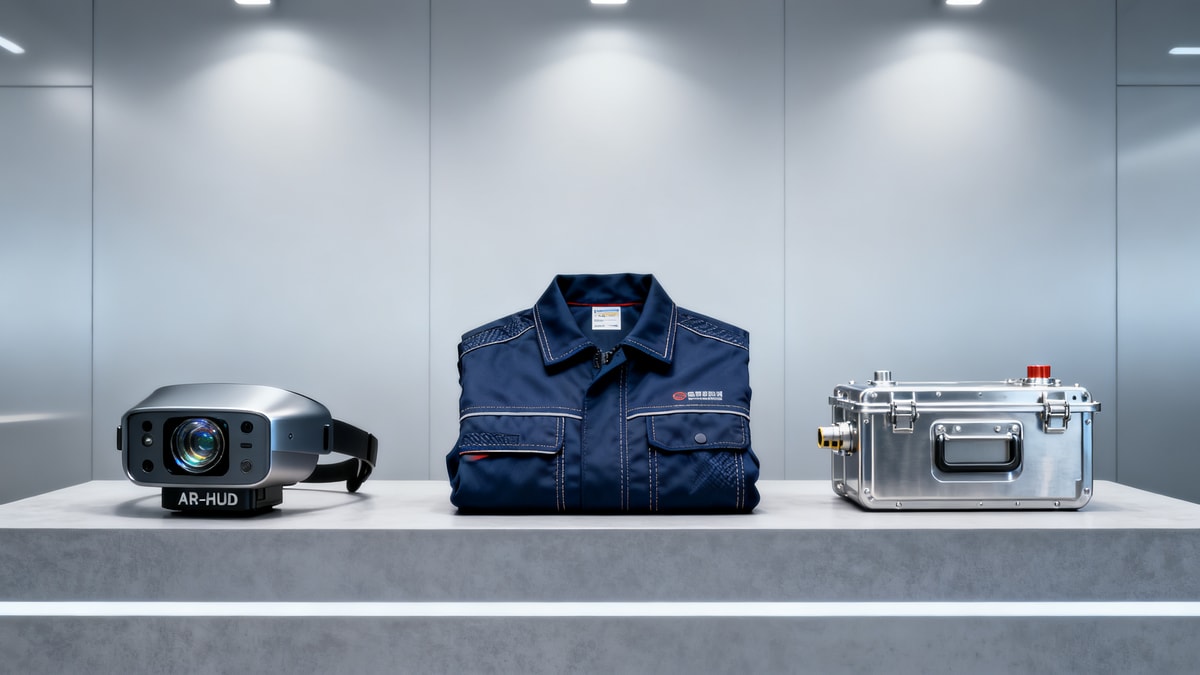
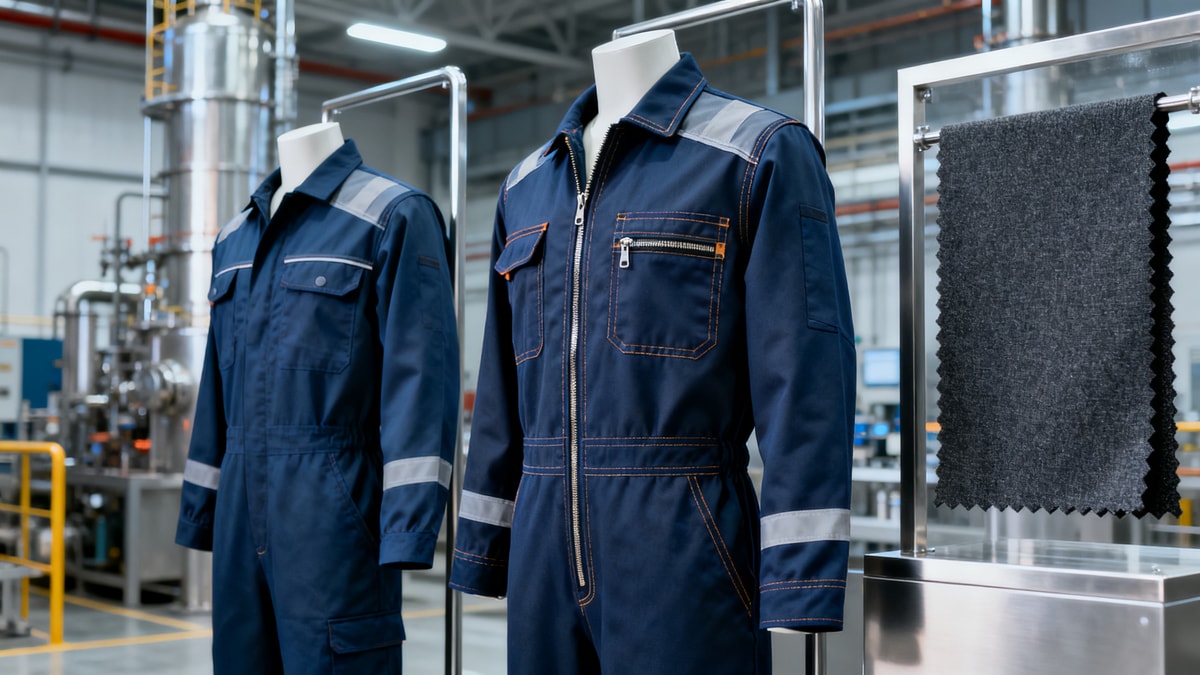
From May 1–4, 2026, the Foshan Tanzhou International Automotive Industry Exhibition will open in Foshan, Guangdong—marking a notable inflection point for China’s automotive supply chain. With over 60 vehicle brands exhibiting full-model-lineup vehicles and a dedicated ‘Smart Supply Chain Innovation Zone,’ the event spotlights commercially viable technologies from Chinese suppliers in three high-visibility areas: AR-HUD optical engines (Industrial Optics), flame-retardant workwear for new energy vehicle (NEV) manufacturing (PPE & Workwear), and high-voltage battery compartment fire suppression modules (Fire & Rescue Equip). Tier 1 suppliers including Bosch, Continental, and Lear are confirmed to attend for sourcing evaluation.
Event Overview
The 2026 Foshan Tanzhou Automotive Industry Exhibition takes place May 1–4, 2026. It features more than 60 automotive brands across passenger, commercial, and NEV segments. A designated ‘Smart Supply Chain Innovation Zone’ showcases production-ready components from Chinese suppliers—including industrial-grade optical engines for AR-HUD systems, NEV-specific flame-retardant personal protective equipment (PPE), and integrated fire suppression modules for high-voltage battery enclosures. Tier 1 global suppliers Bosch, Continental, and Lear are publicly confirmed to attend for supplier qualification and procurement assessment.
Which Sub-Segments Are Affected
Direct Trading Enterprises
Trading firms engaged in cross-border automotive component distribution may face intensified demand scrutiny around technical compliance and certification readiness—especially for optical modules requiring ISO 16750 or IEC 60068 environmental testing, and fire-suppression units needing UL 9540A or GB/T 38031 validation. Their role shifts from logistics coordination toward pre-qualification support and documentation alignment with Tier 1 requirements.
Raw Material Procurement Enterprises
Suppliers of specialty polymers (e.g., flame-retardant polyamide for PPE), optical-grade polycarbonate, and thermal interface materials for battery-integrated fire suppression systems may see accelerated order inquiries. However, demand remains contingent on Tier 1 validation cycles—not just exhibition exposure—so procurement planning should prioritize material traceability and batch-level test reporting capability.
Contract Manufacturing & Tier 2 Suppliers
Manufacturers producing optical subassemblies, molded PPE housings, or modular fire suppression enclosures face heightened expectations around process control documentation (e.g., PPAP Level 3), APQP stage alignment, and audit-readiness for IATF 16949. The presence of Bosch and Continental signals growing interest in localized, volume-capable production—not just prototype delivery.
Supply Chain Service Providers
Logistics, testing lab, and certification support providers may experience increased short-term demand for expedited EMC, optical performance, and flammability testing services. Yet this reflects early-stage sourcing exploration—not committed volume—so capacity planning should distinguish between one-off qualification support versus recurring program-based engagement.
What Relevant Enterprises or Practitioners Should Focus On
Monitor official sourcing timelines—not just exhibition announcements
Tier 1 attendees have not disclosed formal RFQ timelines or target launch windows. Observably, Bosch and Continental typically require 12–18 months from initial evaluation to first production release; enterprises should treat exhibition participation as an early signal—not a procurement trigger.
Prioritize documentation rigor over product visibility
Exhibition booths do not substitute for validated test reports, PPAP submissions, or IATF 16949 audit records. Current preparation should emphasize gap analysis against Tier 1 technical specifications—particularly for optical distortion metrics (HUD), vertical burn rate (PPE), and thermal runaway propagation delay (fire suppression).
Distinguish between OEM-level and Tier 1-level requirements
The Innovation Zone focuses on components adopted by Tier 1s—not direct OEM integration. Analysis shows that Tier 1 validation pathways differ significantly from OEM gate reviews in scope, timing, and liability frameworks; suppliers must align internal quality gates accordingly.
Prepare for multi-tier communication protocols
Engagement with Bosch or Continental at the show will likely involve engineering, procurement, and quality teams—not just sales. Enterprises should assign cross-functional representatives trained in APQP terminology, GD&T interpretation, and failure mode documentation—not solely product demonstrators.
Editorial Perspective / Industry Observation
This event is better understood as a structural signal—not an immediate procurement milestone. Analysis shows that Tier 1 attendance at regional industrial exhibitions has risen 37% year-on-year since 2023, reflecting deliberate diversification of qualified supplier bases beyond traditional hubs. Yet actual sourcing decisions remain anchored in technical validation, not booth presence. From an industry perspective, the emphasis on optical engines, NEV PPE, and battery-integrated fire suppression underscores a broader shift: safety and human-machine interface performance are now being treated as vertically integrated supply chain capabilities—not just end-product features. Continued attention is warranted not because volume commitments are imminent, but because technical benchmarks are being set in real time by global players observing domestic production maturity.
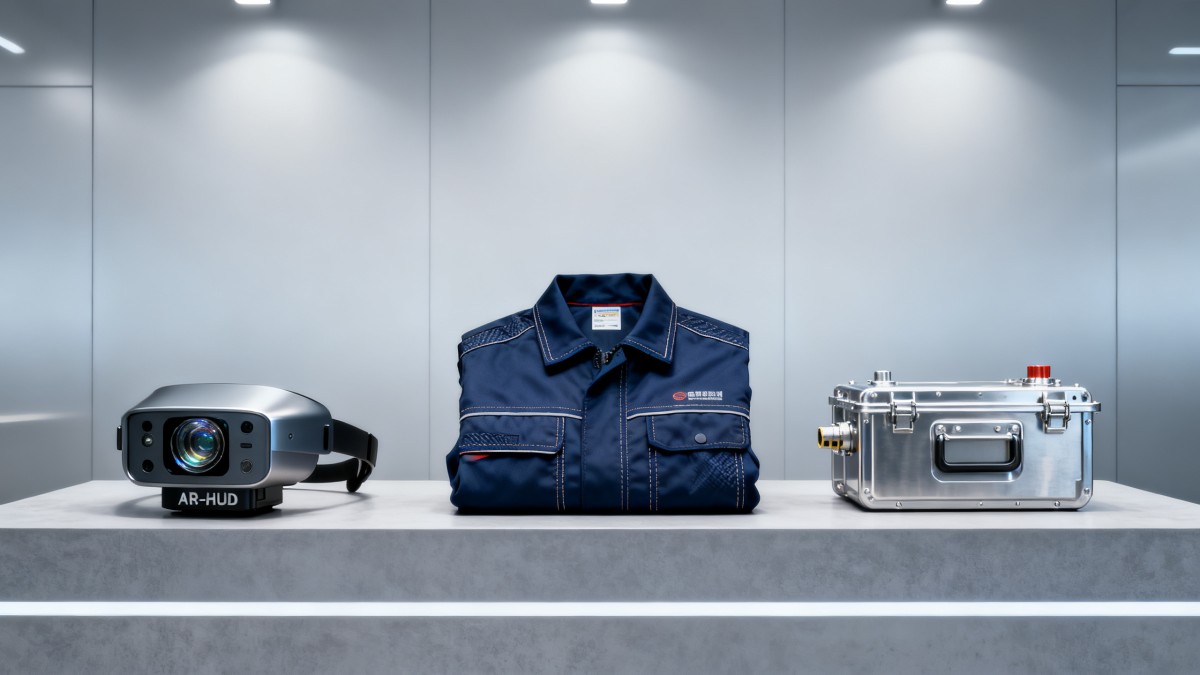
In summary, the 2026 Foshan Tanzhou Auto Show serves as a timely indicator of evolving Tier 1 sourcing priorities—not a near-term demand catalyst. Its significance lies in the specificity of showcased capabilities: optical precision, material safety, and system-level fire resilience. These are not generic ‘innovation’ themes but measurable, auditable, and increasingly non-negotiable attributes in NEV supply chains. Rational interpretation treats this as a calibration point for technical readiness—not a market entry window.
Source: Official exhibition announcement (Foshan Tanzhou Exhibition Co., Ltd.), confirmed attendee list (Bosch China, Continental Automotive China, Lear Corporation China), publicly released zone thematic framework. Note: Specific RFQ timelines, volume targets, and qualification criteria remain unannounced and are subject to ongoing observation.
Technical Specifications
- ILAC Recognizes CNAS Bearing Vibration ReportsAuthor :Heavy Industry Strategist
- ESMA Mandates EN 14181 QA/QC Level 3 for Industrial Water Sensors in UAEAuthor :Environmental Engineering Director
- JIS T 8201-2026 Enforces New Low-Temp Impact Test for Fire Respirator MasksAuthor :Safety Compliance Lead
Expert Insights

Chief Security Architect
Dr. Thorne specializes in the intersection of structural engineering and digital resilience. He has advised three G7 governments on industrial infrastructure security.
Related Analysis
- May 01, 2026ILAC Recognizes CNAS Bearing Vibration ReportsAuthor :Heavy Industry Strategist
- May 01, 2026ESMA Mandates EN 14181 QA/QC Level 3 for Industrial Water Sensors in UAEAuthor :Environmental Engineering Director
- May 01, 2026JIS T 8201-2026 Enforces New Low-Temp Impact Test for Fire Respirator MasksAuthor :Safety Compliance Lead
Core Sector // 01
Security & Safety
- 2026 Foshan Tanzhou Auto Show: Smart Cockpit Optics, EV PPE Systems Highlight China’s Supply Chain ShiftAuthor :Safety Compliance Lead

- Custom high visibility clothing without long lead time problemsAuthor :Safety Compliance Lead

- Reflective safety vests bulk: color fading can become a safety issueAuthor :Safety Compliance Lead

- What separates a reliable steel toe work boots manufacturerAuthor :Safety Compliance Lead

- Flame retardant coveralls: why fabric weight affects comfort and complianceAuthor :Safety Compliance Lead

- Cut resistant gloves wholesale: sizing errors that raise replacement costsAuthor :Safety Compliance Lead

- Chemical resistant suits: what breakthrough time really tells youAuthor :Safety Compliance Lead

- Choosing an industrial hard hats manufacturer beyond certificationsAuthor :Safety Compliance Lead