Wholesale Emergency Blankets: Cheap but Reliable
Author
Date Published
Reading Time
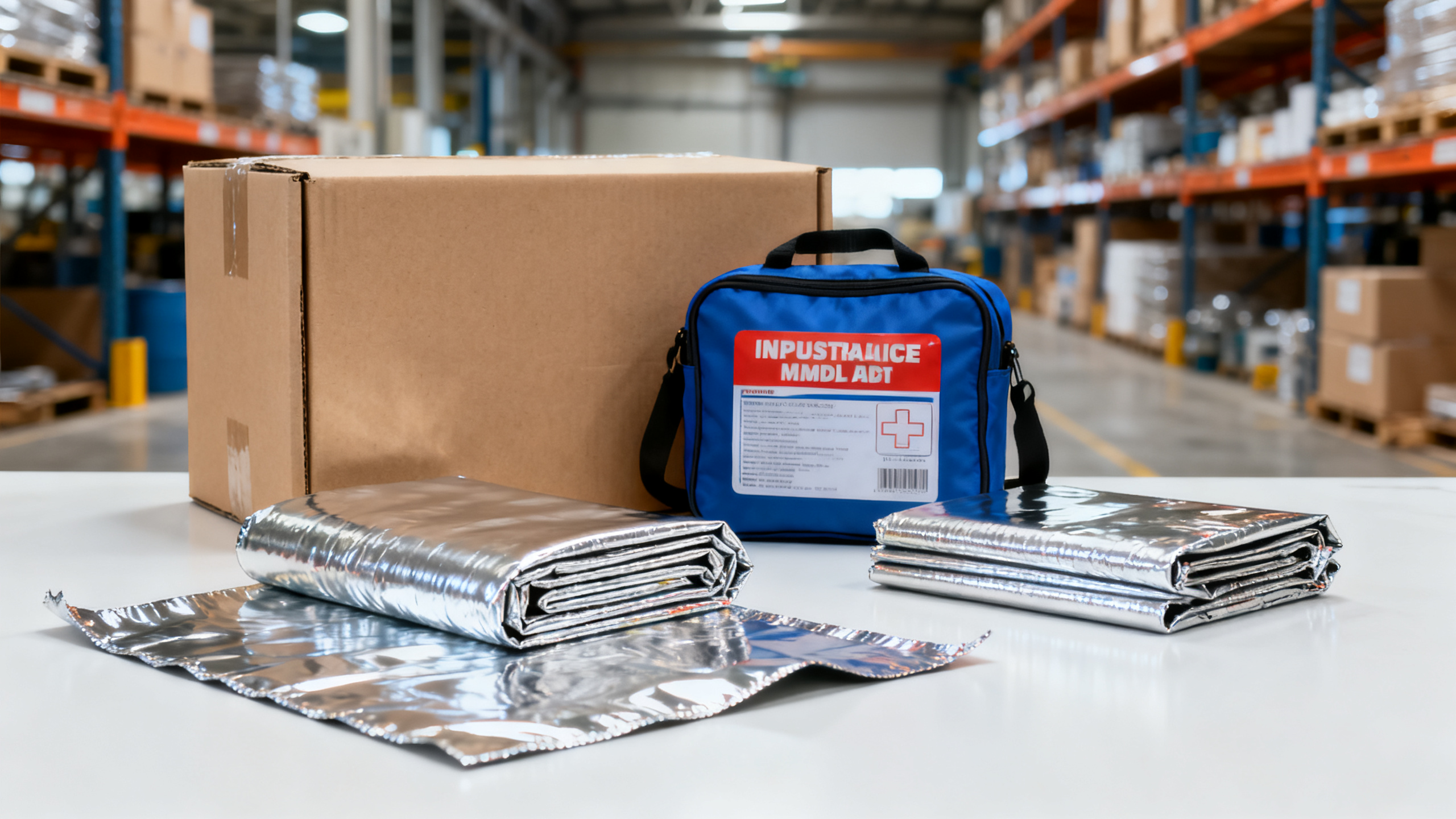
For buyers seeking wholesale emergency blankets that balance low cost with dependable performance, this guide explains what truly matters: material quality, thermal retention, packaging efficiency, and supply reliability. Whether you source first aid kits bulk, eye wash stations industrial, or broader safety products, understanding compliance, durability, and wholesale value helps procurement teams and decision-makers choose emergency protection that performs when it counts.
Why cheap emergency blankets can still be reliable in industrial and commercial supply chains
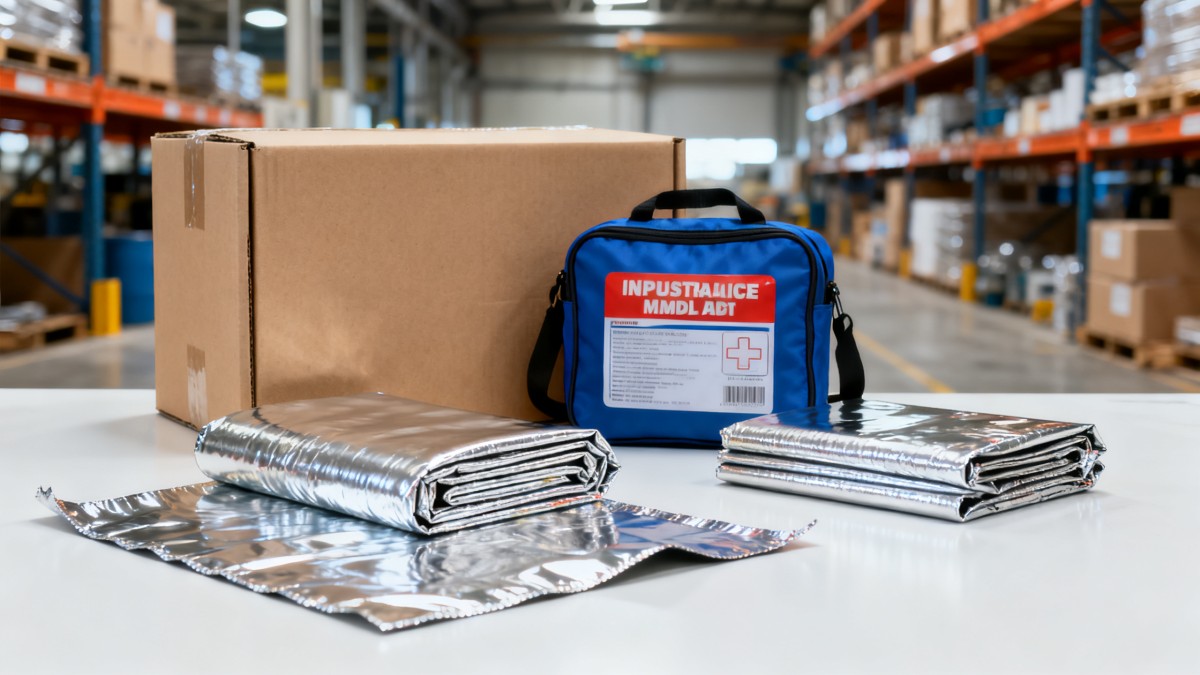
Wholesale emergency blankets are often treated as commodity items, yet in industrial procurement they serve a specific protective role inside first aid kits, evacuation packs, field response units, vehicle safety sets, and site emergency inventories. A low unit price does not automatically mean poor performance. In many cases, reliability depends on whether the blanket matches the intended use, storage duration, and packaging requirement rather than whether it is the thickest or most expensive option available.
For procurement teams, the real question is not simply cost per piece. It is cost per usable deployment over a 12–36 month inventory cycle. A blanket that tears during unpacking, delaminates after temperature swings, or arrives in inconsistent packaging creates replacement costs, audit risk, and operational frustration. In contrast, a well-specified wholesale emergency blanket can remain economical while still supporting emergency readiness across factories, warehouses, utilities, transport fleets, and construction sites.
This matters especially in broad industrial environments where buyers often source related safety products together. Teams comparing emergency blankets alongside first aid kits bulk purchases, eye wash stations industrial supply, PPE restocking, and emergency signage need products that fit a wider safety system. That means pack size, labeling, storage footprint, and replenishment timing should align with standard procurement workflows, not just with basic product descriptions.
What reliability means for a low-cost emergency blanket
In practical terms, reliability usually comes down to 4 core checks: material consistency, sealed packaging integrity, deployment ease, and supply continuity. Most buyers do not need advanced alpine survival blankets for routine workplace kits. They need compact thermal blankets that can help reduce heat loss, remain intact in storage, and arrive in predictable quantities such as 100, 250, or 500 units per order.
- Material consistency: the film should unfold without immediate splitting at the corners or fold lines.
- Packaging integrity: individually packed units should resist dust, moisture, and rough handling during transport.
- Deployment ease: operators must be able to open and apply the blanket quickly during a stress event.
- Supply continuity: repeat orders should maintain the same dimensions, pack format, and documentation standard.
Global Industrial Core focuses on these procurement-critical details because emergency readiness in heavy industry is never isolated. A blanket is not just a blanket when it must fit regulated facility inventories, contractor safety plans, and distributed multi-site replenishment programs. Buyers need decision support that links product choice to operating risk, storage logic, and sourcing discipline.
Which specifications should buyers compare before placing a wholesale emergency blanket order?
A wholesale emergency blanket should be evaluated through a small set of measurable procurement criteria. In most B2B purchases, 5 factors matter more than marketing claims: blanket dimensions, material thickness range, folded pack size, individual packaging type, and expected storage environment. These criteria influence fit inside first aid kits, pallet efficiency, warehouse handling, and actual usability in the field.
Many buyers also compare whether the blanket is intended for single-use emergency response, short-duration patient stabilization, outdoor evacuation support, or general vehicle kit use. A product that performs adequately in a car emergency set may not be ideal for a harsh industrial environment with temperature cycling, vibration, dust, and repeated transport across sites.
The table below summarizes practical comparison points that procurement teams can use when evaluating cheap but reliable emergency blankets. The values are not brand-specific claims; they are common buying references used to screen suppliers and narrow specifications before sample approval.
The strongest purchasing decisions usually begin with use-case matching. If the blanket is going into industrial first aid kits, compact dimensions and stable packaging may be more important than premium reinforcement. If it is intended for field deployment in utilities, transport, or remote worksites, buyers may prioritize handling strength and better resistance to repeated movement in storage.
How to screen suppliers with technical questions
Before approving a supplier, procurement personnel should ask for 3 sample-level confirmations: actual unfolded size tolerance, packaging method, and carton packing quantity. These details sound basic, but they often determine whether receiving teams can count, store, and issue the products efficiently across multiple departments or project sites.
Useful pre-order checks
- Confirm whether dimensions are nominal or measured after full unfolding, because fold memory can affect practical coverage.
- Request carton quantity details such as 100, 200, or 500 units per master carton to plan receiving and internal distribution.
- Check whether package labeling can include lot tracking, language requirements, or private-label references for internal safety systems.
- Ask how the product performs after storage in hot or cold conditions commonly seen in vehicles, containers, and unconditioned warehouses.
Where are wholesale emergency blankets most useful, and what changes by scenario?
Emergency blanket selection should reflect the actual response environment. In broad industrial procurement, a single blanket specification rarely fits every deployment point. A distribution center, a chemical processing site, a utility maintenance fleet, and a temporary construction camp all face different exposure risks, storage constraints, and response timelines. That is why scenario-based purchasing often reduces waste better than defaulting to the cheapest available SKU.
For example, in a fixed facility first aid room, blankets may be stored in cabinets with stable temperatures and low movement. In that case, efficient bulk packing and simple identification can be enough. In contrast, blankets carried in service vehicles may sit for 6–24 months under vibration and seasonal temperature swings, so packaging resilience becomes much more important.
The application table below helps teams distinguish where low-cost emergency blankets are suitable, where reinforced options may be worth considering, and how safety inventory planning should adapt by environment.
This comparison shows that the “right” wholesale emergency blanket is closely tied to where and how it will be used. A procurement team that defines 3 or 4 deployment scenarios in advance can often simplify sourcing and reduce internal disagreement. Operators get usable products, safety managers get consistency, and finance teams avoid over-specifying low-risk applications.
Scenario planning for cross-category safety procurement
Many organizations buy emergency blankets together with first aid kits bulk orders, absorbent products, eye wash stations industrial equipment, and PPE replenishment. Combining these into one safety review cycle every quarter or every 6 months can improve stock visibility and reduce urgent spot buys. GIC often recommends a category-based approach: define essential items, validate pack compatibility, then align replenishment frequency with actual site usage.
- For low-consumption sites, use annual review with sealed stock inspection and carton count verification.
- For high-turnover projects, use monthly or quarterly replenishment tied to workforce changes and kit issuance.
- For dispersed fleets, standardize one or two blanket formats to reduce SKU confusion during restocking.
What should procurement teams check on compliance, packaging, and total cost?
Emergency blankets are simple products, but B2B buyers still need a disciplined review process. The focus is usually not on claiming a special medical device status unless the product is sold and regulated that way in a given market. Instead, buyers should verify practical compliance areas: product description accuracy, material declaration where required, packaging consistency, traceability, and suitability for inclusion in broader workplace safety systems.
For international sourcing, documentation quality matters almost as much as the item itself. If cartons arrive without clear lot identification, count labeling, or basic packing documentation, inventory control becomes harder. That is especially relevant when the blankets are redistributed into regional warehouses, EPC project stores, offshore containers, or contractor issue packs. Even low-cost items should support an orderly receiving and audit trail.
The procurement checklist below is useful when comparing wholesale emergency blanket offers from multiple vendors. It helps shift the discussion from headline price to practical total cost, including repacking labor, receiving risk, and replacement exposure.
A 6-point procurement checklist
- Check declared blanket dimensions and confirm acceptable tolerance for your internal kit specification.
- Review individual packaging format and whether it protects against dust and casual moisture exposure.
- Confirm carton pack quantity and palletization logic to avoid inefficient warehousing or recounting.
- Request sample inspection before bulk approval, especially when switching supplier or changing material source.
- Ask about typical lead times such as 7–15 days for available stock or 2–4 weeks for private-label packed orders.
- Clarify whether supporting documents can include packing list detail, lot reference, and any market-specific labeling needs.
A blanket that is one cent cheaper but requires manual recounting, repacking, or emergency reorder can become the more expensive choice in practice. Total procurement cost includes internal labor, receiving delays, non-conforming stock handling, and cross-site redistribution. This is why experienced buyers often set a minimum acceptance standard even for low-value safety consumables.
Common misconceptions that lead to poor purchases
One common mistake is assuming all metallized blankets are interchangeable. Another is choosing based only on catalog photos without testing how the unit fits a real first aid kit or vehicle pouch. A third is ignoring replenishment planning. For a 10-site organization, inconsistent pack sizes can create unnecessary handling complexity every time a central warehouse redistributes stock.
Global Industrial Core advises buyers to evaluate emergency blankets the same way they evaluate other safety essentials: define intended use, set measurable acceptance points, sample first, then scale. This approach is especially effective for procurement directors and facility managers who must defend both budget discipline and operational readiness.
FAQ and next steps: how to buy wholesale emergency blankets with fewer surprises
The most frequent buyer questions usually center on suitability, lead time, and whether a cheap emergency blanket is appropriate for regulated or high-accountability environments. The short answer is yes, if the blanket is used within a clearly defined role and sourced with consistent packaging, specification control, and supplier responsiveness. The answers below address common search and procurement concerns.
How do I choose the right wholesale emergency blanket for first aid kits bulk orders?
Start with the kit dimensions and the intended use environment. If the blanket must fit a compact workplace kit, prioritize folded size, pouch durability, and count accuracy. If it is for mobile crews or transport fleets, add checks for packaging toughness and storage tolerance. In many programs, one compact blanket format covers 70%–80% of standard kit applications, while a second stronger option supports field units and remote teams.
Are emergency blankets suitable for industrial safety inventories?
Yes, when they are treated as part of a broader emergency response inventory rather than as a standalone solution. In industrial settings, they are commonly used in first aid kits, emergency cabinets, welfare stations, service vehicles, and temporary response caches. Buyers should ensure the product specification aligns with site procedures, training level, and storage conditions over typical review periods such as 6, 12, or 24 months.
What lead time should buyers expect for wholesale emergency blankets?
Lead time varies by stock status, packaging customization, and order size. For standard bulk-packed items, buyers often see windows around 7–15 days when stock is available. For custom packing, private labeling, or larger consolidated safety orders, 2–4 weeks is a more cautious planning range. Early confirmation of carton configuration and labeling needs helps avoid last-minute delays.
What should enterprise buyers ask before requesting a quote?
Ask for 5 details upfront: unfolded size, individual packaging method, carton quantity, estimated lead time, and sample availability. If you are combining the order with first aid kits bulk supply, eye wash stations industrial purchases, or site-wide safety replenishment, also ask whether the supplier can align delivery schedules and packing logic across categories. This reduces receiving complexity and supports cleaner procurement comparison.
Why work with Global Industrial Core for sourcing decisions?
GIC supports buyers who need more than a basic catalog answer. We help information researchers, operators, procurement teams, and enterprise decision-makers compare emergency blanket options in the context of real industrial use, cross-category safety sourcing, and operational risk control. That includes guidance on parameter confirmation, product selection, supply planning, packaging review, documentation expectations, and vendor comparison logic.
If you are evaluating wholesale emergency blankets, we can help you narrow the specification, assess application fit, compare low-cost and reinforced options, and clarify practical questions such as sample support, delivery cycle, certification-related documentation, and quotation structure. This is especially useful when the blankets will be purchased alongside first aid kits bulk programs or other industrial safety products that require coordinated sourcing.
Contact GIC to discuss your required dimensions, packaging format, order volume, delivery window, custom labeling needs, and site-specific compliance concerns. A focused review at the start of the process can prevent mismatched stock, rushed reorders, and avoidable procurement friction later.
Expert Insights

Chief Security Architect
Dr. Thorne specializes in the intersection of structural engineering and digital resilience. He has advised three G7 governments on industrial infrastructure security.
Related Analysis
Core Sector // 01
Security & Safety
- First Aid Kits Bulk: What Should Be InsideAuthor :Safety Compliance Lead

- Wholesale Emergency Blankets: Cheap but ReliableAuthor :Safety Compliance Lead

- Hidden fire risks in electrical safety panelsAuthor :Safety Compliance Lead

- Defibrillator AED wholesale: battery dates matter more than priceAuthor :Safety Compliance Lead

- What makes one stretcher bed manufacturer easier to trustAuthor :Safety Compliance Lead

- Wholesale rescue tripods: aluminum or steel for field use?Author :Safety Compliance Lead

- Confined space equipment mistakes that raise rescue timeAuthor :Safety Compliance Lead

- Hazmat storage cabinets: what fire rating labels actually meanAuthor :Safety Compliance Lead