Confined space equipment mistakes that raise rescue time
Author
Date Published
Reading Time
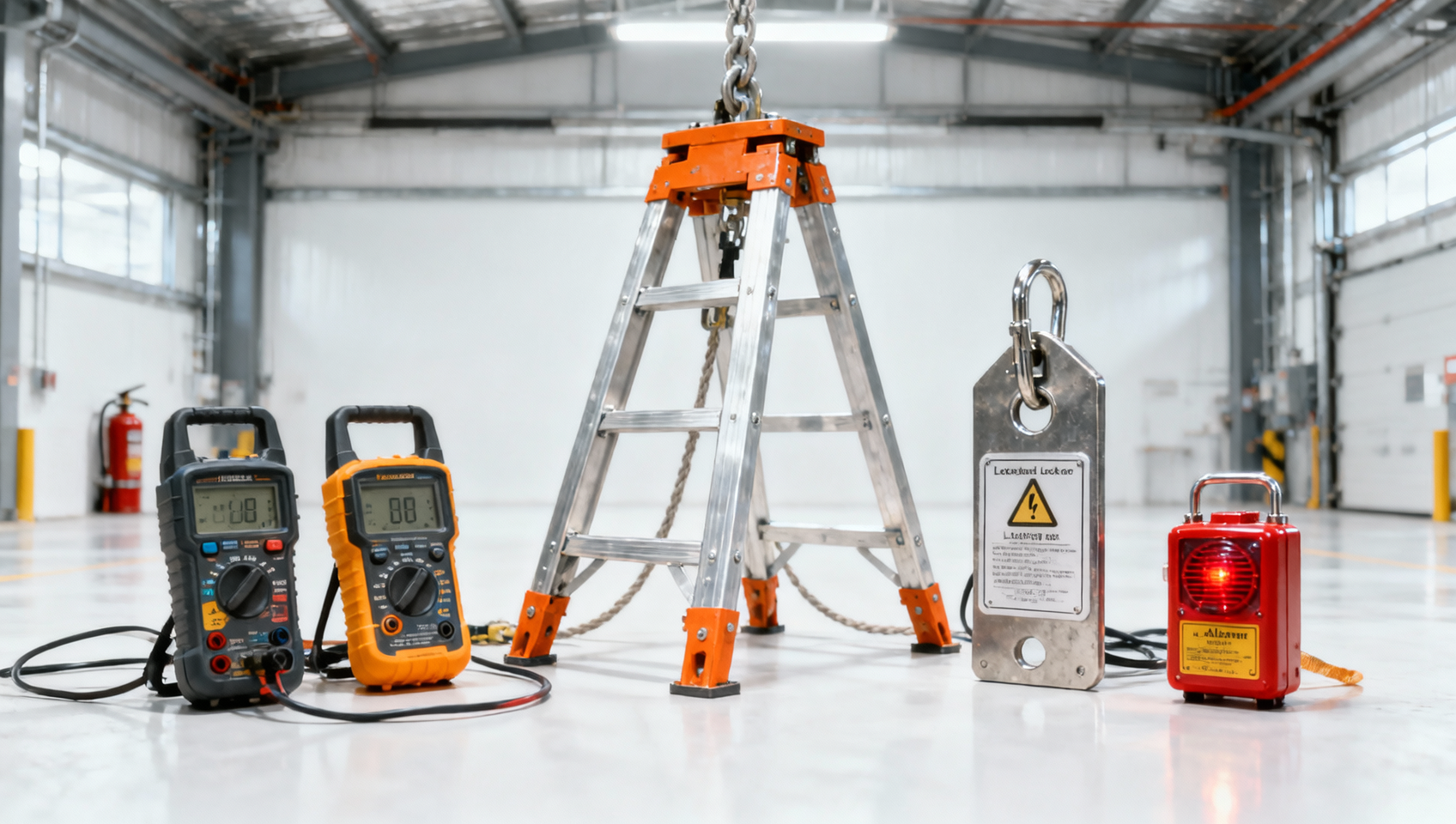
In confined space rescue, minutes are often lost long before the alarm is raised—through poor gear choices, missing checks, and mismatched systems. This guide examines the most common confined space equipment mistakes that delay response, from portable gas monitors and wholesale rescue tripods to lockout tagout stations and carbon monoxide alarms, helping operators, buyers, and decision-makers reduce risk and improve rescue readiness.
Why does confined space equipment fail when rescue time matters most?
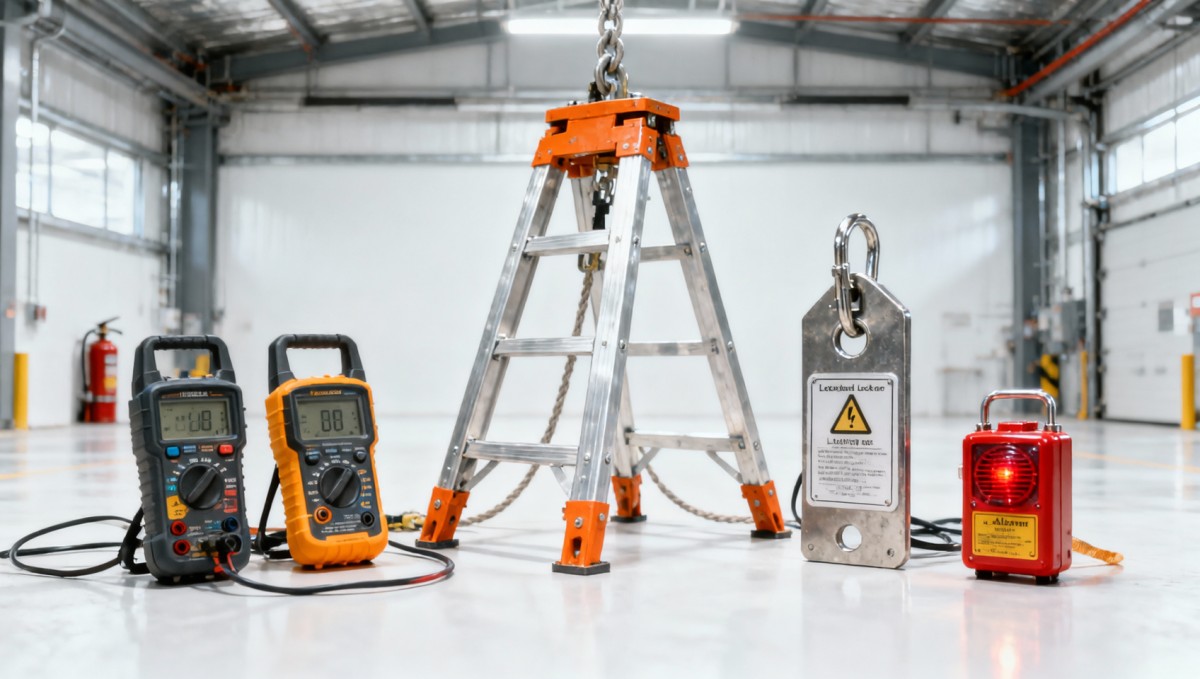
Confined space incidents rarely become severe because one device fails in isolation. Delays usually come from a chain of equipment mistakes: a gas monitor with the wrong sensor set, an anchor point that was never verified, a retrieval system stored too far from the entry point, or lockout hardware that does not match the isolation plan. In many industrial sites, the first 3–10 minutes of a response are lost not in rescue execution, but in locating, checking, and adapting equipment that should have been ready before entry began.
For operators, the pain point is practical. They need equipment that can be deployed in seconds, read in low-visibility environments, and function reliably across tanks, pits, silos, sewers, vaults, and process vessels. For procurement teams, the challenge is different: they must balance compatibility, compliance, lead time, maintenance cost, and training burden across multiple facilities, often with 2–4 different confined space profiles under one safety program.
Decision-makers also face a hidden risk. Buying individual devices without building a coherent rescue system can create a false sense of readiness. A facility may own a tripod, harnesses, portable gas monitors, and alarms, yet still lack a workable rescue path because connector types differ, calibration routines are inconsistent, or load ratings do not cover the intended entrants. That gap increases rescue time precisely when fast extraction is critical.
From a B2B operational perspective, confined space equipment should be evaluated as an integrated readiness package, not a shopping list. Global Industrial Core supports this approach by aligning safety equipment decisions with real industrial constraints: standard compliance, cross-site comparability, documented maintenance cycles, and sourcing practicality for EPC contractors, plant operators, and procurement directors managing high-consequence environments.
The 5 equipment errors that most often extend rescue time
- Selecting atmospheric monitoring based only on price, instead of expected hazards such as oxygen deficiency, combustible gas, hydrogen sulfide, or carbon monoxide.
- Buying rescue tripods or davit systems without checking entry geometry, clearance, and rated load for worker plus tools and retrieval forces.
- Treating lockout tagout stations as administrative accessories rather than part of rescue prevention, especially where multiple energy sources must be isolated within 5–15 minutes.
- Storing emergency gear in central locations instead of point-of-use positions near recurring confined space entries.
- Allowing inspection, bump testing, and calibration intervals to drift, creating uncertainty at the exact moment equipment is needed.
These errors appear across utilities, food processing, oil and gas, metals, wastewater, power generation, and general manufacturing. The setting changes, but the pattern is similar: rescue time rises when prevention equipment, monitoring tools, retrieval systems, and operator training are managed in separate silos.
Which equipment mistakes create the biggest delays on site?
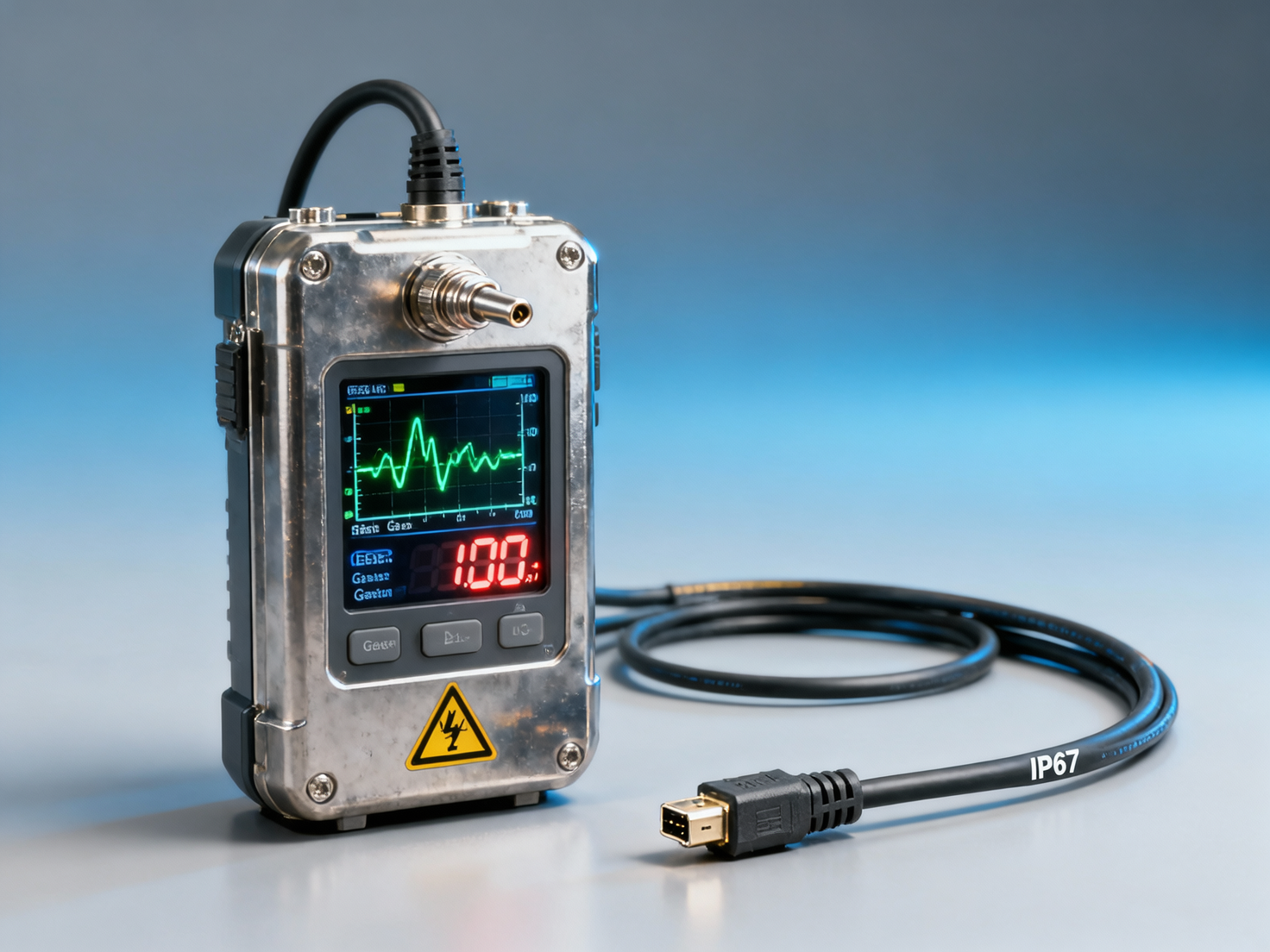
The most damaging mistakes are usually not dramatic. They are ordinary selection and maintenance decisions that seem acceptable during purchasing but become costly during an emergency. A portable gas monitor may technically work, for example, but if it requires a complicated menu sequence, has a weak pump for remote sampling, or lacks a clear alarm hierarchy, operators may spend 2–5 extra minutes confirming atmospheric status before entry or rescue.
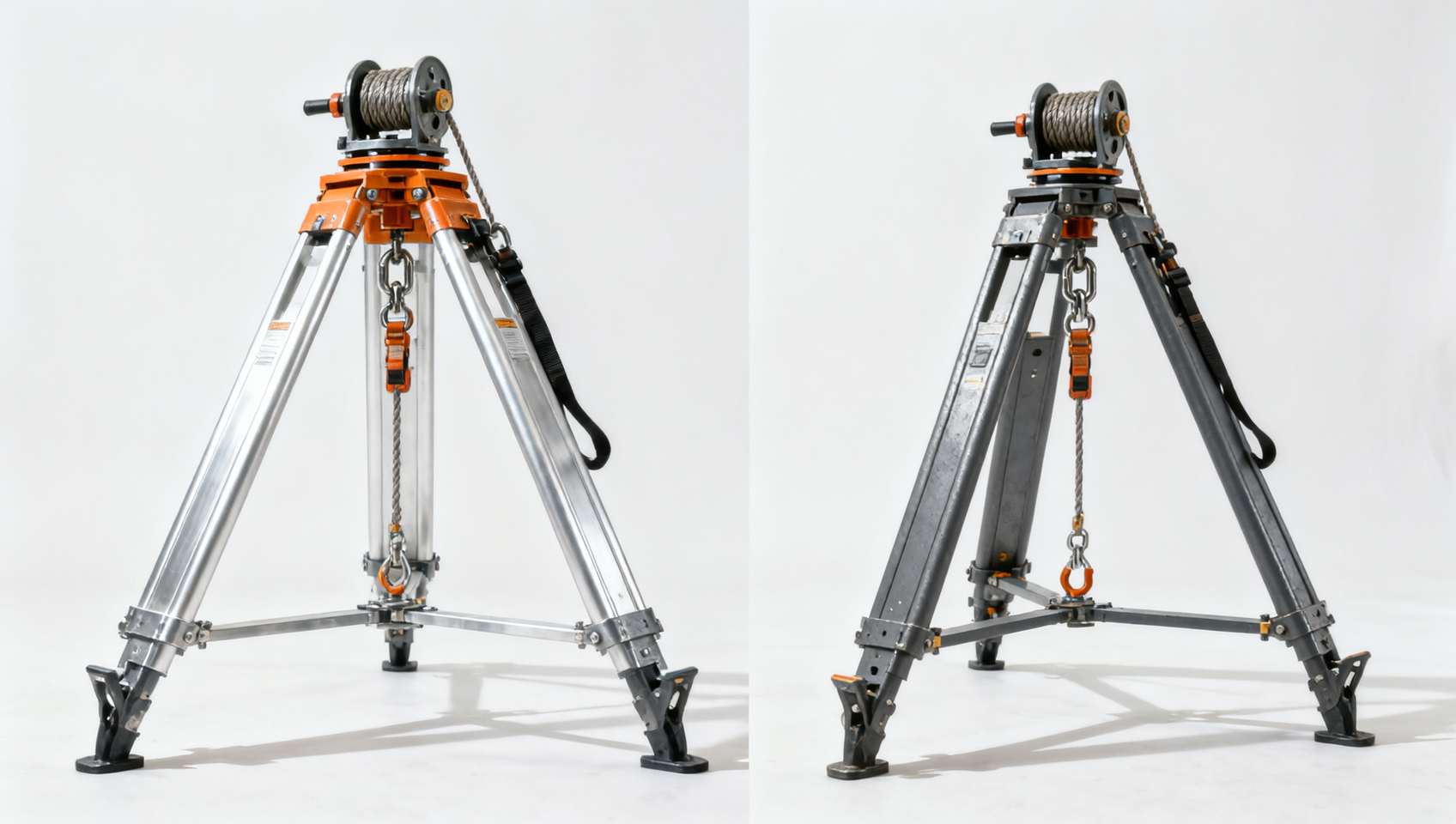
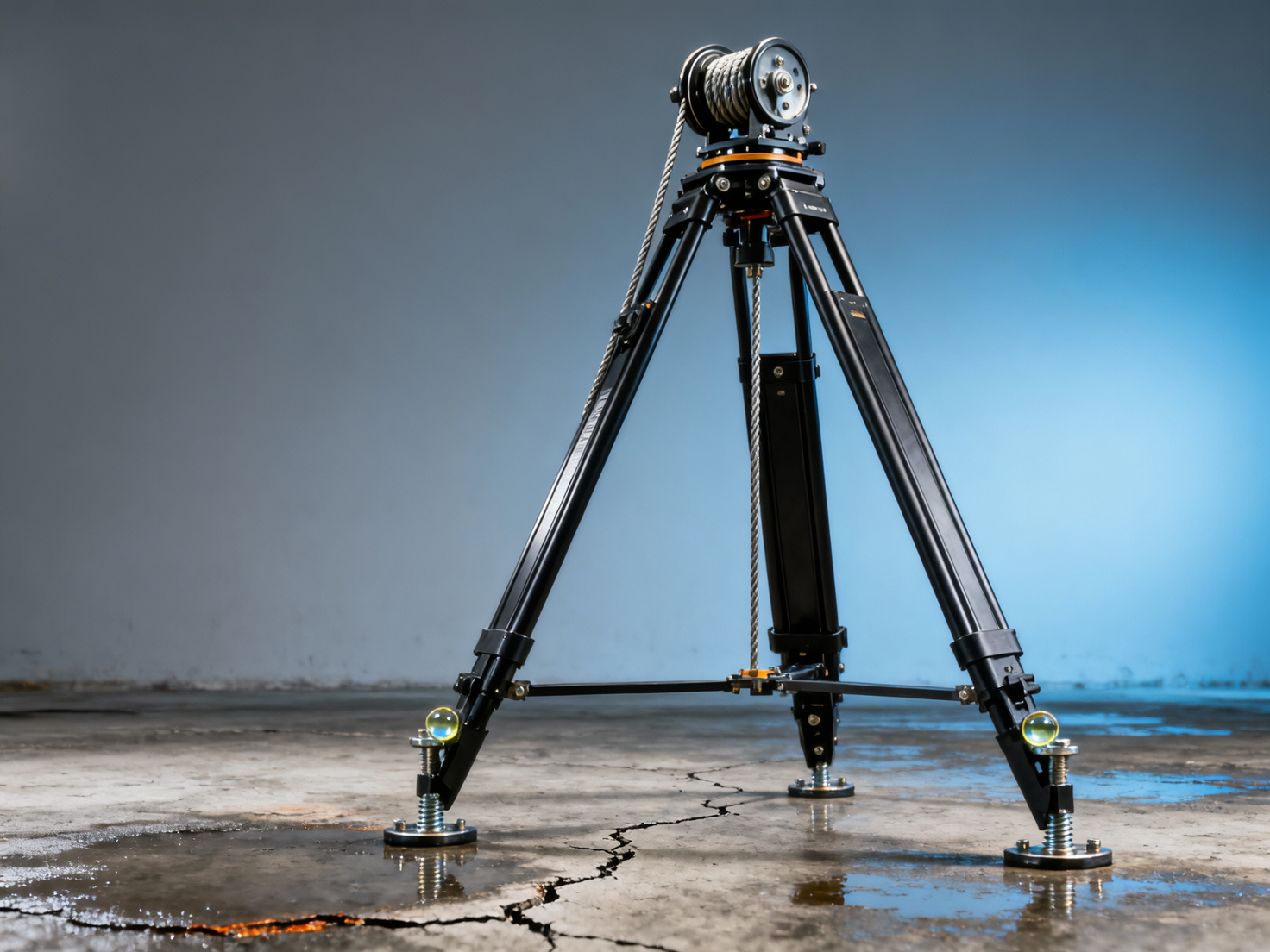
Rescue tripod errors are equally common. Many buyers source wholesale rescue tripods based on nominal load capacity alone. Yet rescue speed depends on more than vertical rating. Footprint stability, head height, leg locking simplicity, winch compatibility, and the available working envelope around the opening all matter. A tripod that fits a training yard may not fit a congested process area where piping, grating, or curbs restrict setup angles.
Another delay driver is weak isolation readiness. If electrical, pneumatic, hydraulic, chemical, and mechanical energy sources are not clearly identified and supported by complete lockout tagout stations, rescuers may hesitate before entering or extracting. That hesitation is rational. No trained team should rush into a space if agitators, conveyors, powered valves, or compressed systems could re-energize in the next 30 seconds.
Carbon monoxide alarms also deserve closer attention. In combustion-adjacent work, generator exhaust, adjacent vehicle movement, burners, and portable heating equipment can turn a routine space into a complex monitoring environment. Relying on a basic single-gas alarm where a 4-gas or 5-gas monitor is more suitable can create under-detection, forcing rechecks, evacuation, and restart cycles that stretch response windows.
Typical mistakes by equipment category
The table below shows how common equipment mistakes translate into operational delay. It is especially useful for buyers comparing current inventory against actual confined space rescue requirements across 3 key layers: detection, isolation, and retrieval.
A practical reading of this table is simple: the wrong equipment choice often does not cause immediate failure. It causes uncertainty. And uncertainty is what stretches rescue time, because teams stop to verify alarms, revise setup, or repeat isolation steps that should already have been standardized.
Checklist for supervisors before permit activation
- Confirm atmospheric monitoring method, including remote sampling if the space exceeds typical reach or has layered gas risk.
- Verify retrieval hardware compatibility from anchorage to connector, harness attachment, and winch or SRL interface.
- Check that lockout tagout devices cover all identified energy sources and support group control if 2 or more crews are involved.
- Position rescue gear at the entry point, not in a remote safety room or shared maintenance cage.
Even this 4-step review can cut avoidable delay. It does not replace a full program, but it prevents many of the most expensive equipment mismatches before workers enter the space.
How should buyers compare gas monitoring, retrieval, and isolation systems?
Procurement mistakes often start with fragmented sourcing. One team buys monitors, another team buys rescue hardware, and a third team manages lockout products. The result is a set of compliant items that do not function as a cohesive rescue system. A better method is to compare options across 4 dimensions: hazard fit, deployment speed, maintenance burden, and training complexity.
For gas detection, buyers should define whether they need single-gas, 4-gas, or expanded multi-gas capability. For retrieval, they should compare tripod, davit, or fixed anchorage suitability. For isolation, they should map real energy points and lockout workflows instead of relying on a standard cabinet. In industrial settings, a 7–15 day delay in replacing the wrong item can leave recurring confined space jobs dependent on workarounds, which is exactly what safety teams try to avoid.
The table below is designed for procurement reviews, bid comparisons, and internal safety committee discussions. It focuses on fit-for-use rather than marketing language, which is essential when equipment must perform under time pressure.
The strongest procurement decisions are usually those that reduce both operational delay and management friction. If calibration gas, spare sensors, compatible connectors, and lockout devices are all difficult to source, the site may own the right products on paper but struggle to keep them ready over a 6–12 month operating cycle.
What should purchasing teams ask before issuing an order?
- Does this equipment match the specific confined space types on site, such as tanks, manholes, sumps, pits, or vessels?
- What inspection, bump test, calibration, or recertification intervals will the site need to manage monthly, quarterly, or annually?
- Are spare parts, consumables, and service support available within the expected procurement lead time?
- Can operators deploy the system quickly after a short refresher, or does it require advanced specialist training?
These questions help move sourcing discussions from unit price to readiness value. In confined space rescue planning, the cheapest item can become the most expensive one if it adds even a few avoidable minutes during an emergency.
What standards, inspection routines, and setup rules reduce rescue delay?
Confined space programs vary by region and industry, but the core expectation is consistent: hazards must be identified before entry, isolation must be controlled, atmospheric conditions must be monitored, and rescue capability must be practical rather than theoretical. Buyers and safety managers should therefore look for equipment that can be documented within permit systems, inspection records, and maintenance schedules without adding unnecessary complexity.
In many facilities, the most useful benchmark is not a single brand or product feature. It is whether the equipment supports repeatable execution across 3 stages: pre-entry verification, live work monitoring, and emergency extraction. If any stage depends on improvised adapters, missing keys, borrowed meters, or undocumented lockout devices, rescue time becomes vulnerable.
Operators should also distinguish between inspection and readiness. A device may pass a periodic inspection and still be badly positioned for actual use. For example, a retrieval system stored 80 meters away, or a gas monitor with a dead battery discovered at the permit point, creates delay despite nominal compliance. Readiness means the equipment is both serviceable and immediately usable.
For cross-border projects and large industrial procurement programs, it is sensible to align equipment selection with common international expectations such as CE, UL, or ISO-related purchasing criteria where applicable, while also meeting local confined space and lockout requirements. This helps EPC teams and site owners reduce requalification work when equipment moves between projects or facilities.
A practical 6-point readiness rule
- Verify hazard assessment before each entry, especially when process conditions changed within the last shift or 24 hours.
- Confirm gas detection function through the required pre-use check routine and keep calibration status visible.
- Position retrieval equipment at the opening with connectors, harness attachment, and line path already confirmed.
- Ensure lockout tagout stations contain the actual device types needed for the job, including group lockout if required.
- Review communication method between entrant, attendant, and rescue support before permit activation.
- Document any equipment substitution immediately; do not assume equivalent performance without review.
A 6-point rule like this is valuable because it can be applied consistently across sites. It also creates a common language between operations, maintenance, EHS, and procurement, which reduces confusion when replacement equipment or new vendors are introduced.
Where many programs still go wrong
A frequent error is treating training, equipment, and permits as separate workflows. In reality, they are linked. If a site changes to a new monitor platform, retrieval connector standard, or lockout layout, operators need refresher training and permit revisions. Without that update, the equipment may technically improve capability while still slowing response because users hesitate under pressure.
Another common issue is buying for the average task instead of the worst credible scenario. A site may use confined space entry weekly with low complexity, but one annual shutdown entry may require deeper retrieval, longer sampling lines, or a broader gas hazard profile. If equipment planning ignores that higher-risk 1-in-12 scenario, rescue readiness remains incomplete.
FAQ: how can teams improve confined space rescue readiness without overspending?
The questions below reflect real procurement and operations concerns from facilities trying to improve confined space rescue speed while maintaining budget discipline. The key is not to buy everything possible, but to remove the equipment gaps that most predictably add delay.
How many gas monitors should a site keep for confined space work?
There is no single number for every facility. A practical baseline is to align quantity with simultaneous entries, backup availability, and service downtime. If a site commonly runs 2 active confined space permits at once, it usually needs more than 2 monitors because one may be in calibration, one may be assigned to pre-entry testing, and one should remain available as backup. Planning only to the minimum count often creates availability delays.
Are wholesale rescue tripods always the most economical option?
Not always. A lower purchase price can be attractive for multi-site rollouts, but total value depends on deployment fit, compatibility, inspection burden, and service support. If the tripod needs extra adapters, frequent repositioning, or does not suit the opening geometry, teams lose time during setup. For repetitive entries at fixed locations, a davit or engineered anchorage may offer lower operational friction over a 12–24 month period.
When is a carbon monoxide alarm not enough?
A carbon monoxide alarm is not enough when the confined space may also contain oxygen deficiency, combustible atmospheres, hydrogen sulfide, process vapors, or stratified gases. It is best used in narrow, well-defined hazard conditions. In mixed industrial environments, a broader monitor often reduces repeated testing and uncertainty, even if the initial equipment cost is higher.
What is the biggest lockout tagout mistake in confined space entry?
The biggest mistake is assuming a standard lockout tagout station automatically covers the actual energy profile of the space. Many spaces involve more than electrical isolation. Pneumatic lines, hydraulic pressure, gravity hazards, stored mechanical energy, and process flow all matter. If even 1 critical isolation point cannot be secured with the available devices, rescue timing and worker safety are both affected.
How often should rescue equipment readiness be reviewed?
For active sites, readiness should be reviewed on several layers: pre-use before each entry, function checks on the required schedule, and broader program reviews monthly or quarterly depending on entry frequency. High-use facilities often benefit from a quarterly cross-functional review covering monitor service status, tripod condition, harness compatibility, lockout completeness, and spare availability. This catches system drift before an emergency exposes it.
Why work with Global Industrial Core on confined space equipment decisions?
Confined space rescue readiness is not improved by isolated product choices. It improves when safety devices, instruments, power isolation controls, and mechanical access systems are evaluated together. That cross-disciplinary view is exactly where Global Industrial Core adds value for EPC contractors, industrial procurement leaders, facility managers, and safety teams operating in high-consequence environments.
GIC helps buyers move from broad product searching to structured evaluation. That includes support for parameter confirmation, application matching, comparison of monitoring and retrieval options, review of lockout tagout station completeness, and discussion of practical sourcing factors such as replacement intervals, accessory compatibility, and typical delivery windows. In projects where compliance, uptime, and worker protection all matter, this saves time at the specification stage and reduces avoidable rework later.
If your team is reviewing portable gas monitors, wholesale rescue tripods, carbon monoxide alarms, or site-specific lockout solutions, GIC can help you structure the decision around 3 essentials: hazard reality, operational speed, and procurement sustainability. That is especially useful when multiple departments influence the final purchase but no single team has complete visibility across the whole rescue workflow.
Contact Global Industrial Core to discuss confined space equipment selection, delivery planning, certification expectations, sample evaluation pathways, and quotation support. Whether you need a comparison shortlist for one facility or a broader sourcing framework for multi-site industrial operations, the most productive next step is a focused review of your entry types, risk profile, and current equipment gaps.
Technical Specifications
Expert Insights

Chief Security Architect
Dr. Thorne specializes in the intersection of structural engineering and digital resilience. He has advised three G7 governments on industrial infrastructure security.
Related Analysis
- Apr 14, 2026How accurate is a true RMS multimeter on VFD signals?Author :Precision Metrology Expert
- Apr 14, 2026When a digital oscilloscope wholesale quote looks cheap at firstAuthor :Precision Metrology Expert
- Apr 14, 2026What changes when an ozone generator goes commercial gradeAuthor :Environmental Engineering Director
Core Sector // 01
Security & Safety
- Defibrillator AED wholesale: battery dates matter more than priceAuthor :Safety Compliance Lead

- What makes one stretcher bed manufacturer easier to trustAuthor :Safety Compliance Lead

- Wholesale rescue tripods: aluminum or steel for field use?Author :Safety Compliance Lead

- Confined space equipment mistakes that raise rescue timeAuthor :Safety Compliance Lead

- AED defibrillators wholesale often ship without verified battery charge cycles—why ‘fresh’ units may already be two years oldAuthor :Safety Compliance Lead

- Stretcher beds from manufacturers skip dynamic load testing—how static weight ratings misrepresent real patient transport stressAuthor :Safety Compliance Lead

- Rescue tripods ordered wholesale rarely include anchor point verification—why ground conditions override tripod class ratingsAuthor :Safety Compliance Lead

- Confined space equipment certifications don’t require real-time gas response logging—what happens during transient exposure spikesAuthor :Safety Compliance Lead