Defibrillator AED wholesale: battery dates matter more than price
Author
Date Published
Reading Time
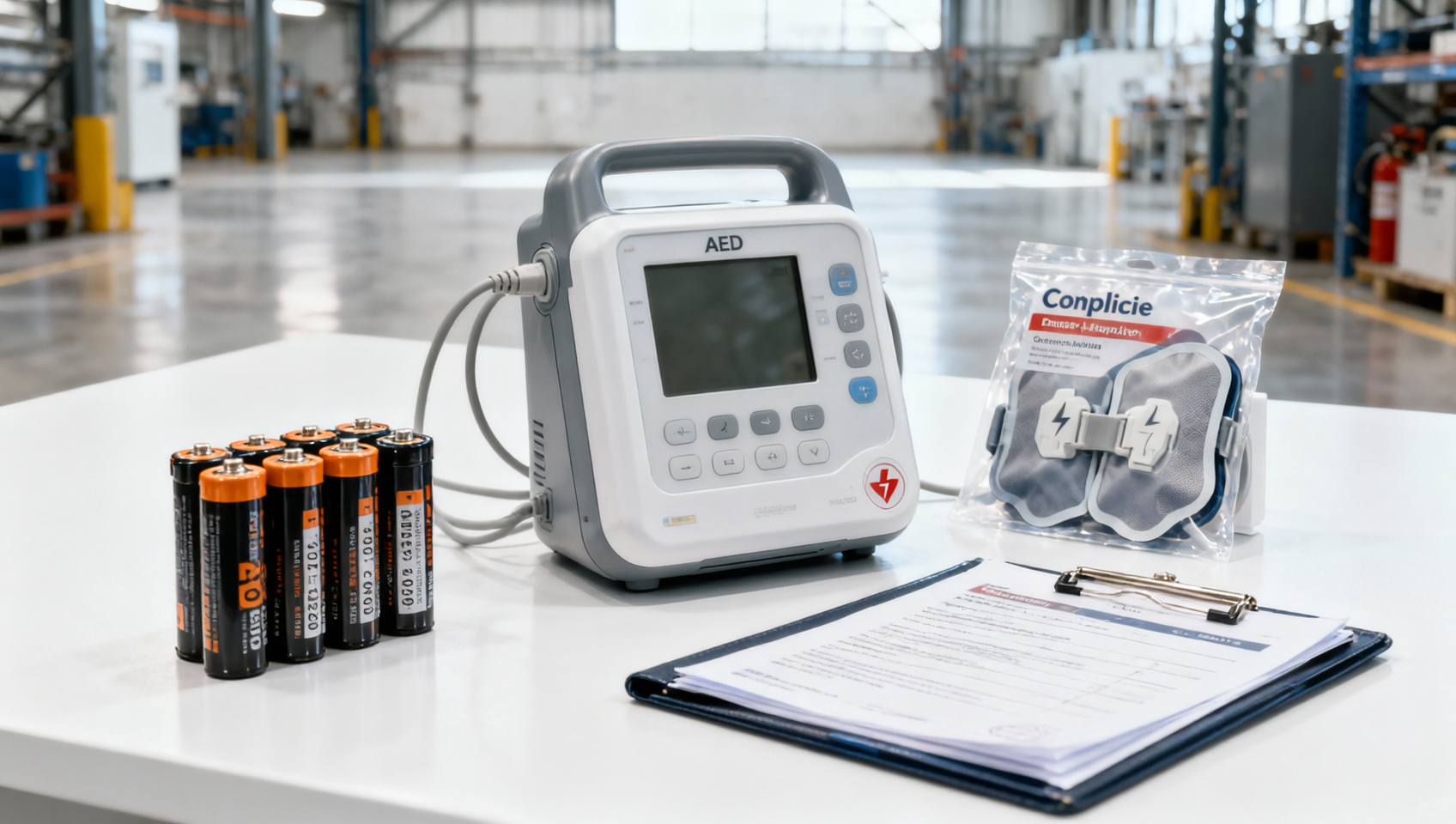
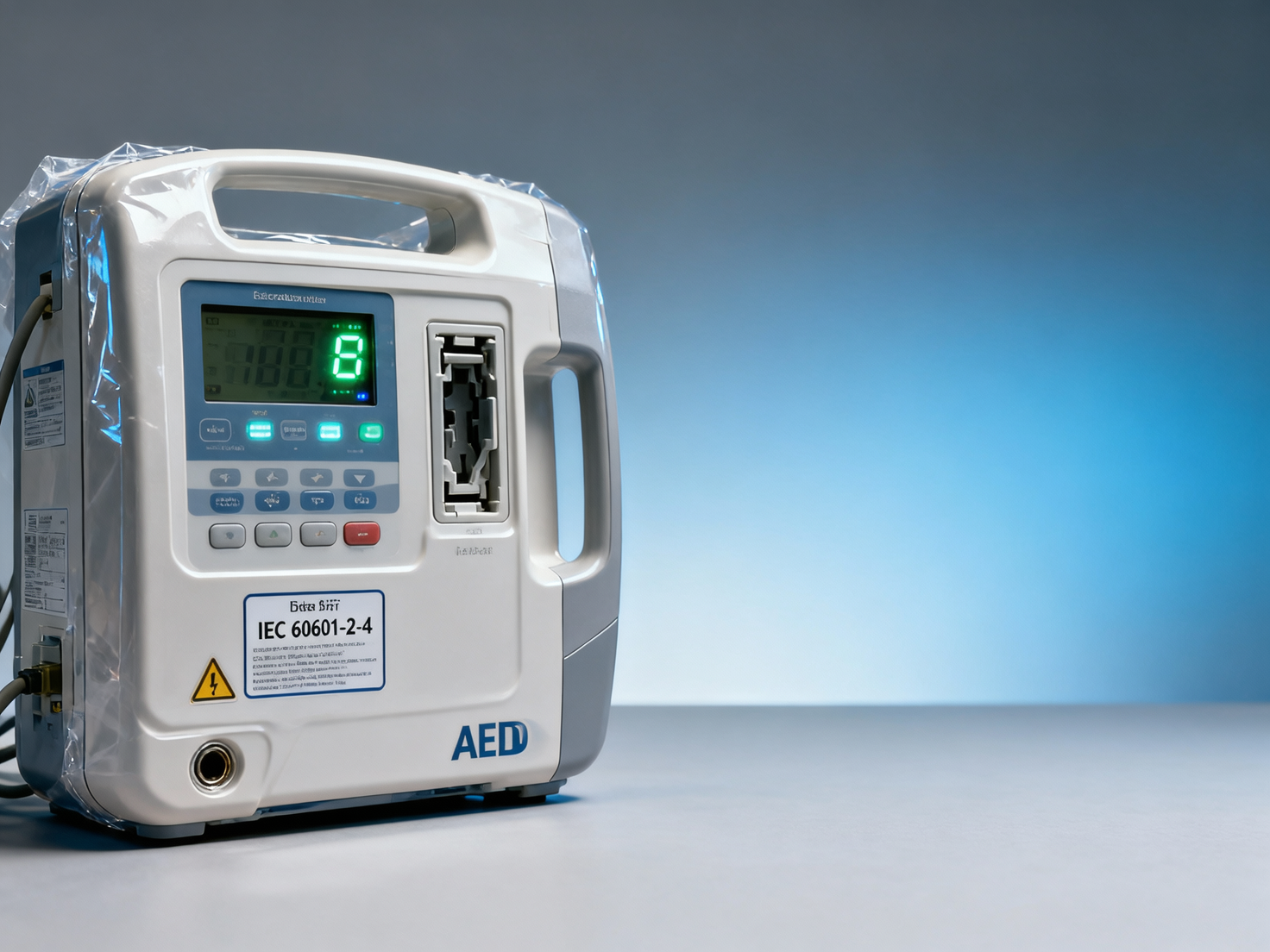
In defibrillator AED wholesale, the lowest quote can become the highest risk if battery dates are ignored. For buyers comparing safety-critical products alongside drug testing kits, portable gas monitors, or lockout tagout stations, shelf life and readiness matter more than headline cost. This guide shows why battery age, replacement cycles, and compliance records should drive smarter AED sourcing decisions.
Why battery dates change the real value of AED wholesale deals
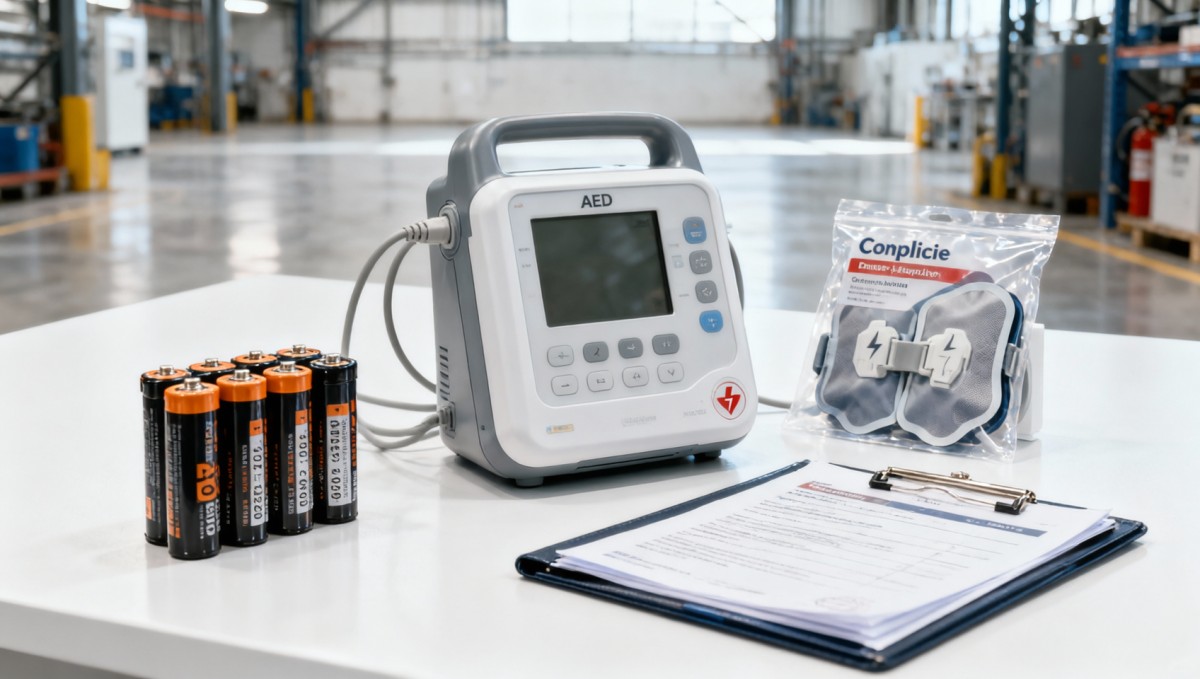
In wholesale purchasing, an AED is not simply an electrical device with a box price. It is a readiness asset. If batteries arrive with 6–12 months of warehouse age already consumed, the buyer inherits a shorter deployment window, earlier replacement spend, and higher service disruption risk. That is why experienced procurement teams look beyond unit cost and ask for manufacturing dates, installation dates, and declared standby life before approving volume orders.
This matters across mixed industrial procurement environments. A facility manager may source AED units together with gas detectors, emergency showers, spill kits, or lockout tagout stations under one safety budget. In that context, a low AED quote can distort the total package if the battery will need replacement in year 2 rather than year 4 or year 5. The apparent discount disappears when maintenance intervals tighten.
For operators and site users, battery dates are even more practical. In an emergency, the question is not whether the AED was competitively priced at tender stage. The question is whether it powers on, completes self-checks, and delivers therapy support without delay. Any uncertainty about battery condition turns a compliance item into an operational liability.
Global Industrial Core focuses on this decision layer because safety procurement in infrastructure, industrial facilities, EPC projects, and distributed worksites is judged over the full asset life cycle. For AED wholesale buyers, the core evaluation is not just “How much does it cost today?” but “How long will it stay deployment-ready, what will it cost to maintain, and what documentation proves that status?”
What battery dates usually include in procurement review
Suppliers and buyers do not always use the same language, which creates avoidable confusion. Some documents mention manufacture date, some indicate installation date, and others only state expiration or replace-by date. Each marker affects lifecycle planning differently, especially when units are stored for 3–9 months before site commissioning.
- Manufacture date: the point from which storage aging may begin, even if the AED has not yet been installed.
- Installation date: often used by service teams to start maintenance schedules and user inspection logs.
- Replace-by or expiration date: the key field for budgeting replacement cycles and avoiding dead inventory.
- Standby life statement: a supplier’s declared service window under specified storage and operating conditions.
When these dates are unclear, the buyer cannot compare offers on equal terms. Two wholesale quotes may differ by only 5%–8%, yet the older battery stock may create a much larger downstream cost gap once replacement timing, spare inventory, and technician visits are included.
What should buyers compare besides price in defibrillator AED wholesale?
A disciplined AED wholesale comparison should use at least 5 core checks: battery date transparency, electrode pad shelf life, self-test status indication, documentation completeness, and replacement supply continuity. Buyers who only compare unit price often miss the fact that AED ownership includes consumables, inspections, and compliance records over several years.
The table below helps procurement teams compare quote quality in a way that reflects real operating value rather than a headline discount. It is especially useful when multiple vendors are responding to RFQs for industrial sites, campuses, warehouses, construction projects, or public-access installations.
The practical takeaway is simple: the cheapest AED wholesale quote is only attractive if battery life, pad dates, and compliance support remain strong. If those three factors weaken, the low entry price can produce a higher cost per service-ready month.
A useful way to read total ownership cost
Industrial buyers often use a 3-part lens when comparing emergency devices. First, they review purchase cost. Second, they estimate replacement intervals over a 3–5 year period. Third, they check whether the supplier can support replenishment without long lead times. This is far more reliable than evaluating a single invoice line.
Typical hidden cost drivers
- Battery replacement earlier than planned because stock was already aged when delivered.
- Pad replacement cycles that do not match site deployment patterns.
- Extra service visits across multiple locations when dates are inconsistent across batches.
- Procurement delays when technical files are incomplete for corporate safety review.
For enterprise decision-makers, these variables matter because emergency response assets are often deployed in dozens or hundreds of locations. A difference of even 9–12 months in battery remaining life across a fleet can complicate budgeting, maintenance scheduling, and audit readiness.
Which battery-related questions matter most before placing an AED wholesale order?
Before issuing a purchase order, buyers should ask direct battery questions in writing. This protects the procurement file and makes quote comparisons objective. It also helps users and operators understand inspection routines after deployment. In practice, 4 groups usually need aligned information: procurement, EHS, maintenance, and site management.
The most useful approach is to turn battery review into a short acceptance checklist. This works well for single-site buyers and also for EPC contractors coordinating shipments across phased projects where equipment may sit in storage for several weeks before installation.
5 key questions to send suppliers
- What is the battery manufacture date range for the shipment batch, and can you commit to a minimum remaining shelf or standby period on delivery?
- Is the stated service life based on storage conditions, installed standby conditions, or a combination of both?
- What are the recommended storage conditions, such as temperature range and humidity precautions, before installation?
- How are low-battery alerts indicated, and what routine inspection interval is recommended: weekly, monthly, or quarterly?
- Are replacement batteries readily available, and what is the typical replenishment lead time, such as 7–15 days or 2–4 weeks?
These questions reduce ambiguity fast. If a supplier cannot answer them clearly, the buyer should treat the quote with caution, even if pricing is aggressive. In critical safety procurement, unclear lifecycle information is itself a risk signal.
Global Industrial Core recommends documenting these answers alongside standard product files. That creates a stronger internal decision record for procurement teams that need approval from safety managers, legal reviewers, or finance controllers.
To make that review more consistent, the following table shows a practical battery-focused acceptance framework for defibrillator AED wholesale orders.
This framework is not about making procurement complicated. It is about reducing lifecycle surprises. Once these four checks are standardized, buyers can compare multiple AED wholesale offers on a much more reliable basis.
How do compliance, storage, and deployment conditions affect battery value?
Battery dates do not exist in isolation. Their value depends on storage, transport, commissioning, and inspection practices. An AED delivered with strong remaining battery life can still lose practical value if it is stored in uncontrolled conditions for months. For industrial buyers, this becomes important on project sites where phased handover may delay installation.
A sensible procurement review should therefore connect three domains: compliance records, environmental conditions, and deployment planning. The product file may be complete, but if warehouse temperatures are not managed within the supplier’s specified range, battery performance planning becomes less reliable. Even a 2–3 month delay in commissioning can matter when the stock was already aged.
Where industrial buyers often lose value
One common issue is centralized purchasing without site-ready schedules. Head office secures a good price on a large AED wholesale batch, but units then remain boxed across regional stores. Another issue is incomplete handover: batteries, pads, inspection dates, and accessories are not logged together, so the facility starts with poor visibility.
This is why many safety teams now align AED sourcing with broader emergency asset controls. They treat AEDs like other time-sensitive safety items, with clear receiving inspection, serial tracking, and replacement planning. The same discipline applied to gas monitor calibration schedules or spill response inventories should apply to AED battery control.
A practical 4-step deployment routine
- Receiving check: verify battery date, pad date, accessory completeness, and status indicator at delivery.
- Storage control: keep units in the supplier’s recommended environmental range until site placement.
- Commissioning log: record installation date, location, serial details, and next routine inspection point.
- Periodic review: inspect visual status monthly or according to site procedure, and budget replacement cycles in advance.
These steps are simple, but they protect the buyer’s investment. More importantly, they protect operational readiness. In critical environments, the cost of one unavailable AED can outweigh the savings from choosing older stock at purchase stage.
Common misconceptions in AED wholesale and what smart buyers do instead
A frequent misconception is that all new AEDs in sealed cartons have equal remaining value. They do not. Sealed packaging does not erase elapsed storage time. If one shipment was manufactured recently and another has spent a long period in storage, the buyer receives different lifecycle value even when model, accessories, and invoice price look comparable.
Another misconception is that batteries matter only after the warranty discussion. In reality, battery dating should be reviewed before contract award, not after goods receipt. Warranty and battery life are related but not identical. A product can have an acceptable warranty period while still arriving with less favorable remaining consumable life.
FAQ for research, operations, and procurement teams
How much remaining battery life should a buyer request on delivery?
There is no single universal number because models and applications differ, but buyers should define a minimum acceptable remaining period in procurement documents. This is especially important for projects with 1–3 months of internal staging before installation. Without that condition, a low-price AED wholesale deal can transfer aging risk from supplier to buyer.
Are battery dates more important than pad dates?
Both matter, and smart buyers review them together. Battery life affects power readiness, while pad shelf life affects clinical usability and replacement planning. In low-incident sites, pad expiry can be a major waste driver. In distributed industrial sites, battery replacement logistics may be the bigger issue. The right answer depends on deployment pattern.
What delivery lead time should buyers ask about for replacement batteries?
A practical request is an indicative lead-time range, such as 7–15 days for stocked items or 2–4 weeks for non-stocked replenishment. The exact figure depends on geography, import route, and supplier inventory. What matters is that replacement supply is discussed before the first order, not only when a battery alert appears.
Can lower price still make sense in AED wholesale?
Yes, if the quote also provides strong remaining battery life, clear documentation, suitable compliance support, and stable replacement availability. A lower quote becomes risky only when one or more of those factors are weak or undefined. Price is part of the decision, but not the decision itself.
Why work with Global Industrial Core when evaluating AED wholesale supply?
Global Industrial Core supports buyers who need more than a catalog comparison. In industrial and infrastructure procurement, the challenge is rarely a single product line. It is the need to balance compliance, lifecycle cost, readiness, and cross-category sourcing in one purchasing process. That is why our approach is built around decision quality, not just specification lists.
For research teams, we help clarify what battery dates, consumable cycles, and technical records actually mean in a sourcing context. For operators and site managers, we focus on deployment readiness, inspection logic, and practical replacement planning. For procurement and executive teams, we structure comparisons so that quote review reflects long-term value rather than short-term price pressure.
What you can discuss with us
- Battery date review criteria for AED wholesale RFQs and supplier comparison sheets.
- Product selection guidance for industrial sites, public-access points, campuses, warehouses, and project environments.
- Typical lead-time planning, batch consistency questions, and replacement supply considerations.
- Documentation review for applicable CE, UL, ISO-related quality and product records where relevant to your market.
- Combined sourcing discussions when AEDs are procured alongside safety stations, detection devices, or other emergency response equipment.
If you are comparing defibrillator AED wholesale offers, contact Global Industrial Core for support on parameter confirmation, model selection, delivery timing, certification documentation, sample coordination, and quotation review. A stronger battery-date assessment at the start can prevent avoidable cost, service disruption, and compliance friction later.
Technical Specifications
Expert Insights

Chief Security Architect
Dr. Thorne specializes in the intersection of structural engineering and digital resilience. He has advised three G7 governments on industrial infrastructure security.
Related Analysis
- Apr 14, 2026How accurate is a true RMS multimeter on VFD signals?Author :Precision Metrology Expert
- Apr 14, 2026When a digital oscilloscope wholesale quote looks cheap at firstAuthor :Precision Metrology Expert
- Apr 14, 2026What changes when an ozone generator goes commercial gradeAuthor :Environmental Engineering Director
Core Sector // 01
Security & Safety
- Defibrillator AED wholesale: battery dates matter more than priceAuthor :Safety Compliance Lead

- What makes one stretcher bed manufacturer easier to trustAuthor :Safety Compliance Lead

- Wholesale rescue tripods: aluminum or steel for field use?Author :Safety Compliance Lead

- Confined space equipment mistakes that raise rescue timeAuthor :Safety Compliance Lead

- AED defibrillators wholesale often ship without verified battery charge cycles—why ‘fresh’ units may already be two years oldAuthor :Safety Compliance Lead

- Stretcher beds from manufacturers skip dynamic load testing—how static weight ratings misrepresent real patient transport stressAuthor :Safety Compliance Lead

- Rescue tripods ordered wholesale rarely include anchor point verification—why ground conditions override tripod class ratingsAuthor :Safety Compliance Lead

- Confined space equipment certifications don’t require real-time gas response logging—what happens during transient exposure spikesAuthor :Safety Compliance Lead