First Aid Kits Bulk: What Should Be Inside
Author
Date Published
Reading Time
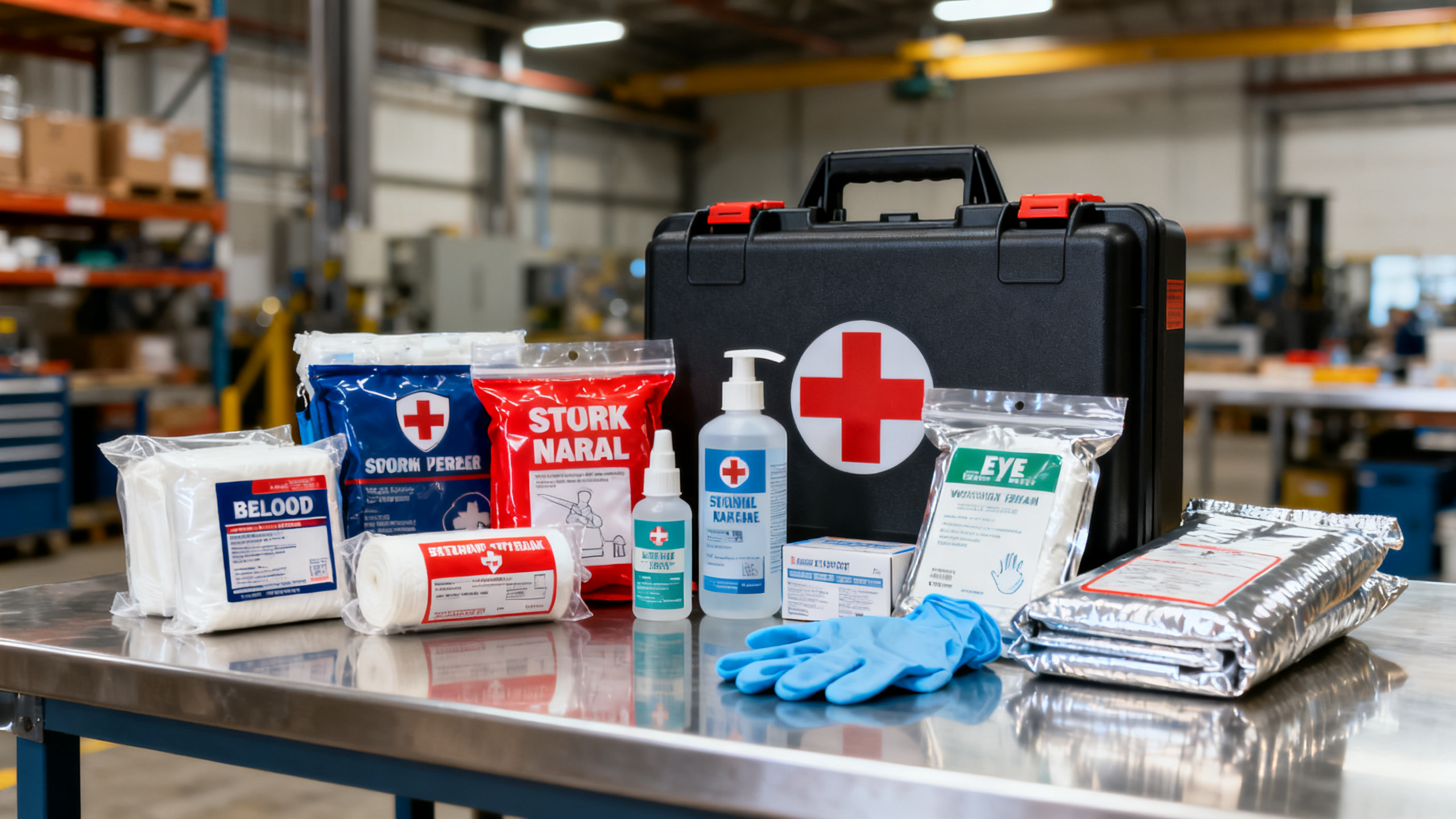
When buying first aid kits bulk for industrial sites, the best kit is not the one with the longest item list. It is the one that matches your site hazards, complies with workplace requirements, and gives workers the supplies they can actually use in the first minutes of an incident. For procurement teams and facility managers, that means looking beyond basic bandages and checking for trauma care items, burn treatment, eye injury response, PPE, refill logic, and packaging durability. In short: contents should be selected by risk, not by price alone.
For warehouses, plants, construction support areas, utilities, and large facilities, a bulk first aid program usually needs more than a standard office box. It often requires a combination of general first aid supplies, higher-risk response items, eye wash stations industrial support products, and cold-weather or outdoor additions such as wholesale emergency blankets. The goal is simple: faster response, better readiness, and lower operational risk.
What should be inside a bulk first aid kit for industrial use?
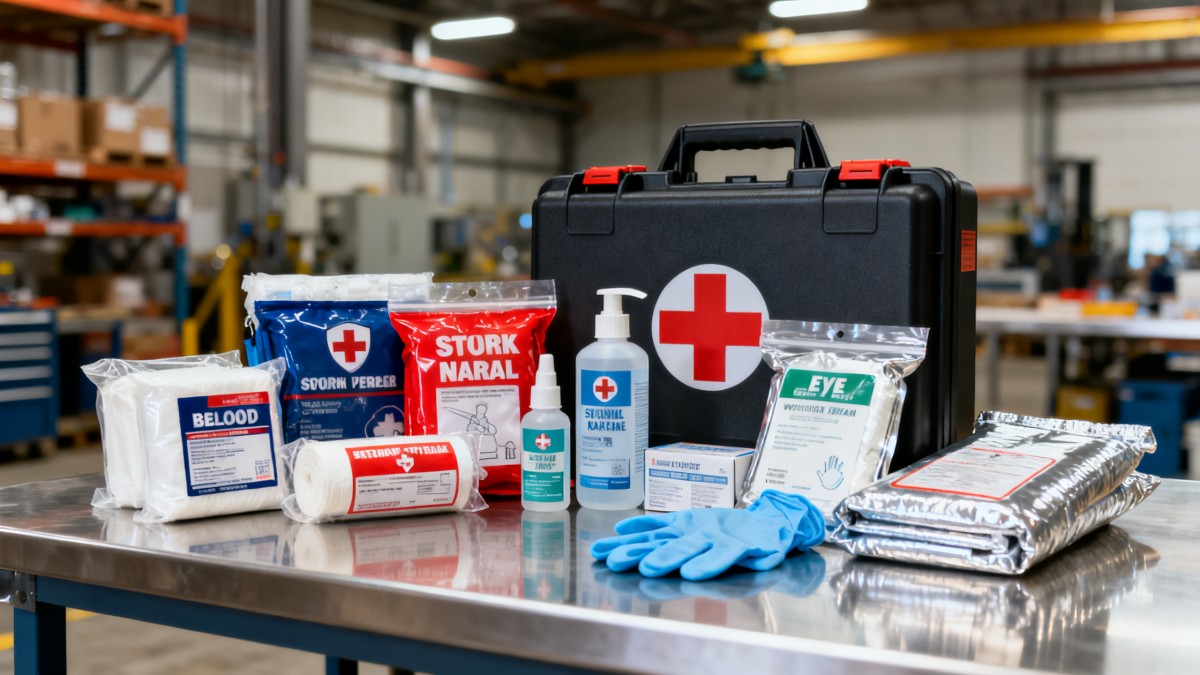
A practical industrial first aid kit should cover the most common workplace incidents first, then add items for site-specific hazards. In most cases, the core contents should include the following categories:
- Wound care basics: adhesive bandages, sterile gauze pads, roller bandages, adhesive tape, wound closures, antiseptic wipes, saline solution, and antibiotic ointment where appropriate.
- Bleeding control: trauma dressings, pressure bandages, hemostatic dressings if risk assessment supports them, and large absorbent pads.
- Burn care: burn dressings, burn gel, sterile non-adherent pads, and protective gloves.
- Eye injury response: eye pads, sterile eye wash, and immediate access support for industrial eye wash stations where chemical splash or dust exposure exists.
- Sprains and impact injuries: elastic bandages, cold packs, triangular bandages, and support wraps.
- PPE and infection control: nitrile gloves, CPR face shields or masks, biohazard bags, and hand sanitizer.
- Tools and support items: scissors, tweezers, safety pins, thermal blankets, splinter removers, flashlight, and a first aid guide card.
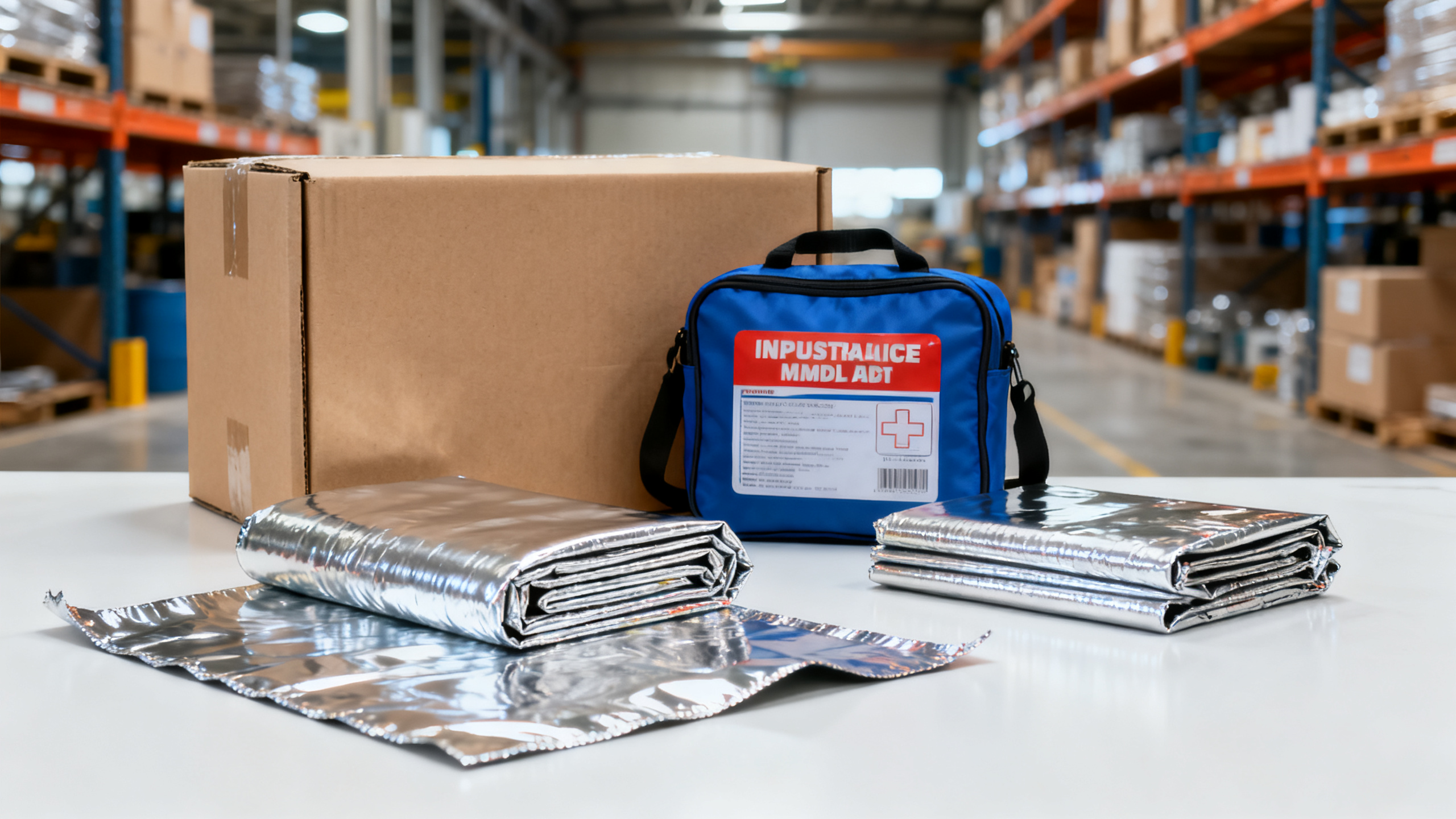
- Emergency comfort and exposure care: wholesale emergency blankets for shock, cold exposure, or outdoor incidents.
If the site has machinery, sharp materials, hot work, electrical panels, chemicals, or outdoor exposure, the kit should be upgraded accordingly. This is where many low-cost bulk kits fall short: they include many small adhesive bandages but too few serious-injury items.
How do you match kit contents to actual workplace risks?
This is the key buying question for procurement and safety teams. A good supplier can provide quantity, but a good safety decision starts with hazard mapping.
Use these practical risk categories:
- Light industrial or warehouse environments: focus on cuts, abrasions, strains, slips, and minor eye irritation.
- Manufacturing and fabrication: add bleeding control, burn care, eye injury treatment, and higher glove counts.
- Electrical and utility work: include burn response, CPR barrier devices, and rapid access layout.
- Chemical handling areas: prioritize eye wash support, chemical splash response, and clear compatibility with emergency shower and wash stations.
- Outdoor and remote work: include emergency blankets, insect sting care, hydration support, sun exposure items, and more robust trauma supplies.
A useful rule is this: review your OSHA or local incident history, near-miss reports, and task-based hazards before selecting a kit model. The right bulk order should reflect the top likely injuries on site, not a generic retail checklist.
What do buyers often miss when ordering first aid kits bulk?
Many organizations compare only unit cost and item count. That creates risk. What matters more is the functional value of the contents.
Common mistakes include:
- Buying kits with high item counts built from very small, low-value supplies
- Ignoring refill availability and ongoing replenishment cost
- Overlooking language needs for multilingual workforces
- Choosing packaging not suited to dust, moisture, vibration, or mobile crews
- Failing to align kit placement with response time requirements
- Not checking expiry dates and shelf-life management for bulk inventory
- Assuming one kit type can serve office, plant floor, and field teams equally well
For enterprise buyers, standardization matters too. If every facility uses different kit formats, replenishment becomes inefficient and training becomes inconsistent. Bulk sourcing works best when sites share a common baseline kit, then add hazard-specific modules.
Which compliance and quality points should procurement teams verify?
In industrial purchasing, first aid kits are not just convenience products. They are part of workplace readiness. Buyers should verify:
- Applicable workplace regulations: local labor, occupational safety, or sector-specific first aid requirements
- Standards alignment: where relevant, check ANSI, OSHA guidance, CE marking, ISO-related quality management, or equivalent regional expectations
- Material quality: sterile packaging integrity, dressing absorbency, glove durability, and labeling clarity
- Traceability: lot tracking, expiry control, and manufacturer documentation
- Refill program support: replacement SKUs, lead times, and packaging consistency
- Site suitability: wall-mount, portable, waterproof, dust-resistant, or vehicle-ready case options
For larger organizations, it is also worth asking whether the supplier can support private labeling, site audits, custom pack configurations, or multi-site delivery schedules. These operational details often matter more than a minor difference in per-kit price.
What should a well-designed bulk first aid program include beyond the box?
A first aid kit is only one part of emergency preparedness. For better outcomes, pair the kits with a broader readiness system:
- Clear placement maps and visible signage
- Routine inspection schedule
- Named responsible staff for replenishment
- Training for common workplace injury response
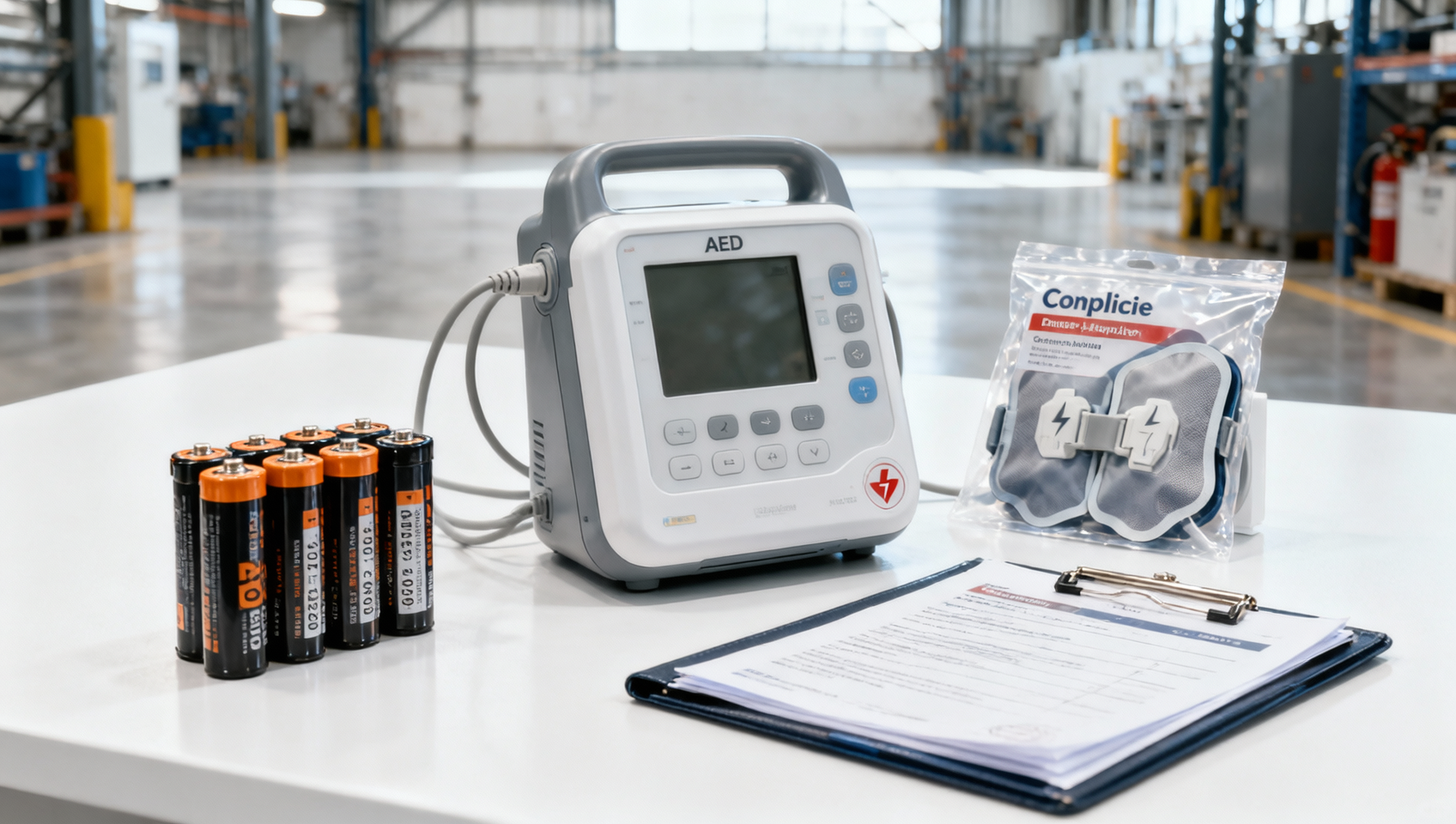
- Integration with AED, eye wash, spill response, and incident reporting systems
- Different kit sizes for fixed stations, vehicles, and mobile teams
In sites with dust, chemicals, or machining activity, eye wash stations industrial readiness should be reviewed alongside first aid kit placement. In outdoor, mining-adjacent, utility, or cold-chain operations, wholesale emergency blankets are not optional extras; they are practical protection against shock and temperature-related risk.
How can decision-makers choose the right supplier and kit configuration?
A strong supplier should help buyers answer five practical questions:
- Does the kit match our site risk profile?
- Are the contents high enough quality for real use?
- Can we refill and standardize across sites easily?
- Will the packaging survive our operating environment?
- Can the supplier support documentation, compliance, and scale?
If the answer to any of these is unclear, the kit may not be right for industrial deployment. Buyers should request a detailed content list, refill matrix, compliance documentation, and where possible, sample evaluation before placing a large order.
Conclusion: what should be inside first aid kits bulk?
The right first aid kits bulk order should include more than basic plasters and wipes. For industrial use, it should contain wound care essentials, bleeding control, burn treatment, eye injury response, PPE, support tools, and environment-specific additions such as industrial eye wash support products and wholesale emergency blankets. Most importantly, the kit should fit actual site hazards, comply with workplace expectations, and be easy to maintain at scale.
For researchers, operators, buyers, and decision-makers alike, the best purchasing approach is simple: evaluate first aid kits by readiness, relevance, and reliability. A cheaper kit that fails in a real incident is expensive in every way that matters.
Expert Insights

Chief Security Architect
Dr. Thorne specializes in the intersection of structural engineering and digital resilience. He has advised three G7 governments on industrial infrastructure security.
Related Analysis
Core Sector // 01
Security & Safety
- First Aid Kits Bulk: What Should Be InsideAuthor :Safety Compliance Lead

- Wholesale Emergency Blankets: Cheap but ReliableAuthor :Safety Compliance Lead

- Hidden fire risks in electrical safety panelsAuthor :Safety Compliance Lead

- Defibrillator AED wholesale: battery dates matter more than priceAuthor :Safety Compliance Lead

- What makes one stretcher bed manufacturer easier to trustAuthor :Safety Compliance Lead

- Wholesale rescue tripods: aluminum or steel for field use?Author :Safety Compliance Lead

- Confined space equipment mistakes that raise rescue timeAuthor :Safety Compliance Lead

- Hazmat storage cabinets: what fire rating labels actually meanAuthor :Safety Compliance Lead