Wholesale rescue tripods: aluminum or steel for field use?
Author
Date Published
Reading Time
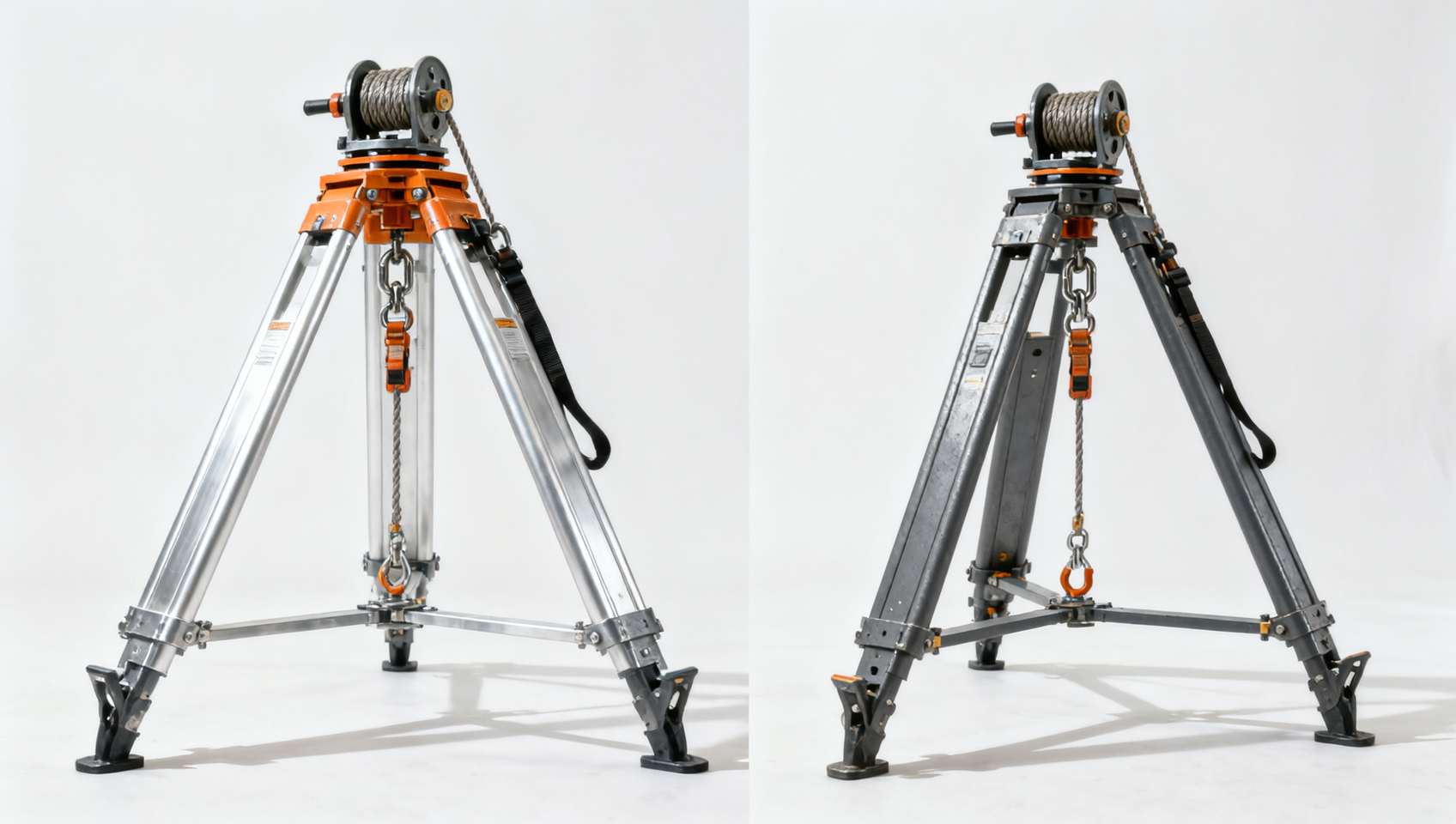
Choosing the right wholesale rescue tripods for field use can directly affect safety, durability, and long-term procurement value. For buyers comparing aluminum and steel, the decision goes beyond weight alone—it also involves corrosion resistance, load capacity, deployment speed, and compatibility with confined space equipment. This guide helps procurement teams, operators, and industrial decision-makers evaluate which material better fits demanding rescue and access applications.
How should buyers compare aluminum and steel rescue tripods in real field operations?
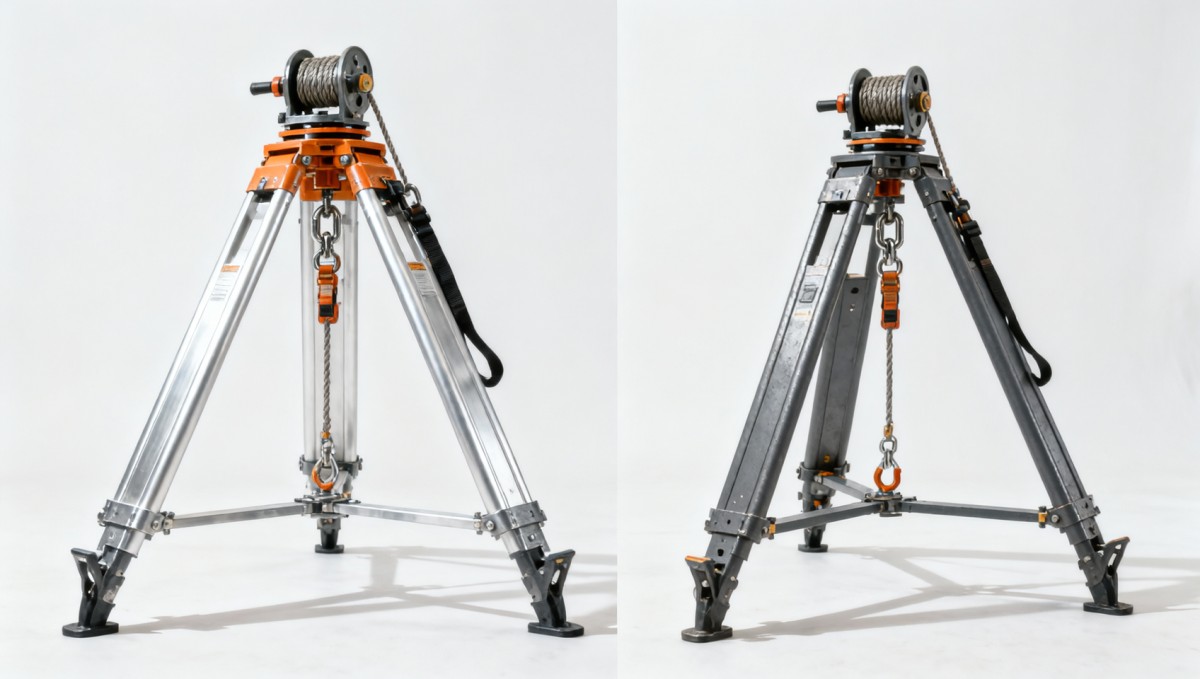
In industrial rescue, utility maintenance, water treatment access, and confined space entry, a rescue tripod is not just a support frame. It becomes a critical anchorage point for lifting, lowering, retrieval, and standby rescue. For wholesale rescue tripods, the aluminum versus steel decision usually starts with weight, but field performance depends on at least 5 core factors: portability, structural capacity, corrosion behavior, service life, and attachment compatibility.
Aluminum rescue tripods are widely selected where crews move equipment repeatedly across manholes, tanks, vaults, and uneven outdoor terrain. In many field teams, a tripod may be set up and removed 3–10 times in one shift. Lower handling weight can reduce setup fatigue and improve deployment speed, especially when only 2 operators are available. That advantage matters when response time is measured in minutes rather than hours.
Steel rescue tripods are often preferred where equipment stays in a fixed or semi-fixed location, where impact exposure is higher, or where buyers prioritize perceived ruggedness over transport ease. In refinery shutdowns, industrial pits, and construction rescue standby points, steel can be attractive for repetitive heavy-duty use. However, greater mass can slow redeployment and raise handling burden in remote field conditions.
For procurement teams, the best material choice depends on how often the tripod is moved, what rescue load path is expected, and whether the environment includes salt spray, wastewater, chemicals, or prolonged outdoor storage. GIC typically advises users to begin with the operating scenario first, then match the material, head design, leg locking method, and accessory interface to the actual rescue workflow.
The first-level decision: mobility or stationary robustness?
If the tripod supports mobile entry teams that travel between sites, aluminum usually has an operational advantage. If it remains near one shaft, trench, or vessel for extended standby periods, steel may be practical if corrosion controls are acceptable. This is why buyers should classify demand into 3 common use patterns: mobile field rescue, plant-based standby rescue, and multi-site contractor deployment.
- Mobile field rescue: prioritize lower carry weight, faster setup, and easier loading into vehicles.
- Plant-based standby rescue: prioritize durability, accessory stability, and predictable inspection routines.
- Multi-site contractor deployment: prioritize balanced transportability, corrosion resistance, and standardized parts support.
This scenario-based method prevents a common procurement error: choosing steel only because it feels stronger, or choosing aluminum only because it is lighter. In rescue applications, suitability comes from total system performance rather than one material property in isolation.
What are the technical differences that matter most in aluminum vs steel rescue tripods?
Material comparison should focus on field-relevant performance, not generic metal descriptions. A rescue tripod works as part of a system that may include a winch, self-retracting lifeline, pulley head, fall arrest device, harness, and anchorage connectors. In practice, buyers should evaluate 6 technical areas: dead weight, rated working load, environmental resistance, impact tolerance, maintenance needs, and storage conditions.
The table below gives a practical comparison framework for wholesale rescue tripods used in industrial field environments. Exact figures vary by manufacturer and design, so buyers should confirm model-specific data sheets before tender approval. The purpose here is to support faster technical screening and reduce mismatches between procurement and actual operator use.
The key takeaway is that lower weight does not automatically mean lower capability, and heavier construction does not automatically deliver better rescue performance. Buyers should request the rated working load, allowable personnel use configuration, leg extension range, head anchorage points, and compatible retrieval device information for each shortlisted model. Those 5 checks are more decision-relevant than material alone.
Why deployment speed and corrosion exposure matter so much
In wastewater plants, underground telecom vaults, pumping stations, and marine-adjacent facilities, rescue gear can be exposed to moisture for weeks or months between major maintenance events. A tripod that is difficult to inspect, transport, or store correctly may suffer from neglected maintenance. This is where aluminum often supports lower operational friction, especially in organizations with decentralized teams and mixed training levels.
By contrast, steel can remain a solid choice when the asset is centrally controlled, routinely inspected every month or quarter, and stored indoors between deployments. If a facility already has lifting and transport aids, the additional weight penalty may be manageable. The right answer is therefore operational, not purely theoretical.
Typical technical checks before approval
- Verify leg height range matches the opening geometry and retrieval clearance required on site.
- Confirm the system supports the intended number of users and rescue configuration.
- Check whether pulleys, brackets, winches, and SRLs are native-fit or need adapters.
- Review inspection intervals, spare parts lead time, and coating or surface care requirements.
Which rescue tripod material fits different industrial scenarios?
Application conditions should drive selection. A utility contractor entering 6 chambers across one day has different needs from a plant maintenance team using one tripod for a shutdown turnaround over 2–4 weeks. Likewise, operators in coastal areas face different corrosion risks than inland teams working in dry conditions. Wholesale buyers should build a scenario matrix before issuing RFQs.
The next table maps common field scenarios to a practical aluminum-or-steel preference. It does not replace engineering review, but it helps procurement teams align technical, operational, and commercial expectations across departments. This is especially useful when safety staff, users, and sourcing teams evaluate products using different criteria.
This scenario view shows why there is no universal answer for all field use. The same company may buy aluminum rescue tripods for mobile maintenance crews and steel units for dedicated emergency stations. Segmenting procurement by use case often improves lifecycle value more than forcing one material across every department.
Application details many buyers overlook
A tripod selected for confined space entry must also match the opening diameter, edge clearance, ground conditions, and operator handling limits. In the field, leg footprint and headroom can be as important as frame material. Some sites have grating, narrow berms, or sloped access zones that make a heavy tripod difficult to position safely. That is why site survey information should be included in technical review.
Buyers should also assess whether the tripod will stay assembled in a rescue trailer, be carried by hand for 50–200 meters, or be repeatedly loaded in and out of service vehicles. Those logistics variables directly affect deployment speed, operator strain, and equipment damage risk over a 12-month operating cycle.
For EPC contractors and industrial procurement directors, scenario grouping can also improve purchasing efficiency. Instead of one broad tender, they can split demand into 2 or 3 configuration packages based on mobility, environment, and attachment needs. This often reduces specification disputes and improves acceptance by end users.
What should procurement teams check before ordering wholesale rescue tripods?
Wholesale sourcing decisions should move beyond unit price. Rescue tripods enter regulated safety workflows, so a low-cost mismatch can create downtime, accessory incompatibility, or retraining costs. Before placing an order, procurement teams should confirm at least 6 checkpoints: intended use, load configuration, compliance documents, accessory fit, inspection method, and delivery plan. These checks are especially important for multi-site tenders and export procurement.
Lead time is another practical factor. Depending on quantity, finish, and accessory package, common delivery windows for industrial safety equipment can range from 2–6 weeks for standard configurations and longer for customized kits. If buyers need tripod, winch, bracket, cable device, and storage bag as one package, they should lock the bill of materials early to avoid approval delays during the final shipping stage.
At GIC, the sourcing approach for rescue equipment emphasizes cross-functional validation. Safety teams define acceptable use and documentation, operators verify handling practicality, and procurement compares total landed value rather than only ex-works price. This reduces the risk of receiving technically compliant products that still fail in daily field execution.
A practical 4-step procurement workflow
- Define the scenario: confined space type, expected access frequency, team size, and environmental exposure.
- Screen the technical package: material, height range, load rating, anchorage points, and compatible rescue devices.
- Review documents: user instructions, inspection guidance, test references, and applicable CE, ISO, or other regional documentation as required.
- Confirm commercial execution: quantity tier, sample need, delivery schedule, spares support, and after-sales communication path.
For larger orders, buyers should request a pre-award checklist and, where possible, a sample or pilot unit. A single field validation cycle can reveal whether operators can deploy the tripod quickly, whether the leg locks are easy to use with gloves, and whether the connection points suit the existing rescue kit. This small step often prevents much larger correction costs after bulk delivery.
Common evaluation criteria for supplier comparison
- Can the supplier provide clear technical drawings, user instructions, and material details?
- Are accessories and replacement parts available within a practical replenishment cycle?
- Is the product configuration standardized enough for training consistency across 3 or more sites?
- Does the quotation distinguish frame cost, rescue device cost, and optional components clearly?
How do compliance, inspection, and lifecycle cost affect the aluminum vs steel choice?
For industrial buyers, lifecycle value depends on more than initial purchase price. A tripod that is inexpensive at the point of order may require more surface care, slower handling, or higher transport effort over time. Buyers should evaluate 3 cost layers: acquisition cost, operating cost, and maintenance cost. This is especially relevant when equipment will be deployed every week, every month, or during seasonal maintenance campaigns.
Compliance is equally important. Rescue tripods used for personnel support and confined space applications should be reviewed against the applicable regional and project-specific requirements. Depending on market and project scope, buyers may need evidence related to CE marking, ISO-managed manufacturing processes, user manuals, traceability details, inspection instructions, and compatibility statements for connected devices. The exact mix varies, so tender documents should state mandatory versus preferred items clearly.
Inspection planning also influences material preference. If a company has disciplined monthly or quarterly inspection routines and protected storage, steel may remain cost-effective in some programs. If equipment circulates widely across contractor teams with variable storage conditions, aluminum may reduce practical maintenance burden. The question is not only what costs less to buy, but what costs less to keep operational for 3–5 years.
Lifecycle cost and compliance review points
The table below summarizes common procurement review dimensions that influence total cost of ownership. It is useful when comparing offers that seem similar on paper but differ in maintenance effort, documentation quality, and field usability.
A strong procurement decision balances material choice with documentation quality, support responsiveness, and system compatibility. In many tenders, these factors create more measurable value than negotiating a small unit-price difference. For enterprise buyers, that is the difference between a product order and a usable rescue program.
Common misconceptions in wholesale rescue tripod buying
One common mistake is assuming all tripods are interchangeable if the overall shape looks similar. In fact, head design, attachment points, leg lock mechanisms, and approved accessory combinations vary significantly. Another mistake is comparing only static specifications while ignoring operator handling. A tripod that takes even 2–3 extra minutes to deploy may create meaningful delays in real rescue readiness.
A third mistake is ignoring training implications. If one site uses aluminum tripods with one bracket system and another uses steel with a different connection method, users need clear labeling and procedural alignment. Standardization across locations can be more valuable than chasing marginal savings through mixed low-visibility product variants.
FAQ and next-step guidance for industrial buyers
Before final selection, most buyers still have operational questions that affect order accuracy. The answers below address common search intent around wholesale rescue tripods, aluminum versus steel suitability, and field deployment decisions. They are especially relevant for procurement teams that need to align technical review with budget and delivery planning.
Is aluminum always better for field use because it is lighter?
Not always. Aluminum is often better when the tripod must be carried, repositioned, and deployed many times across one day or one week. However, if the equipment stays near a fixed entry point, if handling aids are available, and if the site values rugged stationary use, steel may still be a practical option. The right choice depends on mobility, exposure, and compatibility requirements rather than a single feature.
What should buyers request in a quotation package?
Ask for the tripod material, height range, rated use information, accessory compatibility list, documentation package, inspection guidance, packing method, and estimated lead time. If the order includes winches or retrieval devices, request confirmation that the complete assembly is suitable for the intended rescue configuration. For larger tenders, a sample review or technical clarification stage is highly recommended.
How long is a typical delivery cycle for wholesale rescue tripods?
Standard products may ship within roughly 2–6 weeks, while tailored configurations, bundled accessories, or export documentation requirements may extend lead time. Buyers should also account for approval time, especially when multiple departments must review technical data. Confirming the exact configuration early is the best way to avoid schedule drift.
How can organizations reduce selection risk across multiple sites?
Use a structured approval method: define 2–3 scenario groups, shortlist products by material and compatibility, run a field check with operators, then standardize approved kits by site type. This approach works well for EPC contractors, utilities, and industrial groups managing several facilities with different confined space profiles.
Why work with GIC for rescue tripod sourcing and technical evaluation?
Global Industrial Core supports industrial buyers who need more than a catalog comparison. For rescue tripods and related field safety equipment, the value lies in translating technical documents into procurement decisions that hold up under site conditions, operator use, and project compliance demands. That is especially important when evaluating aluminum versus steel for mobile rescue, plant standby, or multi-site contractor deployment.
Our support focus is practical and decision-oriented. We help buyers review configuration logic, identify compatibility questions, sort through documentation needs, and compare options based on use case rather than marketing labels. For organizations facing tight project schedules, mixed environmental conditions, or complex approval chains, this reduces rework during sourcing and implementation.
You can contact GIC for parameter confirmation, rescue tripod material selection, accessory matching, expected delivery windows, sample support discussion, and documentation review for project compliance. If your team is comparing aluminum and steel rescue tripods for field use, provide the intended application, site conditions, quantity range, and required accessory package. That allows a faster, more accurate sourcing conversation built around operational needs instead of assumptions.
Technical Specifications
Expert Insights

Chief Security Architect
Dr. Thorne specializes in the intersection of structural engineering and digital resilience. He has advised three G7 governments on industrial infrastructure security.
Related Analysis
- Apr 14, 2026How accurate is a true RMS multimeter on VFD signals?Author :Precision Metrology Expert
- Apr 14, 2026When a digital oscilloscope wholesale quote looks cheap at firstAuthor :Precision Metrology Expert
- Apr 14, 2026What changes when an ozone generator goes commercial gradeAuthor :Environmental Engineering Director
Core Sector // 01
Security & Safety
- Defibrillator AED wholesale: battery dates matter more than priceAuthor :Safety Compliance Lead

- What makes one stretcher bed manufacturer easier to trustAuthor :Safety Compliance Lead

- Wholesale rescue tripods: aluminum or steel for field use?Author :Safety Compliance Lead

- Confined space equipment mistakes that raise rescue timeAuthor :Safety Compliance Lead

- AED defibrillators wholesale often ship without verified battery charge cycles—why ‘fresh’ units may already be two years oldAuthor :Safety Compliance Lead

- Stretcher beds from manufacturers skip dynamic load testing—how static weight ratings misrepresent real patient transport stressAuthor :Safety Compliance Lead

- Rescue tripods ordered wholesale rarely include anchor point verification—why ground conditions override tripod class ratingsAuthor :Safety Compliance Lead

- Confined space equipment certifications don’t require real-time gas response logging—what happens during transient exposure spikesAuthor :Safety Compliance Lead