Hidden fire risks in electrical safety panels
Author
Date Published
Reading Time
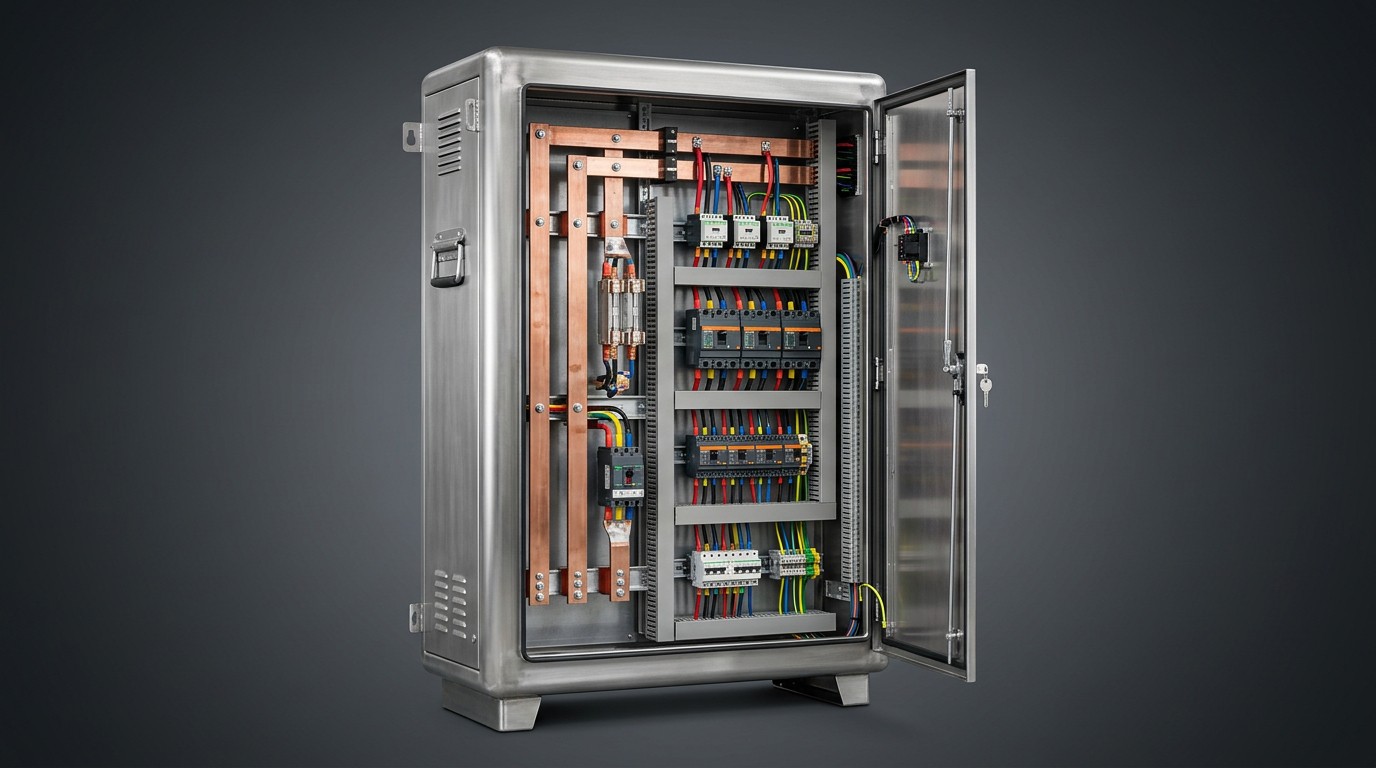
Electrical safety is the cornerstone of modern facility management, yet hidden fire risks within power distribution systems often remain undetected until a critical failure occurs. For technical evaluators and safety managers, understanding the vulnerabilities in safety equipment is paramount to maintaining rigorous industrial standards. As part of our commitment to Electrical & Power and Security & Safety, Global Industrial Core examines how mechanical engineering and metallurgical engineering advances are shaping more resilient electrical safety panels. In an era where infrastructure reliability is non-negotiable, proactive assessment and compliance are essential for protecting both assets and personnel. This guide provides the mission-critical intelligence needed to identify underlying hazards before they compromise your operational environment.
Identifying the Silent Threats: Common Hidden Fire Risks in Electrical Safety Panels
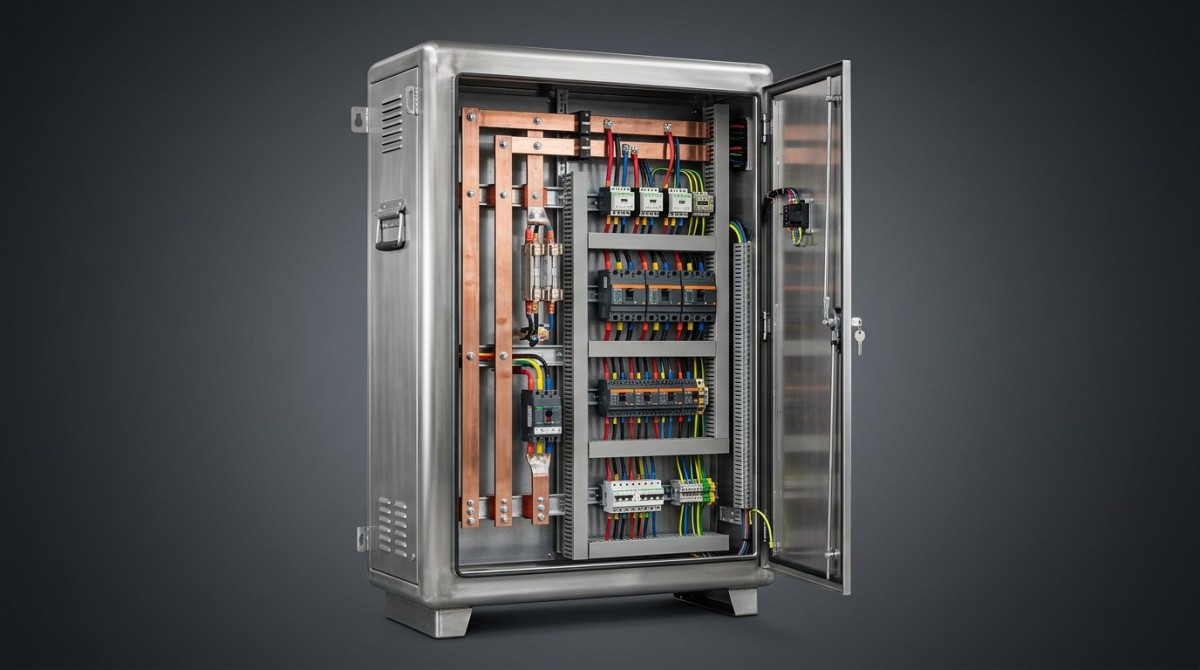
In the high-stakes environment of heavy industry, the electrical safety panel serves as the central nervous system of a facility's power infrastructure. However, many fire risks remain obscured behind metal enclosures, often invisible to the naked eye until they escalate into catastrophic events. One of the most prevalent yet hidden risks is the phenomenon of loose electrical terminations. Over time, thermal cycling—the process where conductors expand and contract due to temperature changes during operation—can cause screws and lugs to loosen. Statistics from safety audit reports indicate that approximately 25% to 35% of industrial electrical fires are traced back to poor connections that lead to localized overheating and subsequent insulation failure.
Beyond mechanical loosening, environmental factors play a significant role in compromising panel integrity. For facility managers operating in coastal or high-humidity regions, the ingress of moisture and corrosive agents can trigger oxidation on busbars and contact points. This oxidation increases electrical resistance, which in turn generates excessive heat even under normal load conditions. When internal panel temperatures exceed 70°C (158°F), the degradation of wire insulation accelerates exponentially, creating a direct path for short circuits or ground faults. Technical evaluators must recognize that a panel appearing "clean" on the outside may be harbor significant carbon tracking or dielectric breakdown within its internal sub-assemblies.
Another critical but often overlooked hazard is component obsolescence and the use of mismatched metallurgical components. In many legacy systems, older circuit breakers may not have the rapid trip response times required to handle modern high-surge industrial machinery. Furthermore, mixing copper conductors with aluminum lugs without proper bimetallic transition fittings can lead to galvanic corrosion. This chemical reaction creates a high-resistance interface that acts as a localized heater. For project managers overseeing large-scale EPC contracts, ensuring that all metallurgical interfaces are compliant with modern alloy standards is essential to preventing long-term fire hazards that might not manifest for 3 to 5 years after commissioning.
Finally, the accumulation of conductive dust and debris within the enclosure poses a severe flashover risk. In industries such as metallurgy, woodworking, or chemical processing, fine particulates can bypass standard NEMA or IP-rated seals over several months of operation. These particles create conductive "bridges" across phases or between a phase and the grounded enclosure. A single voltage spike or a minor increase in humidity can then trigger an arc flash, which can reach temperatures of over 19,000°C (35,000°F). Proactive safety management requires a rigorous internal inspection schedule and the deployment of advanced thermal monitoring technologies to detect these anomalies before they breach the safety threshold.
Material Science and Mechanical Engineering: Enhancing Panel Resilience
The battle against electrical fires is increasingly being won through advancements in material science and mechanical engineering. Modern industrial safety panels now leverage high-performance alloys and specialized polymers that offer superior thermal stability and flame retardancy. For instance, the transition from standard steel enclosures to specialized stainless steel or reinforced fiberglass-reinforced polyester (FRP) has significantly improved the durability of panels in corrosive environments. These materials not only provide physical protection but also assist in passive heat dissipation, ensuring that internal temperatures remain within the safe operating range of 20°C to 50°C during peak load periods.
The following table provides a comparative analysis of common enclosure materials and their performance in critical safety categories, assisting procurement directors in selecting the most resilient infrastructure for their specific industrial application.
This data underscores the importance of matching material selection to the specific stressors of the operational site. While carbon steel remains cost-effective for general industrial settings, the long-term safety benefits and reduced fire risks of 316 Stainless Steel often justify the higher initial investment for critical infrastructure. By reducing the potential for external corrosion to breach the enclosure, safety managers can ensure that internal components remain protected from environmental ingress that could lead to dielectric failure and electrical arcing.
Furthermore, the integration of advanced mechanical venting systems and phase-segregated busbar designs has revolutionized panel safety. By physically separating power phases with non-conductive barriers and implementing pressure-relief flaps, engineers can contain a minor arc event within a single compartment. This compartmentalization prevents the fire from spreading across the entire distribution network, thereby limiting damage and facilitating much faster restoration of service. For technical evaluators, prioritizing panels that adhere to IEC 61439 or UL 891 standards for internal separation (Form 4b and above) is a critical step in building a resilient and fire-resistant power grid.
Procurement Guide: Evaluating Technical Parameters for Safety and Reliability
Strategic sourcing of electrical safety panels requires a shift from viewing components as commodities to evaluating them as mission-critical safety assets. For procurement directors and EPC contractors, the selection process must be guided by technical parameters that reflect real-world operational stressors. One of the primary metrics is the Short-Circuit Current Rating (SCCR). A panel with an insufficient SCCR relative to the available fault current of the facility can explode during a short circuit, creating an immediate fire hazard. It is essential to ensure that the panel’s rating matches the site-specific power study, typically ranging from 10kA to 100kA depending on the proximity to the transformer.
Beyond basic electrical ratings, the "Intelligent" features of a safety panel are now a mandatory consideration for corporate decision-makers. Modern panels should be equipped with integrated thermal sensors at critical junctions, such as the main breaker inputs and primary busbar connections. These sensors provide 24/7 real-time data to a central monitoring system, flagging any temperature rise that exceeds the pre-set threshold (often ±5°C of ambient plus load). This proactive approach allows maintenance teams to intervene before a hot spot turns into a fire, transforming reactive maintenance into a data-driven safety strategy.
When assessing a potential supplier, the following 4-step technical evaluation checklist should be employed to ensure the highest standards of safety and fire prevention:
- Metallurgical Verification: Confirm that all busbars are 99.9% pure electrolytic copper and that plating (tin or silver) is applied at a minimum thickness of 5-8 microns to prevent long-term oxidation and heat buildup.
- Ingress Protection (IP) Validation: For outdoor or dusty environments, verify that the enclosure meets at least IP65 or NEMA 4X standards, ensuring that fire-prone particulates cannot enter the active electrical areas.
- Thermal Management Assessment: Review the panel's cooling design. Does it utilize natural convection, or does the load require active climate control (fans or AC units) to maintain internal temperatures below 40°C?
- Certification Authenticity: Demand third-party test reports from accredited labs (Intertek, SGS, or UL) that verify the panel has undergone rigorous temperature-rise tests and dielectric strength evaluations.
By implementing these rigorous selection criteria, business evaluators can mitigate the hidden costs associated with fire damage, insurance premiums, and operational downtime. A well-procured electrical safety panel is not just a box of switches; it is a calculated investment in the longevity and safety of the entire industrial facility. The goal is to establish "Trust Signals" through verified performance data, ensuring that every piece of infrastructure contributes to a secure and resilient operational environment.
Compliance and International Standards: Navigating the Global Regulatory Landscape
In the global infrastructure market, compliance with international safety standards is the non-negotiable floor for any procurement activity. For project managers overseeing international expansion, understanding the nuances between different regulatory frameworks is vital for ensuring cross-border operational consistency. Standards such as the IEC (International Electrotechnical Commission) and UL (Underwriters Laboratories) provide the technical blueprints for fire prevention in electrical assemblies. These standards dictate everything from the minimum clearance between conductive parts to the flammability ratings of the plastic components used in circuit breakers.
The following table outlines the key differences between major global standards, helping QC and safety management personnel determine which certifications are most relevant for their specific geographic and industrial needs.
While these standards provide a robust baseline, top-tier industrial manufacturers often exceed these requirements by conducting additional "type tests" in extreme conditions. For instance, testing a safety panel at 120% of its rated current for 8 consecutive hours helps identify thermal bottlenecks that might only appear during infrequent peak operations. For EPC contractors, specifying "Type Tested" assemblies rather than "Partially Type Tested" ones reduces the liability associated with unforeseen mechanical or electrical failures. This level of rigor ensures that the foundation of the modern industry remains secure against the threat of electrical fire.
Adhering to these global benchmarks also facilitates easier insurance procurement and lowers total cost of ownership. Risk underwriters prioritize facilities that can demonstrate 100% compliance with IEC or UL standards, often offering significantly lower premiums for sites utilizing advanced, certified safety panels. By aligning with the authoritative insights provided by Global Industrial Core, industrial partners can navigate these complex regulatory waters with confidence, ensuring their infrastructure meets the uncompromising demands of the modern search engine standards of E-E-A-T and the even more demanding standards of global industrial safety.
FAQ: Expert Insights on Electrical Panel Safety and Fire Prevention
How can I detect a "hidden" hot spot without opening the safety panel?
The most effective non-invasive method for detecting hidden fire risks is Infrared (IR) Thermography. By using a high-resolution thermal camera, technicians can see "through" some enclosure types or use specialized IR windows to identify temperature anomalies on busbars and connections while the panel is under load. A temperature difference (delta-T) of more than 10°C between similar components under the same load is a critical warning sign that requires immediate investigation. For mission-critical environments, we recommend installing permanent wireless thermal sensors that provide continuous data, eliminating the 6-month or 12-month gaps between manual inspections.
What are the common misconceptions about IP ratings and fire safety?
A common misconception is that a high IP rating (like IP67) automatically makes a panel "fireproof." In reality, a high IP rating indicates a tightly sealed enclosure, which can actually trap heat generated by internal components if not properly managed. Without adequate thermal design or active cooling, a sealed panel can become an oven, accelerating insulation breakdown. It is crucial to balance Ingress Protection with effective heat dissipation. Safety managers should look for panels that utilize breathable vents or heat exchangers that maintain the IP seal while allowing for thermal equalization between the interior and exterior environments.
When should an electrical safety panel be considered for a full replacement?
Most industrial safety panels have a design life of 20 to 25 years. However, a replacement should be considered earlier if any of the following 3 criteria are met: 1) The facility’s fault current has increased beyond the panel’s original SCCR due to utility upgrades; 2) Replacement components (breakers, contactors) are no longer supported by the OEM, leading to the use of "refurbished" or "compatible" parts that lack verified safety ratings; 3) Periodic testing shows a consistent decline in insulation resistance (below 1 Megaohm), indicating systemic degradation of the wiring and support structures. Proactive replacement at year 15 is often more cost-effective than an emergency repair following a fire event.
Strategic Partnership: Why Secure Your Infrastructure with Global Industrial Core?
Protecting industrial infrastructure from the hidden risks of electrical fire requires more than just high-quality hardware; it demands a strategic alignment with a partner that understands the deep technical nuances of power systems and metallurgical engineering. At Global Industrial Core (GIC), we specialize in bridging the gap between raw industrial capacity and mission-critical intelligence. Our team of safety compliance leads and metrology experts meticulously curates every technical insight, ensuring that your procurement decisions are backed by rigorous data and international safety benchmarks such as CE, UL, and ISO.
Whether you are an EPC contractor looking to specify resilient power distribution for a new heavy engineering project, or a facility manager tasked with upgrading legacy safety panels, GIC provides the high-fidelity environment needed for informed decision-making. We offer comprehensive support across the entire procurement lifecycle, from initial parameter confirmation and material selection to certification verification and delivery cycle management. Our focus on precision to the micron level ensures that every busbar connection and enclosure seal meets the uncompromising standards of modern heavy industry.
Don't let hidden fire risks compromise your operational resilience and brand reputation. Contact the experts at Global Industrial Core today to discuss your specific infrastructure requirements. Our consultants are available to provide technical whitepapers, real-world engineering case studies, and tailored procurement strategies that align with your safety and budget goals. Contact us for:
- Detailed technical parameter confirmation and load analysis.
- Customized product selection for corrosive or high-temperature environments.
- Verification of international safety certifications (UL, IEC, CE).
- Strategic sourcing and delivery timeline coordination for large-scale EPC projects.
- Expert consultation on thermal management and arc-flash mitigation technologies.
Join the network of elite institutional buyers who trust Global Industrial Core to architect the foundation of their modern industry. Reach out to our technical advisory team to secure your facility's future and establish the algorithmic trust signals required to dominate the global infrastructural supply chain.
Technical Specifications
Expert Insights

Chief Security Architect
Dr. Thorne specializes in the intersection of structural engineering and digital resilience. He has advised three G7 governments on industrial infrastructure security.
Related Analysis
- Apr 25, 2026China Launches World's Largest Agri-Meteorological Observation NetworkAuthor :Precision Metrology Expert
- Apr 25, 2026Binggang Group & AHUT Advance Steel Slag Valorization TechAuthor :Heavy Industry Strategist
- Apr 25, 2026China Leads First ISO Standard for Zero-Carbon CitiesAuthor :Environmental Engineering Director
Core Sector // 01
Security & Safety
- Hidden fire risks in electrical safety panelsAuthor :Safety Compliance Lead

- Defibrillator AED wholesale: battery dates matter more than priceAuthor :Safety Compliance Lead

- What makes one stretcher bed manufacturer easier to trustAuthor :Safety Compliance Lead

- Wholesale rescue tripods: aluminum or steel for field use?Author :Safety Compliance Lead

- Confined space equipment mistakes that raise rescue timeAuthor :Safety Compliance Lead

- AED defibrillators wholesale often ship without verified battery charge cycles—why ‘fresh’ units may already be two years oldAuthor :Safety Compliance Lead

- Stretcher beds from manufacturers skip dynamic load testing—how static weight ratings misrepresent real patient transport stressAuthor :Safety Compliance Lead

- Rescue tripods ordered wholesale rarely include anchor point verification—why ground conditions override tripod class ratingsAuthor :Safety Compliance Lead